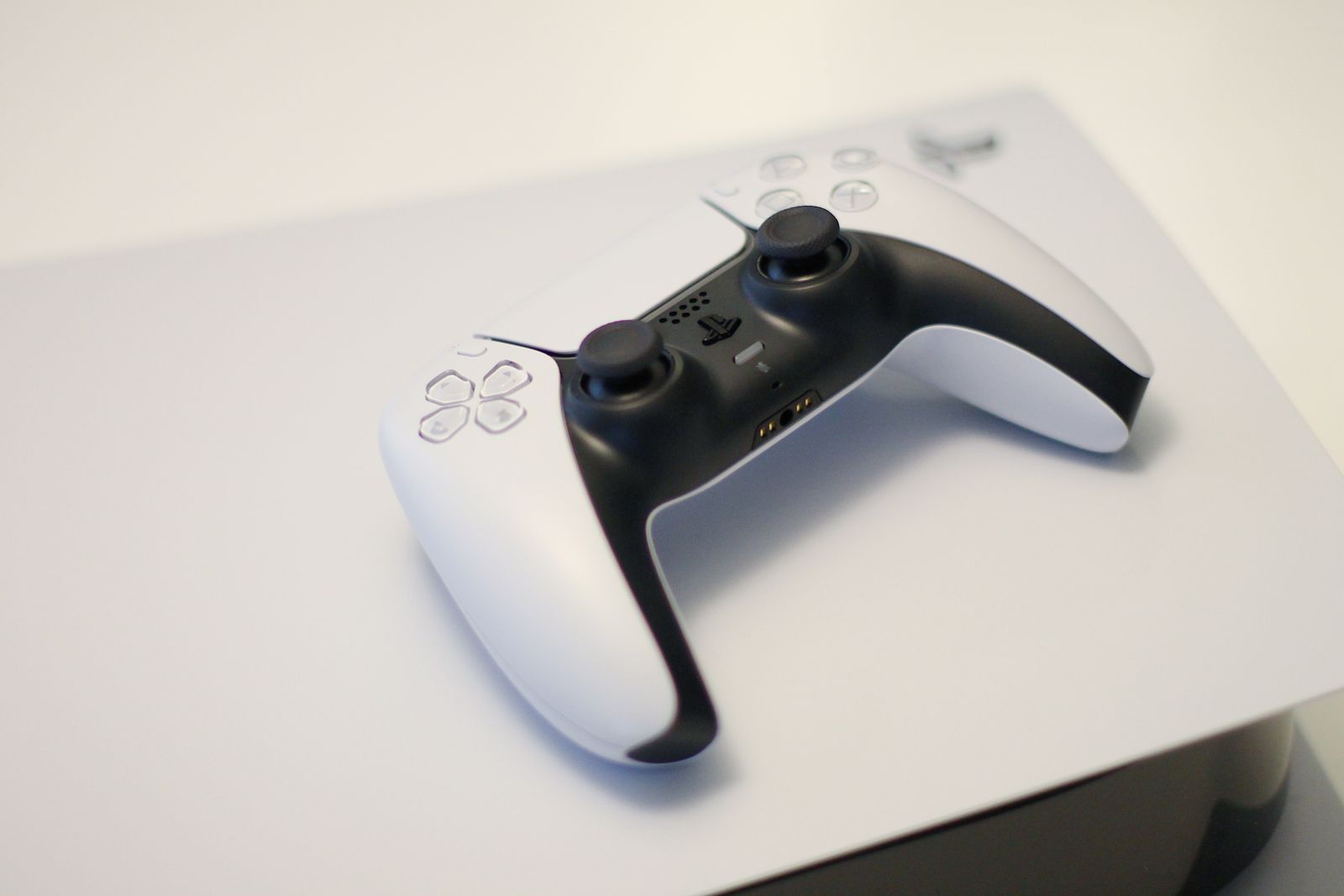
PlayStation’s U.S. software agreement is explicit: games and other software are licensed, not sold, and the user receives no ownership interest in the software itself. That is important. It is not the same as saying Sony may erase every paid game whenever it feels like it.
Correction: Stellar Blade did not prove this case
The previous version said post-launch changes to Stellar Blade revealed a PlayStation digital-ownership crisis. We could not substantiate that connection. The game received patches and generated arguments about altered content, but that is not evidence that buyers lost access or that Sony revoked their game licenses. We removed the claim, the invented statistics and the unrelated handbag-price table.
License, copy and copyright are different
Buying a digital game normally gives you a contractual right to download and use the software under specified conditions. It does not transfer the game’s copyright or underlying intellectual property to you. A physical disc does not transfer those copyrights either—but it gives you possession of a physical copy that may be resold or lent, subject to the game’s technical requirements and applicable law.
The practical question is therefore not “Do I own PlayStation?” It is: what rights of access, transfer, offline use and preservation come with this particular copy?
| Claim | More accurate version |
|---|---|
| “I own the digital game.” | You own contractual access under a software license; you do not own the software’s copyright. |
| “A disc guarantees permanent play.” | A disc improves possession and resale, but patches, servers, account checks or incomplete on-disc builds can still matter. |
| “Delisted means deleted.” | Delisting usually stops new sales. Removal from an existing purchaser’s library is a separate and more serious event. |
| “A patch is license revocation.” | No. A patch can materially change a game, but revocation means losing the right or ability to access it. |
California changed the checkout language
California’s AB 2426, signed in 2024, targets stores that use words such as “buy” or “purchase” for digital goods when the transaction is actually a license that may be revoked. The law generally requires a clear disclosure and affirmative acknowledgement, unless the seller provides a permanent offline download or otherwise fits an exception. It regulates marketing clarity; it does not convert every digital license into property.
What PlayStation’s agreement really reserves
The agreement grants a limited license and describes restrictions, updates, network features and termination. A license can end when its contractual conditions are breached. But the existence of termination language does not prove a platform will arbitrarily revoke a compliant purchaser’s entire library, and this article should never have presented that possibility as an observed Stellar Blade event.
There are real preservation concerns. Digital stores close, titles are delisted, online services end and licensed media can become unavailable. Those cases need to be named and sourced individually instead of being collapsed into a universal “you own nothing” slogan.
What to check before buying
- Does the game have a physical edition, and is the playable build on the disc?
- Can its single-player mode run without an internet connection?
- Does it require a publisher account or recurring license check?
- Are essential modes dependent on servers?
- Does the storefront clearly describe the transaction as a license?
Sources and what each establishes
- PlayStation Product Software License Agreement (U.S.): the primary source for “licensed, not sold” and the scope of the software license.
- California Legislature — AB 2426: the enacted digital-goods disclosure requirements and exceptions.
- PlayStation Blog — Stellar Blade launch update: official evidence that launch software included updateable content; it does not establish license revocation.
- Video Game History Foundation and Software Preservation Network — Survey of the Video Game Reissue: preservation research on commercial availability and delisting.
Editorial note: This revision replaces unsupported claims and fabricated figures published in the original August 23 version. Updated August 30, 2026. It is consumer reporting, not legal advice.
Convenience is real. Permanence is conditional.
Digital games are excellent at being available now and weaker at promising what will remain available decades from now. Buy the format that matches the kind of control you actually care about—and read the license before treating a download button like a deed.