
- A car configurator is a browser-based tool that lets you 'build' a vehicle trim-by-trim, color-by-color, before ever touching a dealership.
- Automakers built these tools to capture leads — but most sessions end in screenshots, not purchases.
- Psychologists call it 'appetitive browsing': the dopamine hit comes from choosing, not owning.
- WheelDream took the same format and dropped the lead-gen part entirely — you build, you screenshot, you never get a follow-up call.
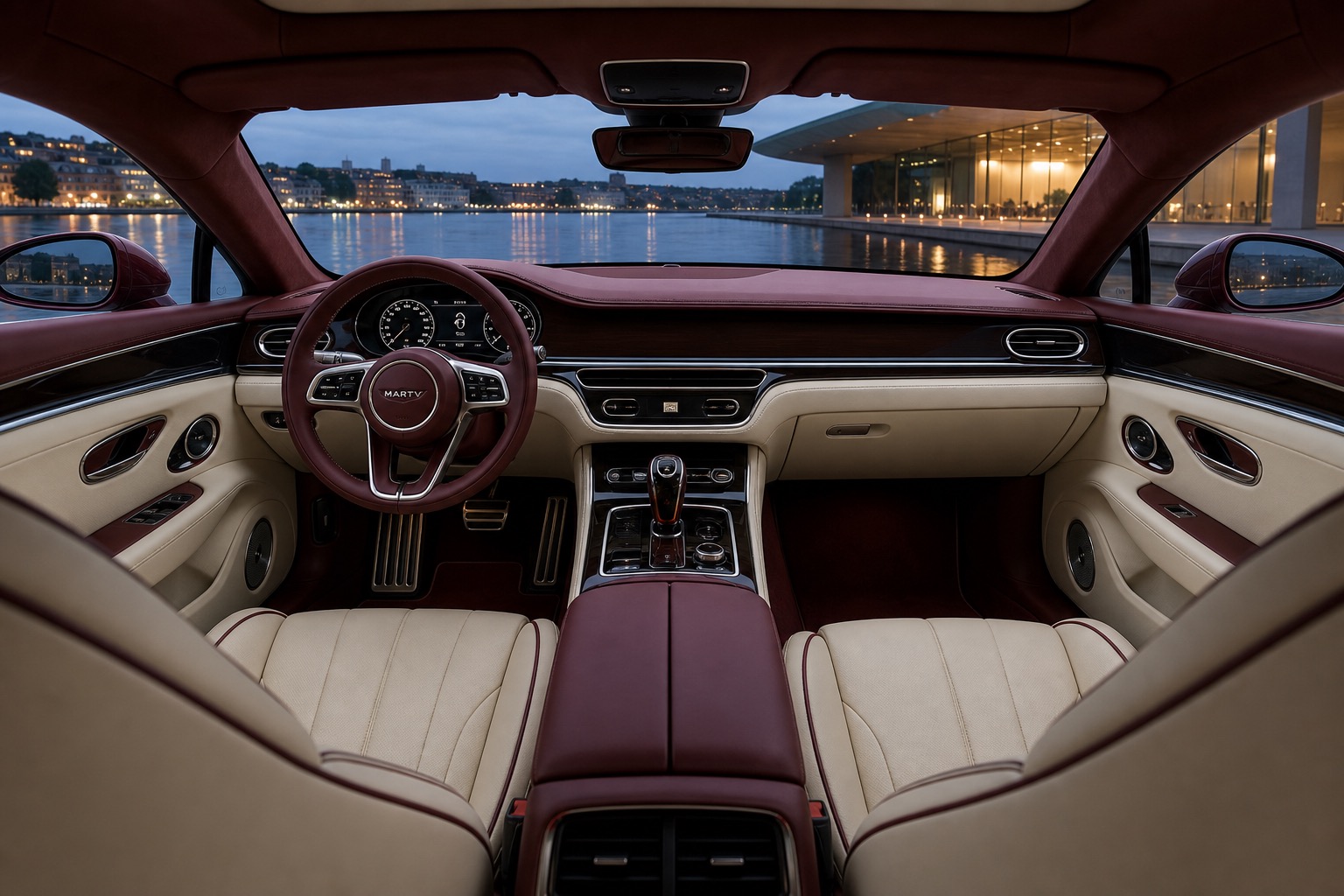
Somewhere right now, someone is spending their lunch break deciding whether a MARTy Aster C looks better in Deep Aster Burgundy or Storm Grey, with zero intention of ever signing paperwork — because there's no paperwork to sign. This is not procrastination. This is the virtual car configurator doing exactly what it was built to do — minus the part where you actually buy the car.
HOW IT WORKSThe Tool That Turned Car Shopping Into a Video Game
A virtual car configurator is a digital interface that lets you build a specific vehicle option by option: trim level, engine, exterior color, wheel design, interior stitching, tech packages, even the sound of the exhaust in some premium builds. Real automakers run versions of this to capture leads — and WheelDream runs the same interface for its own fantasy fleet, minus the lead capture, minus the dealer follow-up, minus the part where any of it costs money.
On a real automaker's site, the tool exists for a business reason: they want your email address and your saved configuration so their dealer network can follow up. It's a lead-generation machine disguised as a toy. WheelDream strips that part out entirely — there's no dealer at the other end, so there's nothing to opt into and nothing to unsubscribe from later.
The best configurators borrow directly from gaming UX — modular menus, satisfying click states, a running price ticker that climbs like a scoreboard. That's not an accident. It's the same reward-loop architecture behind loot boxes and character customization screens, just wearing a windshield.
THE PSYCHOLOGYWhy Building a Car You'll Never Buy Still Feels Amazing
Behavioral researchers have a term for this: appetitive browsing, or wanting for the sake of wanting. The dopamine spike doesn't require ownership — it fires during anticipation, during the act of choosing. A 2019 consumer psychology review found that imagining a purchase activates similar reward pathways to making one, which is exactly why 'build your dream car' feels emotionally complete even when the tab closes at $0.
There's also the sunk-fantasy-cost effect: the more customization steps you complete, the more invested you feel — even in something imaginary. Choosing a two-tone leather interior after already picking wheels and paint creates a narrative. You're not configuring a car anymore; you're finishing a story about a version of your life that includes a 510-horsepower coupe with your name on the delivery paperwork.
And unlike a dealership test drive, nobody is watching you deliberate for 40 minutes over brake caliper color. The configurator is judgment-free. It's the one corner of car culture where 'just looking' is not just allowed, it's the entire point.
THE PLAYBOOKHow to Browse a Configurator Like a Pro (and Actually Learn Something)
Start with the trim comparisons, not the paint chips — this is where configurators quietly teach you real automotive literacy: torque figures, drivetrain differences, what 'adaptive suspension' actually changes about ride quality. Treat it as a free crash course disguised as a shopping cart.
Then go feral on the cosmetic stuff. Try the color nobody would actually order — the deep burgundy over cream that looks like it belongs in a hotel lobby, the wild two-tones brands add specifically so people like you will screenshot them. This is the low-stakes, high-reward part of the experience, and it's designed to be shared.
Finally, screenshot your build and walk away. The tool did its job: it taught you something real about the car, gave you fifteen minutes of pure want, and charged you exactly nothing. That's the whole transaction, and it's a good one.
The dopamine hit doesn't come from owning the car — it comes from choosing the stitching.
Industry UX studies on automaker configurator sites show users spend nearly 20 minutes per visit — longer than most people spend reading a full review.
Questions people actually ask
Is anything I build in a car configurator actually saved or ordered?
On a real automaker's site, it's typically saved to your account or emailed to you as a reference build — nothing is ordered until you engage a dealer directly. On WheelDream, there's no dealer to engage; the build exists to be screenshotted, not fulfilled.
Do configurator prices match what I'd actually pay?
On real automaker sites, they're close but not final — configurators usually show MSRP for the options selected, before taxes, destination fees, or dealer markups. WheelDream's fantasy fleet lists MSRP the same way, for the same reason: it makes the build feel real, even though nothing is for sale.
Why do luxury brands have the most elaborate configurators?
Higher-margin, highly customizable vehicles benefit most from letting buyers emotionally 'complete' a build before ever visiting a showroom — which is exactly the loop WheelDream borrows, just with an entirely fictional showroom.
You built a Nürburgring-spec dream machine, took the screenshot, and closed the tab — no financing application, no dealership small talk, no regret. That's the whole appeal of DopamineKart too: browse the fantasy fully, then check out for exactly $0.
DopamineKart is a simulation built for entertainment — not financial, medical, or shopping advice. If you struggle with compulsive spending, please visit nfcc.org.