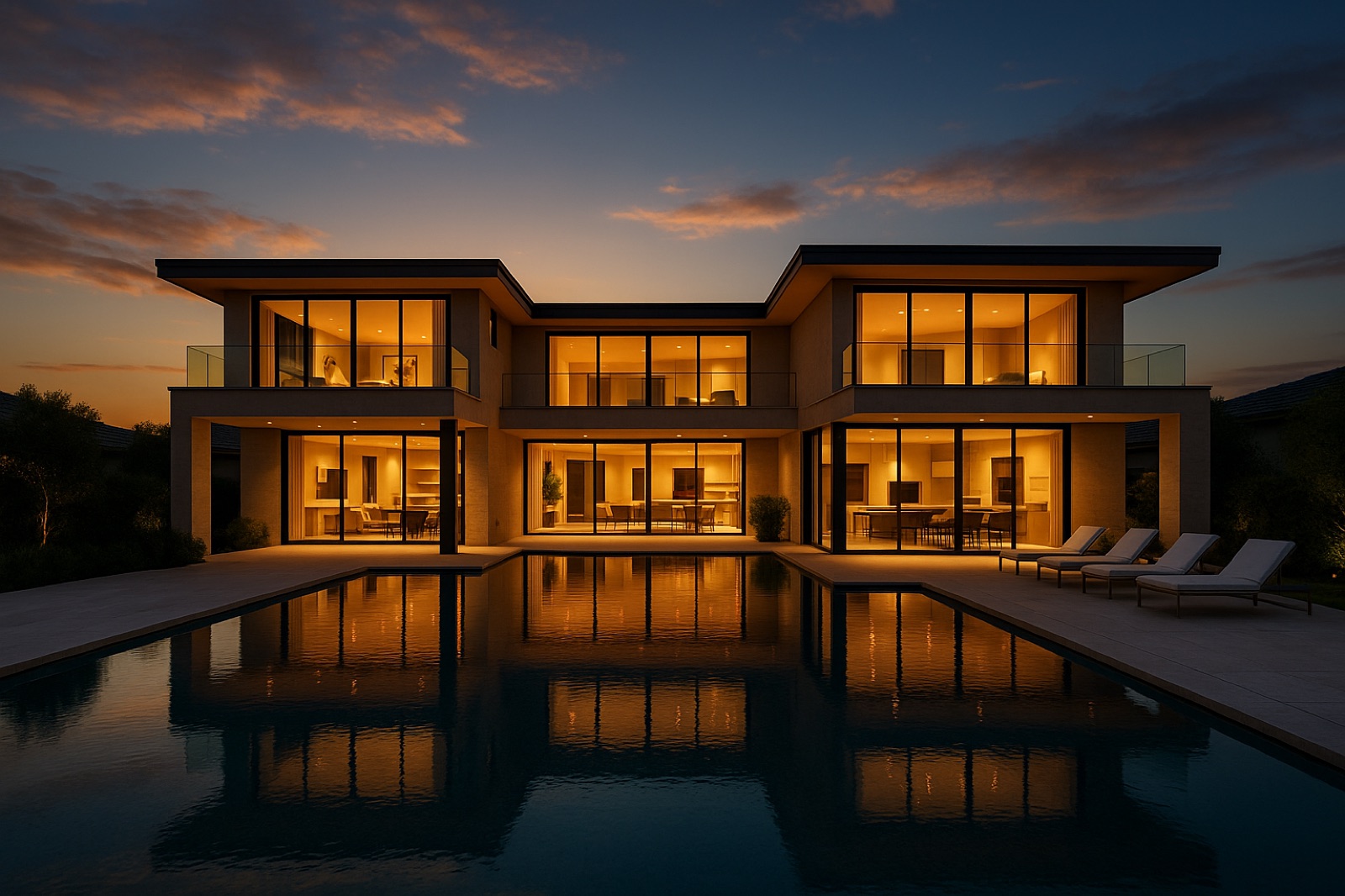
- 'Zillow surfing' is a certified pastime — no purchase, no pre-approval, no problem.
- Virtual tours trigger the same reward chemistry as shopping, minus the receipt.
- Dream-home browsing works as low-stakes therapy: control, escapism, and design inspiration in one scroll.
- DopamineKart turns the fantasy into an art form — tour the penthouse, skip the property taxes.
Somewhere right now, a person with a one-bedroom rental and a coffee-stained lease agreement is 3D-walking through a Malibu compound with an infinity pool that spills into the actual ocean. They are not pre-approved for anything. They do not know a realtor. They are, in the purest sense, just browsing — and it feels incredible.
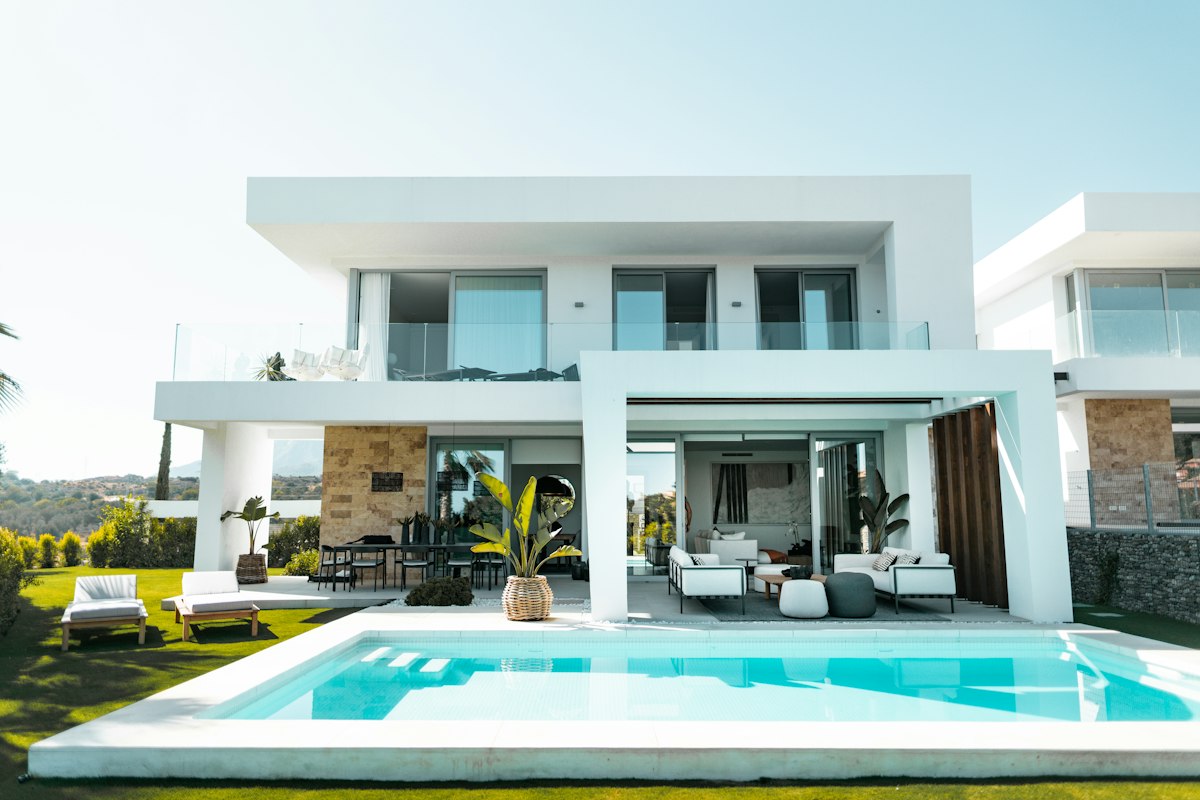
THE PHENOMENONWhat Is Virtual Real Estate Browsing, Really?
It's the act of touring listings — via Zillow, Redfin, Sotheby's, or immersive 3D platforms like Matterport — purely for the sensory and emotional payoff, with zero buying intent. Real estate sites became de facto entertainment platforms once high-res photography, drone footage, and 360° virtual walkthroughs got good enough to make a $28M château feel like a video game level you could actually wander.
The term 'Zillow surfing' entered the cultural lexicon around 2020, but the behavior is older — open houses have always drawn curious neighbors who had no down payment saved. What changed is access: you no longer need a Saturday, a car, or plausible deniability with an agent. You just need Wi-Fi and a scroll finger.
Sites now let you filter by 'waterfront,' 'castle,' or 'has a bowling alley,' turning house-hunting into a browsing genre closer to window shopping than home shopping.
THE HOOKWhy We Tour Homes We'll Never Own
Psychologists call it 'benign escapism' — the brain gets a hit of possibility and control without the risk. Walking through a virtual staged kitchen lets you rehearse an entire alternate life (the one where you cook, apparently) in ninety seconds, then close the tab and reheat leftovers guilt-free.
There's also pure design education happening: people absorb real architectural and interior trends — herringbone floors, butler's pantries, statement soaking tubs — the same way they absorb runway trends, filing them away as taste even if the budget never follows.
And frankly, it's better gossip than social media. A $65M listing description reveals more about status, aspiration, and 'who has a home theater with a popcorn machine' than any influencer post ever could.
THE PLAYGROUNDHow DopamineKart Turns This Into Sport
On DopamineKart, the dream-home tour isn't a guilty side habit — it's the whole point. Browse fantasy estates, ski chalets, private islands, and glass-walled architectural showpieces, add the one with the moat to your cart, and check out for exactly $0.
No mortgage pre-approval, no awkward calls with a broker, no HOA fine print. Just the dopamine of 'imagine if,' curated and consequence-free, alongside the handbags and hypercars in your other tabs.
It's the same emotional roleplay real buyers do — walking rooms, picturing furniture, mentally decorating — minus the 30-year commitment. Which, statistically, is the smarter financial decision anyway.
The mortgage was never the point — the mental move-in day was.
Industry estimates suggest a majority of traffic on major real estate sites comes from casual, non-transactional browsers — the window shoppers of the housing market.
Questions people actually ask
Is virtual real estate browsing actually bad for you?
No — used lightly, it's harmless escapism and even useful design inspiration; problems only arise if it fuels anxiety about your own housing situation.
Why do luxury listings get so much traffic if no one can afford them?
Aspirational content drives engagement everywhere — luxury listings function like fantasy content, satisfying curiosity and status-gossip instincts regardless of buying power.
What's the difference between this and normal house hunting?
Intent. House hunters filter by budget and commute; dream-tourists filter by 'coolest pool' and 'most ridiculous closet,' with no financing attached.
You don't need a down payment to want the wraparound porch and the wine cellar — you just need the tour. Browse the impossible mansion, admire the moat, and check out for $0 on DopamineKart, where the only thing you're closing on is a tab.
DopamineKart is a simulation built for entertainment — not financial, medical, or shopping advice. If you struggle with compulsive spending, please visit nfcc.org.