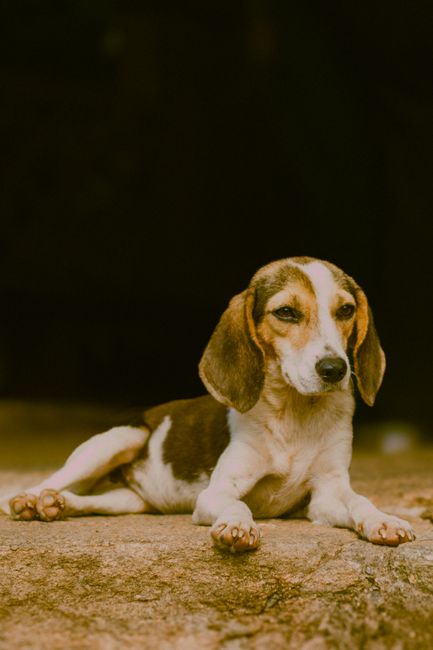
- The rich don't buy pets — they buy a rolling personality statement with a heartbeat and an insurance rider.
- Dog people flex loyalty and scale; cat people flex rarity and low-key exclusivity.
- Top status breeds — Tibetan Mastiff, Samoyed, Savannah cat — can cost more than a used luxury sedan.
- On DopamineKart, the checkout is $0 and nobody sheds on the leather seats.
There's a moment on the driveway of every mega-estate where the six-figure car door opens and out steps... the real flex: a dog the size of a bear cub or a cat that looks like it escaped a nature documentary. Pets have quietly become the ultimate status vehicle for wealthy Americans — no valet required. So today we're browsing the breeds that broadcast net worth, the dog-versus-cat psychology behind them, and checking out for a triumphant $0.
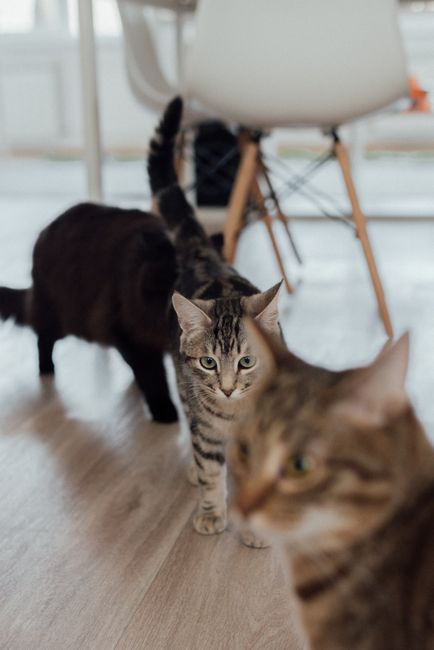
THE DRIVEWAY FLEXWhy a Breed Became a Better Status Symbol Than the Car
A supercar sits in the garage; a rare breed follows you everywhere, all day, generating what marketers call 'ambient status.' That's why the wealthy increasingly treat pets like collectible vehicles: acquisition cost, upkeep, and a very specific silhouette that signals you're in the club. A Tibetan Mastiff has famously sold for well over $1 million at Chinese auctions and routinely fetches tens of thousands stateside — a price tag that competes with a nicely optioned sedan.
The mechanics are identical to car culture. Rarity drives value: French Bulldogs became the most registered breed in America partly because celebrity ownership signaled taste, then breeding difficulty (they usually require C-sections and artificial insemination) kept prices high. Scarcity plus visible ownership equals flex — same formula as a limited-run coupe.
And like cars, the maintenance is the real cost. Insurance, private trainers, raw meal-prep, and 'pet concierge' services turn a breed into a recurring subscription. The purchase price is just the down payment on a very fluffy lease.
THE PSYCH DIVIDEDog People vs. Cat People: What the Data Actually Says
Research consistently finds a personality split: studies (including work out of the University of Texas) suggest dog people tend to score higher on extraversion and agreeableness, while cat people trend higher on openness — curiosity, creativity, unconventional thinking. In wealth terms, that maps neatly: dog people flex loyalty and scale (bigger dog, bigger presence), while cat people flex rarity and quiet exclusivity.
That's why the ultra-rich dog crowd gravitates toward statement breeds — Samoyeds (that 'smiling' white cloud of a dog), Tibetan Mastiffs, and Cavalier King Charles Spaniels, the last practically a royal accessory. The dog says: I have space, staff, and a heart big enough for a horse-sized companion.
Cat people at the top go the other direction — precision rarity. A Savannah cat (part wild African serval) can run $20,000+ and looks like a leopard was hired as an interior designer. Ashera cats have been marketed for up to $125,000. The cat says: I don't need it to be big, I need it to be nearly impossible to obtain.
THE PRICE OF PEDIGREEThe Breeds That Cost More Than a Car
If you're building a fantasy garage of breeds, here's the showroom. Dogs: Tibetan Mastiff (auction records past seven figures, US pups $5,000–$20,000+), Samoyed ($3,000–$10,000), and the French Bulldog ($3,000–$8,000, with rare colors climbing much higher). Each carries the tax of upkeep — a giant breed alone can eat a small salary in food and vet bills.
Cats: Savannah cats ($10,000–$25,000 for high-percentage generations), Bengals ($1,500–$5,000), and the Sphynx ($2,000–$5,000, because nothing says 'I have climate-controlled everything' like a hairless cat). The Ashera remains the unicorn — controversial, occasionally exposed as a rebranded Savannah, and priced accordingly.
Notice the pattern? Dog status scales with presence and loyalty; cat status scales with scarcity and a whisper of the wild. Either way, the wealthiest Americans aren't buying a pet — they're buying a story that trots or slinks into the room ahead of them.
A supercar sits in the garage; a rare breed follows you everywhere — the flex with a heartbeat and an insurance rider.
One of the most expensive cats ever marketed — a hybrid of leopard, serval, and pure exclusivity anxiety.
Questions people actually ask
What's the most expensive dog breed wealthy Americans buy?
The Tibetan Mastiff tops the list — record auction sales past $1 million overseas and US pups routinely running $5,000 to $20,000+, before the giant-breed food and vet bills kick in.
Why is the Savannah cat considered a status symbol?
It's part African serval, looks like a miniature leopard, is legally restricted in some states, and high-generation cats can cost $20,000+. Rarity plus a wild aesthetic makes it the ultimate quiet-luxury cat.
Are dog people or cat people wealthier?
Neither category is inherently richer — but the flex differs. Dog people signal status through scale and loyalty (big, rare breeds), while cat people signal it through rarity and exclusivity (hybrid, hard-to-source cats).
Whether you're team giant-fluffy-Samoyed or team leopard-sofa-cat, the wealthiest Americans have turned breeds into a rolling status flex — no valet required. The good news: on DopamineKart you can browse the entire six-figure showroom of pedigrees, whisper 'buy,' and check out for $0 — no shedding, no vet bills, no drool on the leather.
DopamineKart is a simulation built for entertainment — not financial, medical, or shopping advice. If you struggle with compulsive spending, please visit nfcc.org.