Modern Car Features, and Which Ones Are Actually Worth It
A new car's options list mixes three very different things: features that measurably reduce your chance of crashing, features that make every single journey nicer, and features that sell the car on the forecourt and then get switched off. Nobody labels which is which — so here is that label.
Updated 19 August 2026 · 11 min read read
The short version. If you are choosing what to pay for: the safety systems and the seats are the ones that earn their money. Heated seats warm you faster than the cabin heater and cost less energy. A 360 camera prevents the most common expensive damage there is. Cooled seats are the most underrated option on any list. Passenger screens and cabin fragrance are delight, not utility — buy them knowingly.
A driver-assistance system is an ASSIST. Lane keeping, adaptive cruise and the rest are designed to reduce the consequences of a lapse, not to drive the car. Every manufacturer says this in the manual and it is worth repeating: none of these systems means you can stop watching the road.
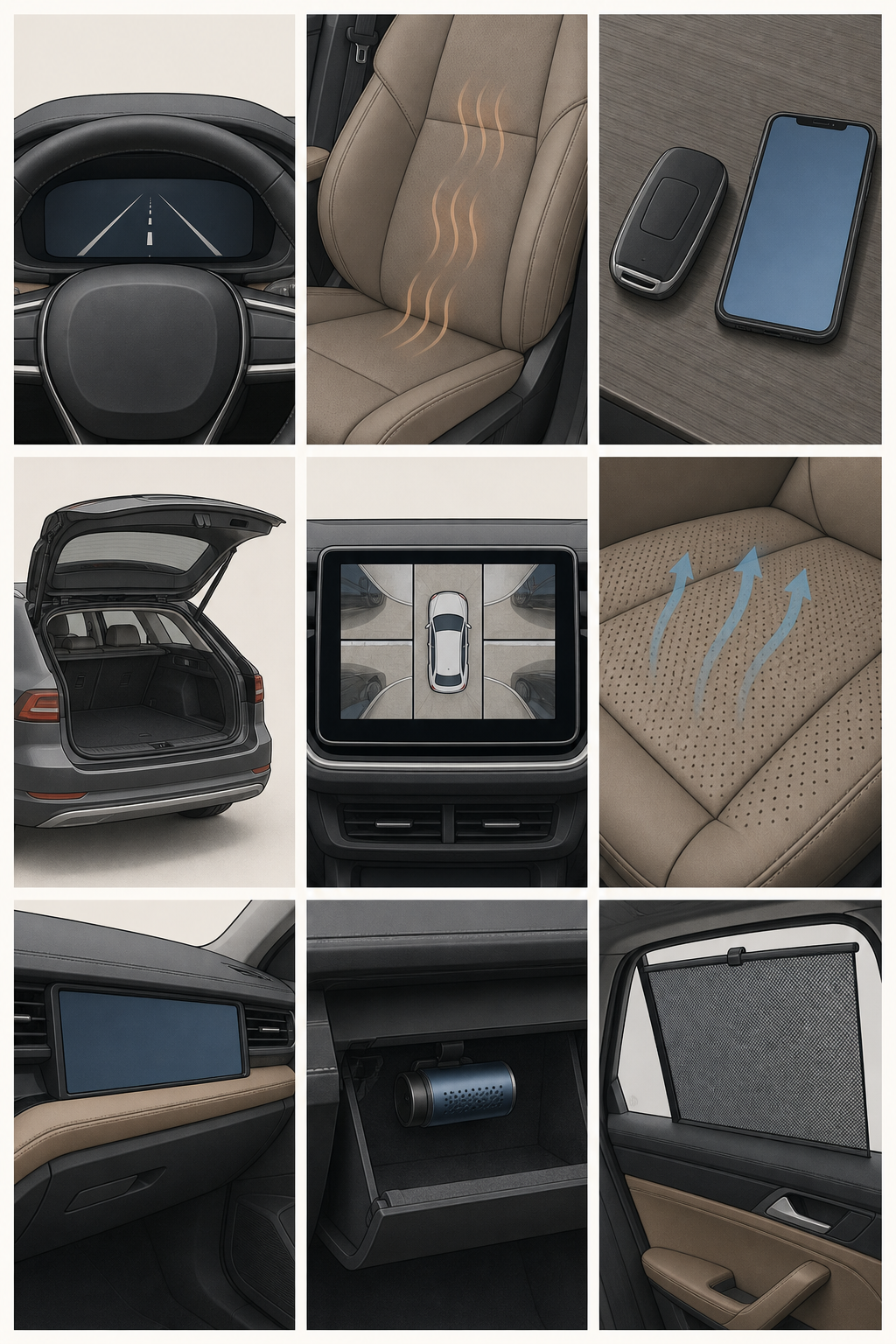
All 15 on one board
The whole set in a single image — this is the one to save or pin. Each panel is broken out
underneath with what it is actually for.
AI-generated illustration, and the lead image for this guide. All nine features on one sheet — the panels below are cut from it. The title and labels are live text, not part of the image, so they translate with the page.
The nine, and what each is really for
Each says what the feature does, whether it is safety or comfort, and the catch nobody mentions in the showroom.
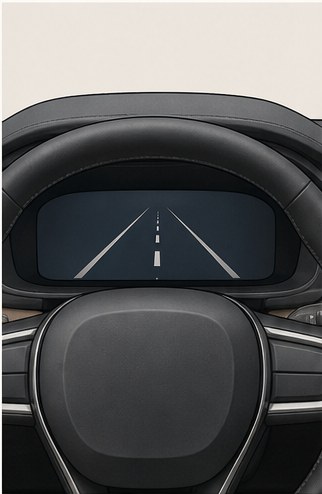
01Lane keep assist
Cameras read the lane markings and either warn you or gently steer back when you drift without indicating. The evidence for lane-departure systems reducing crashes is among the strongest of any in-car technology — this is the one on the list most likely to matter.
Safety. The catch: it needs visible markings. Worn paint, snow and roadworks all defeat it, which is exactly when you most need to be paying attention yourself.
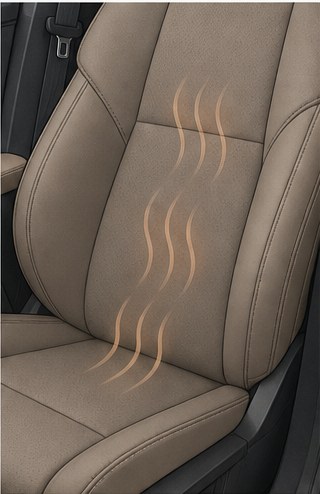
02Heated seats
Warms you by conduction rather than heating a whole cabin of air, so it works within a minute and uses a fraction of the energy. On an electric car that difference is range you keep.
Comfort, and the best value on any options list. The catch: almost none — this is the one most owners say they would not go without again.
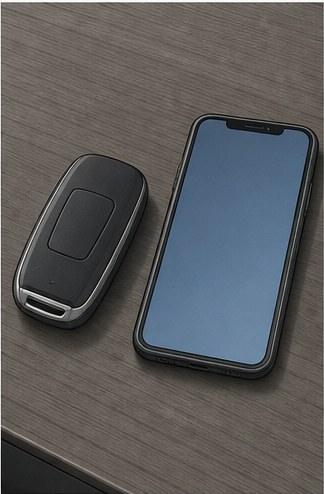
03Remote start
Starts the engine or pre-conditions the cabin before you get in, from the fob or an app. It is a genuine comfort feature in extreme climates and does nothing for you in mild ones.
Comfort, conditional. The catch: on a combustion car this idles the engine to make heat, which is fuel burnt going nowhere. On an electric car it is far more efficient and much more useful — plug in and precondition on mains power.
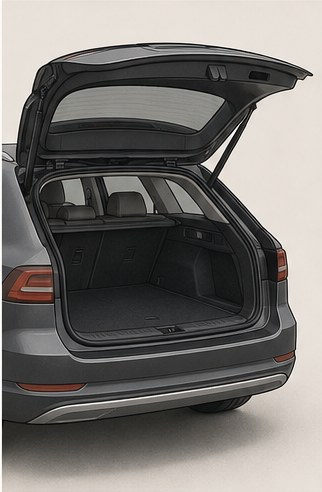
04Power tailgate
The boot opens and closes on a button, or on a foot swept under the bumper. Sounds like pure indulgence until you have approached a car with both arms full, which is precisely when it earns itself.
Comfort. The catch: it is slower than doing it by hand, and the kick sensor is temperamental in some cars. Try the gesture in the showroom rather than trusting the brochure.
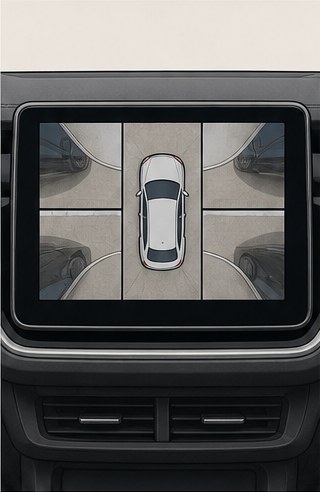
05360-degree camera
Stitches four cameras into an overhead view of the car and its surroundings. Low-speed manoeuvring damage is the most common insurance claim there is, and this is the feature that prevents it — particularly on the tall, thick-pillared cars everyone now drives.
Safety and money. The catch: it is a low-speed tool. Lens dirt in winter blinds it, and it does not replace a shoulder check.
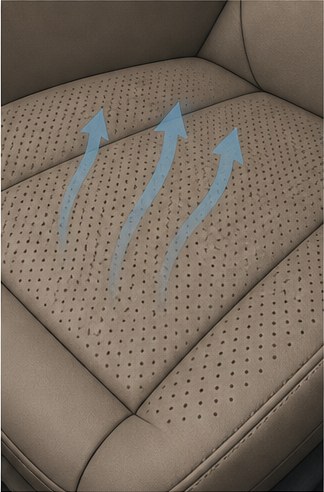
06Cooled or ventilated seats
Fans draw air through a perforated seat, moving the humidity away from your back. Air conditioning cools the cabin; this cools you, which is a different and better experience in real heat.
Comfort, and the most underrated option on any list. The catch: ventilated is not refrigerated — it moves air rather than chilling it, and it is noticeably noisier than heating.
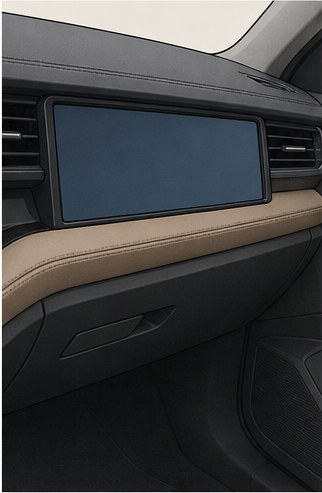
07Passenger display
A second screen in front of the passenger, usually with a filter so the driver cannot see it from their angle. It is genuinely nice on a long journey with a co-pilot and completely idle the rest of the time.
Delight. The catch: it is dark whenever you drive alone, which for most owners is most of the time. Worth wanting, not worth stretching for.
08Cabin fragrance
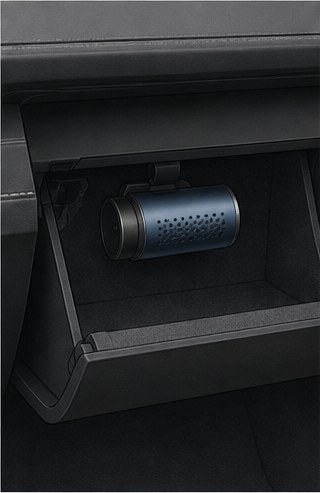
A refillable atomiser in the glovebox releases scent through the ventilation, with intensity you set. Mercedes made it famous and several makers now offer a version. It is a small thing that changes how the car feels every time you open the door.
Pure delight, and honestly rather good. The catch: proprietary refills, ongoing cost, and one person's pleasant is another's headache. Try before committing if anyone in the family is sensitive to scent.
09Motorised sun shades
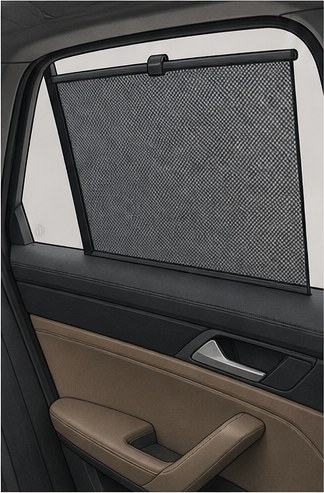
Powered mesh blinds for the rear side windows and rear screen. They cut heat and glare for passengers in the back — which in practice means children — far more effectively than tinted glass alone.
Comfort, and disproportionately useful with kids or a rear-facing seat. The catch: the rear-screen blind must retract when you select reverse, and on some cars you have to remember to lower it yourself.
10Push-button start
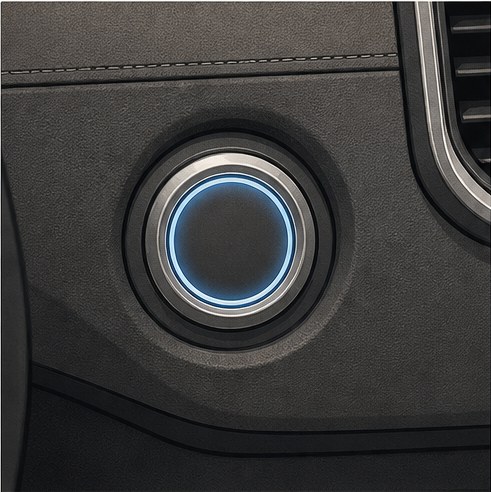
The key stays in your pocket and the car starts on a button. It exists because the car already knows the key is present — the button is just the switch. On most cars you press the brake and push; on some you hold it to start accessories only.
Convenience. The catch: with no physical key turning, it is genuinely easy to walk away leaving a quiet car running — which matters most in a garage.
11Keyless entry — no key needed
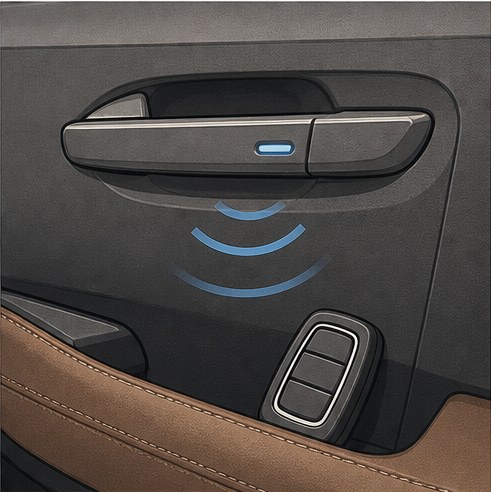
The car senses the fob within a metre or so and unlocks as you touch the handle. Once you have lived with it, going back to pressing a button feels archaic — it is the feature people notice most in daily use.
Convenience, with a real security note: relay attacks amplify the fob signal from inside your house to steal the car. A signal-blocking pouch at home defeats this and costs almost nothing.
12Drive modes — eco, comfort, sport
One control re-maps several systems at once: throttle response, gearshift timing, steering weight, and on adaptive cars the suspension. Nothing mechanical changes — the hardware is the same, the calibration is not.
Real but modest. Eco genuinely helps consumption in traffic; sport mostly sharpens throttle response, which feels faster without being faster. Most owners settle on one mode and stay there.
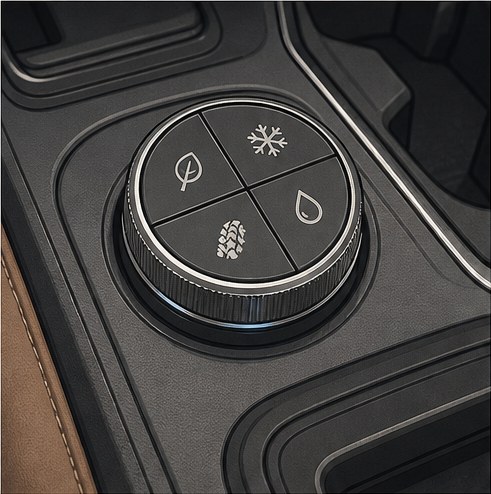
13Terrain modes — mud, snow, sand, rain
A step beyond drive modes: these change how the traction control and, on all-wheel-drive cars, the torque split behave on a specific low-grip surface. Snow mode softens throttle and starts in a higher gear; mud and sand allow more wheelspin, which is the opposite of what you want on tarmac.
Genuinely useful IF you meet those surfaces. The catch: a terrain mode cannot substitute for tyres. Winter tyres on a two-wheel-drive car beat snow mode on all-season rubber, every time.
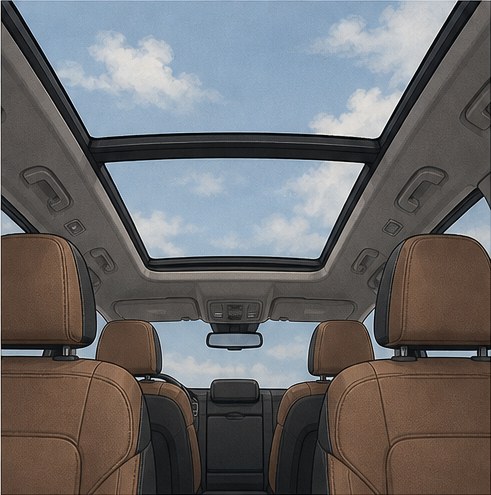
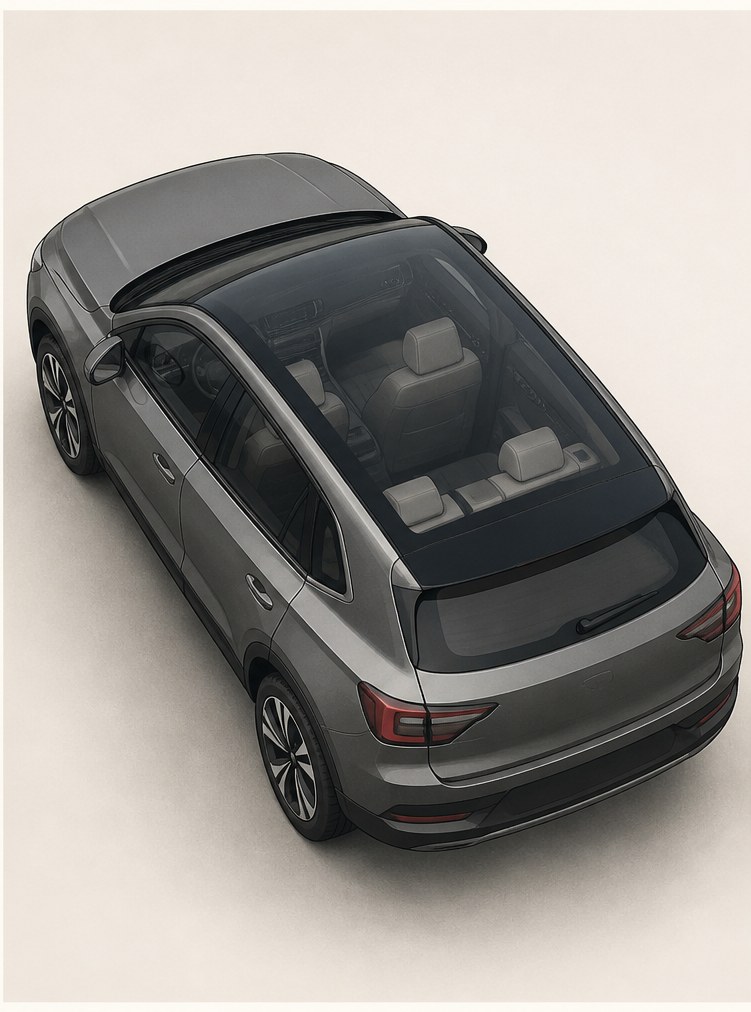
14Panoramic roof
A large glass area over both rows, sometimes fixed and sometimes opening. It transforms how a cabin feels — rear passengers especially — and it is the single most effective way to make an ordinary interior feel expensive.
Delight, with real costs: weight high on the car, two to four centimetres of headroom, more load on the air conditioning, and drain channels that block. A blocked drain is how water reaches a headliner.
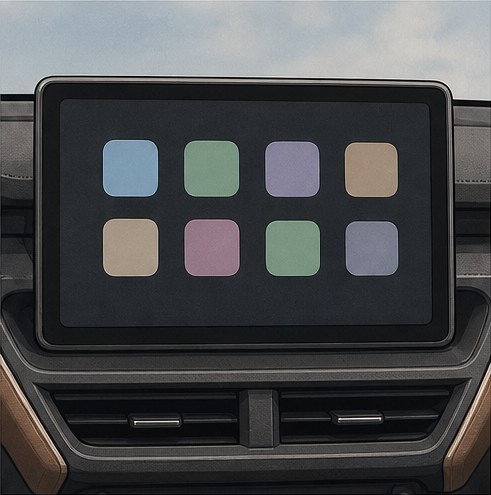
15CarPlay and Android Auto
Your phone's interface on the car's screen — maps, music, messages, in the layout you already know. It won against built-in systems because the maps update themselves and the traffic data is better.
Close to essential now, and check it is WIRELESS. A wired-only system means plugging in every trip, which sounds trivial and is the difference between using it and not.
AI-generated illustration. Not a photograph. Every panel above is cut from a single generated sheet, which is how the
style stays consistent across all 15.
If you only pay for three
A 360 camera — it prevents the most common expensive damage.
Heated seats — fastest warmth for the least energy.
Cooled seats — the most underrated option on any list.
Everything else on the list is delight, and delight is a legitimate reason — just know which you are buying.
Sunroof or panoramic roof — the one to think hardest about
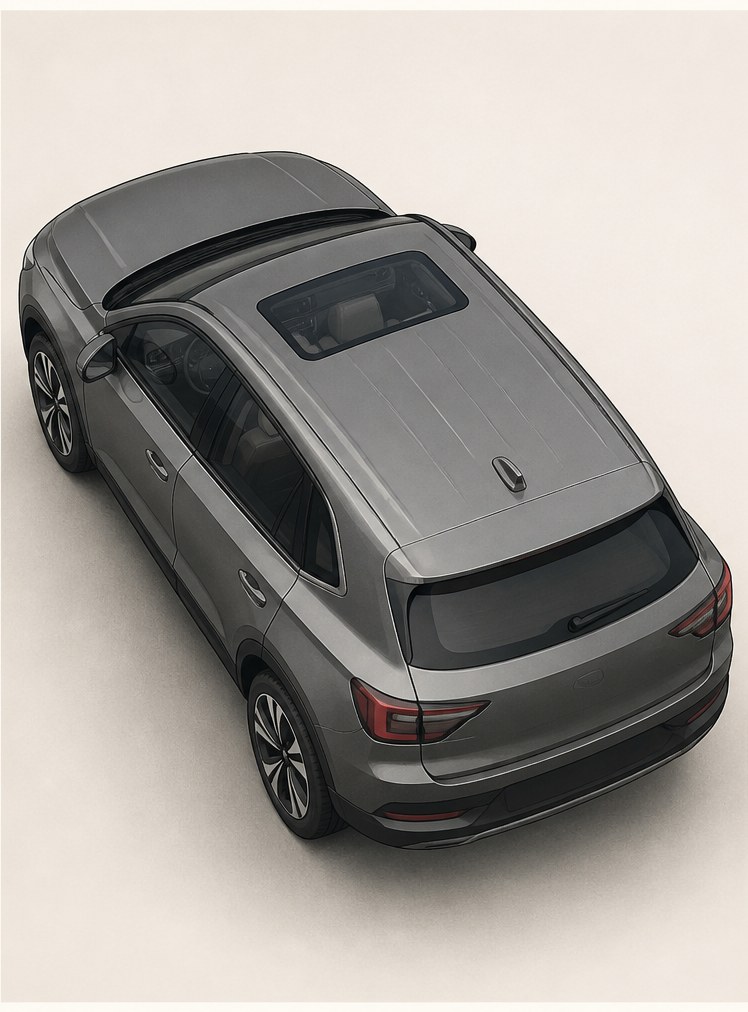
A sunroof is a panel that tilts or slides. A panoramic roof is a much larger glass area over both rows, sometimes fixed and sometimes opening. Both make a cabin feel dramatically more open, and both have costs that no showroom mentions.
They add weight high up on the car, which is the worst place for it. They remove headroom — typically two to four centimetres, which matters if you are tall. On a hot day a large glass roof loads the air conditioning noticeably unless the blind is closed, and a mesh blind is not the same as a solid one. And they are a long-term maintenance item: the drain channels block, and a blocked drain is how water reaches a headliner.
None of that means do not buy one. It means the honest version of the choice is "I want this enough to accept the headroom and the upkeep", which is a fine reason.
Conventional sunroof: one modest panel over the front seats, most of the roof still metal.Panoramic roof: one continuous pane over both rows. The difference in glass area is the whole story.
CarPlay, Android Auto, and why built-in navigation lost
Phone mirroring won because the maps update themselves, the traffic data is better, and the interface is the one you already know. A built-in navigation system is competing against a company whose entire business is knowing where the traffic is.
Two things still favour the built-in system, and they are real. It shows directions in the instrument cluster and head-up display, where phone mirroring often cannot. And it works with no signal, which matters in mountains and rural areas more than people assume until it does.
The practical answer is that wireless phone mirroring is close to essential now, and built-in navigation is a sensible thing to have as well — but not a reason to choose one car over another.
How to think about the whole list
Rank any options list by how often you will touch the feature. Seats you sit in every single journey. Cameras you use every time you park. A passenger screen you use on the trips where someone is next to you. Fragrance you notice each time you get in.
Then discount anything you cannot try. Gesture tailgates, voice assistants and driver-assist calibration vary enormously between manufacturers, and the brochure describes the intention rather than the execution. Ten minutes actually using it in the showroom tells you more than any specification.
Our guide to body styles covers the choice one level up — which shape of car suits how you actually live.
Notes
No products are named or linked on this page and there are no affiliate links on it. Nothing here is monetised.
The nine panels are cut from one generated illustration sheet, which is why the palette is identical across them. Every interior shown is deliberately generic and unbranded — no specific vehicle, manufacturer or system is depicted.
The safety-versus-comfort labels are our editorial judgement about what each feature is FOR. The one claim resting on external evidence is that lane-departure systems reduce crashes, which is a well-established research finding rather than our opinion. We have not independently tested any system named here.
Feature names and behaviour vary between manufacturers — particularly how driver-assistance systems intervene, and whether a rear blind retracts automatically. Your car's own manual is the authority.
No affiliate links on this page. Nothing here is monetised.
No prices anywhere on this site — they move faster than an article can stay honest about them.