Almost every body-style name describes a shape — specifically, how many boxes the profile has and where the roof lands. Once you can see that, the categories stop being marketing words and start telling you something useful about what the car will actually be like to live with.
The short version. A sedan is three boxes: bonnet, cabin, separate boot. A coupé is two doors and a roof that slopes into the tail. An SUV is a tall two-box shape with the body raised well off the ground. A wagon is a sedan whose roof keeps going. A hatchback is a short two-box car whose rear glass opens with the tailgate. Everything else on this page is a variation on those four ideas.
Look at any car in profile and count the volumes. The engine bay is one box. The cabin is another. A boot that steps down behind the rear window is a third. Three boxes is a sedan, and the stepped boot is the giveaway — it means the luggage space is sealed off from the cabin.
Take the third box away, so the roof runs back and the rear glass lifts as part of the tailgate, and you have a two-box car: hatchback, wagon, SUV, minivan. Everything in that family shares one consequence — the boot and the cabin are the same volume of air, which is why they carry bulky things better and why they are noisier at motorway speed.
That is the whole framework. The rest is height, door count, and what the roof does on the way back.
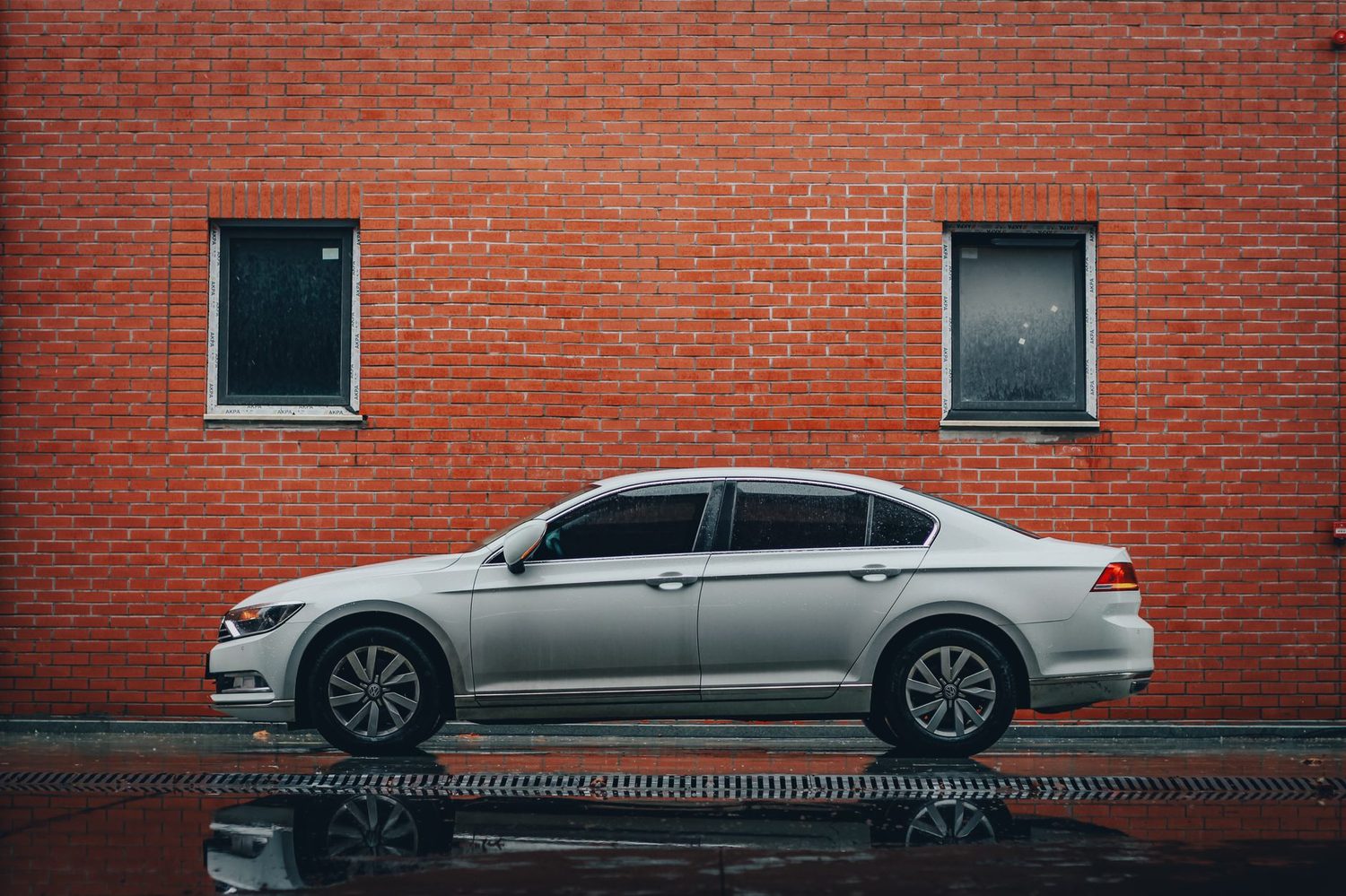
The traditional shape, and still the most efficient one at speed: the low roof and tapered tail move through air with less drag than anything taller. The sealed boot is the real functional difference — it keeps noise, smells and whatever you are carrying out of the cabin, and it hides luggage from view entirely.
What you give up is vertical space and access. A boot opening is a letterbox compared with a tailgate, so a sedan will defeat you on a wardrobe box that a much smaller hatchback swallows.
Who it is not for: bulky cargo, dogs, or anyone who loads a car in a hurry.
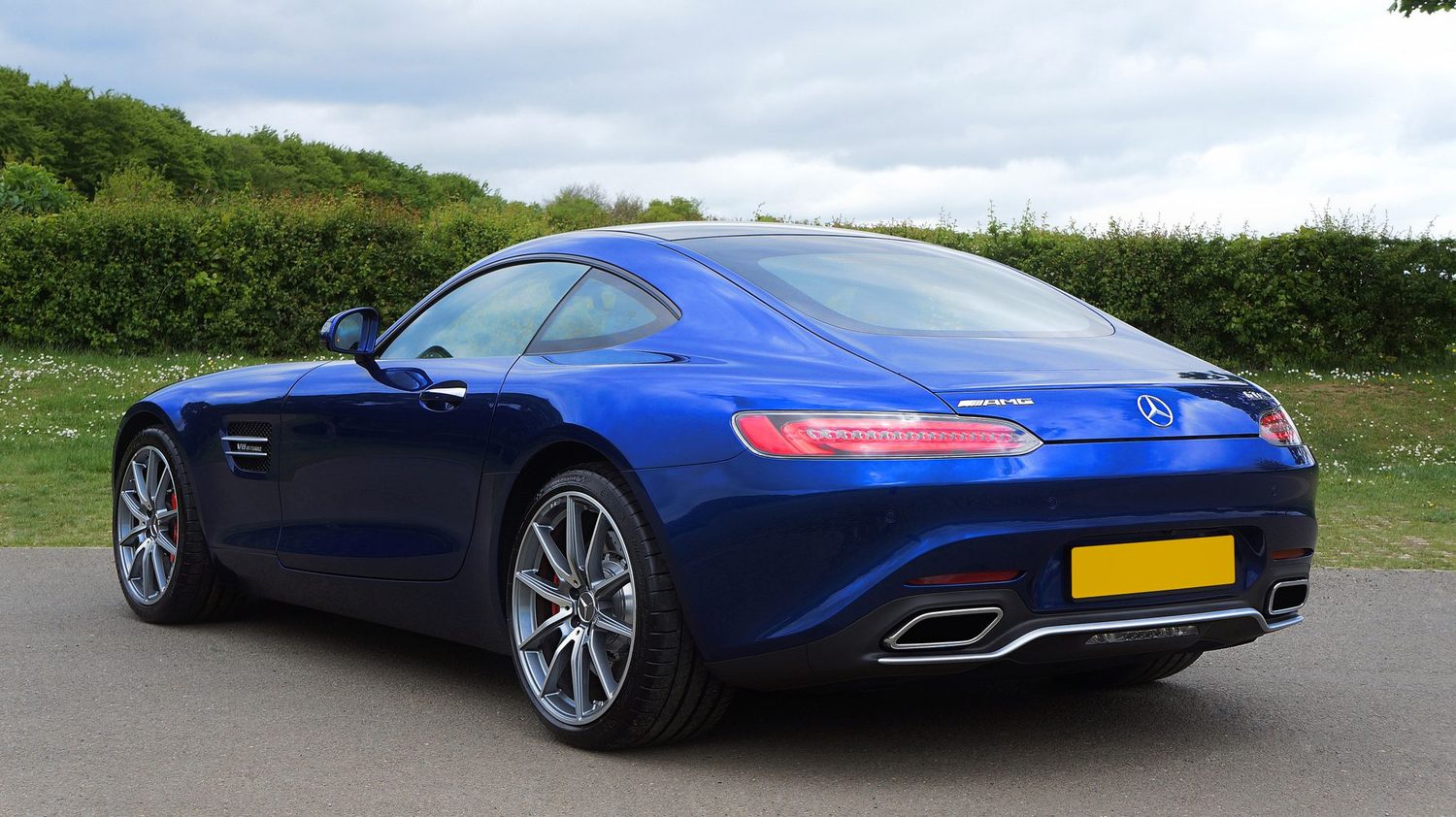
Strictly, two doors and a fixed roof. In practice the word now means a roofline that slopes continuously from the top of the windscreen to the tail, which is why manufacturers happily sell four-door cars called coupés and SUVs called coupés.
The shape costs rear headroom and rear visibility, and usually boot opening height. What it buys is proportion — a longer-looking bonnet, a lower-looking car — and slightly less drag than the equivalent sedan.
The honest note on "four-door coupé". It is a marketing term for a sedan with a sloping roof. That is not a criticism — the shape is genuinely different and the compromises are real — but if a salesperson tells you a four-door coupé is a different class of car from a sedan, it is not. Our X6 vs GLE Coupé vs Cayenne Coupé comparison is three SUVs wearing the same idea.
Who it is not for: families, tall rear passengers, or anyone who parks by feel — the visibility is worse.
We have three coupés reviewed: the BMW M2 with M xDrive, the Ford Mustang GTD, and the open-top Porsche 911 GT3 S/C.
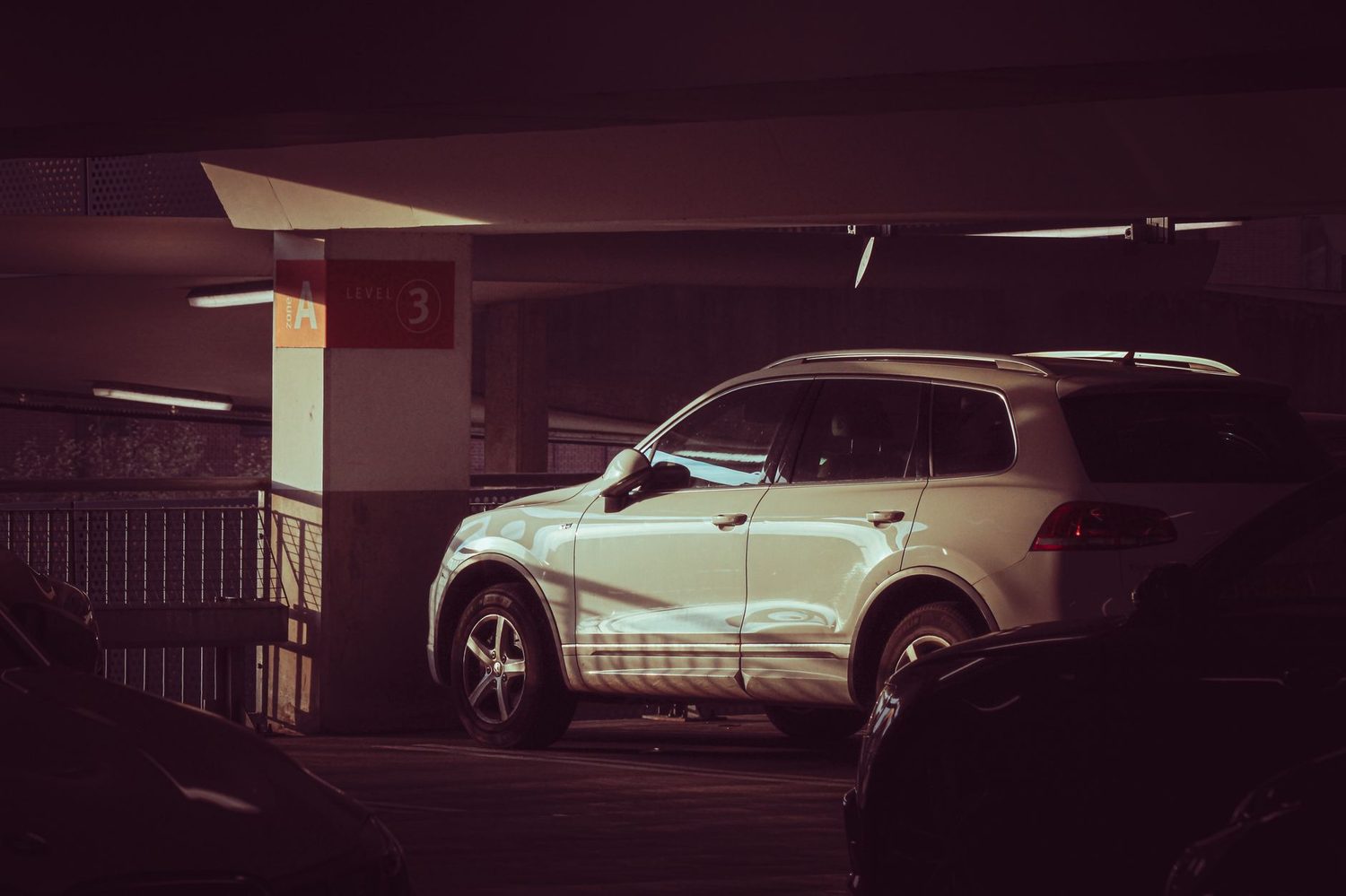
An SUV is a tall two-box car with raised ground clearance and a high seating position. The distinction worth knowing is underneath: a traditional SUV is built on a separate ladder frame like a truck, while a crossover is built on a car platform with the body and frame as one piece.
Almost everything sold as an SUV today is a crossover. That is mostly good news — car platforms ride better, handle better and weigh less. The ladder frame survives where towing and genuine off-road ability matter, and it is why those two capabilities are the questions to ask.
Who it is not for: drivers who mostly commute alone on motorways and care about running costs.
Reviewed: BMW X5, the electric Mercedes GLC, and the Porsche Cayenne Coupé Electric.
Once a third row appears, the questions change. The real one is not whether the seats exist but whether there is any boot left when they are up — in many three-row SUVs there is almost none, which makes them seven-seaters only for journeys with no luggage. The other is length: a large SUV is often close to five-and-a-half metres, which is a different car to park than the badge implies. Our Cadillac Escalade IQ piece is the large end of this.
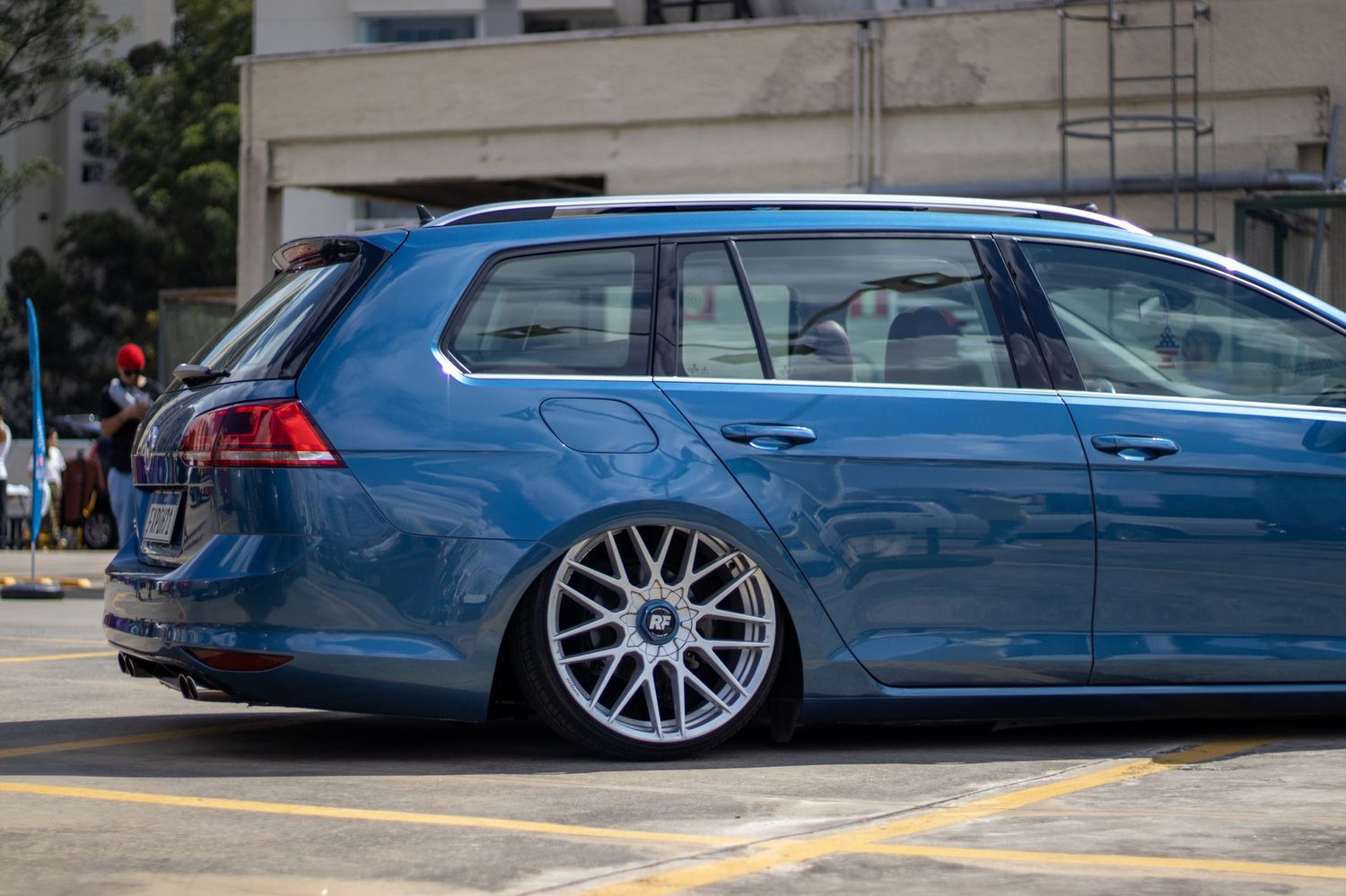
A wagon (estate) is a sedan whose roof continues to a vertical tailgate. It gives you most of an SUV's usable space with a sedan's centre of gravity, drag and ride — objectively the better engineering answer for most families, and the one the market has largely ignored in favour of height.
A hatchback is the same trick at a shorter length. It is the most space-efficient shape sold: a small hatchback will carry things a much larger sedan cannot, because the opening is enormous relative to the car.
Who it is not for: anyone who needs ground clearance or wants a commanding view of the road.
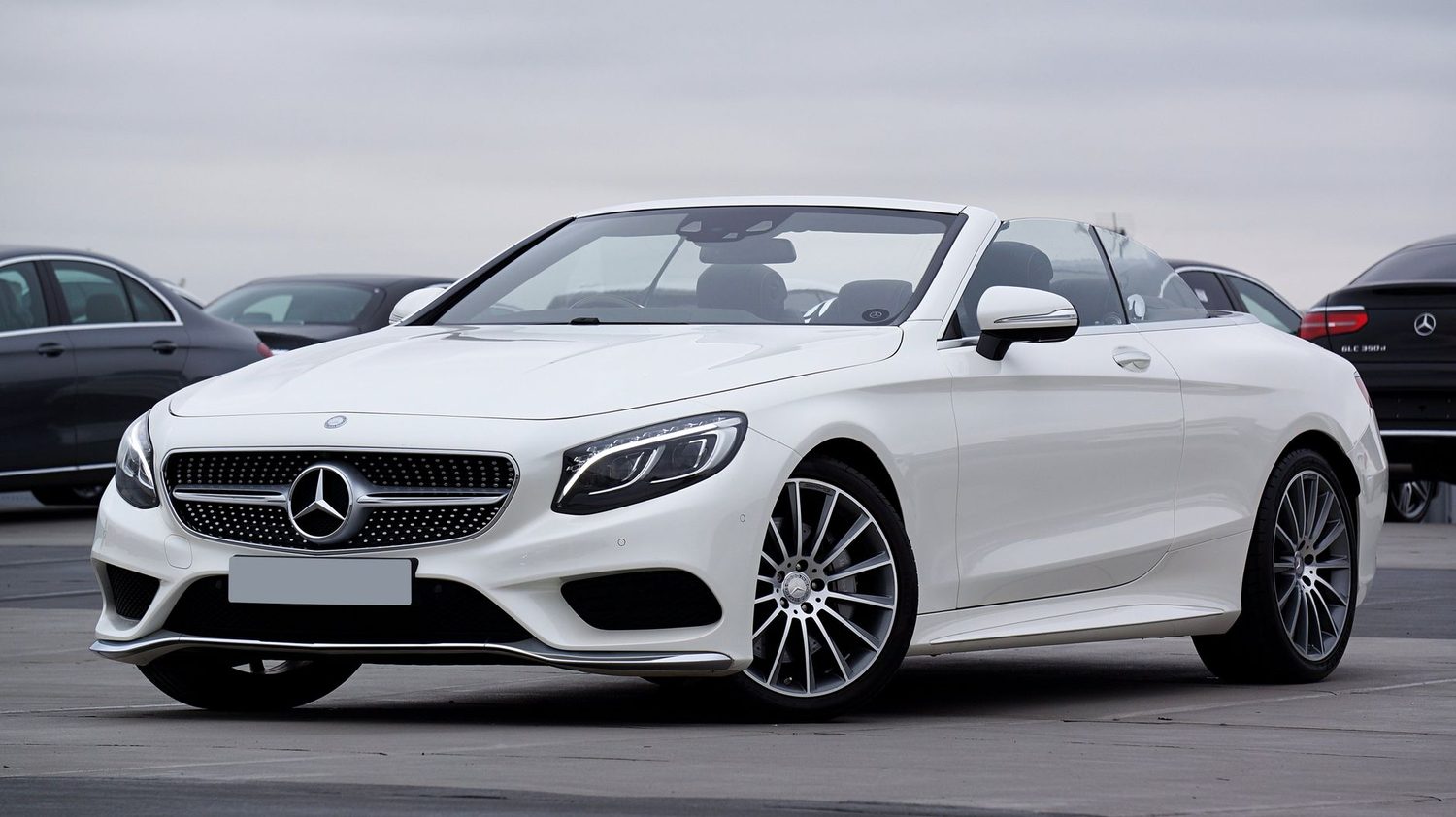
Convertible. A coupé that trades structural rigidity, roof insulation and usually boot space for open air. Modern ones add weight to compensate for the missing roof structure, which is why a convertible is almost always heavier than the coupé it is based on.
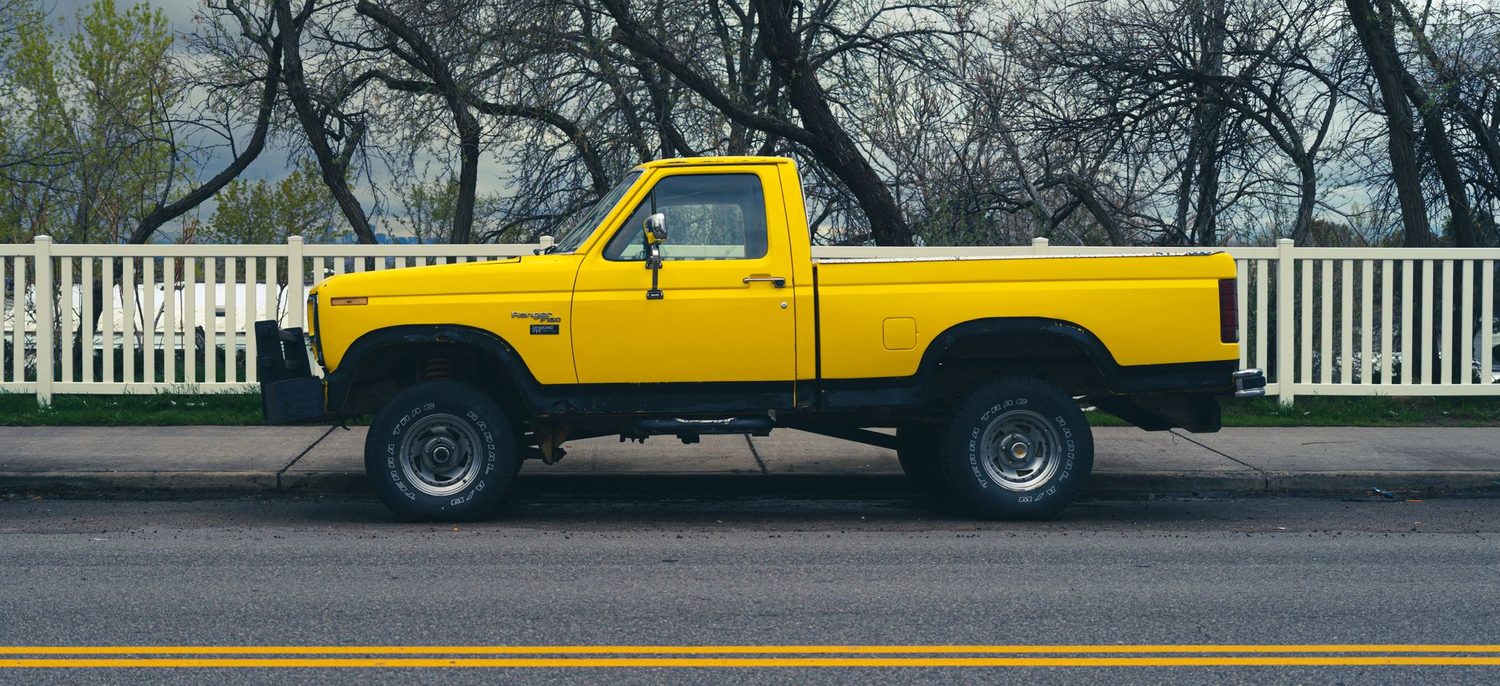
Pickup. The bed is genuinely open to the weather and separated from the cabin, which is the point: you can carry things you would never put inside a car. The cost is ride quality when the bed is empty, because the suspension is sprung for a load that is not there.
Minivan. The most efficient use of a footprint anyone has yet built — one box, sliding doors that open fully in tight parking spaces, and a flat floor. It is unfashionable, and on function it beats a three-row SUV comprehensively.
| If this is your week | The shape that suits it | Why |
|---|---|---|
| Long motorway commute, alone | Sedan or hatchback | Lowest drag, so the running costs are lowest where you spend the time. |
| School run, dog, sports kit | Wagon or crossover | Tailgate access and a boot that is the same air as the cabin. |
| Seven people, regularly | Minivan | Sliding doors and a flat floor beat a third row squeezed under a sloping roof. |
| Towing, or real off-road | Ladder-frame SUV or pickup | The frame is what the capability is built on. |
| Two people, and you want to enjoy it | Coupé or convertible | The compromises only cost you what you were not going to use. |
| Tight city parking | Hatchback | Most usable space per centimetre of length. |
The question worth asking yourself. Most people buy for the exceptional week — the one house move, the one camping trip — and then drive the ordinary week for the next five years. It is usually cheaper to own the car that fits the ordinary week and rent for the exception.
Two of the rules above are loosening. Without an engine, the front box can shrink or become storage, so electric cars often have a longer cabin inside the same length — the reason many electric SUVs feel roomier than their dimensions suggest. And because a battery sits under the floor, an electric SUV has a much lower centre of gravity than its height implies, which removes part of the traditional handling penalty.
What does not change is drag. A tall car still pushes more air, and at motorway speed that is the single biggest determinant of range — which is why the coupé version of an electric SUV genuinely goes further than the standard one on the same battery.
If you are weighing the running costs, our home versus public charging guide covers how to work out your own numbers.
No products are named, linked or recommended on this page, there are no affiliate links, and nothing here is monetised. No prices appear anywhere on this site.
This is an explainer, not a review. The judgements about what each shape costs and suits are our editorial opinion, informed by how these bodies are engineered — they are not test results, and we have not driven a representative of every category.
The silhouettes are hand-drawn SVG, sharing one baseline and wheelbase so the ROOFLINE is what differs between them. They are diagrams rather than depictions of any specific vehicle. Photographs are licensed from Pexels and credited to their photographers individually.
Body-style names are not standardised across markets. Estate and wagon are the same thing; MPV and minivan are the same thing; and "coupé" is applied loosely by manufacturers, which the page says where it matters.
No affiliate links on this page. Nothing here is monetised.
No prices anywhere on this site — they move faster than an article can stay honest about them.
How we review · Corrections: email us · All Legit reviews