Quick take
- The real deal: a supercharged 5.2L V8 making 815 hp, spinning to a 7,650-rpm redline.
- Race hardware: rear-mounted 8-speed dual-clutch transaxle, pushrod suspension, active aero and carbon-ceramic brakes.
- Serious pace: 202 mph top speed, 0–60 in about 3.1s — and Ford says a sub-seven-minute Nürburgring lap.
- The catch: roughly $325,000, and you can't just buy one — Ford selects owners by application.
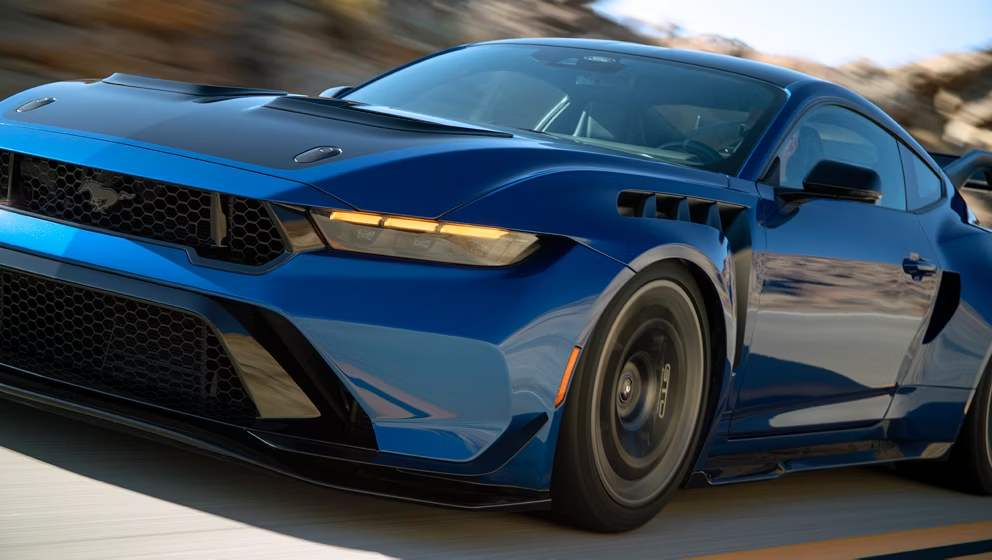
Ford builds a lot of Mustangs. Most of them start under $40,000. The GTD does not: it starts around $325,000, and Ford makes you apply to be allowed to buy one. That combination usually sets off every alarm on a site called Legit — a six-figure pony car sounds like the definition of paying for a badge. Except the GTD isn't a dressed-up Mustang. It's Ford's GT3 race car, re-engineered to wear a license plate.
This part is legit.
The spec sheet isn't marketing. Dry-sump supercharged V8, a gearbox moved to the rear axle for balance, pushrod suspension and real downforce — this is homologation-grade hardware, not a trim package.
What actually makes it legit
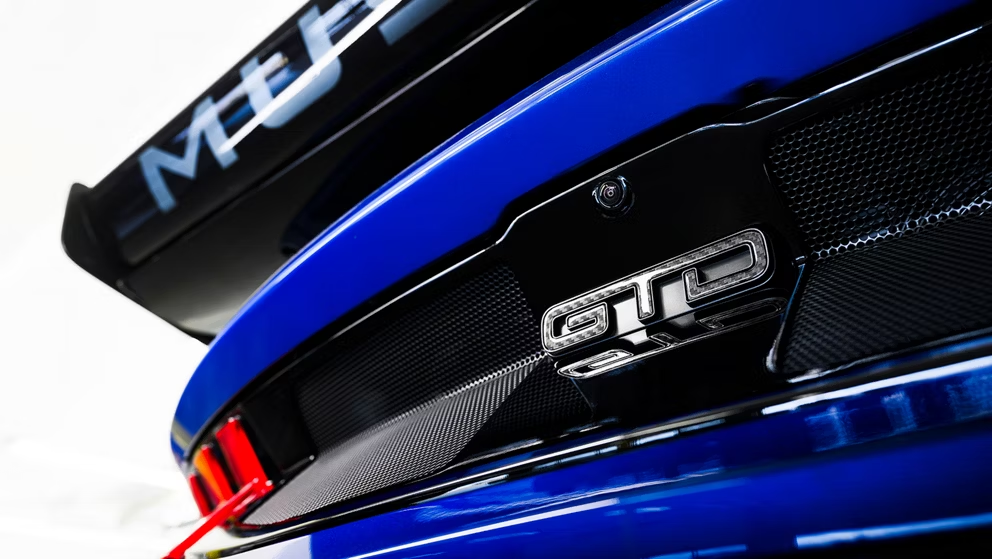
Start with the engine. The GTD uses a supercharged 5.2-liter V8 derived from the last Shelby GT500, but heavily reworked: it makes 815 hp and 664 lb-ft, revs to 7,650 rpm, and gets dry-sump lubrication for the first time in a Mustang so it keeps oil pressure under sustained cornering loads. A titanium exhaust saves weight where it matters.
Then the layout. Instead of bolting the transmission behind the engine, Ford moved the 8-speed dual-clutch to the rear axle as a transaxle. That shifts weight rearward for near-50/50 balance — a genuine race-car packaging decision, not a styling one. The suspension uses pushrod-actuated, semi-active spool-valve dampers with a hydraulic system that can drop ride height in track mode.
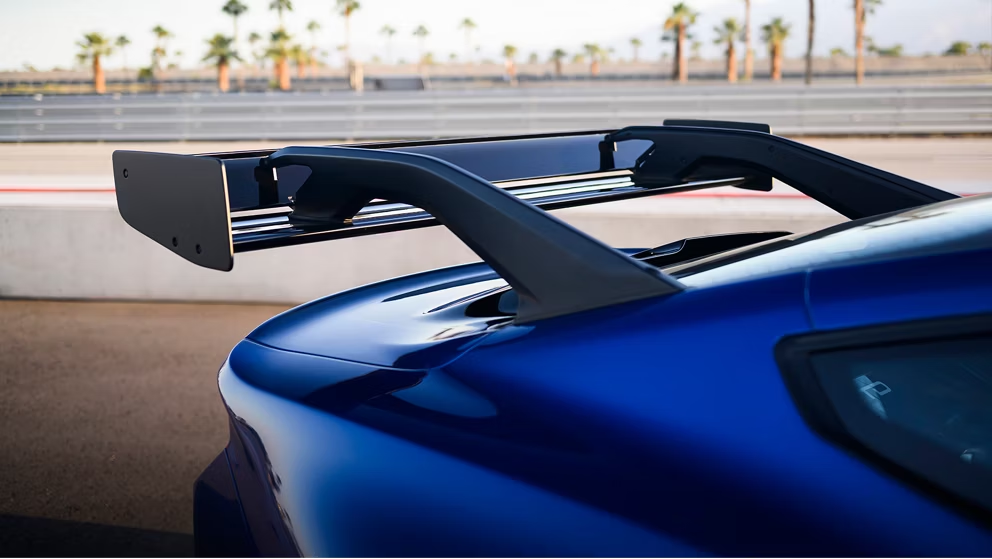
The aero is real too: an active rear wing, front aero elements, and a diffuser that work together to plant the car. It rolls on Michelin Cup 2 tires over carbon-ceramic brakes, with optional carbon-fiber body panels to cut weight further. Ford says the result lapped the Nürburgring in under seven minutes — a claimed first for an American production car.
Inside: a cabin with nothing to hide
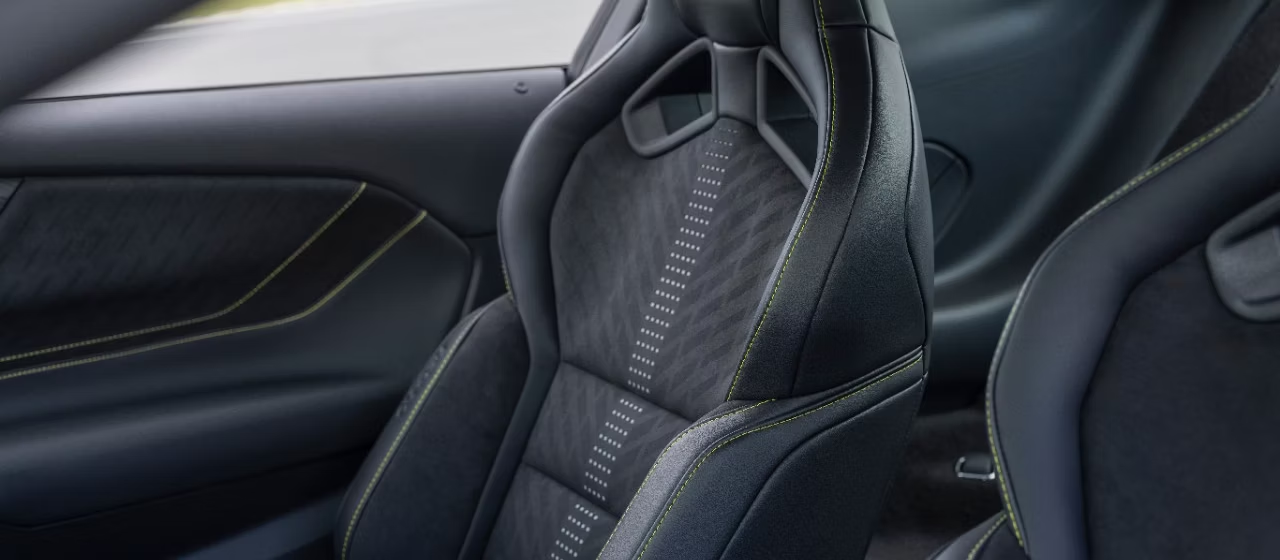
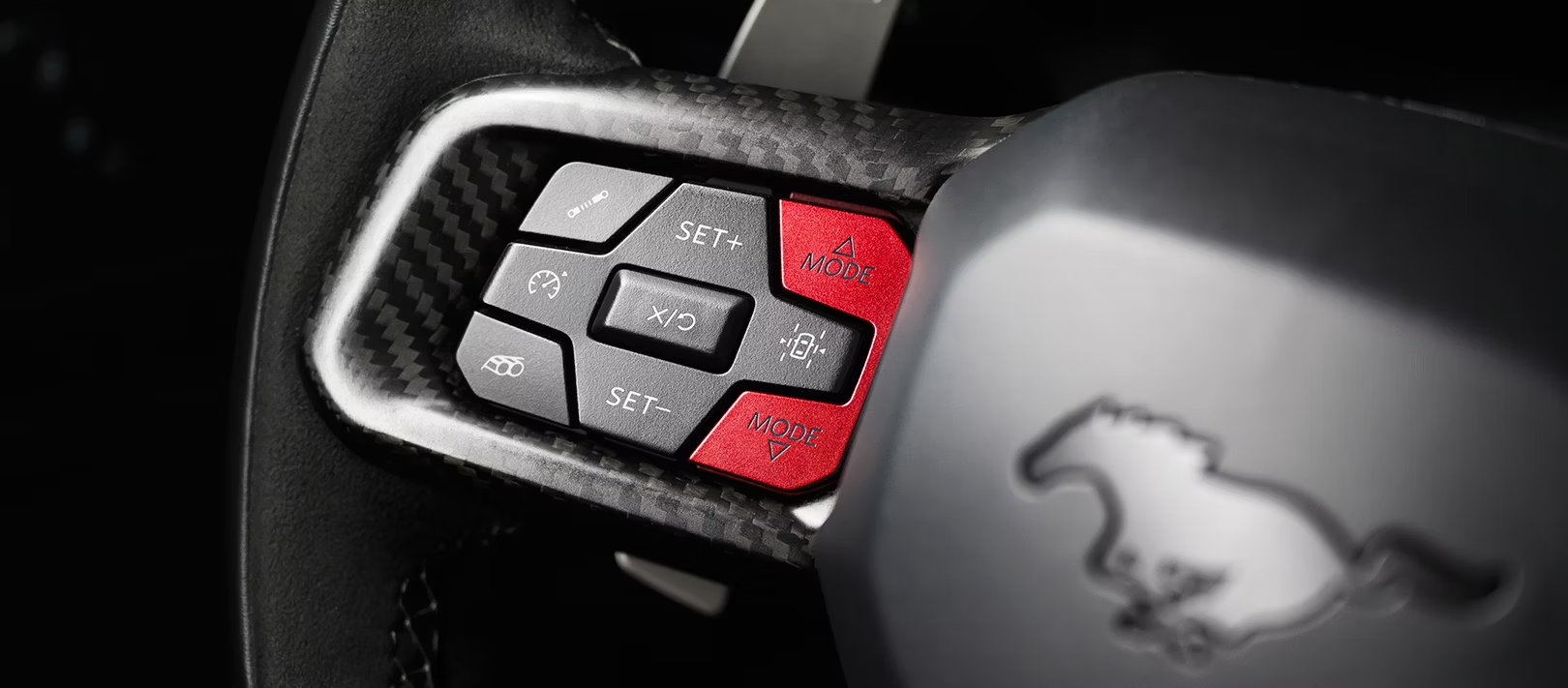
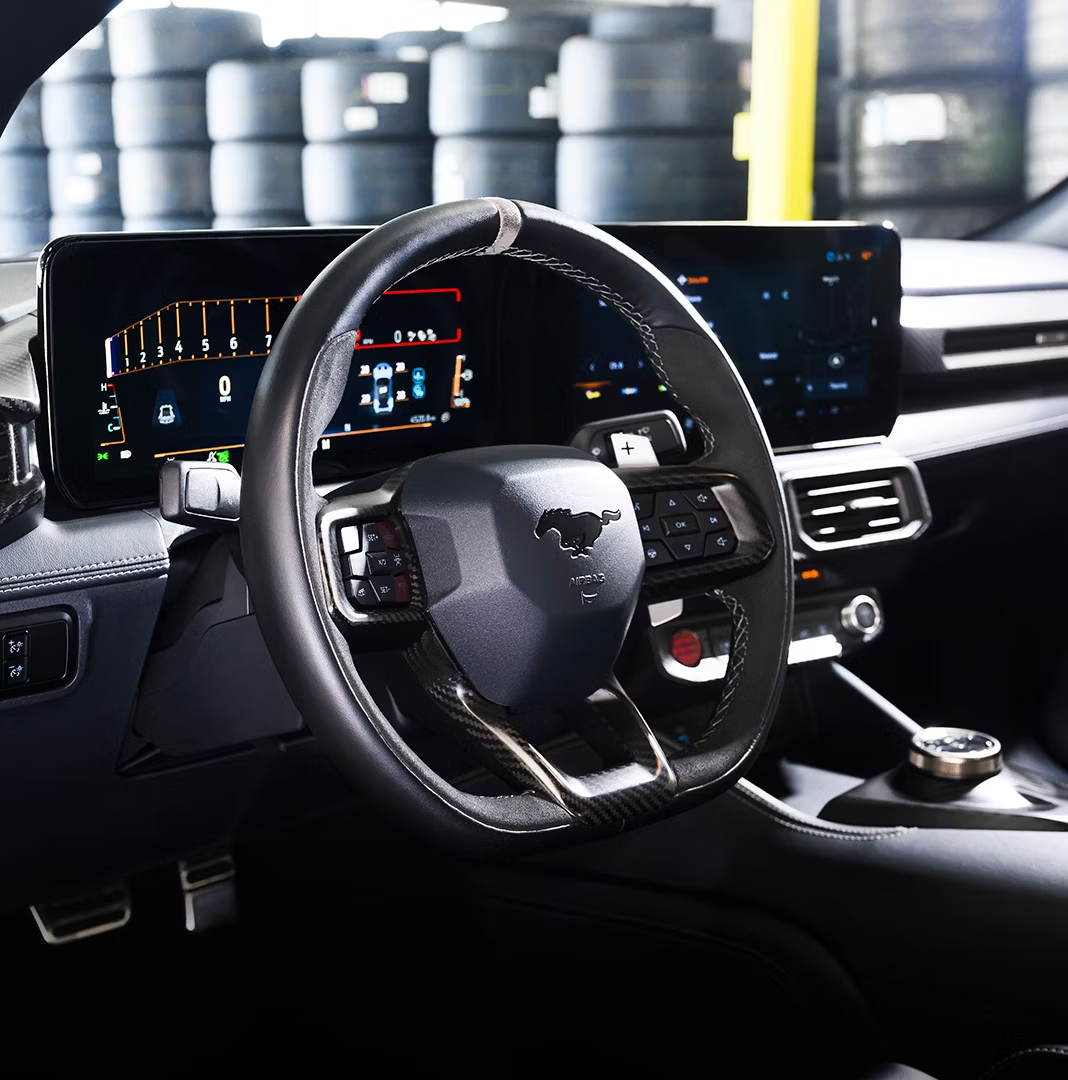
The interior matches the mission. It's stripped and purposeful rather than plush — heavily bolstered seats, exposed structure and race-grade materials in place of luxury flourishes. Ford even offers 3D-printed titanium paddle shifters, the kind of detail you normally only find on a full competition car.
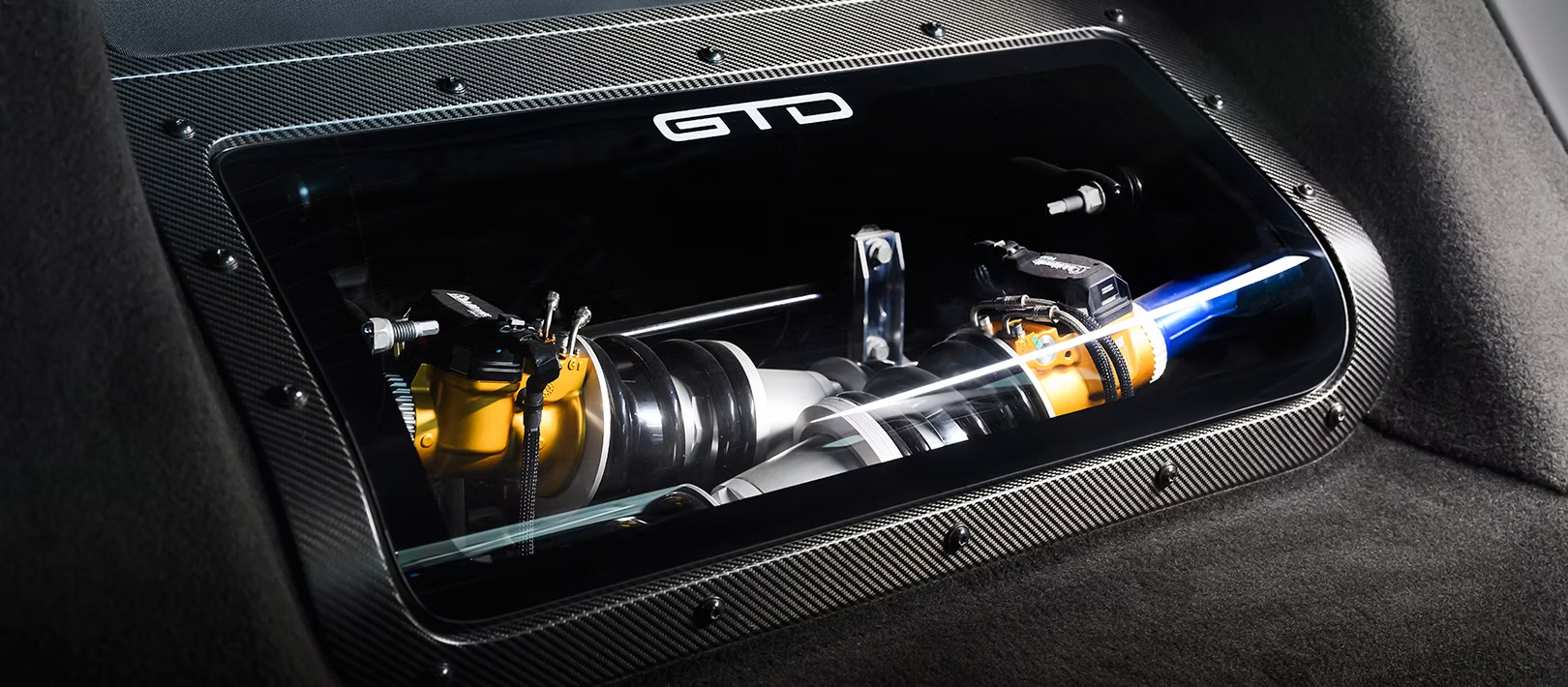
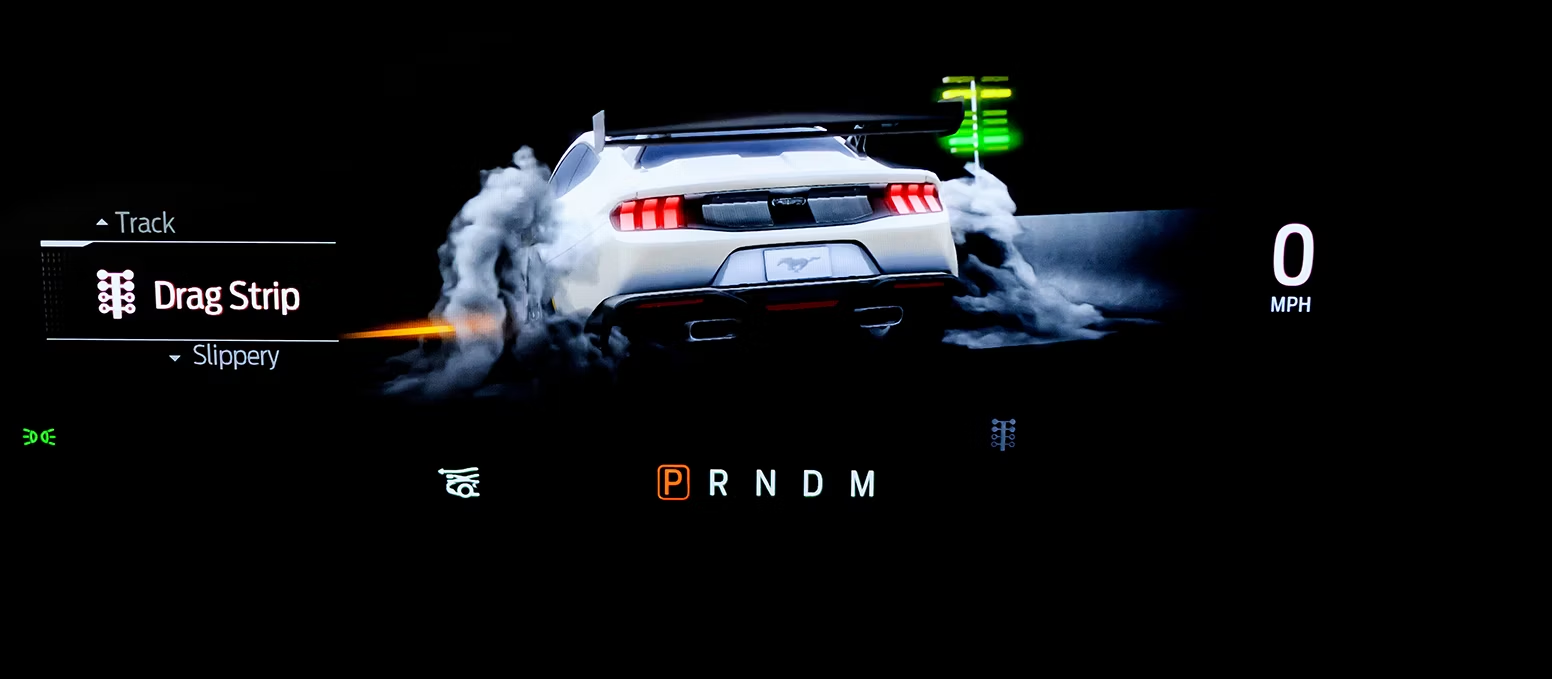
The signature touch: a small window behind the seats lets you watch the pushrod rear suspension work as you drive — a rolling reminder that this is a race car first. The digital instrument cluster reconfigures between road and track so the data that matters stays front and center.
The catch (and it's a big one)
Here's where the honesty has to kick in. At roughly $325,000, the GTD costs more than seven base Mustangs — and money alone doesn't get you one. Ford runs an application process and hand-selects buyers, so even if you have the cash, you may not be allowed to spend it. Production is strictly limited.
A GT3 car with a license plate. The price is insane — the engineering isn't.
It's also emphatically not a daily driver. This is a road-legal track weapon; the compromises that make it brilliant on a circuit (stiffness, noise, focus) are exactly what make it a poor everyday companion. That's not a flaw — it's the brief. Just go in knowing it.
Is it worth it?
For its actual buyer — yes. If you want the closest thing to a factory GT3 racer you can register and drive to a track, the GTD delivers hardware that lives up to the price tag. The engineering is the real thing, top to bottom.
For everyone else, it's a halo to admire, not a purchase to agonize over. That's why it lands at 4.5 / 5 — Legit: the car earns every technical claim it makes. It loses half a point only because the price and application-only access put it out of reach for all but a tiny few, which is the point but also a real limit.
Practical note: because the GTD is sold directly by Ford through an application, there's no dealer-lot shortcut and no aftermarket bargain — treat anything resold well above sticker with normal collector-market caution.