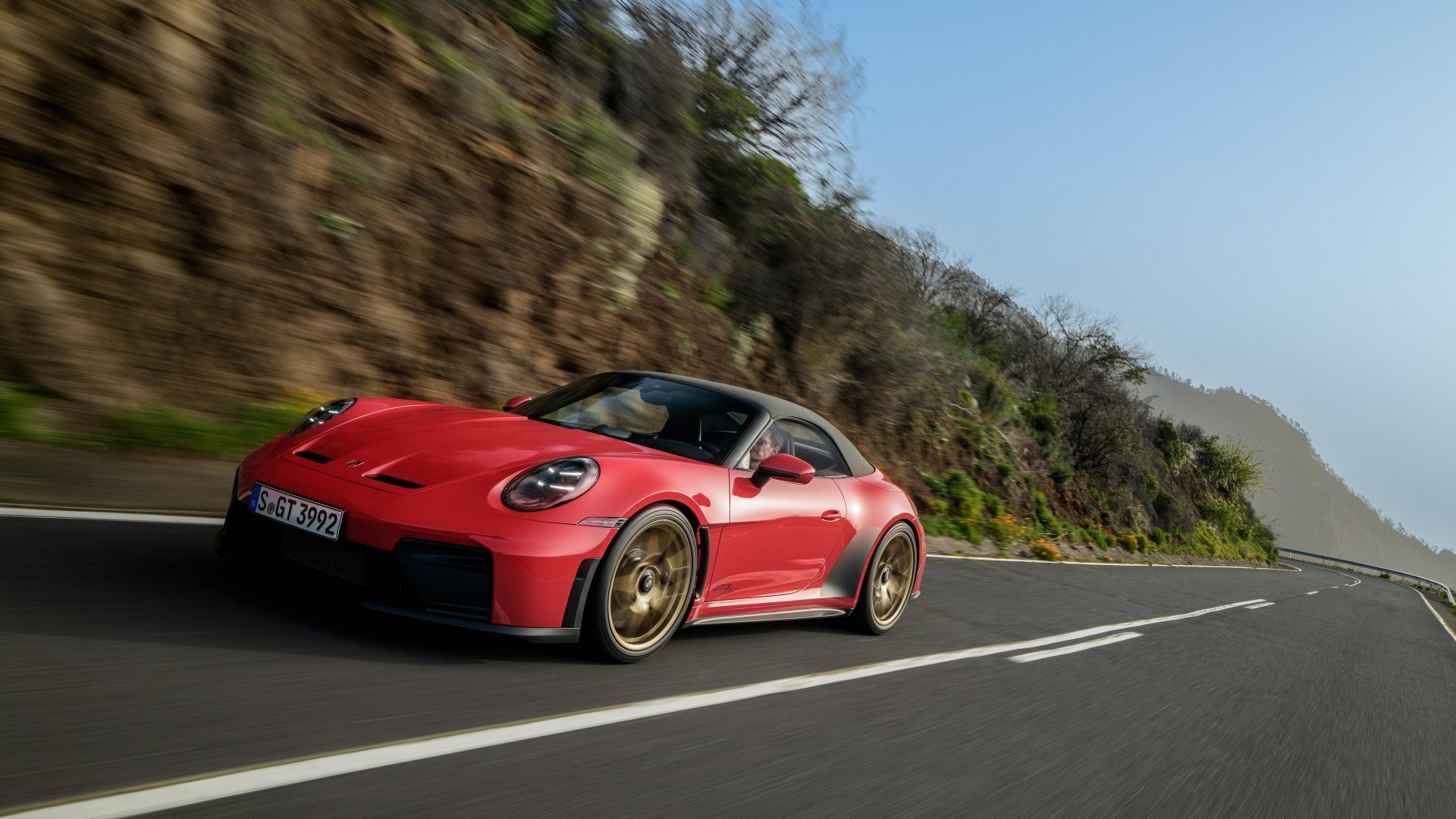
Quick take
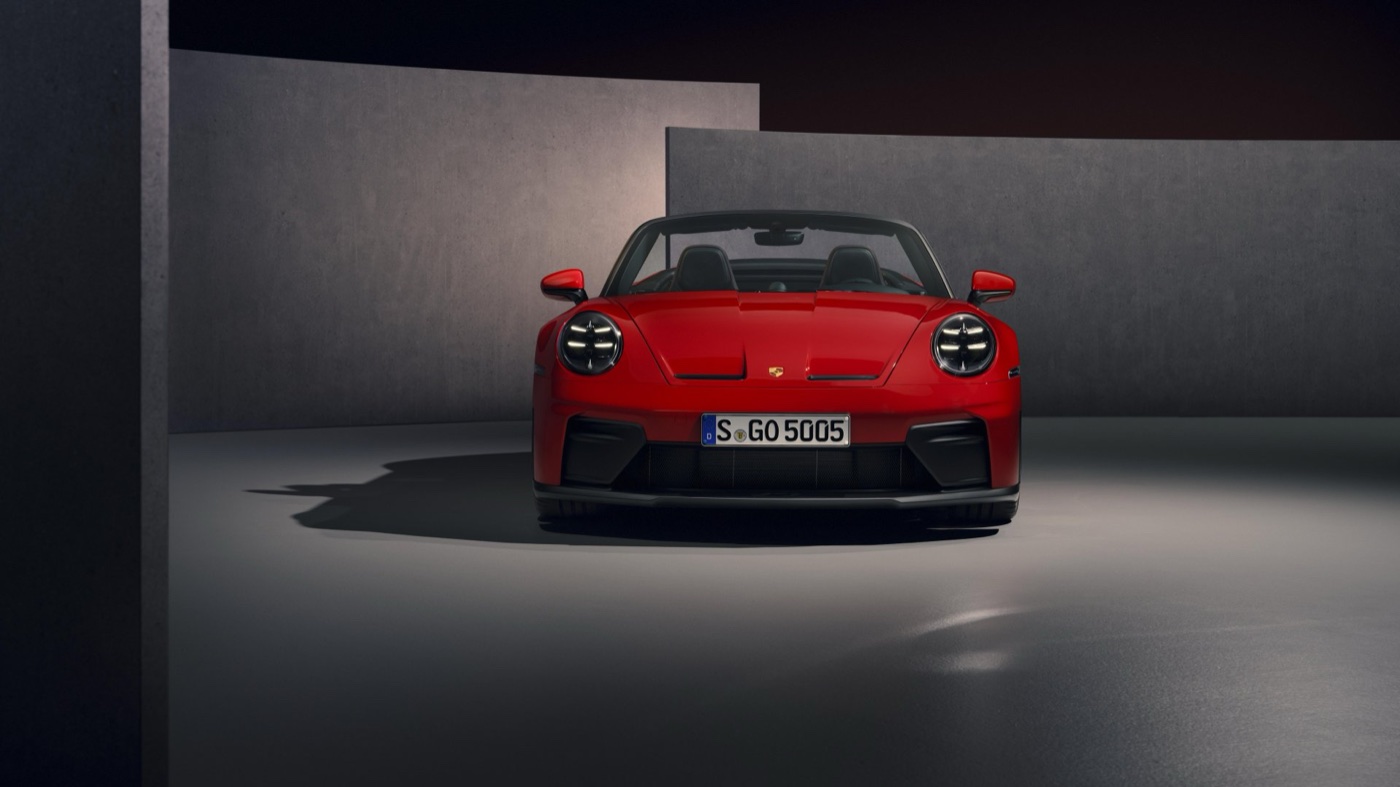
- The first open-top GT3. Porsche has never built one before — Speedsters and the S/T got close, but never a GT3 Cabriolet.
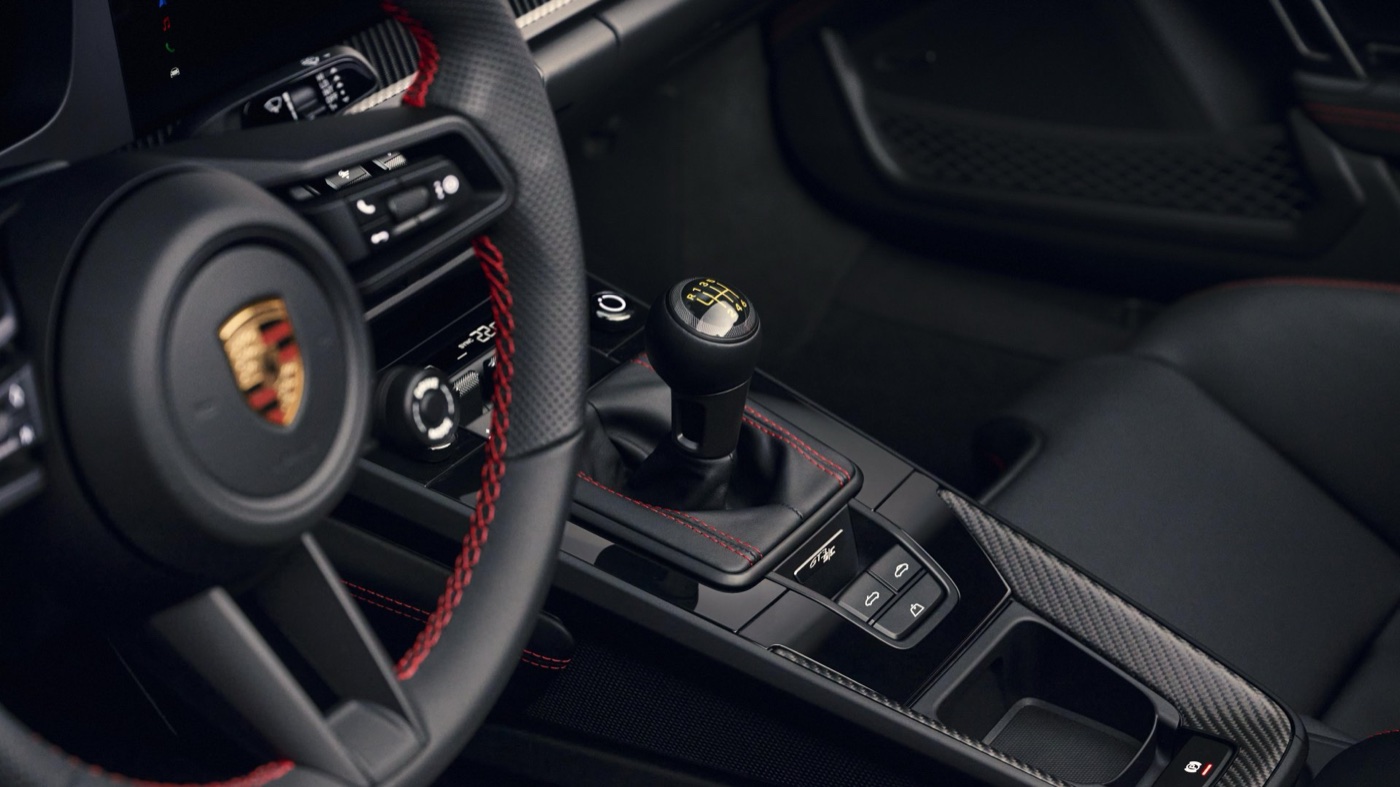
- Manual only. A six-speed GT sports transmission, rear-wheel drive, no PDK on the options list.
- Two seats, not four. Unlike every other 911 Cabriolet.
- Not limited. Porsche says the S/C is not a limited-production car, which is the genuinely surprising part.
The badge is the first clue. S/C stands for Sport Cabriolet, and Porsche last used those letters between 1978 and 1983, when they meant Super Carrera. Reviving them on the first convertible GT3 is not subtle, and it is not meant to be.
What sits underneath is the GT3 powertrain and chassis with the roof removed and the weight kept down — Porsche quotes 1,497 kg unladen to DIN, which is under the 1,500 kg line that usually separates a serious 911 from a heavy one.
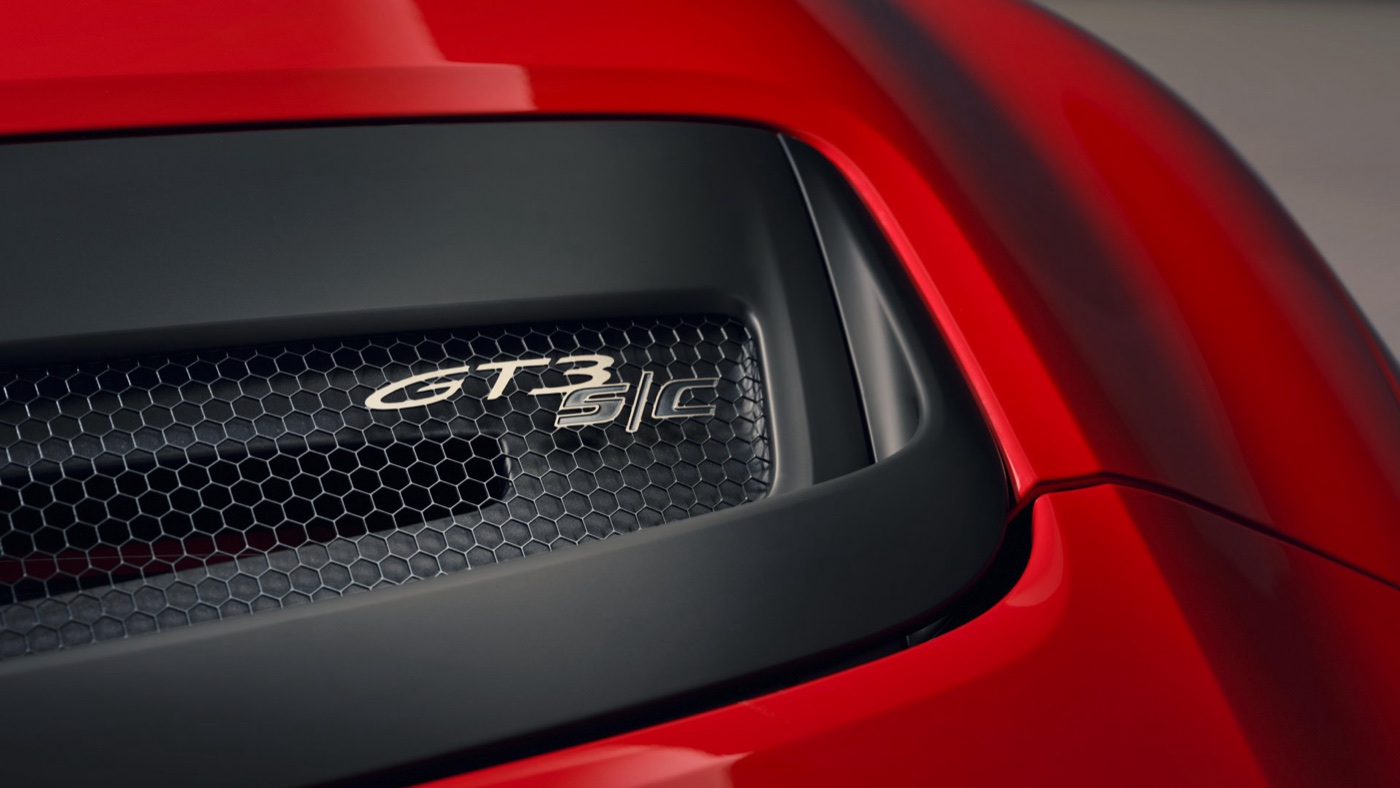
The engine is the whole argument
A 4.0-litre naturally aspirated flat-six, 3,996 cm³, making 375 kW (510 PS) at 8,500 rpm and 450 Nm at 6,250 rpm, with a 9,000 rpm maximum. Dry-sump lubrication, a 13.3:1 compression ratio, six individual throttle valves.
Those are the numbers of an engine designed before downsizing became compulsory, and the reason a roofless version exists at all. Porsche quotes 93.8 kW per litre — high for an engine with no turbocharger anywhere near it.
No PDK. That is the headline for a certain kind of buyer
The only transmission is a six-speed GT sports manual, driving the rear wheels through Porsche Torque Vectoring and a mechanical limited-slip differential with asymmetric locking — 30% under traction, 37% on overrun.
Six speeds rather than seven is a deliberate short-ratio choice. On a car that revs to 9,000, a shorter set of gears means more shifts, which is the point rather than an oversight.
The numbers, and the caveat printed on them
Porsche quotes 3.9 seconds to 100 km/h, 3.7 to 60 mph, 11.9 to 200 km/h, and a 313 km/h top speed. Brakes are 410 mm six-piston front, 390 mm four-piston rear. Tyres are 255/35 ZR20 front and 315/30 ZR21 rear. Drag coefficient 0.35.
Here is the part most coverage will drop: Porsche's own document states that all data refers to the EU model in Germany, and may vary by country. The fuel figure of 13.7 l/100 km and the 310 g/km CO₂ rating are WLTP numbers on that basis. If you are reading this in the US, they are not your car's numbers.
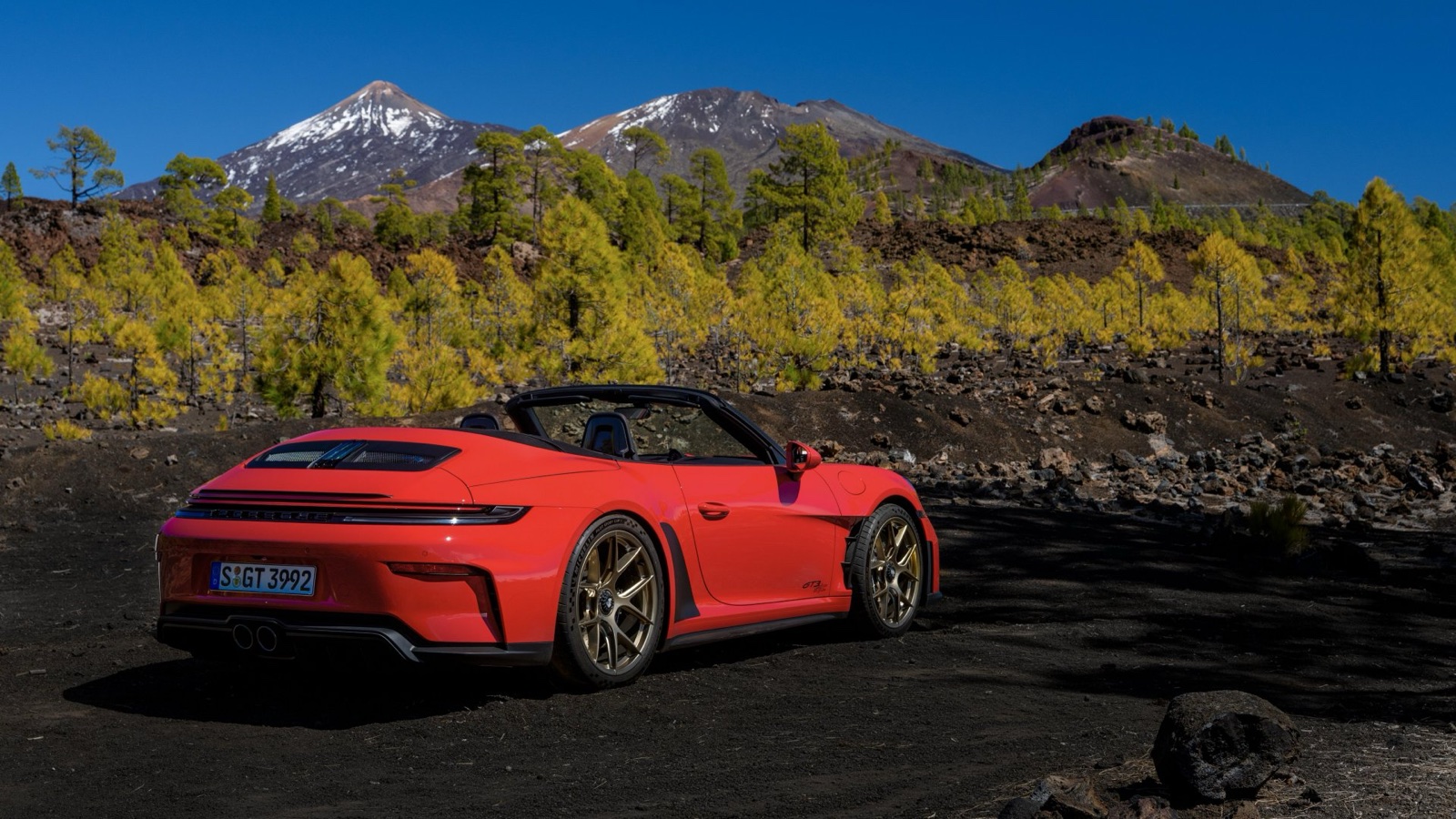
What we cannot tell you yet
Whether the shell is stiff enough without a roof to keep GT3 precision intact. What it sounds like from inside at 9,000 rpm rather than from a video. What Porsche charges in the US, and how quickly dealers add to it. And whether "not limited" survives contact with demand.
None of that is knowable from a press kit, and all of it decides whether this car is special or merely rare.
| Specification | 911 GT3 S/C (EU model) |
|---|---|
| Engine | 4.0 l naturally aspirated flat-six, 3,996 cm³ |
| Power | 375 kW / 510 PS at 8,500 rpm |
| Torque | 450 Nm at 6,250 rpm |
| Max engine speed | 9,000 rpm |
| Specific output | 93.8 kW (127.6 PS) per litre |
| Transmission | Six-speed GT sports manual, rear-wheel drive |
| 0–100 km/h | 3.9 seconds |
| 0–200 km/h | 11.9 seconds |
| Top speed | 313 km/h |
| Unladen weight (DIN) | 1,497 kg |
| Length / wheelbase | 4,570 mm / 2,457 mm |
| Front luggage | 132 litres |
| Fuel / CO₂ (WLTP, EU) | 13.7 l/100 km · 310 g/km · class G |
| US price | Not published in this press kit |
Common questions
What does S/C stand for?
Sport Cabriolet. Porsche last used the badge between 1978 and 1983, when it meant Super Carrera.
Is there a PDK version?
No. The six-speed manual is the only transmission offered.
Is it limited-production?
Porsche says it is not, which separates it from the Speedster and the S/T.
How many seats?
Two. Every other 911 Cabriolet offers rear seats; this one does not.
Are these US figures?
No. Porsche states all data refers to the EU model in Germany and may vary by country. US figures have not been published in this material.
Have you driven it?
No. This is built from Porsche's press material; no independent road test exists yet.
On paper the GT3 S/C is the least compromised version of an idea Porsche has been circling for years: the GT3 engine and chassis, a manual gearbox, and open air. The specification is not a softened GT3 — same power, same redline, roughly the same weight.
The interesting decision is commercial rather than technical. Making it unlimited, when a limited run would have sold instantly, is the choice worth watching. We will revisit this when US pricing exists and someone independent has driven it.
DopamineKart has not conducted a hands-on test drive of this vehicle; this article is a research-based breakdown, not a road test. Sources. Porsche Newsroom — 911 GT3 S/C premiere, Porsche Newsroom — images and press material, Porsche 911 GT3 S/C model page. Technical figures are taken from Porsche's own press documentation and refer to the EU (Germany) model; Porsche states they may vary by country. Photography is Porsche press material, used for editorial reporting and credited per image.
This article contains no affiliate links and no buy buttons — DopamineKart does not monetise vehicle coverage.
Corrections: email us