Quick take
- 400 kW (544 PS), rising to 490 kW (666 PS) with Launch Control overboost.
- That is 165 kW (224 PS) more than the entry Cayenne Electric, for 3.8 s to 100 km/h and 250 km/h.
- 113 kWh gross battery, shared with the rest of the electric Cayenne range, and up to 400 kW DC.
- 10–80 per cent in under 16 minutes at a suitable charger — the figure that matters on a long drive.
- Turbo-only options are now available: PCCB ceramic brakes, Porsche Active Ride, PTV Plus, Sport Chrono and Push-to-Pass.
Where it sits, and what the extra 165 kW buys
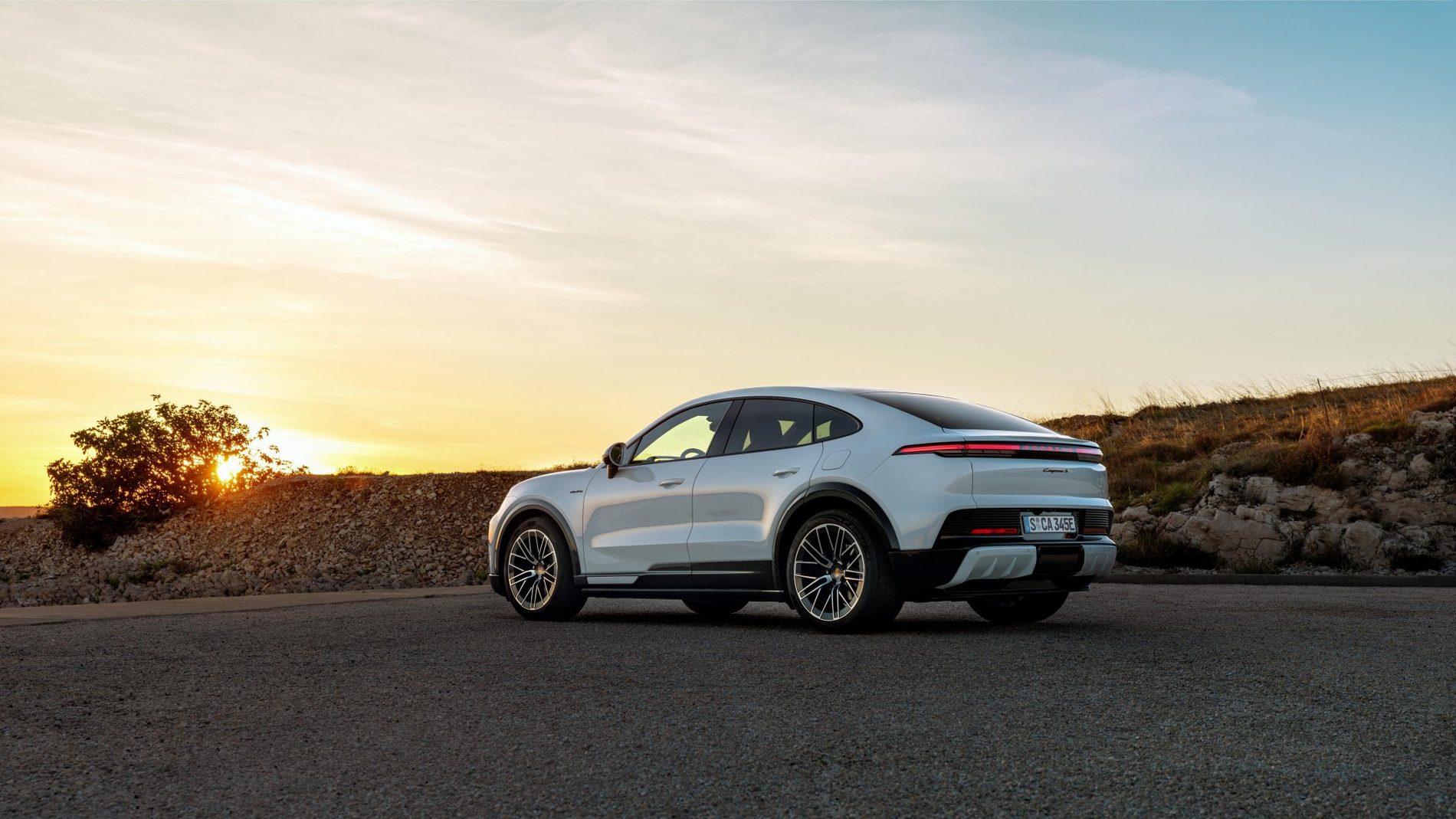
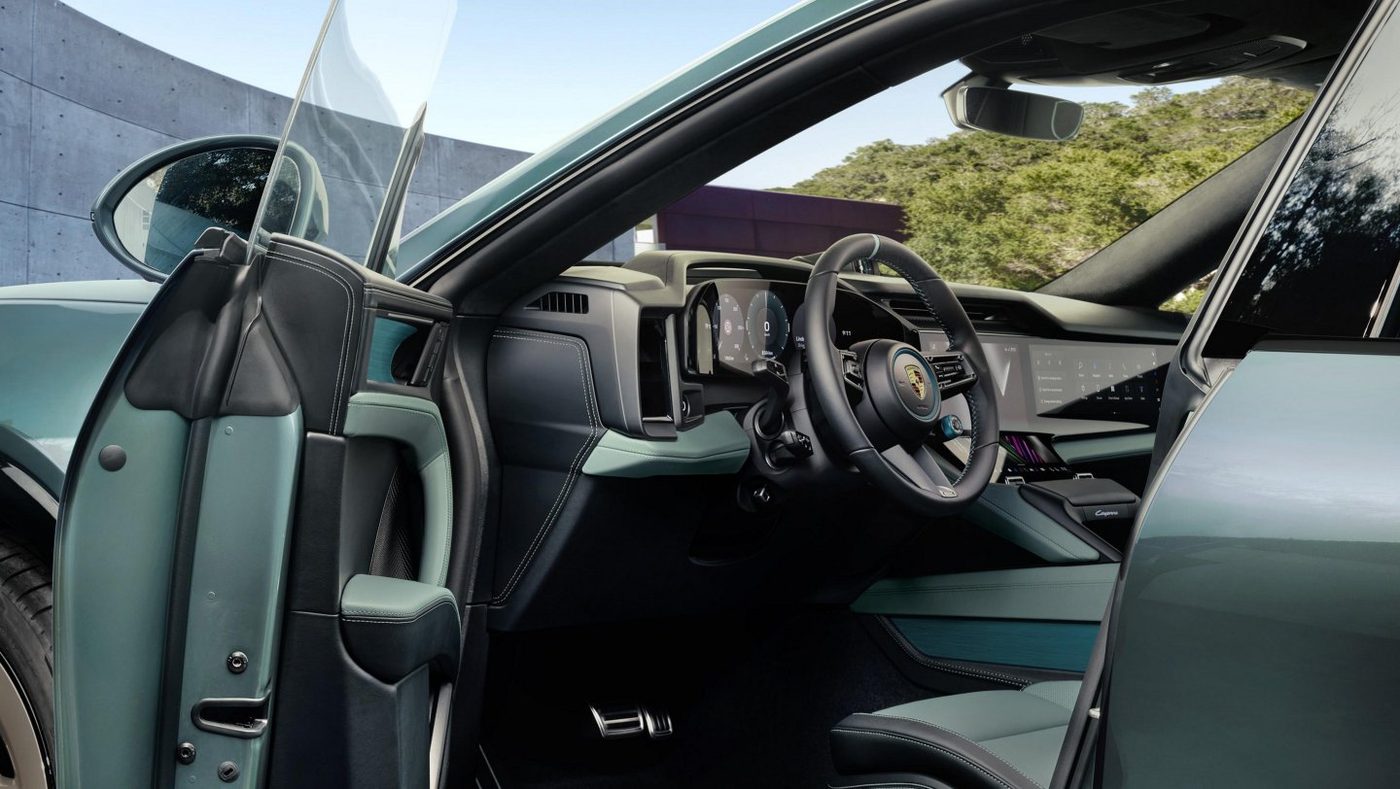
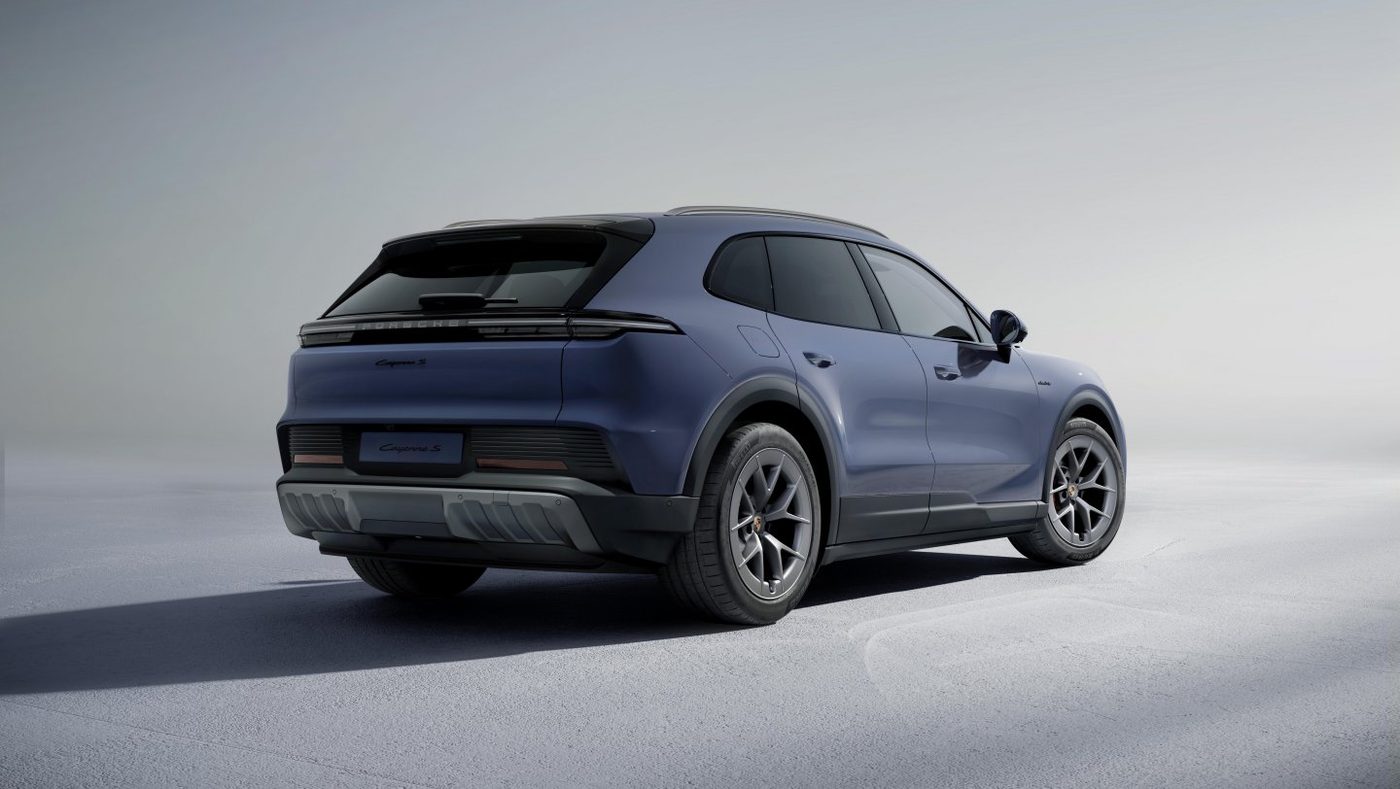
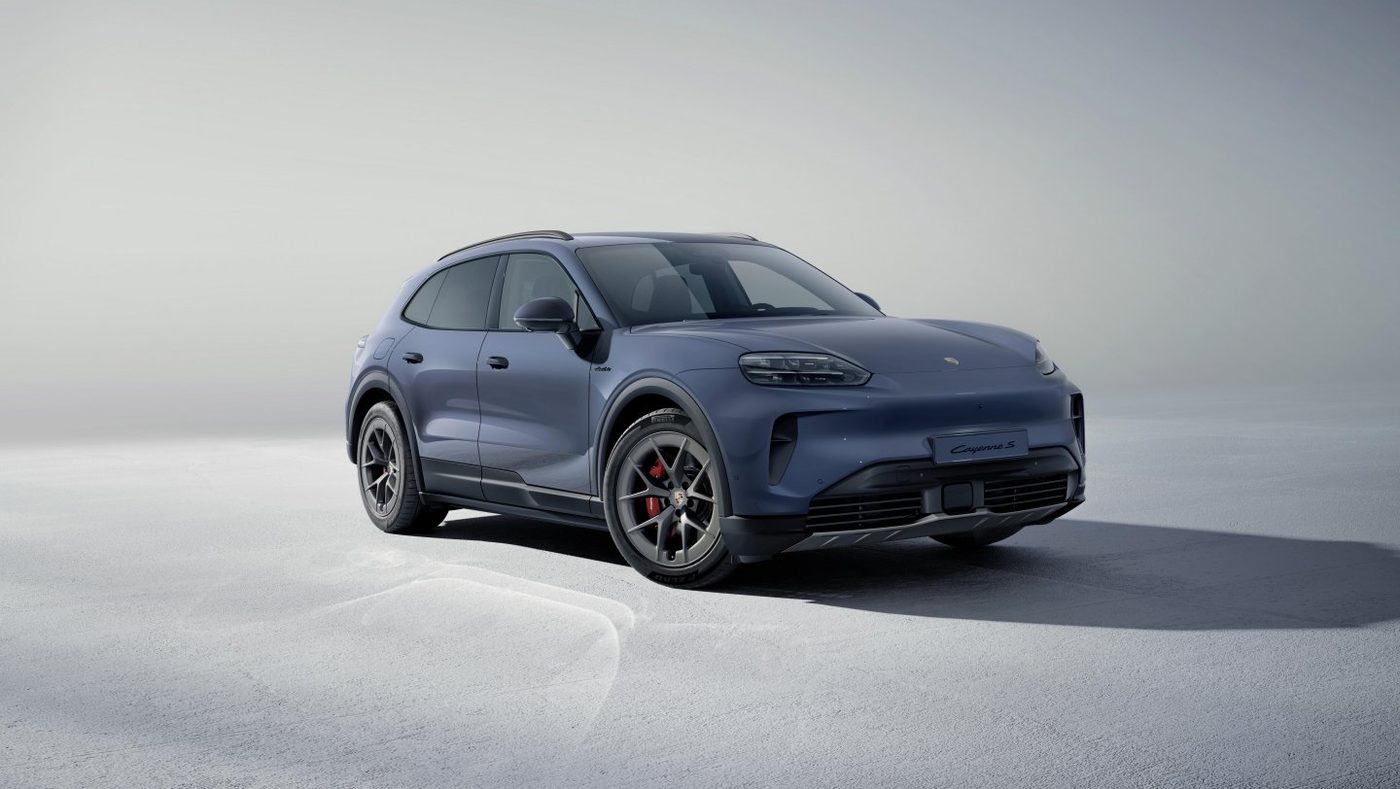
The S slots between the base Cayenne Electric and the Turbo, and Porsche is unusually direct about the gap: an additional 165 kW (224 PS) over the entry model, plus sharpened front and rear aprons in Volcano Grey Metallic and 20-inch Cayenne S Aero wheels.
The more interesting part of the positioning is the options list. PCCB ceramic brakes, Porsche Active Ride, Porsche Torque Vectoring Plus, the Sport Chrono Package and Push-to-Pass were previously reserved for the Turbo. A buyer who wants the Turbo hardware without the Turbo output now has a route to it, which is a more meaningful change than the power figure.
Charging is the headline, not the power
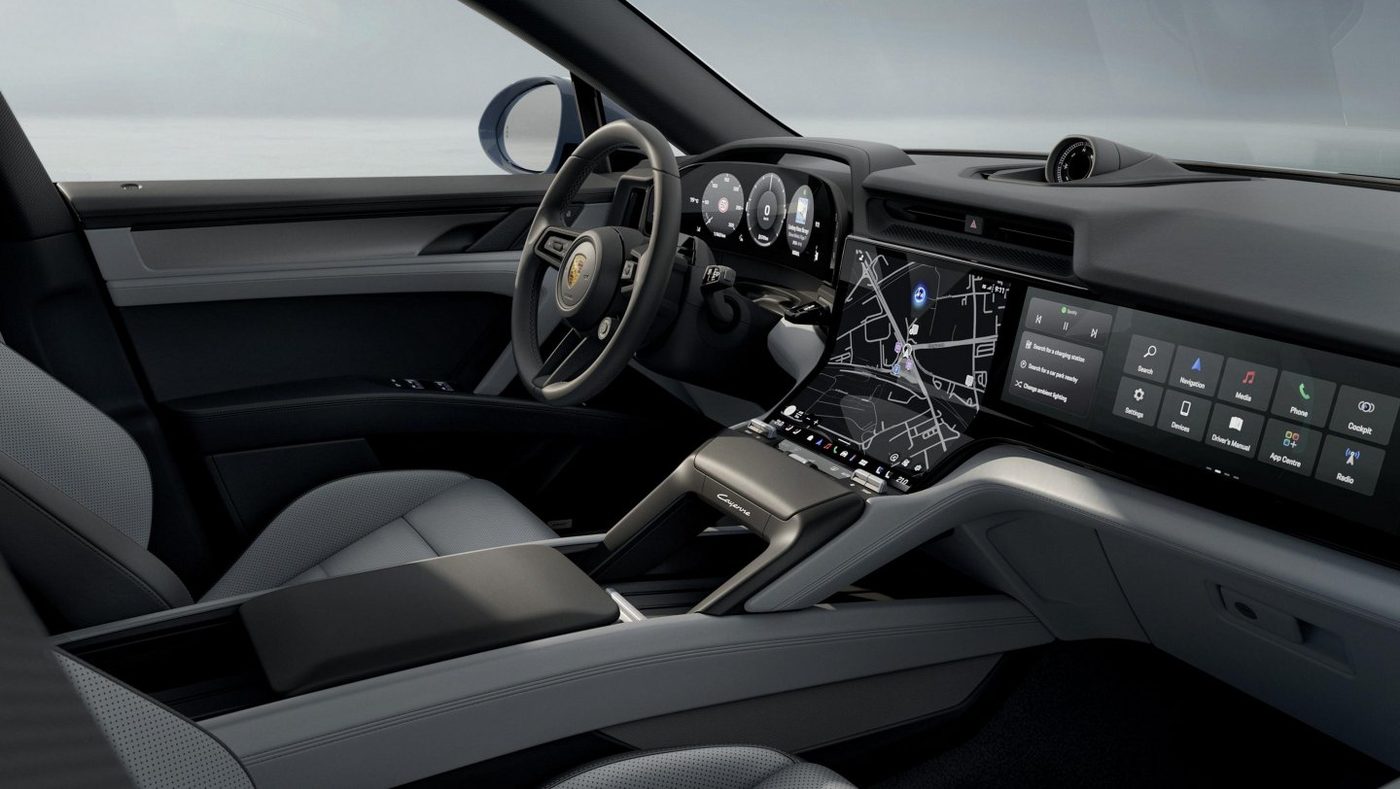
The battery is 113 kWh gross, shared across the electric Cayenne line, and takes up to 400 kW at a suitable fast charger. Porsche quotes 10 to 80 per cent in under sixteen minutes.
That is the number that changes how the car is used. Sixteen minutes is roughly the length of a coffee stop, which means a long journey stops being planned around charging and starts being planned around when you would have stopped anyway. Worth the usual caution: peak rates need a charger capable of delivering them and a battery in the right temperature window, so real sessions vary.
The engineering Porsche leads with, and why it matters
Two details stand out, and both are about sustained performance rather than a headline number. The rear motor uses <em>direct oil cooling</em>, where heat is taken away from the current-carrying components themselves rather than from the outside of the motor. And the rear pulse inverter uses silicon carbide as its semiconductor, handling currents up to 620 amps.
The practical consequence is repeatability. Plenty of fast electric cars deliver one enormous launch and then reduce output as heat builds. Cooling the windings directly, and using a semiconductor that runs efficiently at high current, is how you get the same performance on the third run as the first. Porsche also fits a Track mode that pre-conditions the battery, which is the same problem approached from the other side.
What a press release cannot tell you
Everything above is Porsche describing its own car, so here is what remains open.
Whether that under-sixteen-minute charge holds up at a real roadside charger in winter, which is where every manufacturer's figure degrades. What 653 km of WLTP range translates to at motorway speed in cold weather — the honest answer is always meaningfully less, and how much less is the question. Whether Porsche Active Ride is worth its cost over the standard adaptive air suspension, which no specification can settle. And whether the S feels like a Turbo with less power or like a base car with more, because those are different cars to live with.
None of that is knowable from a press kit.
| Specification | Porsche figure |
|---|---|
| Power | 400 kW / 544 PS |
| Overboost with Launch Control | 490 kW / 666 PS |
| Push-to-Pass (optional) | Up to 90 kW / 122 PS extra for 10 seconds |
| 0–100 km/h | 3.8 s |
| Top speed | 250 km/h |
| Motors | Permanent magnet synchronous, one per axle |
| Rear motor cooling | Direct oil cooling |
| Rear inverter | Silicon carbide, up to 620 A |
| Battery (gross) | 113 kWh |
| Range (WLTP) | Up to 653 km |
| Consumption (WLTP) | 21.6–19.5 kWh/100 km |
| CO₂ (WLTP) | 0 g/km, class A |
| DC charging | Up to 400 kW; 10–80% in under 16 minutes |
| Wheels | 20-inch Cayenne S Aero |
| Optional | PCCB, Porsche Active Ride, PTV Plus, Sport Chrono, Push-to-Pass, Track mode |
| Exterior colours | Thirteen available |
| US price | Not published in this press material |
Common questions
How much quicker is the S than the base Cayenne Electric?
It has 165 kW (224 PS) more, giving 3.8 seconds to 100 km/h against the base car's 4.8, and 250 km/h against 230.
Is the battery bigger than the standard car's?
No — 113 kWh gross is shared across the electric Cayenne range. The S is quicker, not longer-legged; its WLTP range is up to 653 km.
How fast does it actually charge?
Porsche quotes up to 400 kW and 10–80 per cent in under 16 minutes, at a suitable charger and in the right conditions.
What is Push-to-Pass?
An optional function giving up to 90 kW (122 PS) of extra power for 10 seconds.
Can you get Turbo options on the S?
Yes — PCCB ceramic brakes, Porsche Active Ride, PTV Plus and the Sport Chrono Package are now available on the S, having previously been Turbo-only.
Have you driven it?
No. It is available to order, but nobody here has driven one and no independent test exists.
On Porsche's own numbers the S is the sensible point in the range — most of the Turbo's capability, all of its available hardware, and the same battery and charging. The Turbo's extra output is the kind you use for a few seconds at a time; the S's cooling and charging are things you use on every long drive.
What is unresolved is everything experiential: cold-weather range, real charging behaviour, and whether Active Ride justifies itself. We will revisit when US figures exist and someone independent has driven one.
DopamineKart has not conducted a hands-on test drive of this vehicle; this article is a research-based breakdown, not a road test. Sources. Porsche Newsroom — Porsche expands all-electric SUV model lineup with the Cayenne S, Porsche Newsroom — Cayenne Electric. Technical figures are Porsche's own published data; range, consumption and CO₂ are WLTP and are not comparable with US EPA figures. Charging times depend on the station and conditions. Photography is Porsche press material, used for editorial reporting and credited per image. No affiliate links appear on this page.
This article contains no affiliate links and no buy buttons — DopamineKart does not monetise vehicle coverage.
Corrections: email us