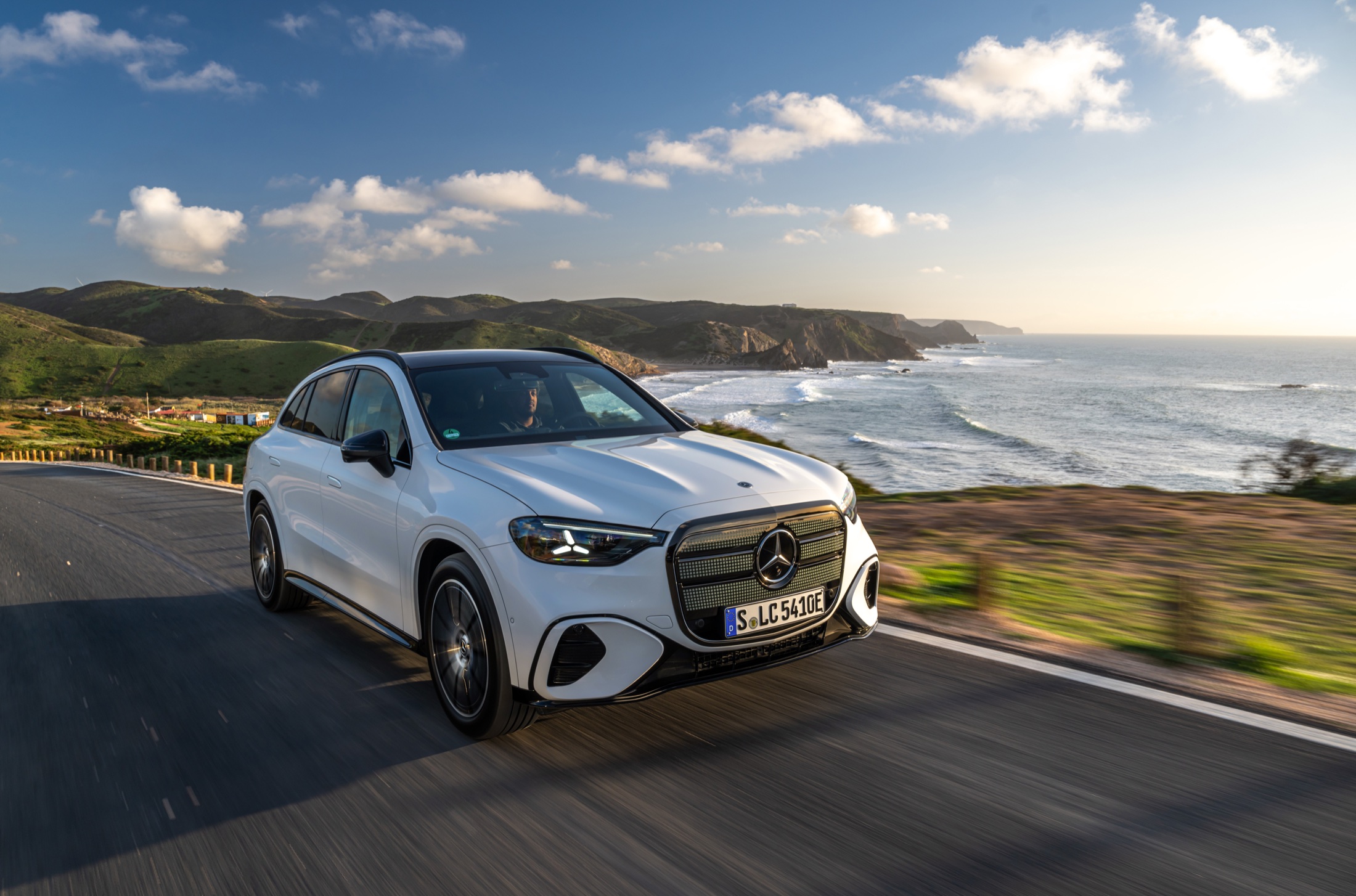
Quick take
- The real engineering: an 800-volt architecture with a 330 kW DC peak, and a two-speed transmission on the rear drive unit — uncommon in this class.
- Genuinely new: the first series-production car on the MB.EA-M platform, not an electric conversion of a combustion car.
- The screen everyone photographs: a 39.1-inch MBUX Hyperscreen — which is optional.
- The catch: no US price, no EPA range, and no independent road test. This is a specification, not a verdict.
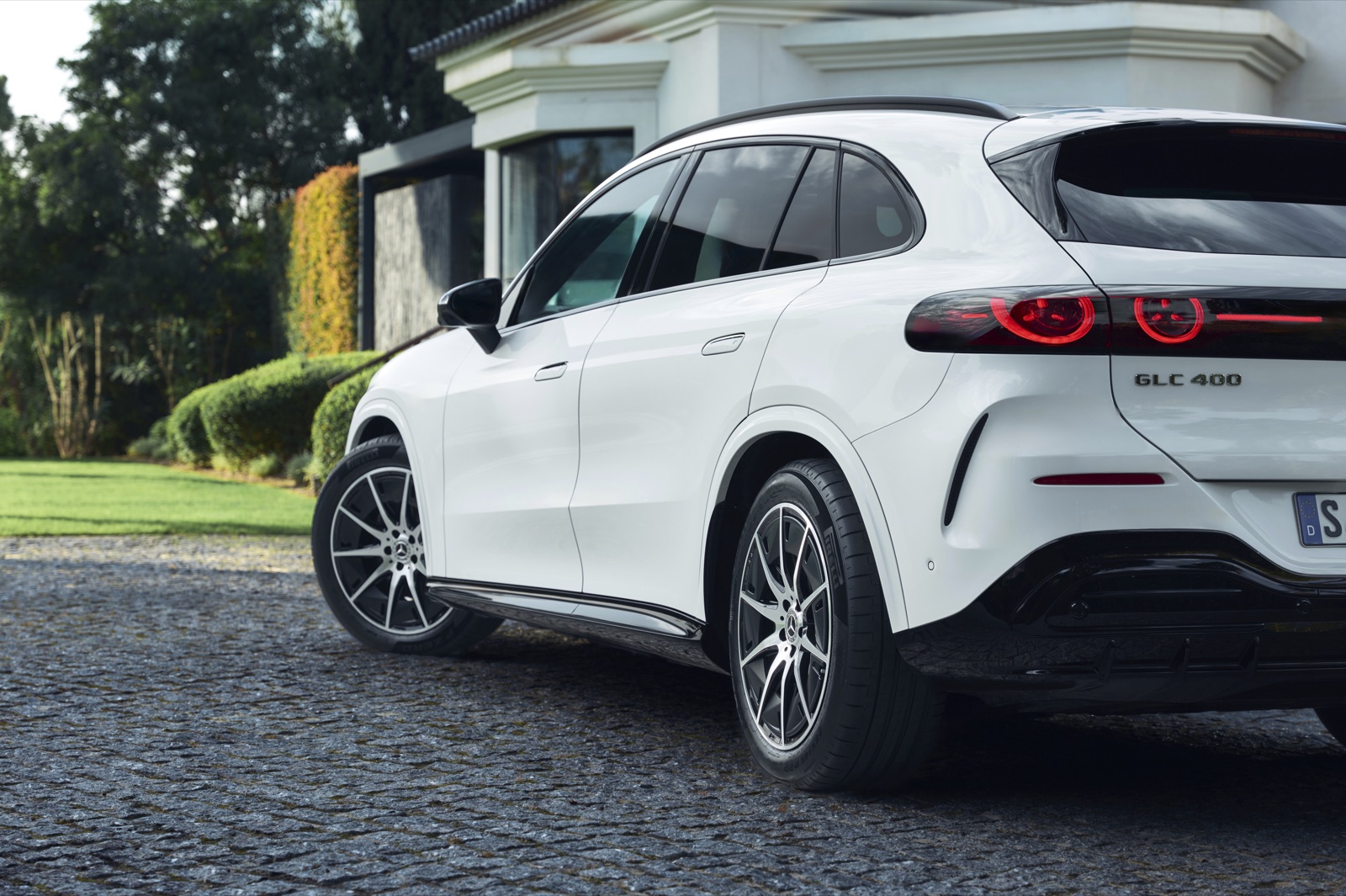
Mercedes gave the all-new electric GLC its world premiere at IAA Mobility in Munich on 7 September 2025. It is the first series-production car on the MB.EA-M platform, and the first to wear the next phase of the design language the company calls Sensual Purity. What it has not been given is a US price — which is why this piece stops short of telling you whether to buy one.
The platform is the story, not the screen
The specification that matters most is the least photogenic. The GLC runs an 800-volt architecture with a peak DC charging rate Mercedes gives as 330 kW, and a 10–80% charge quoted at 22 minutes. Alongside it, Mercedes describes a two-speed transmission on the rear drive unit, which it says serves both efficiency and performance while cutting charging times.
The battery is quoted at 94 kWh net, with range up to 713 km WLTP. Two cautions on that number, because both get dropped in most coverage. WLTP is a European cycle and reads consistently higher than the EPA figures a US buyer will eventually see — treat 713 km as a ceiling under a specific test, not a road expectation. And charging curves are rarely flat: a 22-minute claim describes favourable conditions, not every session at every charger.
Outside: the grille is a lamp now
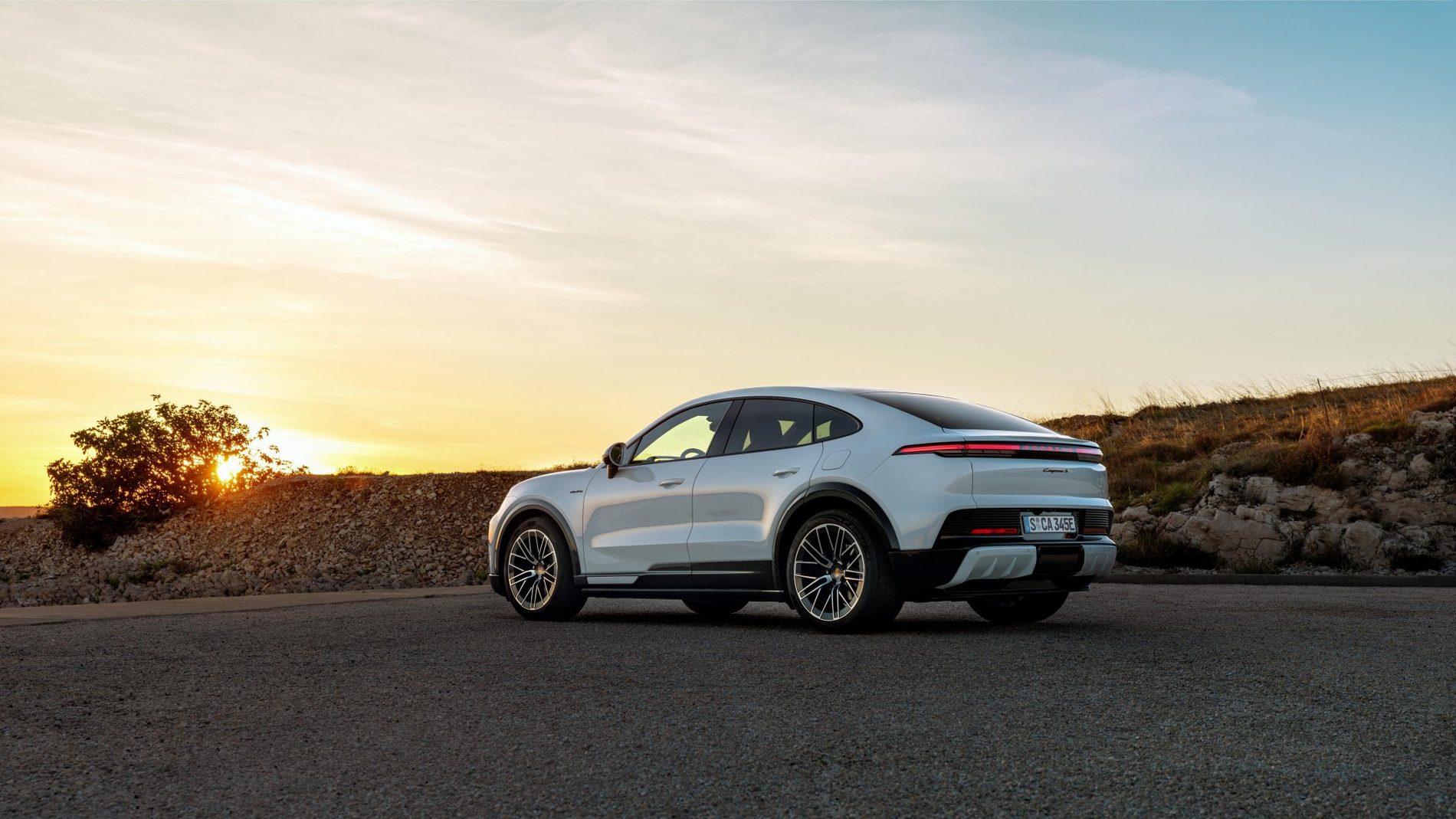
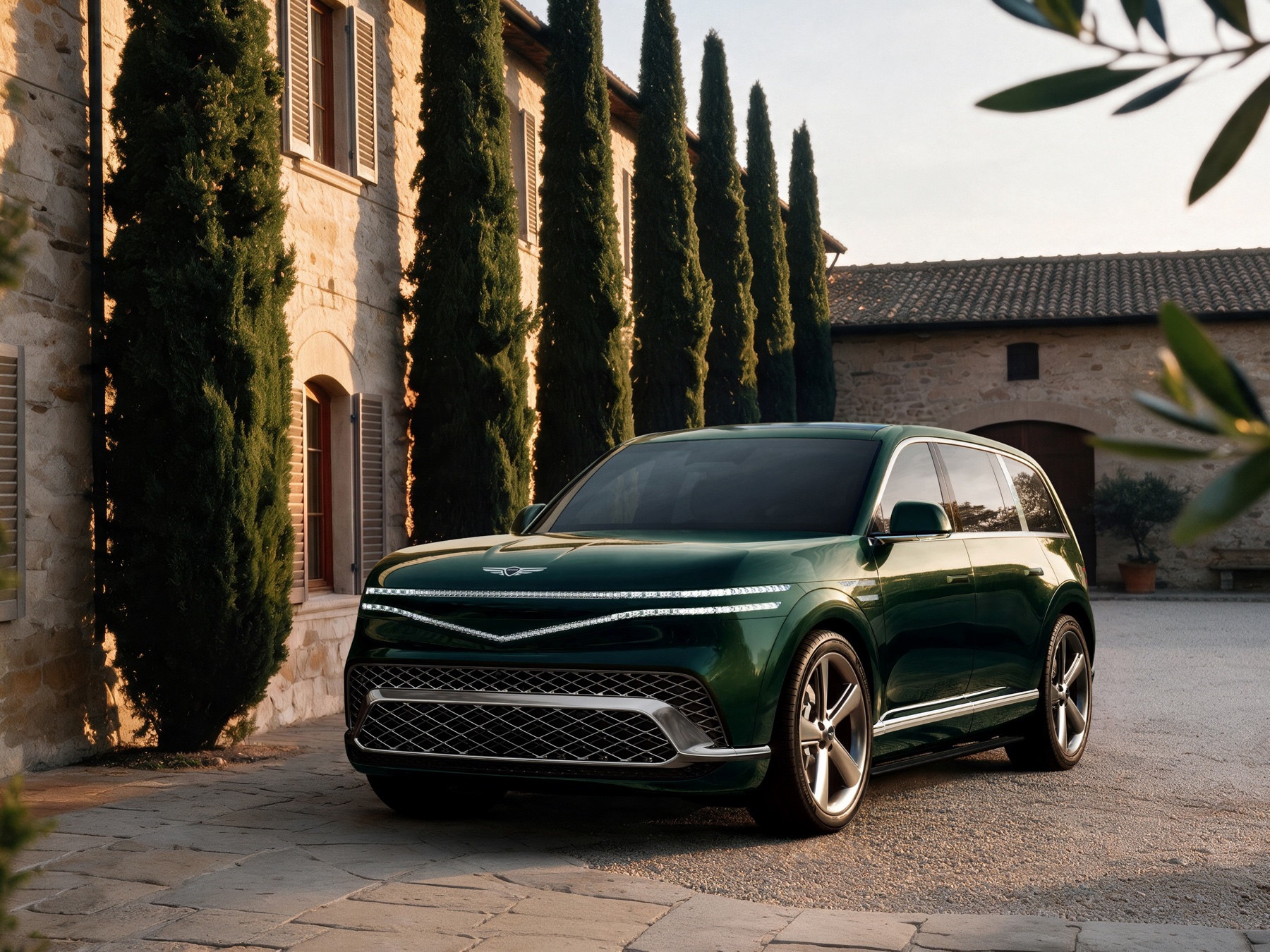
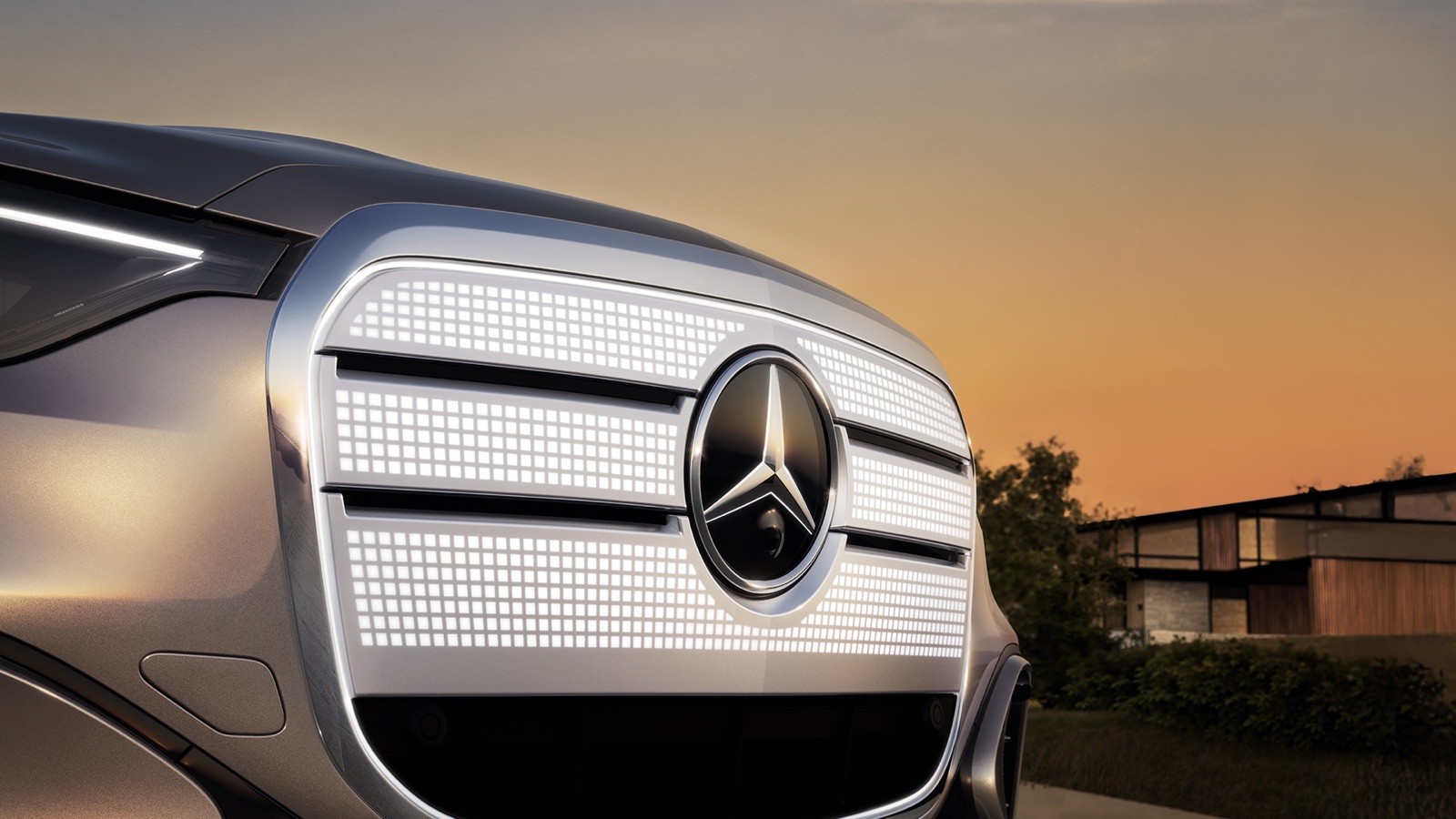
The front end is the part everyone will argue about, and taste is one of the few things a photograph can actually settle. What it cannot tell you is how the grille behaves at night, in rain, or in the mirror of the car ahead — and rules on illuminated front surfaces differ by market, so the US car may not match the show car.
Inside: 39.1 inches, with a caveat
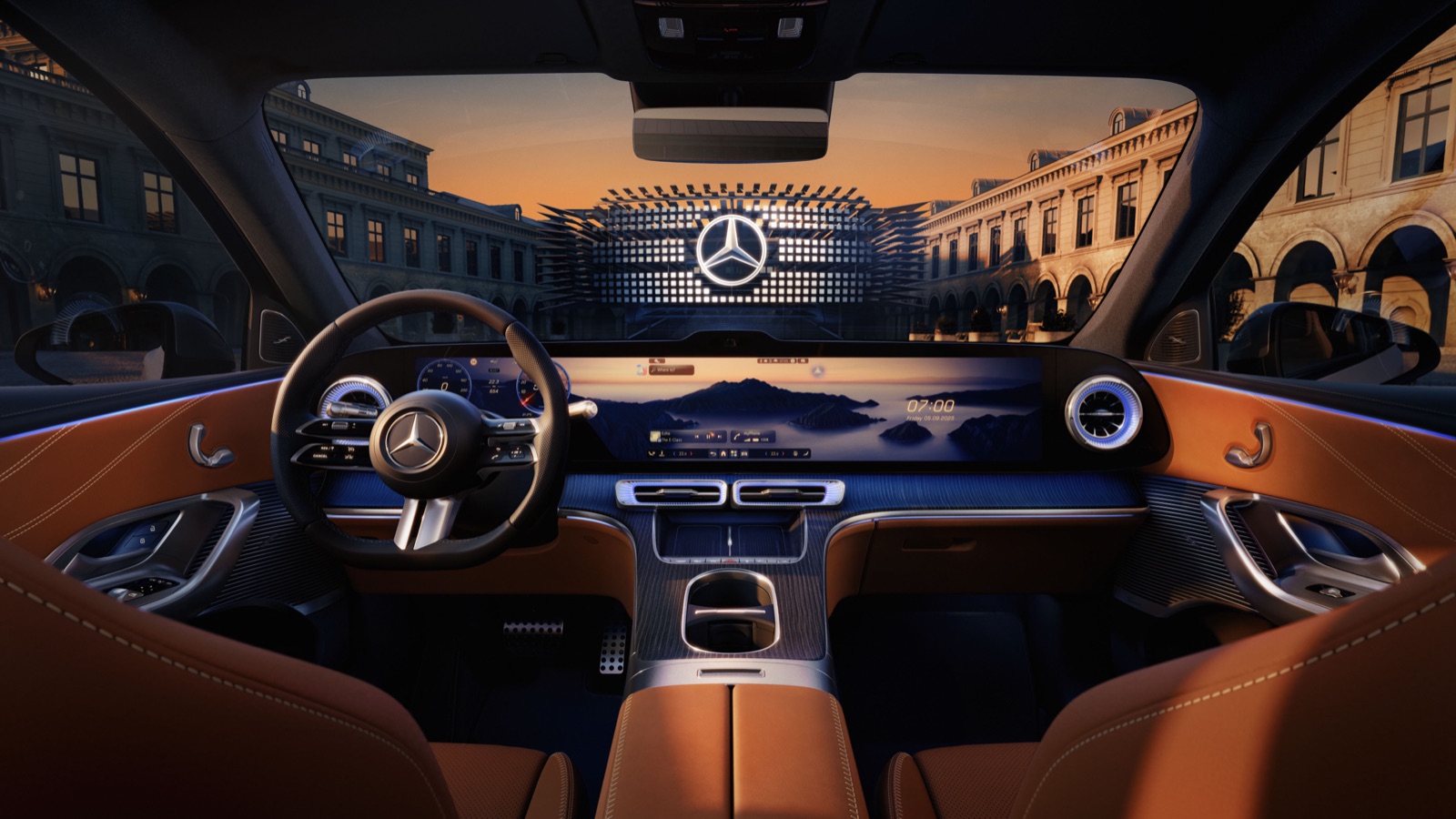
The optional MBUX Hyperscreen spans 39.1 inches pillar to pillar, which Mercedes says is the largest continuous screen it has fitted. It runs MB.OS, with matrix backlighting for contrast.
It is optional. Coverage that shows the Hyperscreen and then discusses "the GLC interior" as one thing is describing a single configuration. The standard car has a different dashboard, and until US trim walks are published we cannot tell you which one you would get. A 39-inch screen is also the kind of feature that demos brilliantly and divides people over years of ownership — and nobody has had years with this one.
Size, and the number worth noticing
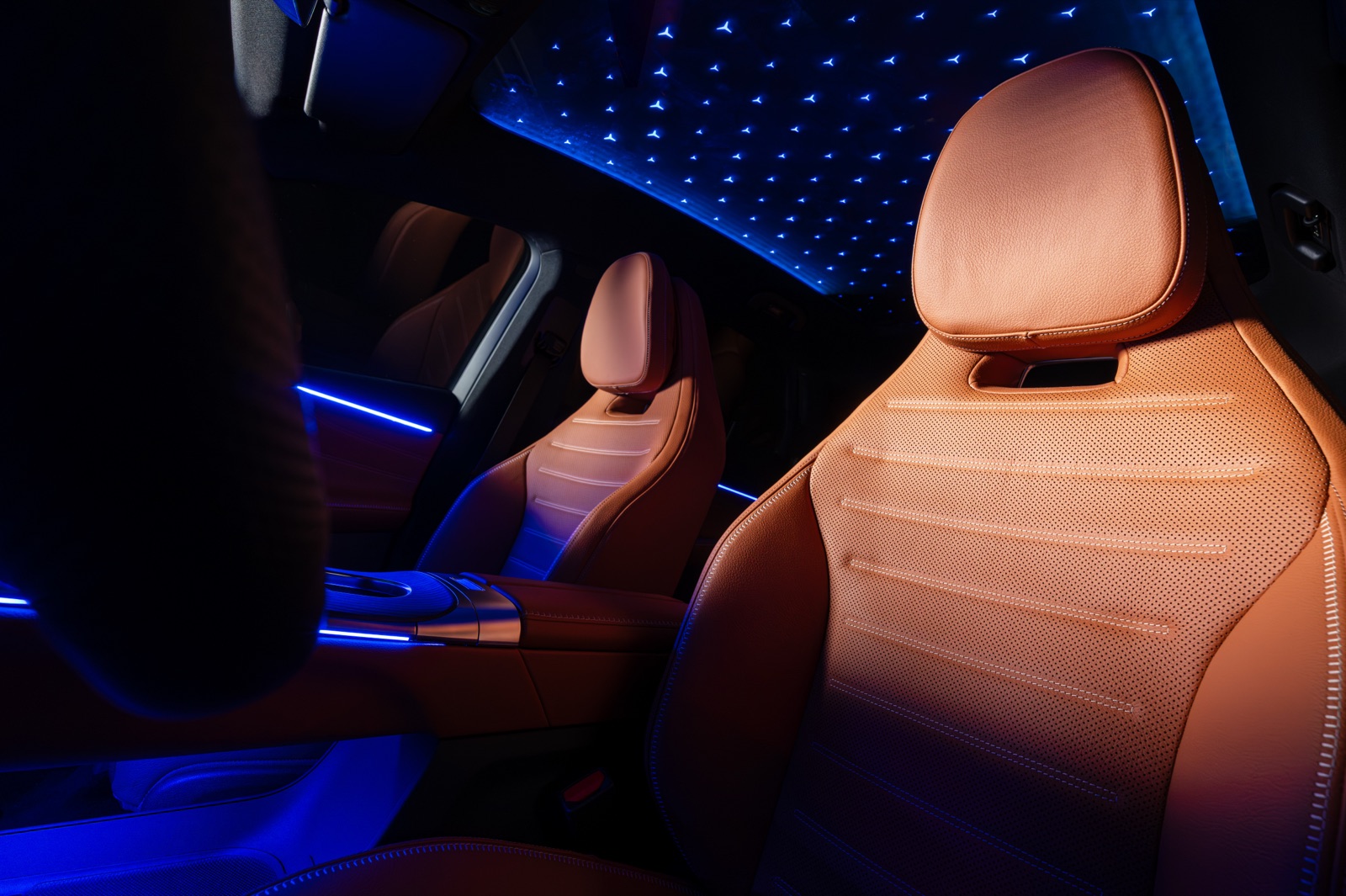
At 4.85 m long on a 2.97 m wheelbase, with 570 litres expanding to 1,740 with the seats down, the GLC is competitive rather than remarkable on paper. The figure worth noticing is the 128-litre frunk. On an electric SUV that is where the charging cables live, and its absence is a daily irritation on cars that lack one. It is the kind of detail that matters more in year two than any acceleration figure.
The catch — and it is the whole catch
Mercedes has published no US MSRP. We are not estimating one, converting a European figure, or repeating a rumour, because any of those would be the least reliable thing on this page and the one most likely to be quoted back at us.
Nor is there an EPA range figure, a US trim walk, or a single independent road test. Ride quality, seat comfort over distance, real-world consumption, wind and road noise, how MB.OS behaves after a year of updates, how the illuminated grille ages — none of that is knowable from a press release, and every one of them matters more to living with a car than anything above.
| Specification | GLC 400 4MATIC |
|---|---|
| Battery (net) | 94 kWh |
| Range | Up to 713 km WLTP — no EPA figure |
| Architecture | 800 V, 330 kW DC peak |
| Charge 10–80% | 22 minutes (quoted) |
| Power | 360 kW, dual motor |
| 0–100 km/h | 4.3 seconds |
| Length / wheelbase | 4.85 m / 2.97 m |
| Boot / seats folded | 570 L / 1,740 L |
| Frunk | 128 L |
| US price | Not published |
Common questions
How much does the electric GLC cost in the US?
Mercedes has not published a US MSRP. Any figure you see today is an estimate or a currency conversion, not a price.
Is the 713 km range figure realistic?
It is a WLTP number — a European test cycle that reads higher than the US EPA equivalent. No EPA figure has been published. Treat it as a test ceiling.
Does it really charge 10–80% in 22 minutes?
That is Mercedes' quoted figure on an 800-volt architecture. Real sessions depend on charger output, battery temperature and state of charge. No independent test exists yet.
Is the big screen standard?
No. The 39.1-inch MBUX Hyperscreen is optional, and most press photography shows it fitted.
Have you driven it?
No. Nobody at DopamineKart has driven, sat in or measured this car.
On paper this is a serious piece of engineering: 800 volts, a two-speed rear axle, a large usable battery, a fast quoted charge, and a genuinely new platform underneath rather than an electric conversion. The open questions are the ordinary ones — what it costs, what the EPA says, and whether it drives as well as it specifies. We will update this when Mercedes publishes US pricing and when independent road tests exist, and we will say plainly which is which.
DopamineKart has not conducted a hands-on test drive of this vehicle; this article is a research-based breakdown, not a road test. Sources. Mercedes-Benz USA — design, interior and MB.OS, overview, GLC press channel. Photography is Mercedes-Benz press material, credited per image. This article contains no affiliate links and no buy buttons — it is editorial only, and it carries no price because Mercedes has not published one.
This article contains no affiliate links and no buy buttons — DopamineKart does not monetise vehicle coverage.
Corrections: email us