Quick take
- M xDrive is rear-biased: in normal driving power goes to the rear wheels only, and the front axle is brought in when the rears run out of grip.
- A 2WD mode with stability control off sends torque to the rear alone — BMW built the escape hatch in deliberately.
- The straight-six gains BMW M Ignite pre-chamber combustion, cutting fuel use under high load and helping meet EU7.
- Same 480 hp as the rear-drive car. The gain is traction, not output.
What M xDrive actually does here
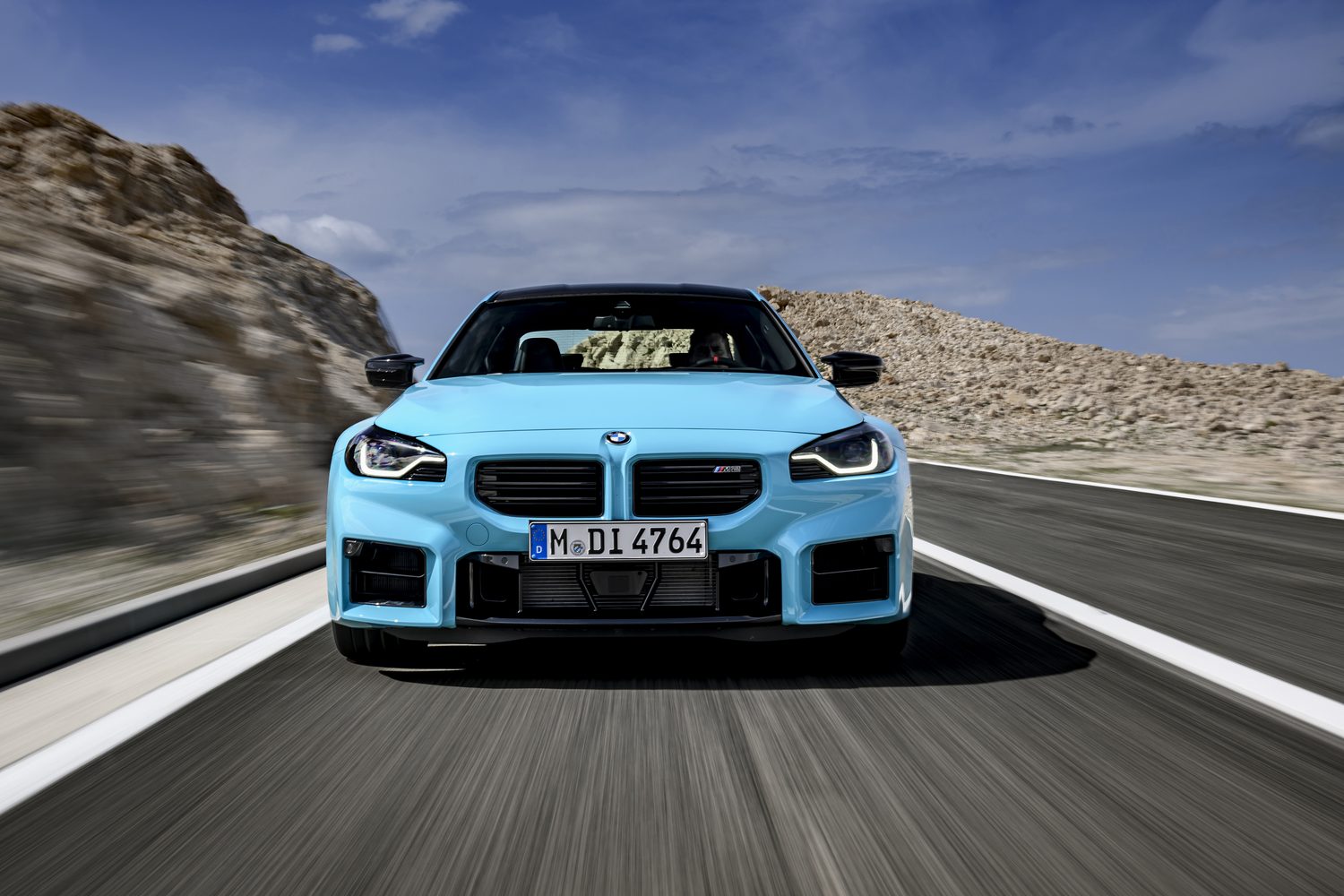
The mechanism is an electronically controlled multi-plate clutch in the transfer case, and BMW is explicit that in normal driving power goes to the rear wheels only. The front axle is brought in when the rears cannot put any more power down — a meaningfully different philosophy from a system that drives all four wheels all the time and shuffles torque around.
Underneath it, the Active M Differential still splits drive between the two rear wheels, so the car keeps the behaviour that makes a rear-driven chassis feel adjustable. The detail worth noting: the transfer case handles wheel-slip compensation with its own control unit rather than routing through the central stability system, which is what makes an all-wheel-drive system feel like it is helping rather than intervening.
The 2WD switch is the tell
In the M Setup menu there is an option to run 2WD with stability control off, sending torque to the rear wheels alone. Its presence says what BMW thinks the M2 is for: the all-wheel drive is there to make the car usable in bad weather and quicker off the line, not to change what it is on a dry track. It is also, quietly, an admission that the purists were going to ask.
The engine change nobody will lead with
The straight-six now uses BMW M Ignite, a patented pre-chamber combustion process BMW says came from its racing programme and will be rolled into all M straight-sixes from mid-2026. It reduces fuel consumption under high load and helps meet the EU7 emissions standard.
The interesting consequence is not economy in traffic — BMW frames the benefit around track use: the same fuel load lasts more laps. That is a real benefit for the small number of owners who use the car as intended, and a rare case of an emissions-driven technology having an enthusiast upside.
What a press release cannot tell you
This is the part worth being honest about, because everything above is BMW describing its own car.
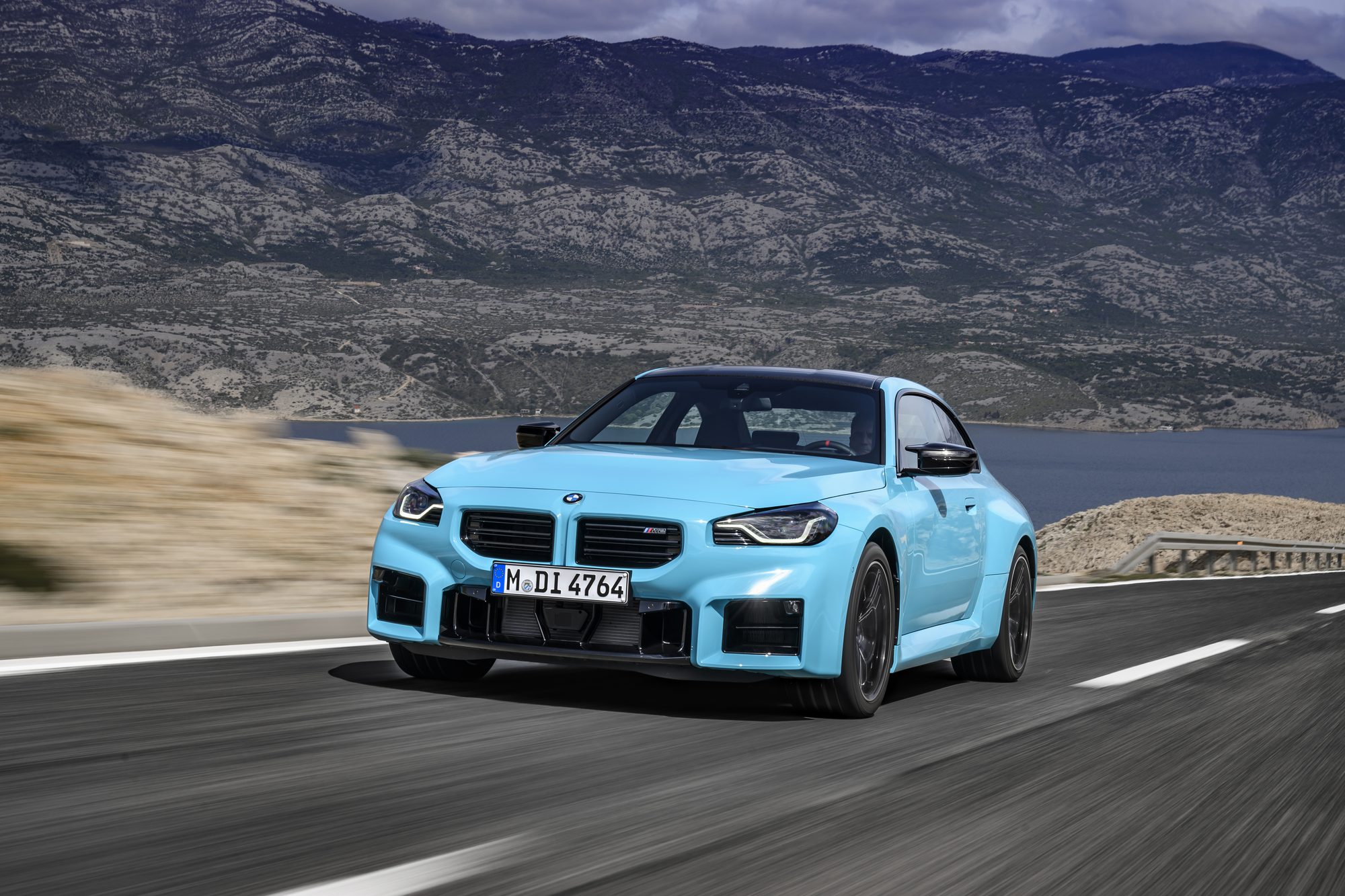
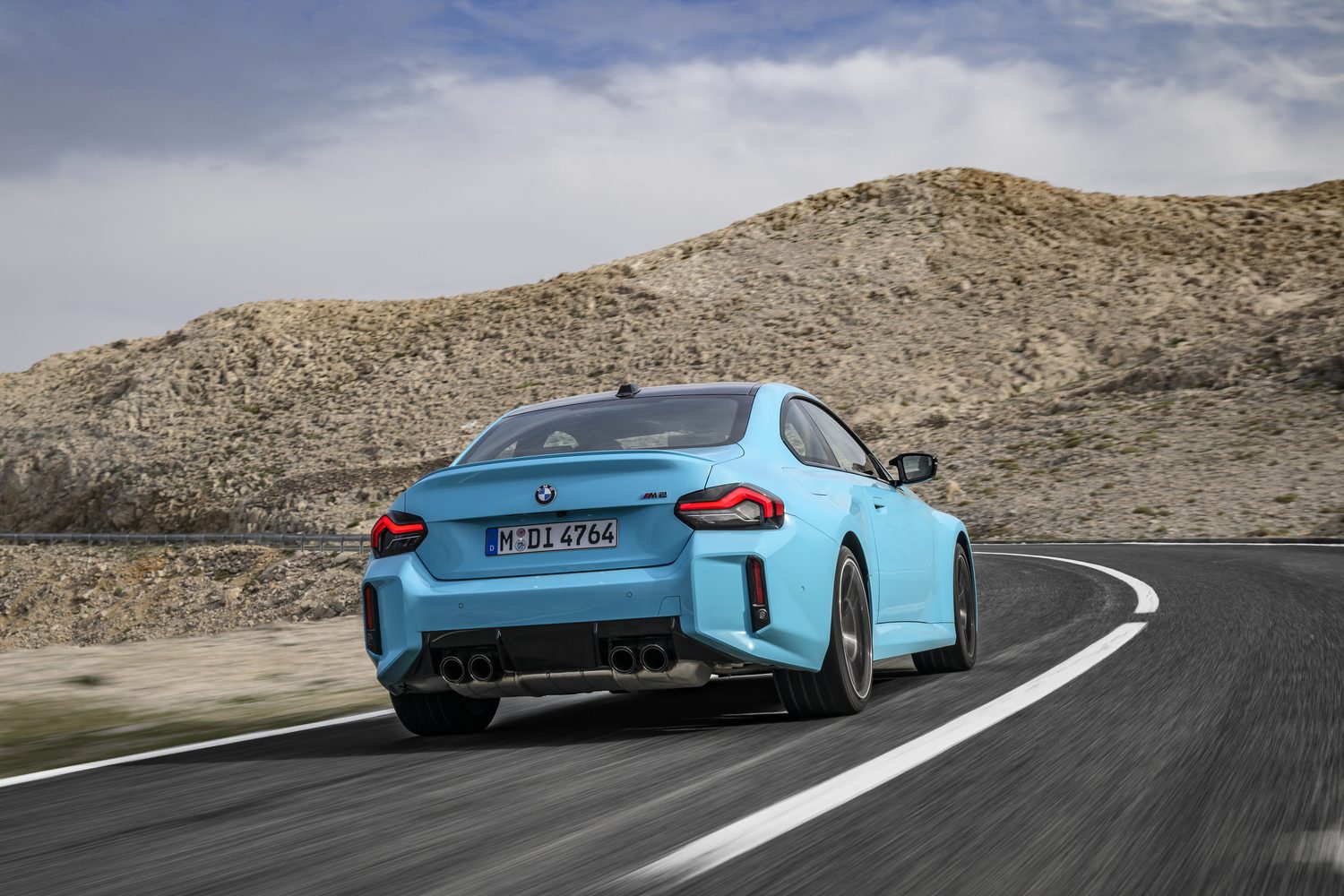
Whether the extra front-axle hardware dulls the steering, which is the specific thing M2 buyers care about and the thing no specification sheet will reveal. What the added weight does to the way the car changes direction. Whether the 2WD mode genuinely feels like the rear-drive M2 or like an all-wheel-drive car with a mode switched off — not the same sensation, and only driving both back to back settles it. How the ride copes with rough roads rather than the smooth coastal tarmac in every one of these photographs. And whether the pre-chamber engine keeps the top-end character that made this engine likeable.
None of that is knowable yet, and any review claiming otherwise before the car is on sale is describing a press kit and calling it a drive.
| Specification | BMW figure |
|---|---|
| Model | BMW M2 with M xDrive (G87) |
| Engine | 3.0-litre straight-six, BMW M TwinPower Turbo |
| Power | 353 kW / 480 hp |
| Drive | M xDrive all-wheel drive, rear-biased |
| Differential | Active M Differential with M-specific traction control |
| Transmission | M Steptronic with Drivelogic |
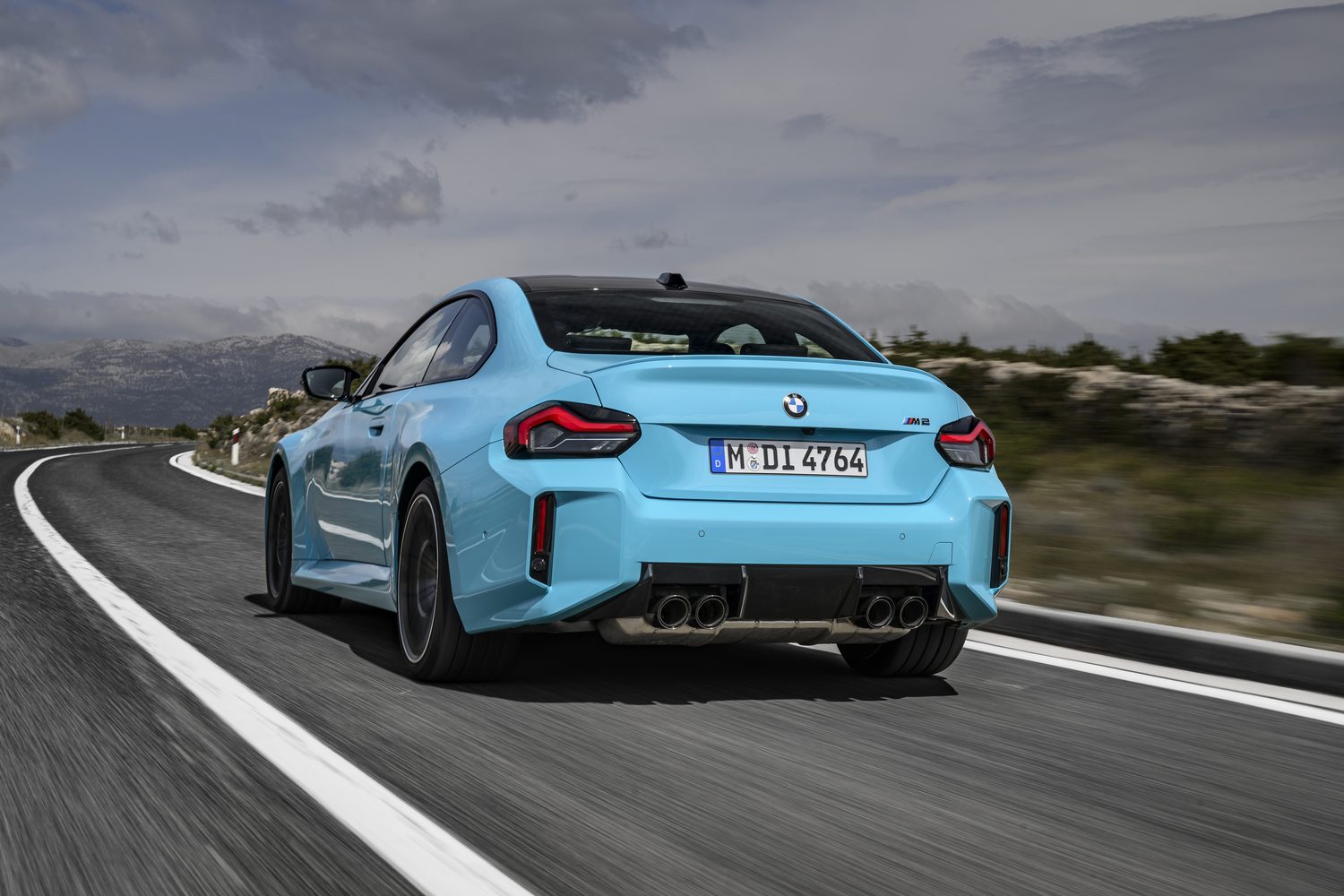
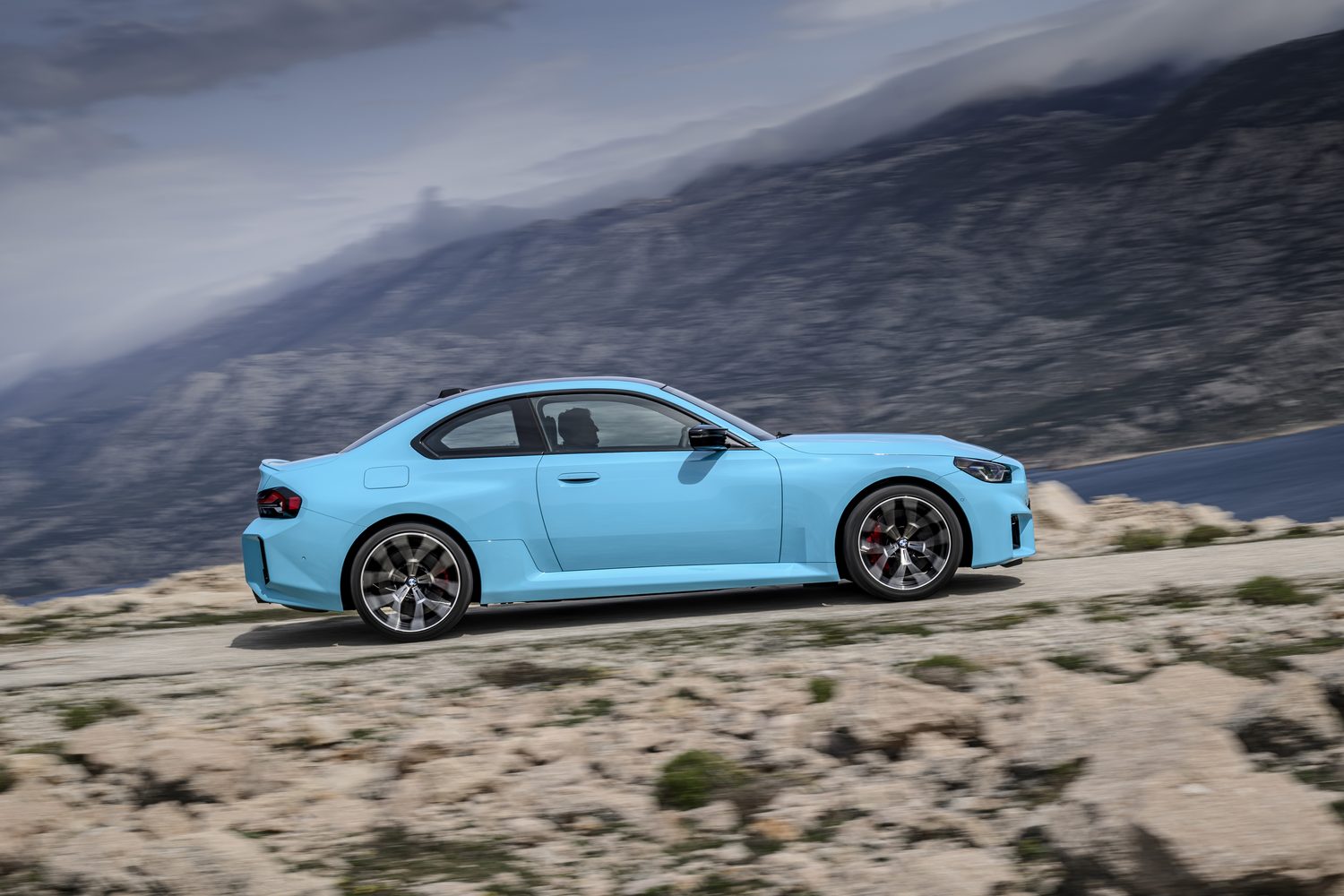
| Wheels | 19-inch front, 20-inch rear; track tyres optional |
| Brakes | M Compound — six-piston fixed front, single-piston rear |
| Fuel consumption (WLTP, combined) | 10.4–10.3 l/100 km |
| CO₂ (WLTP, combined) | 235–233 g/km, class G |
| Market launch | Late summer 2026 |
| US price | Not published in this press kit |
Common questions
Does the rear-wheel-drive M2 continue?
Yes. BMW is adding M xDrive to the line-up rather than replacing the rear-driven car.
Can you switch the all-wheel drive off?
Yes — the M Setup menu has a 2WD mode with DSC deactivated, sending torque to the rear wheels only.
Is it more powerful than the rear-drive M2?
No. Same 353 kW / 480 hp. The gain is traction, which BMW says improves acceleration.
What is BMW M Ignite?
A patented pre-chamber combustion process from BMW's racing programme, reducing fuel consumption under high load. It reaches all M straight-sixes from mid-2026.
Have you driven it?
No. It is not on sale until late summer 2026, and no independent test exists. Everything here is BMW's published material.
The M2 has been the last compact, rear-driven M car, and that is much of why people are protective of it. Adding all-wheel drive widens who can use one year-round — in snow, in rain, in places where a rear-driven coupé spends winter parked.
The pattern is familiar: the M5 and M3 both gained xDrive and both kept a 2WD mode, and neither turned into a different car. On the evidence BMW has published, this looks like the same decision applied to a smaller one. We will revisit it when someone independent has driven it.
DopamineKart has not conducted a hands-on test drive of this vehicle; this article is a research-based breakdown, not a road test. Sources. BMW PressClub — The new BMW M2 with M xDrive (T0458189EN, 3 June 2026), BMW PressClub Global. Technical figures are BMW's own published data and refer to the EU model; consumption and CO₂ are WLTP and are not comparable with US EPA figures. Photography is BMW press material, used for editorial reporting and credited per image. No affiliate links appear on this page.
This article contains no affiliate links and no buy buttons — DopamineKart does not monetise vehicle coverage.
Corrections: email us