Quick take
- Santa Monica Pier, built in 1909, is the unofficial "End of the Trail" for Route 66, even though the highway's true legal endpoint is a few blocks inland.
- The Hollywood Sign started life in 1923 as a temporary real-estate billboard reading "HOLLYWOODLAND" — the current shorter sign dates to 1949.
- Griffith Observatory has been free to enter since it opened in 1935, per the wishes of the benefactor who funded it.
- Venice Beach Boardwalk began as Abbot Kinney's 1905 "Venice of America," canals and gondoliers included — most of the canals were later filled in for roads.
- Malibu's stretch of PCH almost didn't happen — a landowner named May Rindge fought the county for decades before losing in court.
- Joshua Tree became a National Monument in 1936 thanks largely to one Pasadena conservationist, and didn't become a full National Park until 1994.
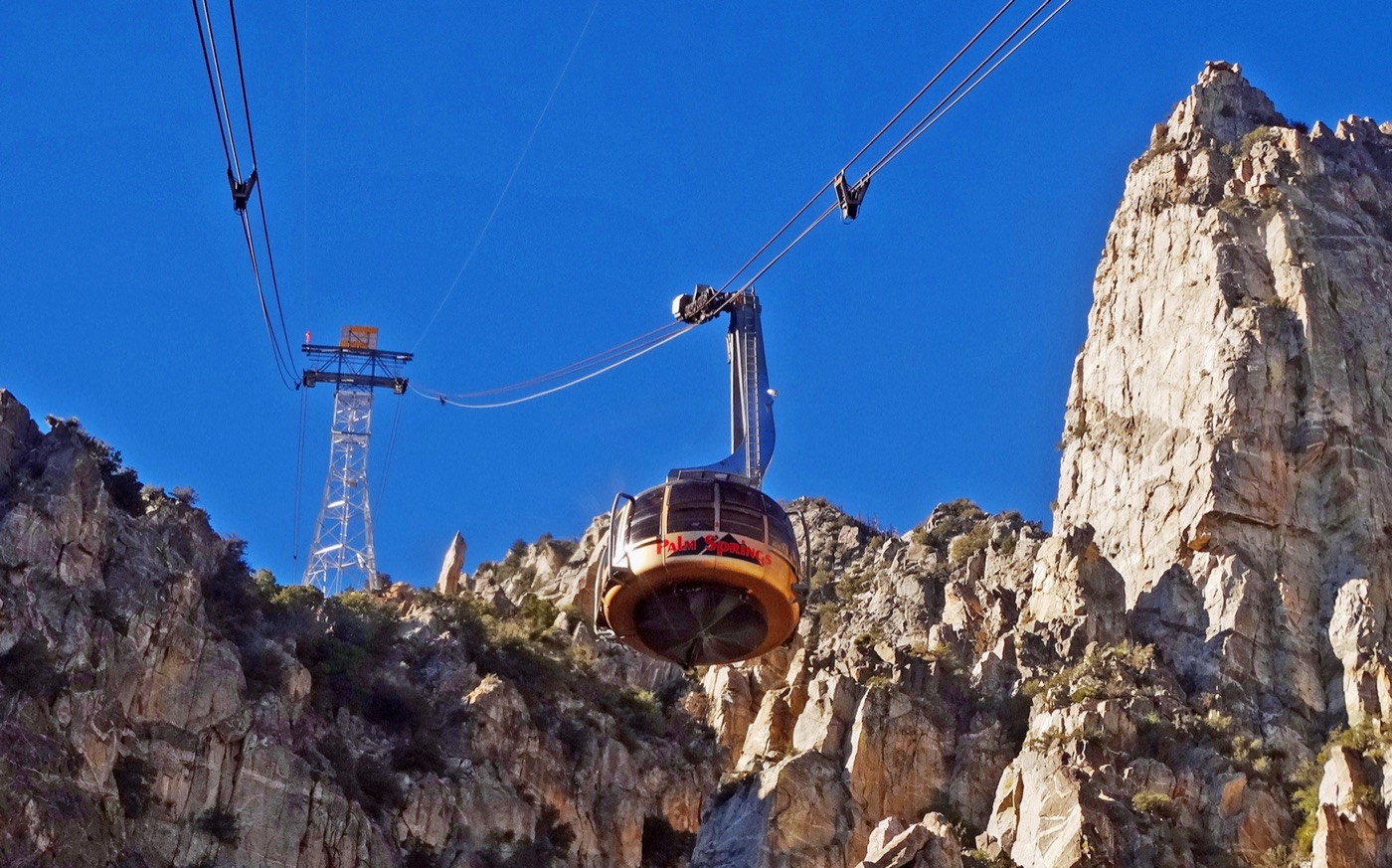
- The Palm Springs Aerial Tramway, nicknamed "Crocker's Folly" during planning, used helicopters to build its towers and opened in 1963.
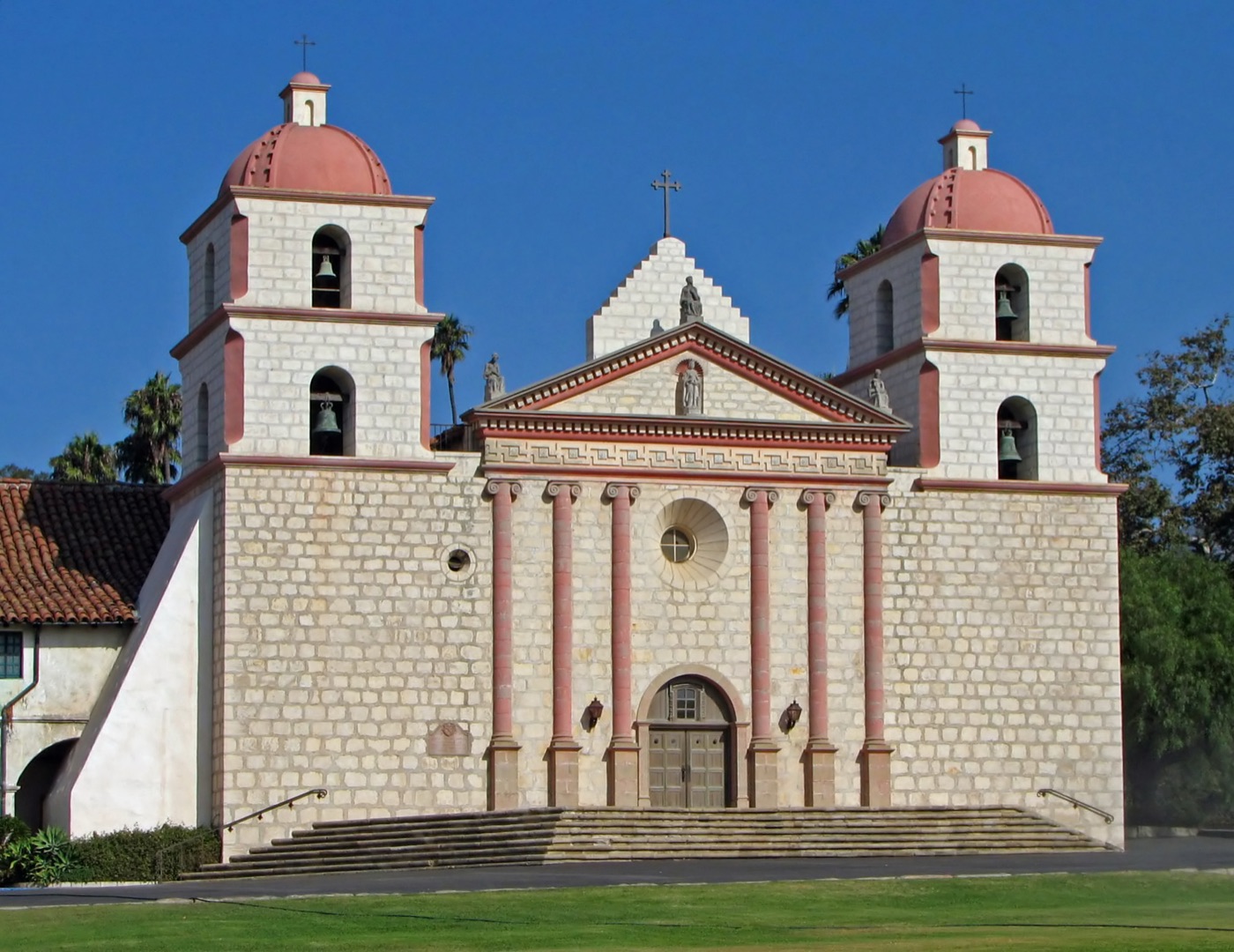
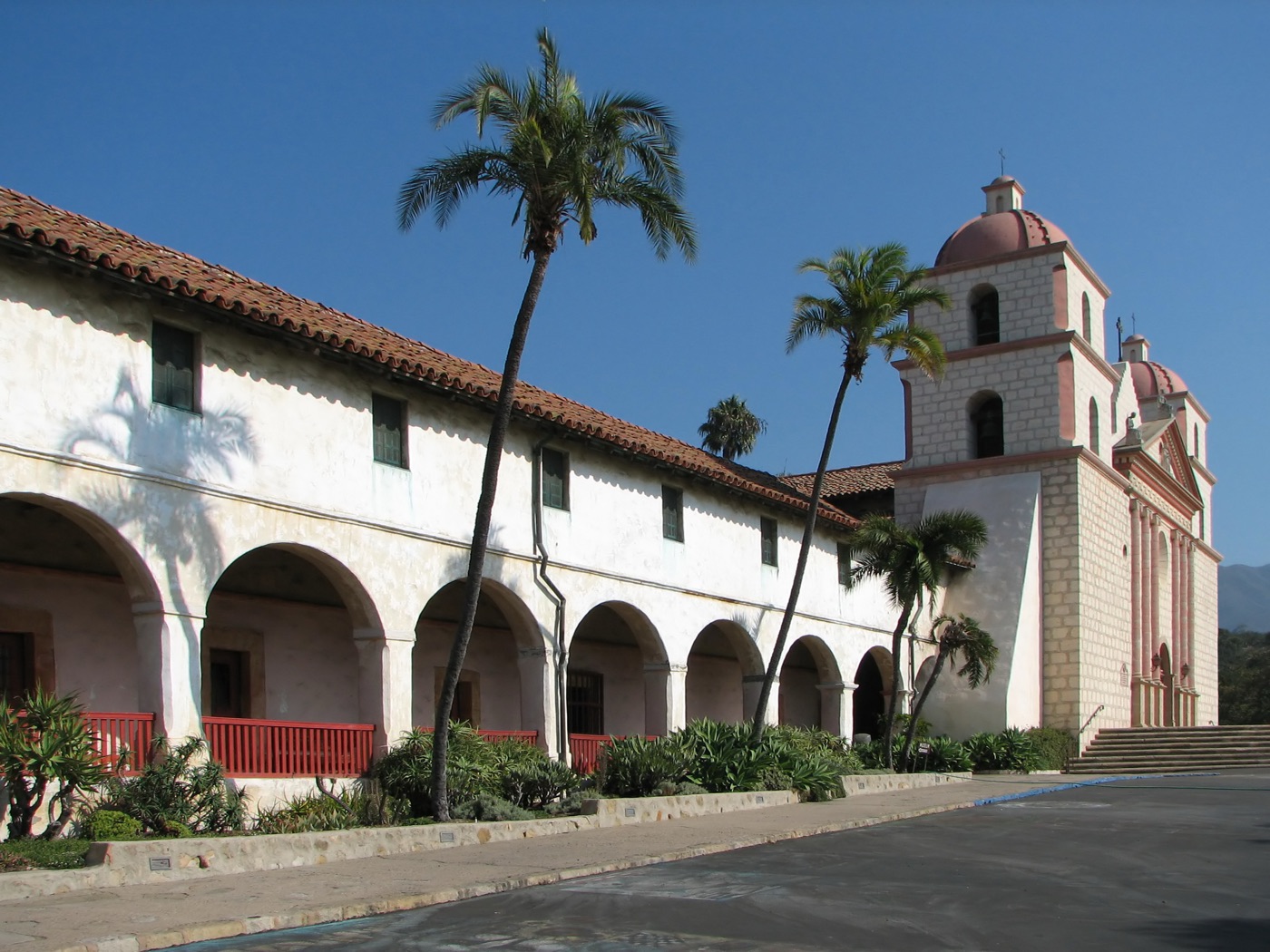
- Mission Santa Barbara, founded in 1786, is the only California mission with an unbroken history of religious service since its founding.
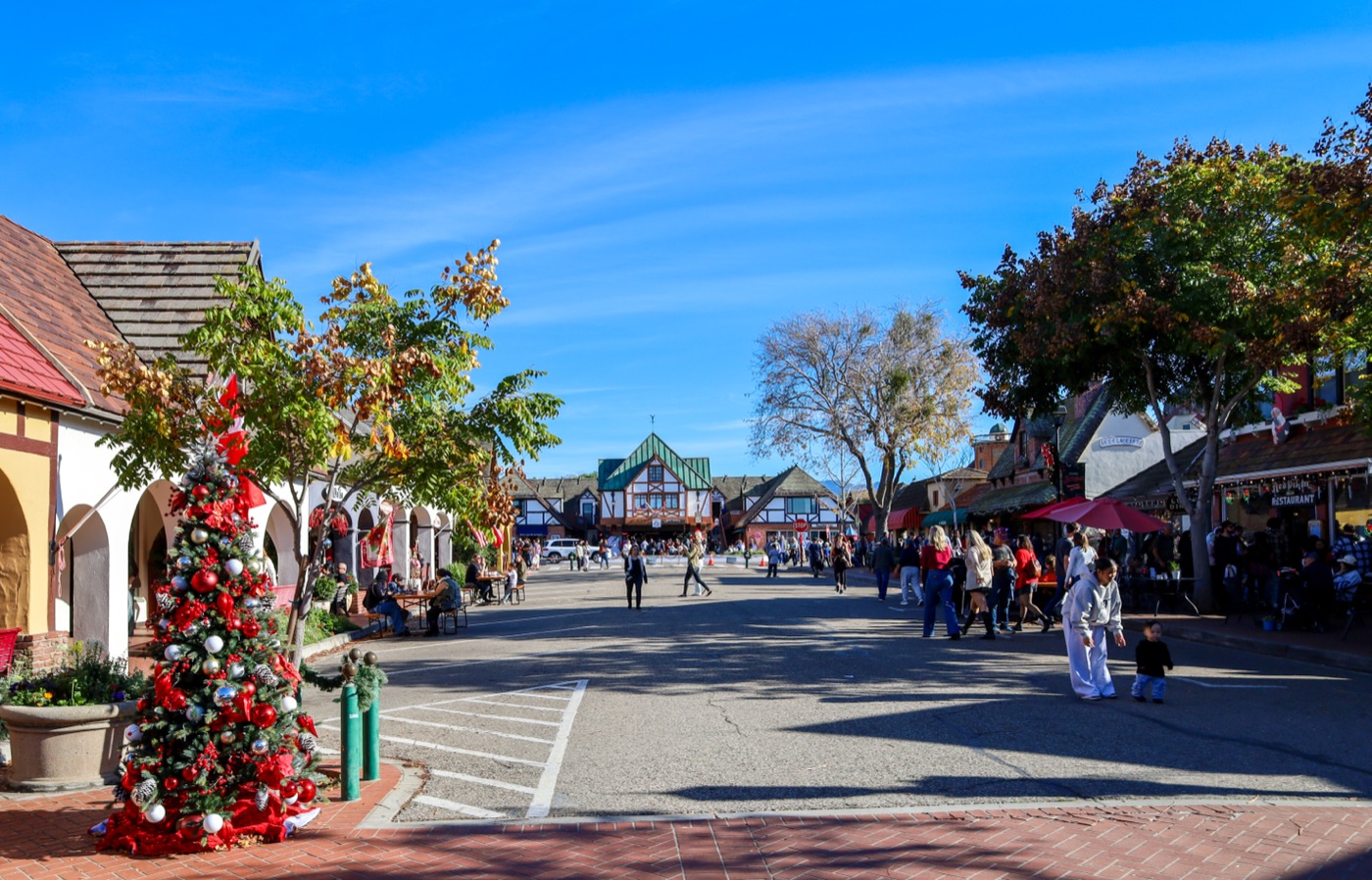
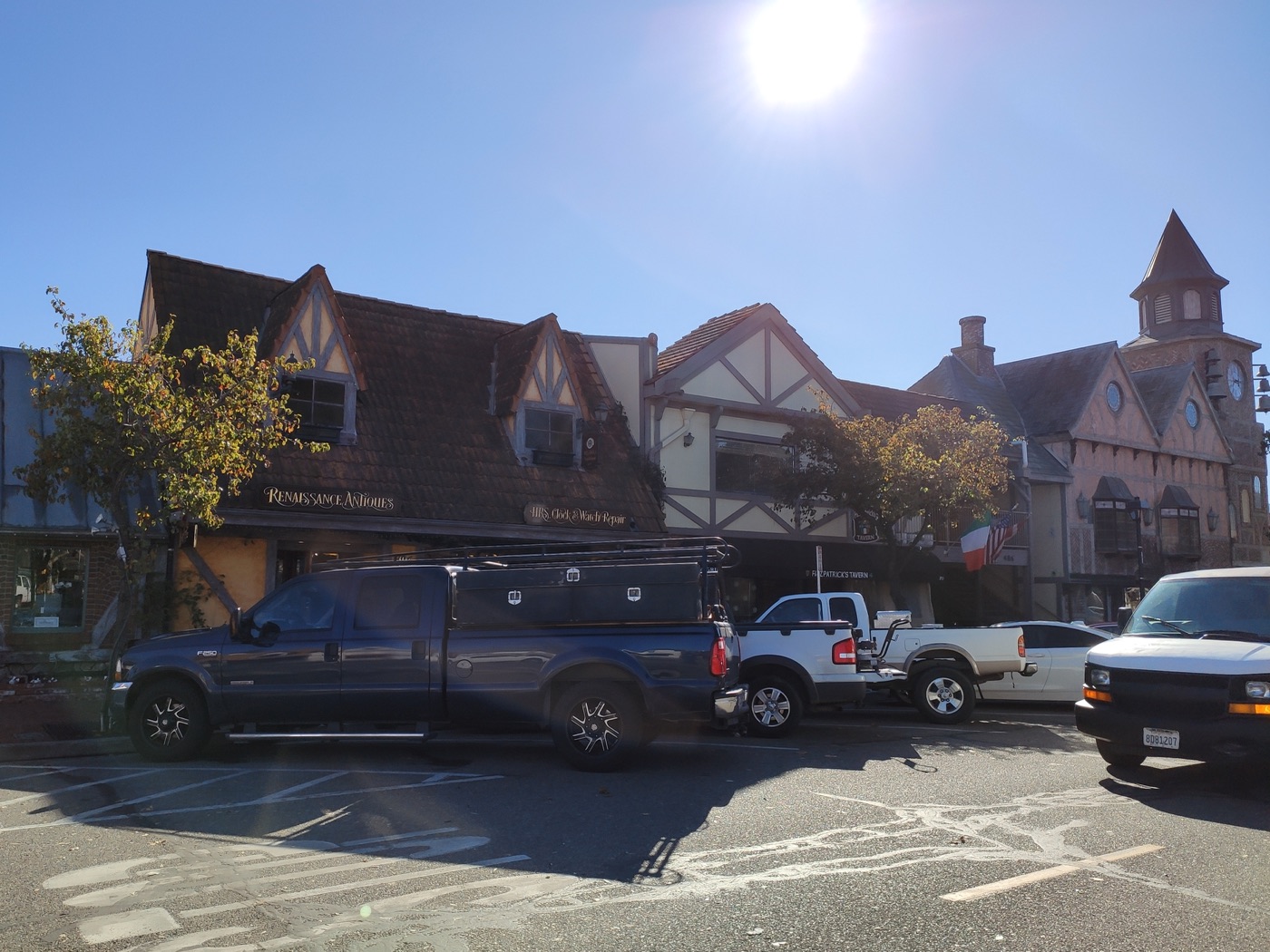
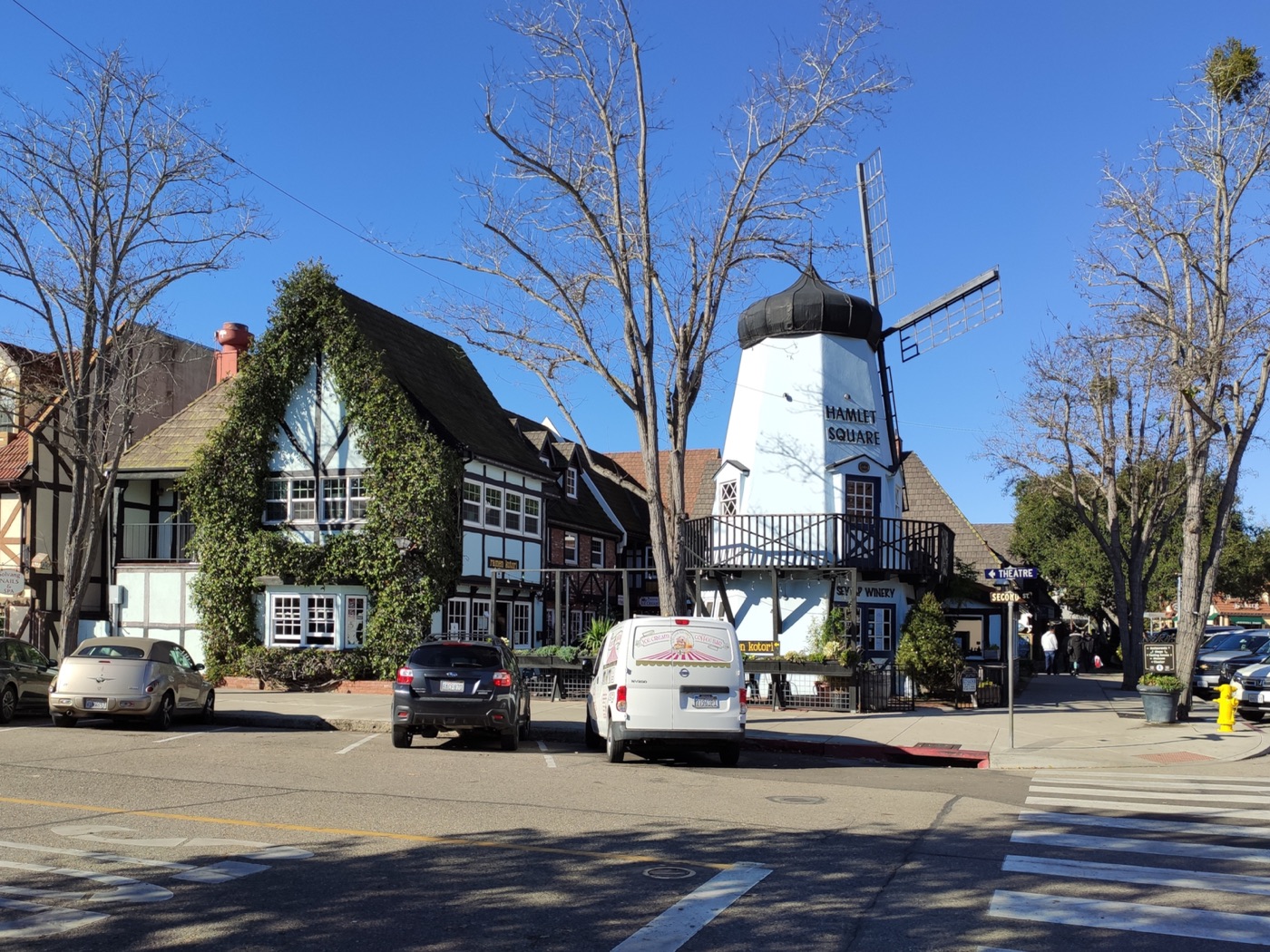
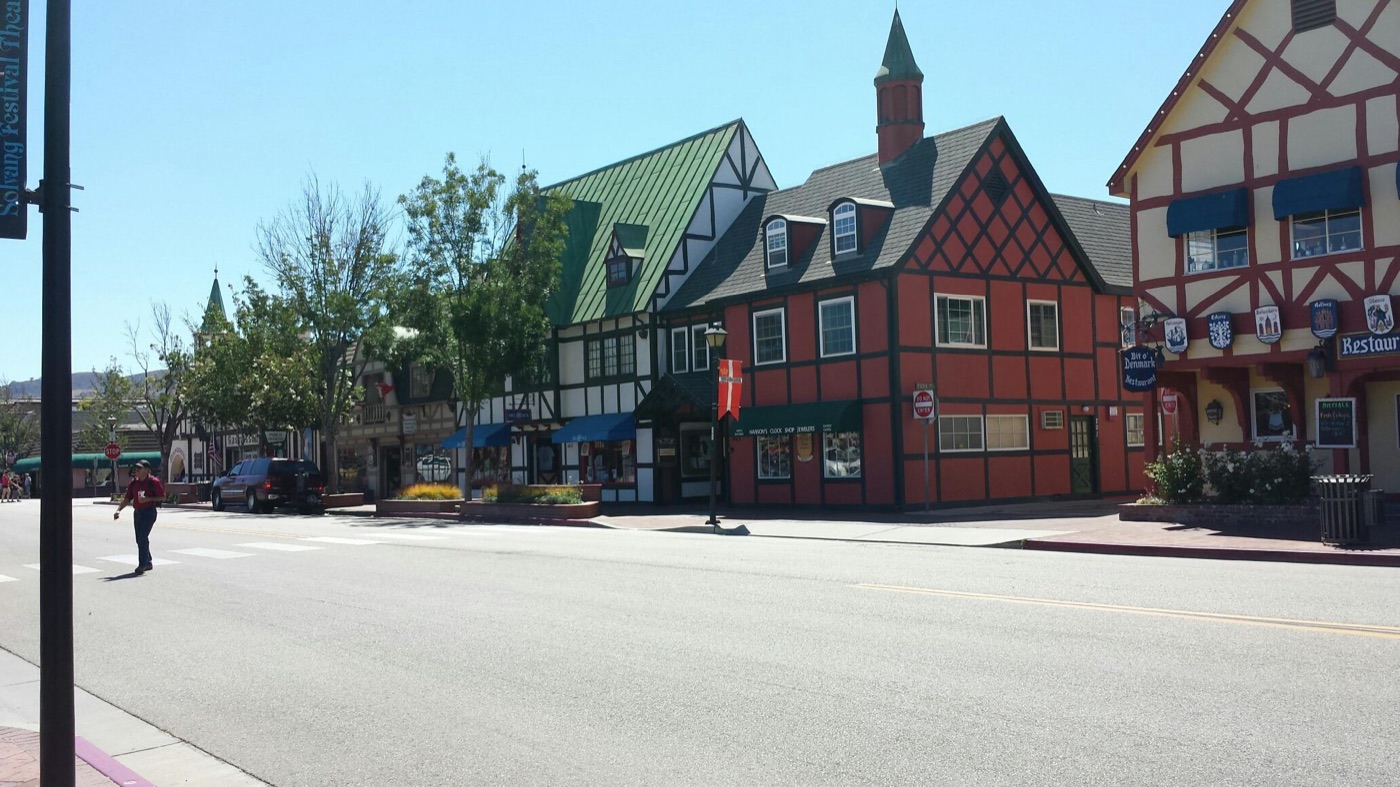
- Solvang was founded in 1911 by Danish-American educators on land bought for about $75,000 — the town didn't lean into its full Danish-village look until the 1930s.
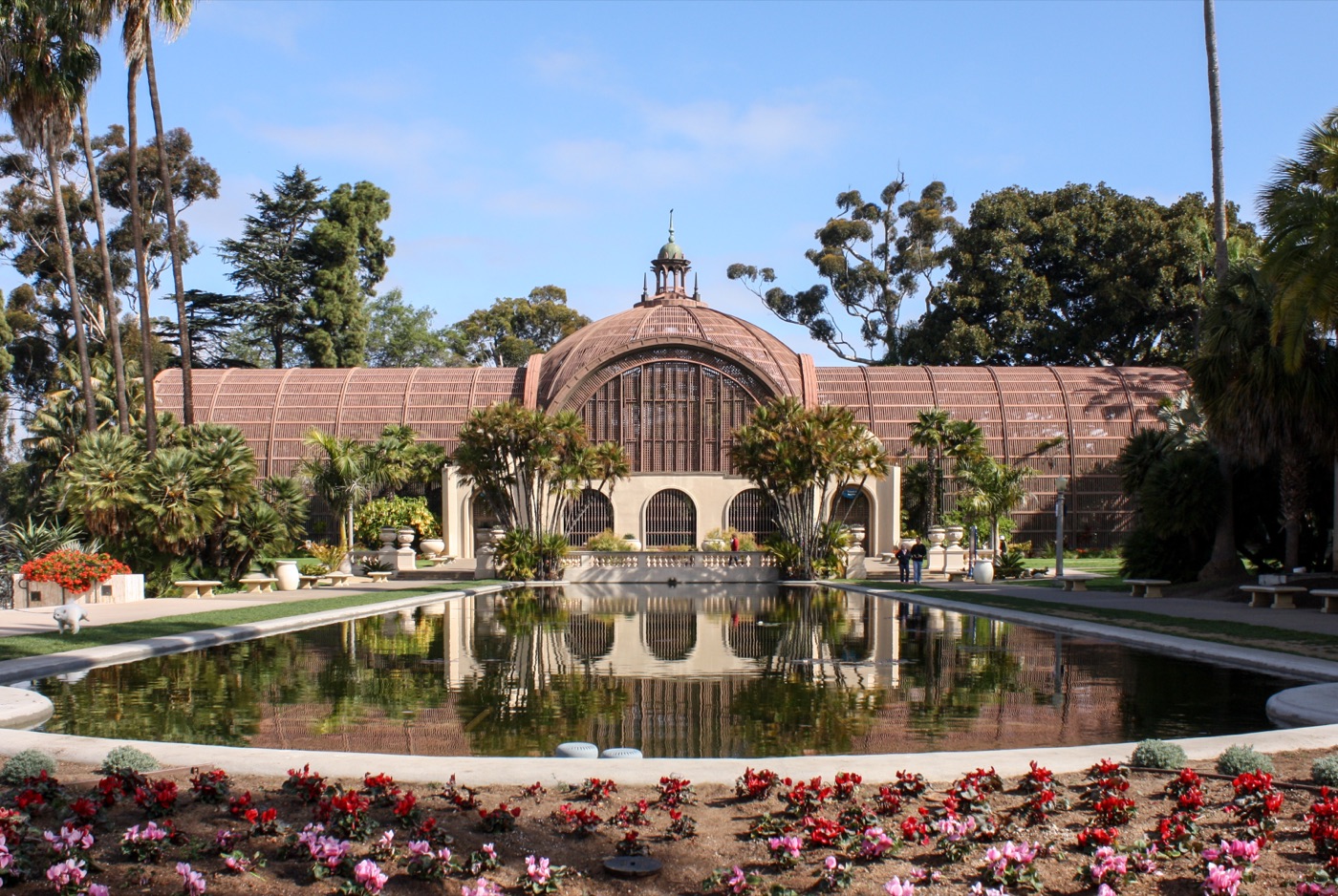
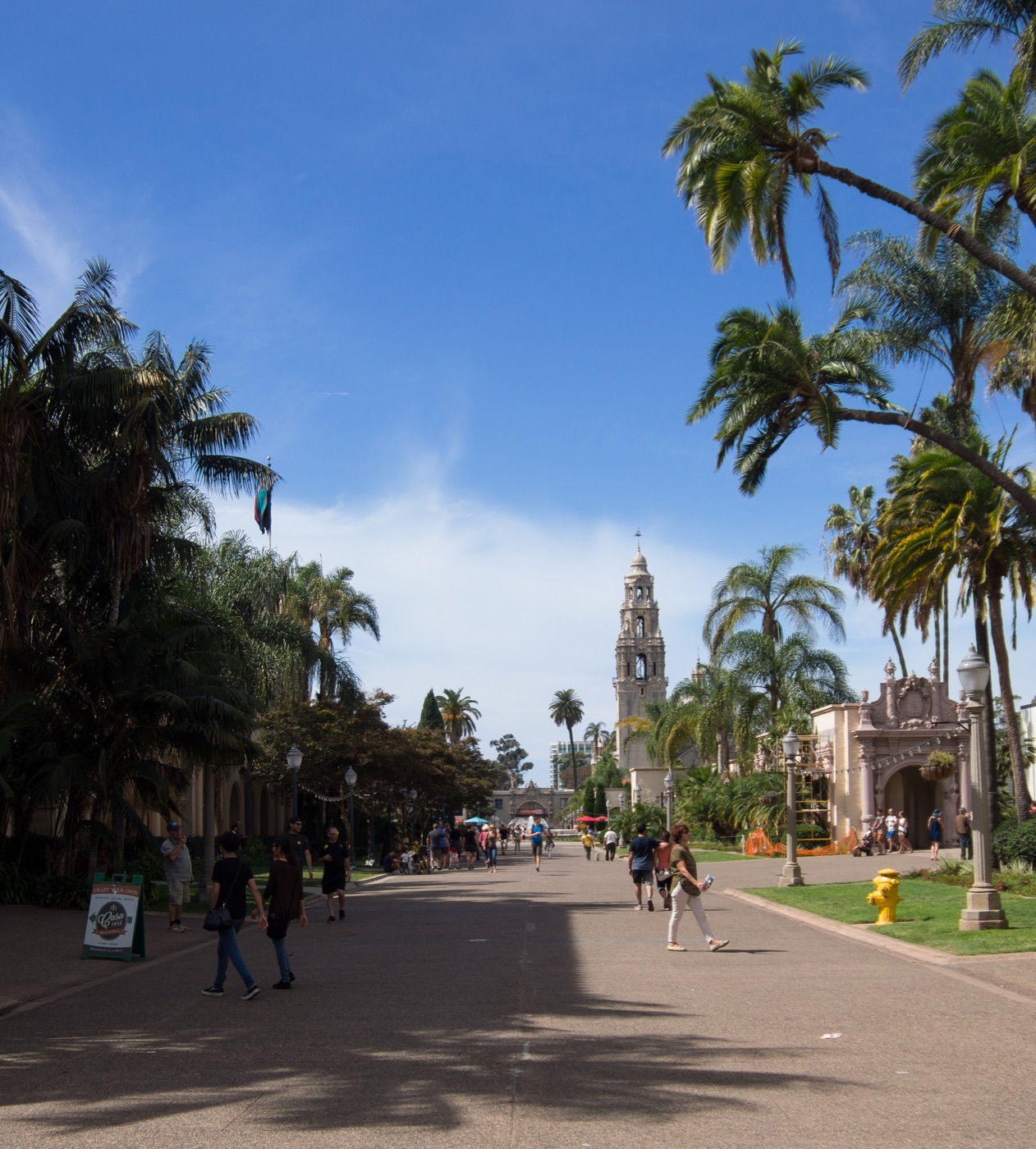
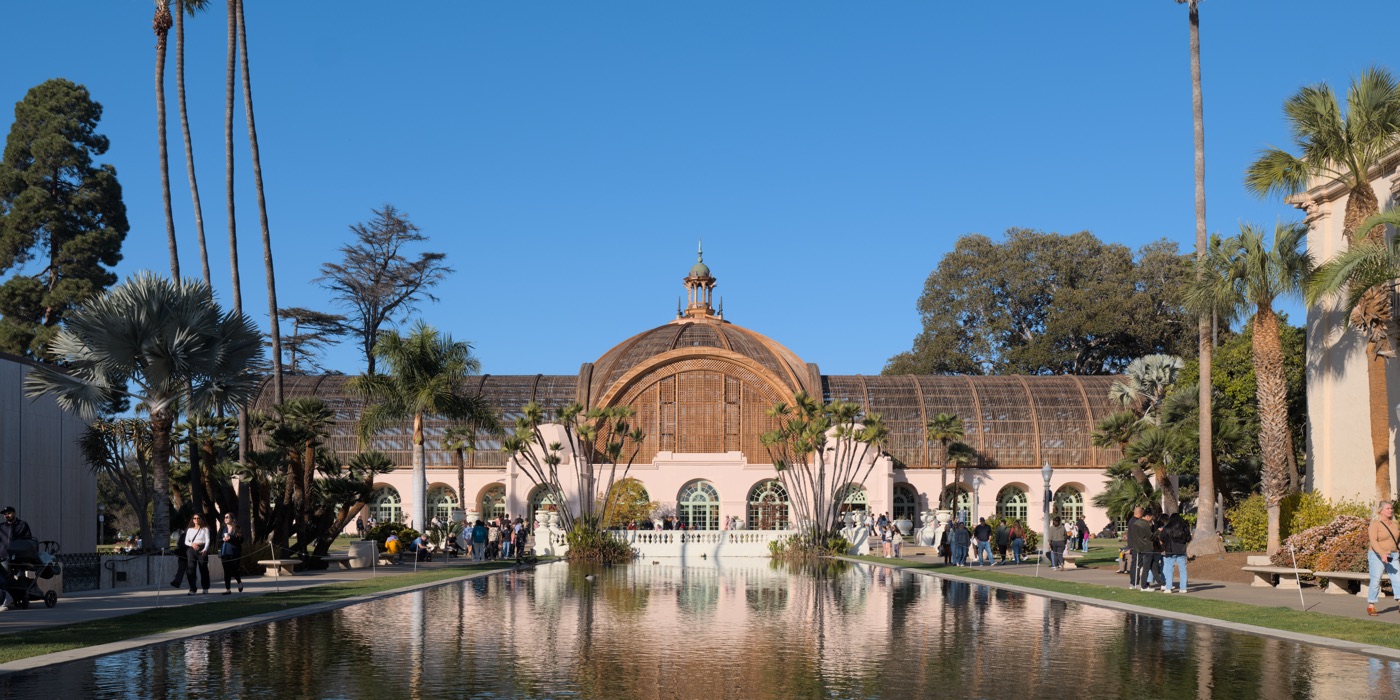
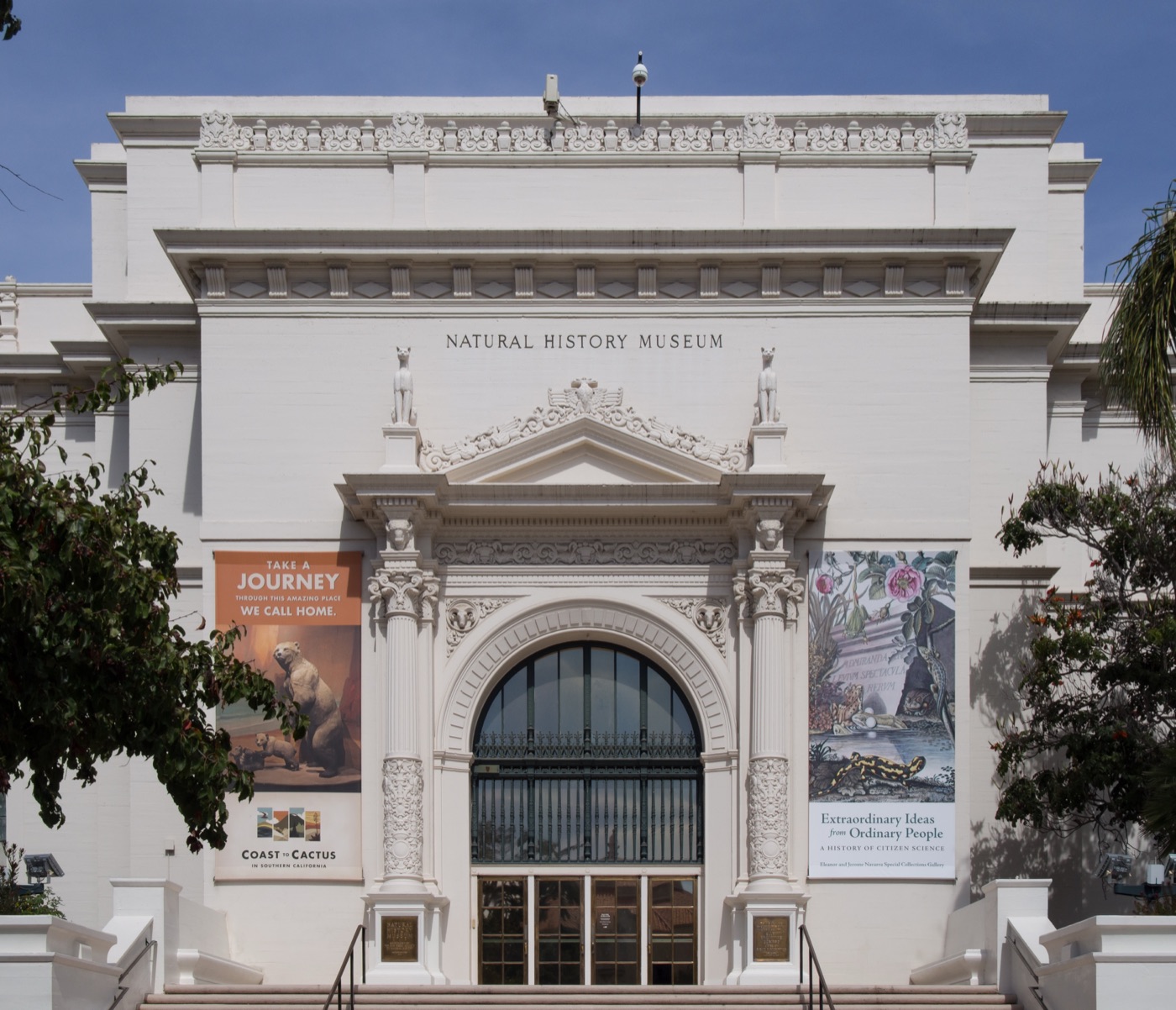
- Balboa Park was set aside in 1868 when San Diego had barely 2,300 residents — its landmark Spanish Colonial-revival look came from the 1915 Panama-California Exposition.
I want to be upfront about something before I get into this: this isn't a strictly linear route, and I'm not going to pretend it is. It runs roughly coast, then hills, then desert, then wine country, then south to the border — genuinely drivable as one long trip or broken into weekends, but you'll be doubling back a little no matter how you sequence it. What I can promise is that every stop on this list is a real place with real history behind it, not a manufactured photo-op — I've been to all ten, more than once, and I want to walk through what's actually true about each one.
Santa Monica Pier: The Symbolic End of Route 66
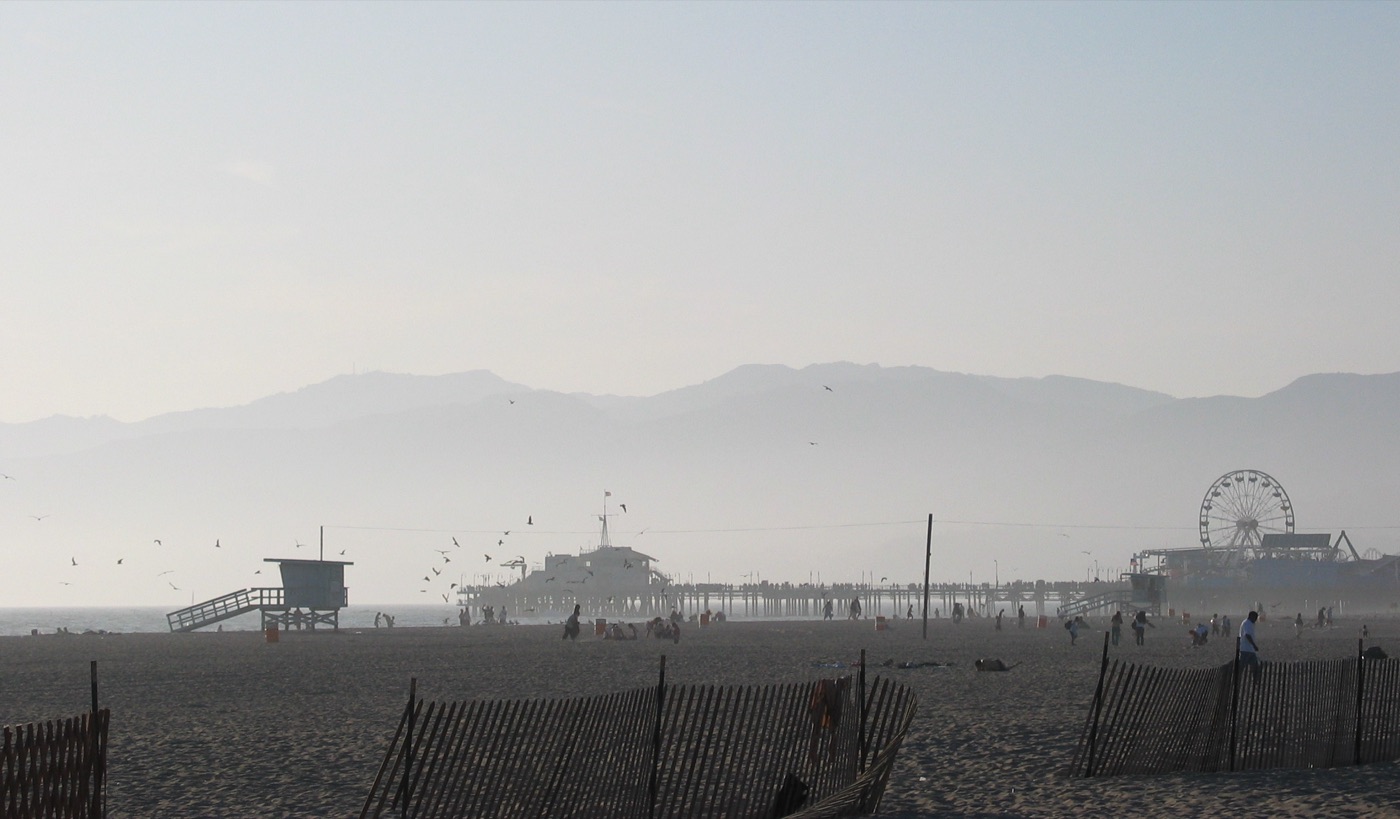
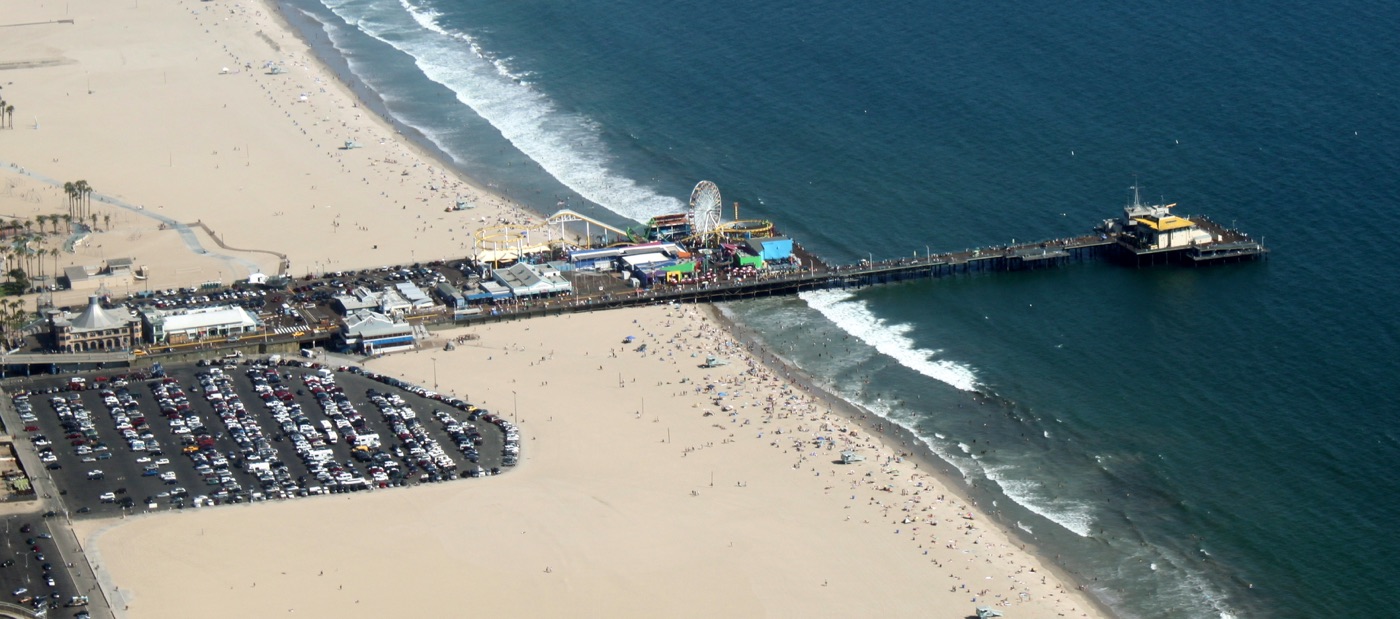
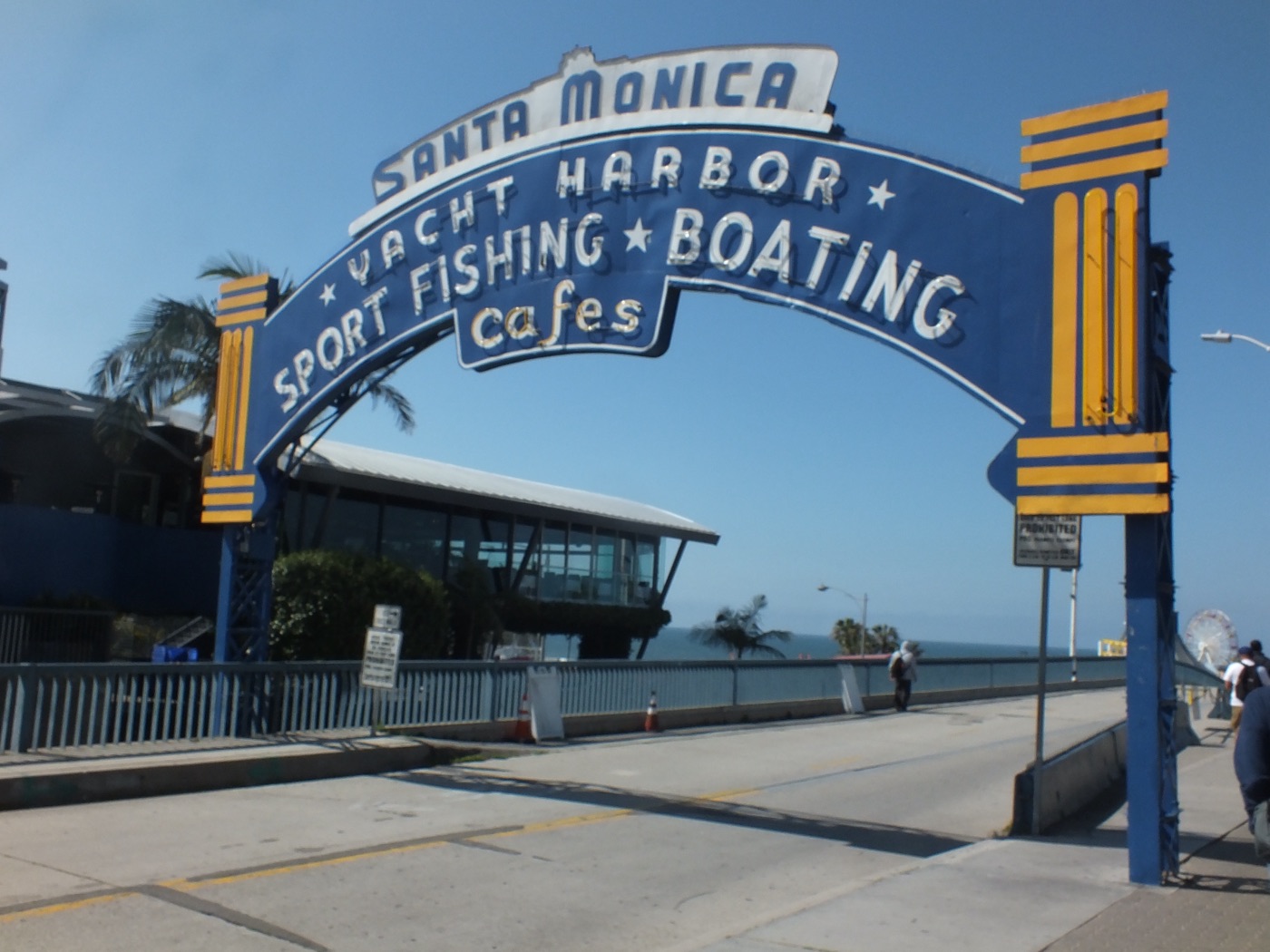
Built in 1909, the Santa Monica Pier has spent over a century as a fishing spot, amusement pier, and cultural fixture. Its association with Route 66 is a little more complicated than the postcards suggest — the highway's actual legal endpoint, per federal regulations requiring highways to connect rather than dead-end, was a few blocks inland at Lincoln and Olympic. Santa Monica unveiled its own "End of the Trail" sign right on the pier in 2009, on the 83rd anniversary of the numbered highway system, calling it the route's "spiritual end" rather than its official one. It's a small, honest asterisk on an otherwise real landmark.
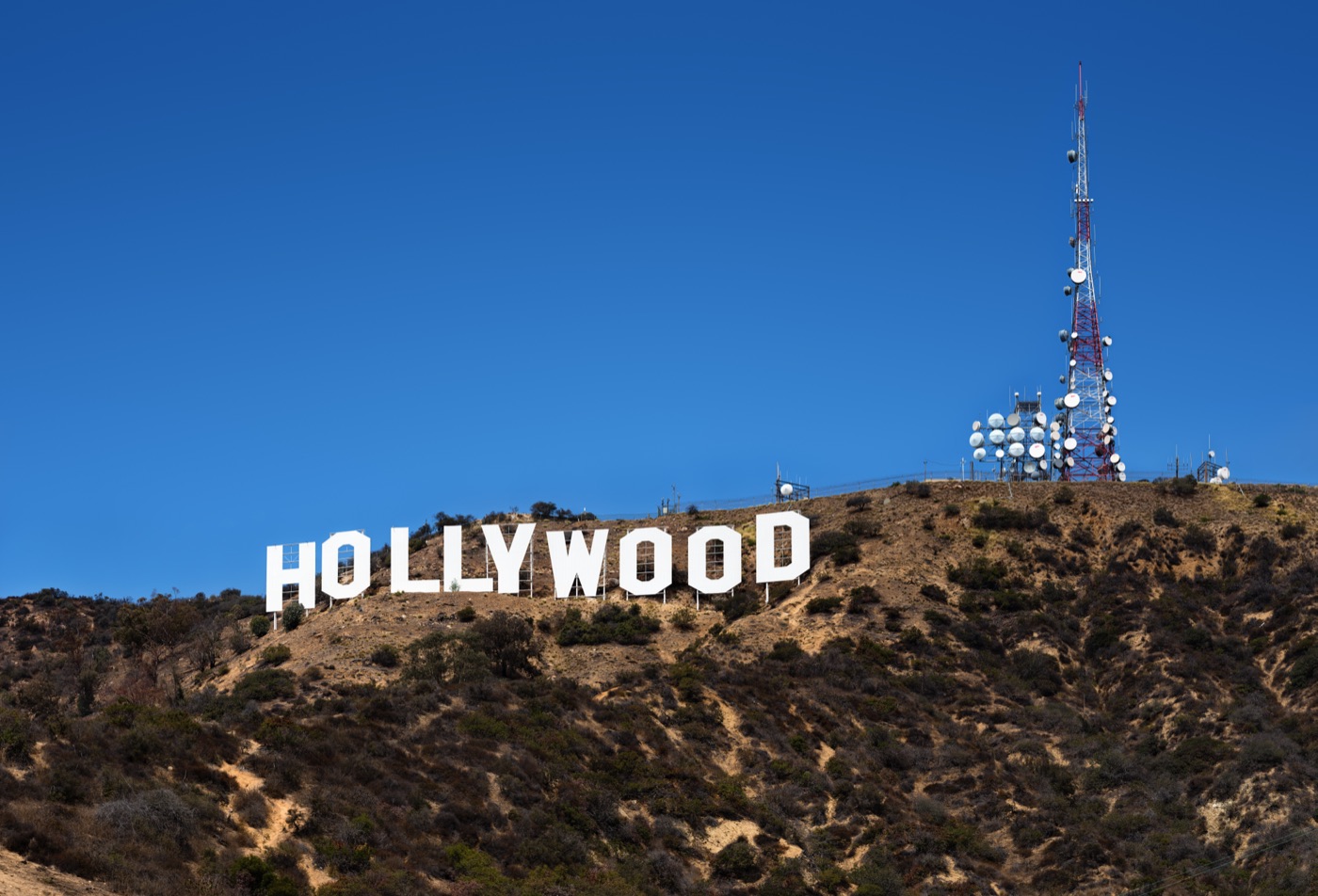
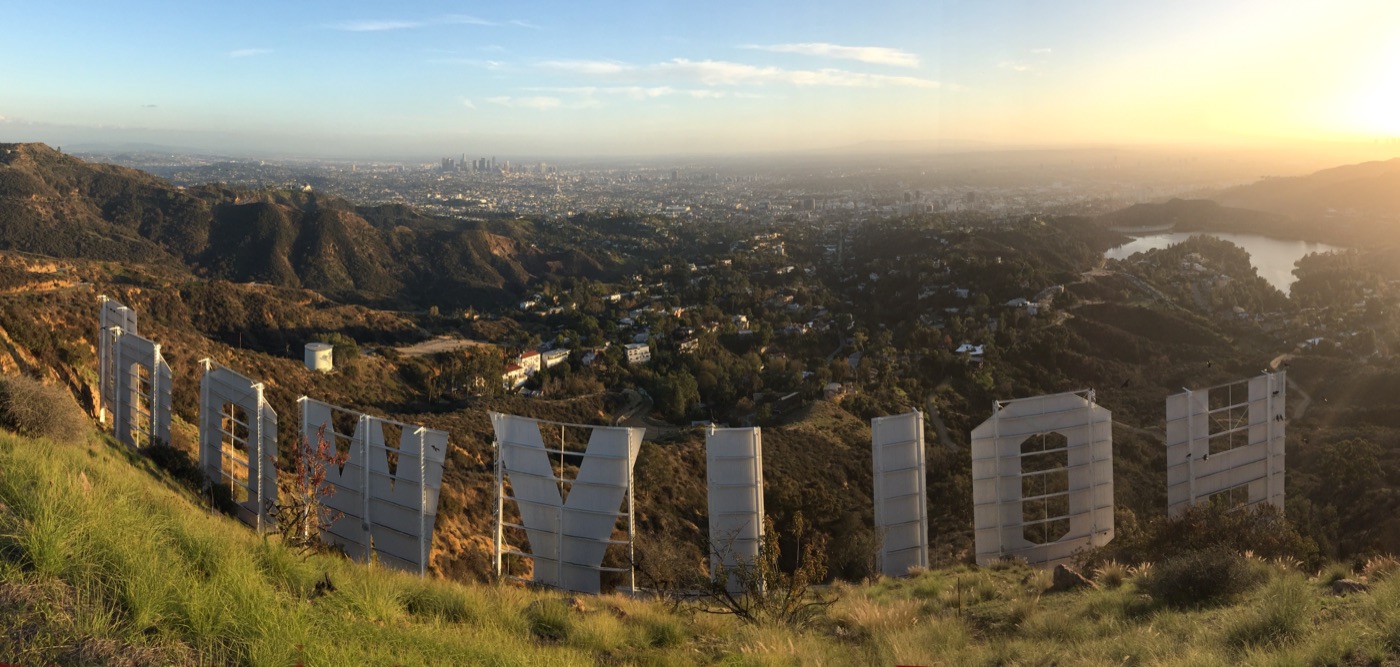
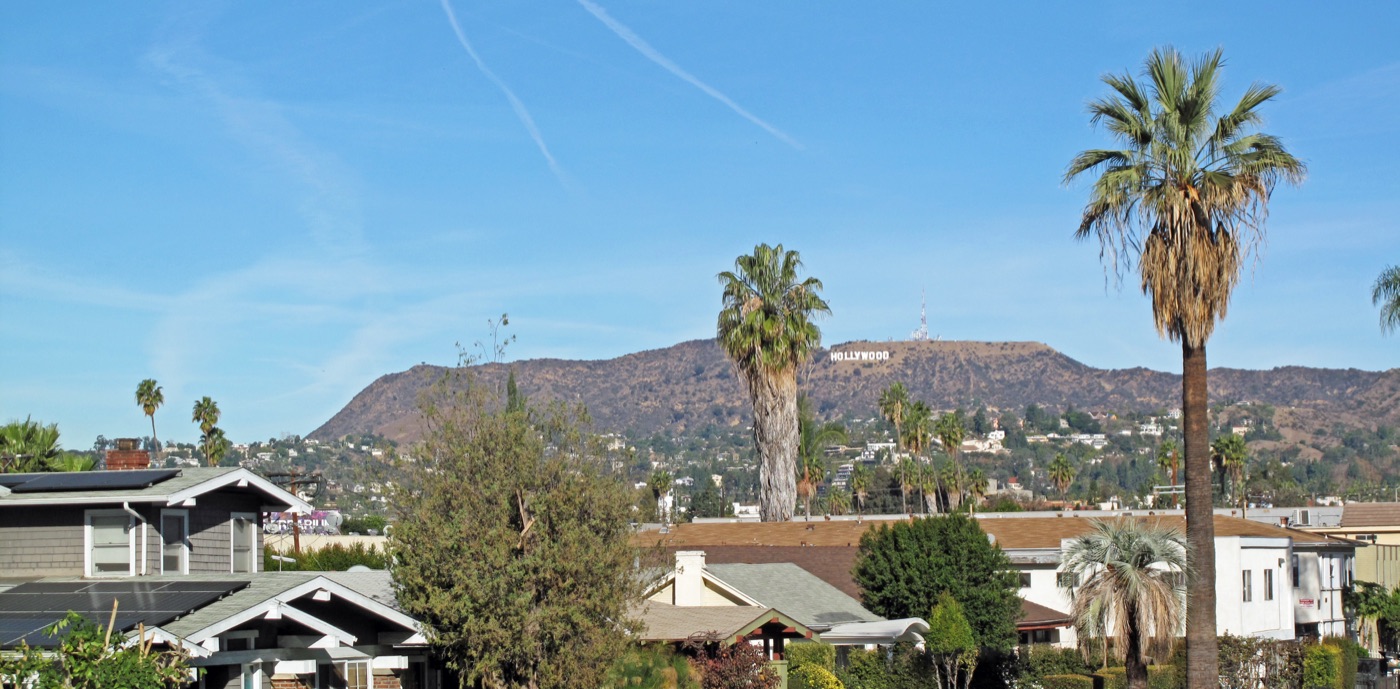
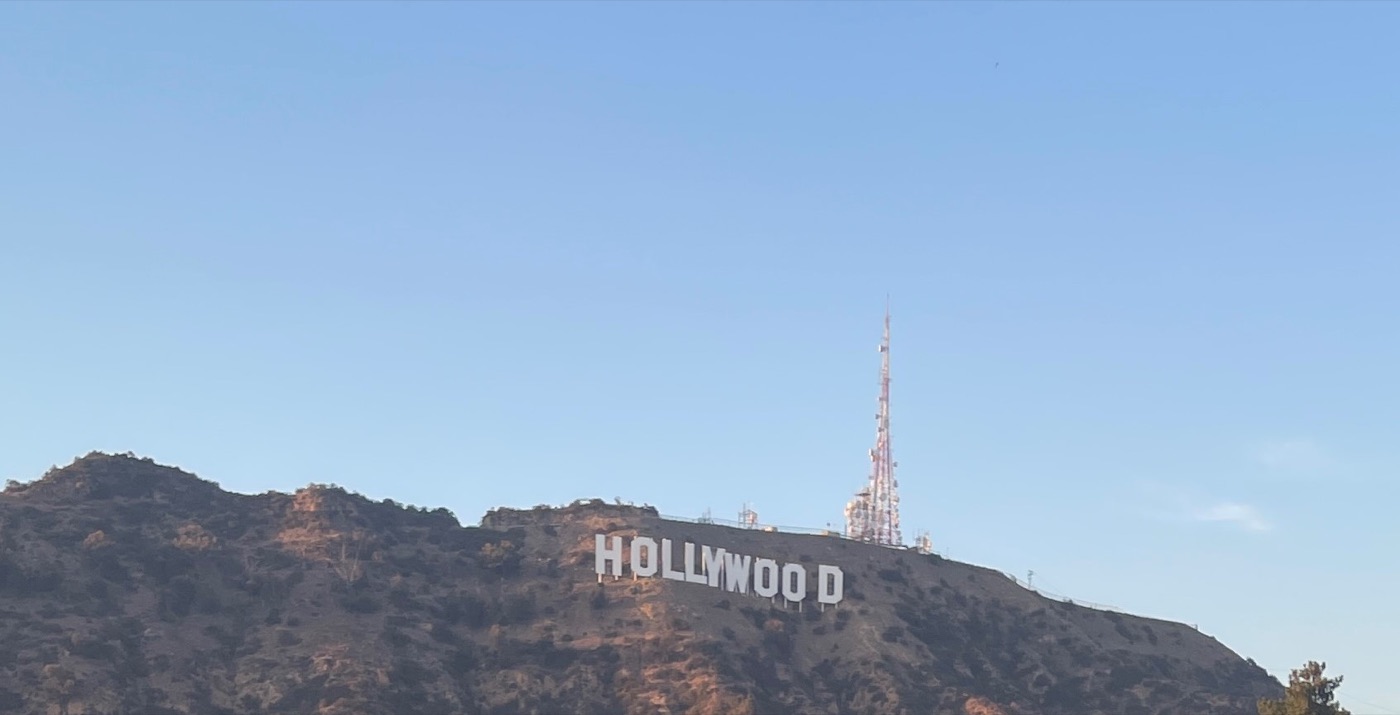
The Hollywood Sign: A Billboard That Outlived Its Ad
The Hollywood Sign wasn't built as a cultural monument — it was a $21,000 temporary billboard erected in 1923, spelling out "HOLLYWOODLAND," to advertise a hillside real-estate development. It was rebuilt as the shorter "HOLLYWOOD" in 1949, nearly lost to vandalism and neglect through the 1970s, and only became an official landmark in 1973. A $12.5 million fundraising campaign in 2010, capped by a $900,000 donation, folded its full 138-acre parcel into Griffith Park permanently, which is the real reason the view in front of it will never be built over.
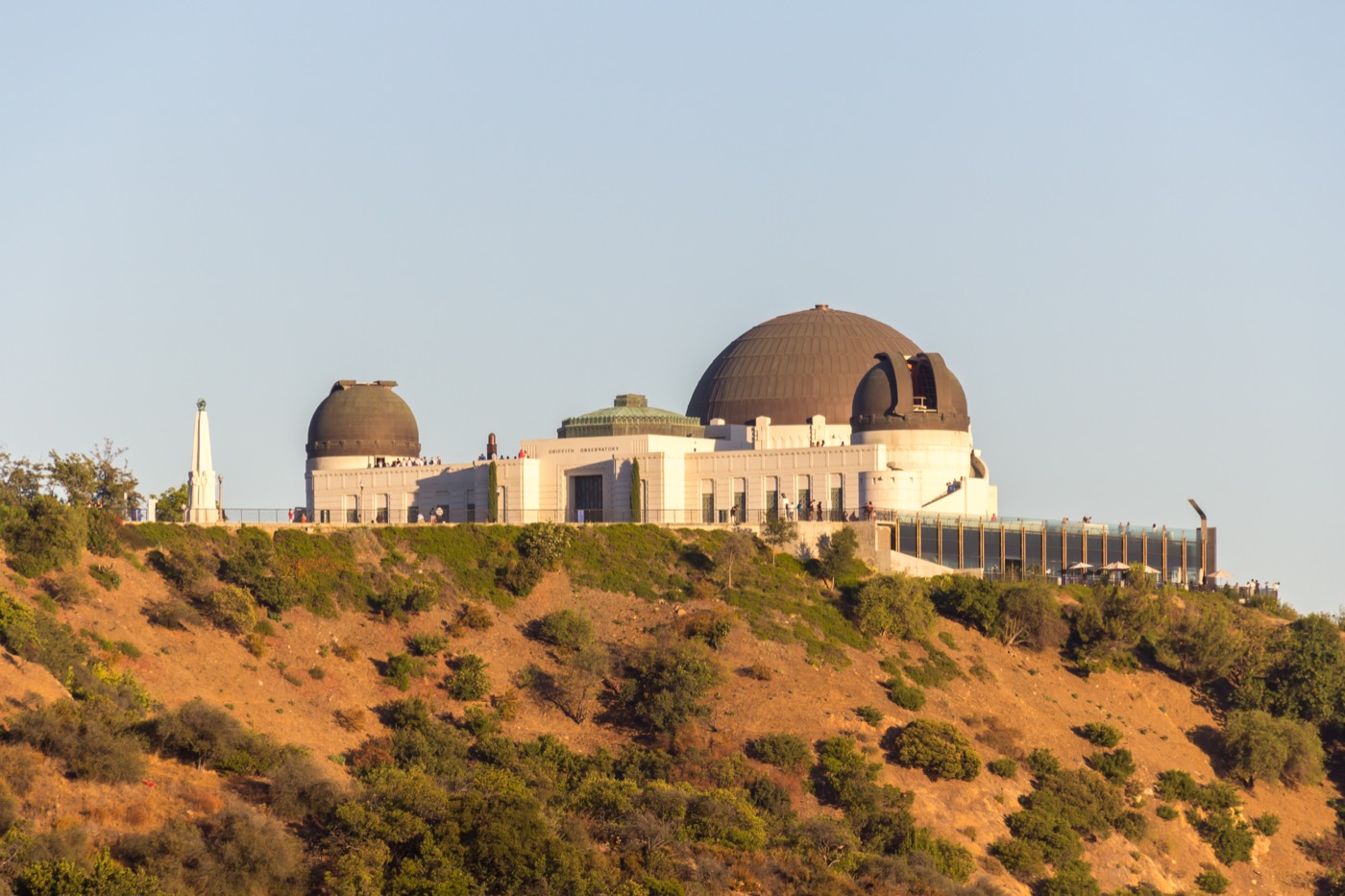
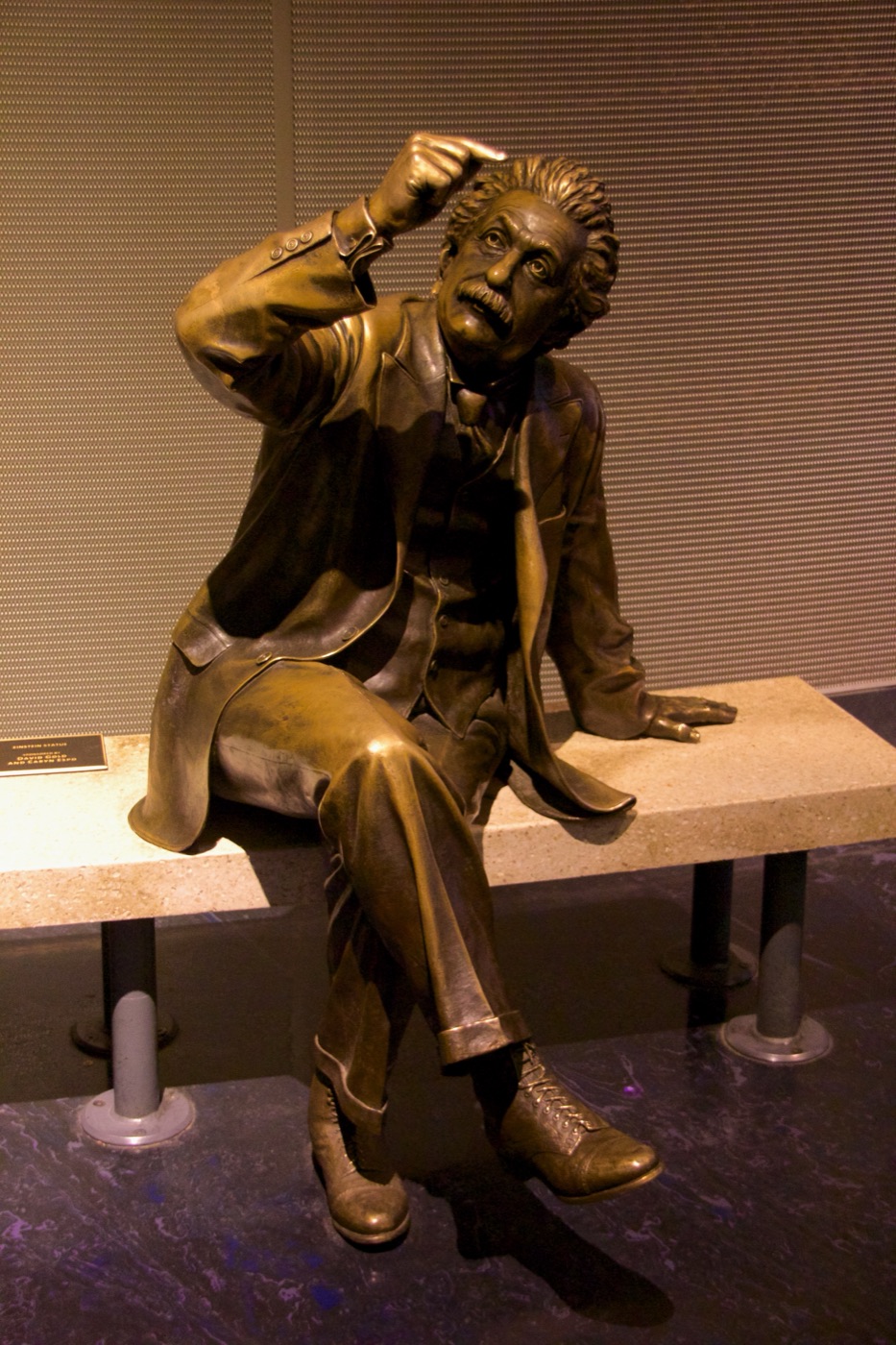
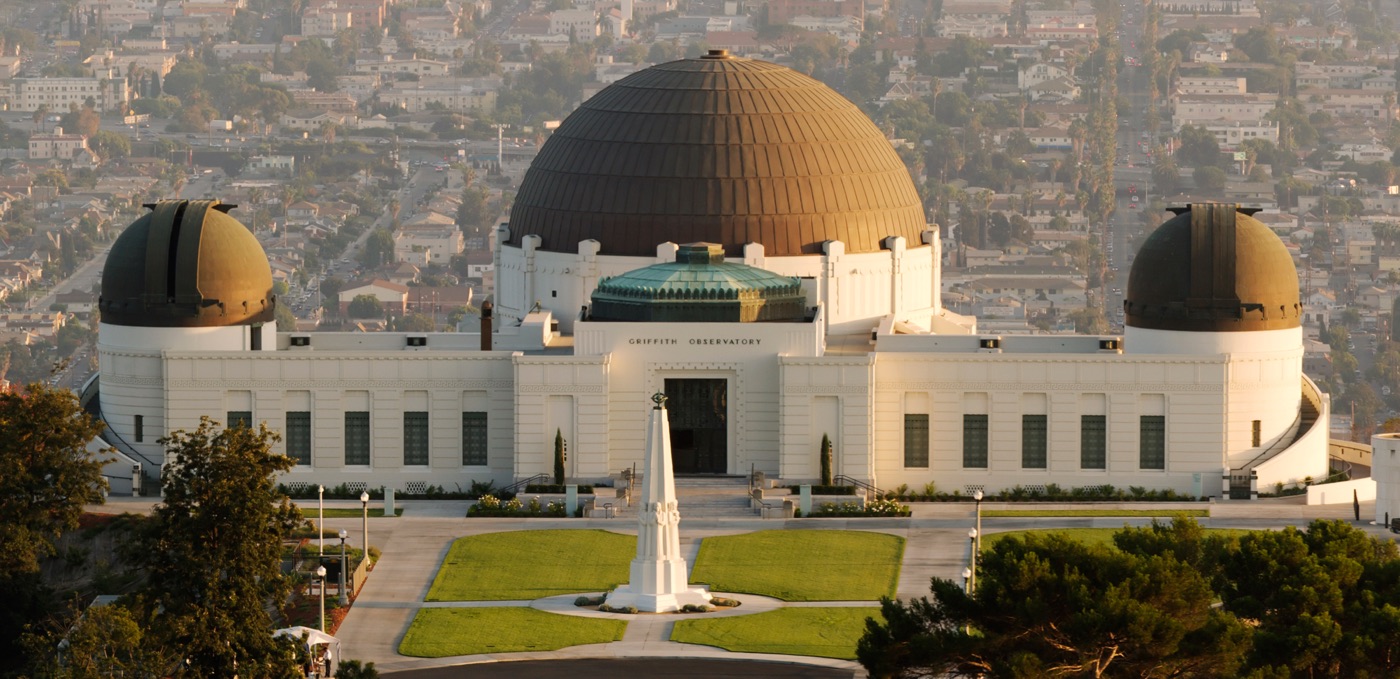
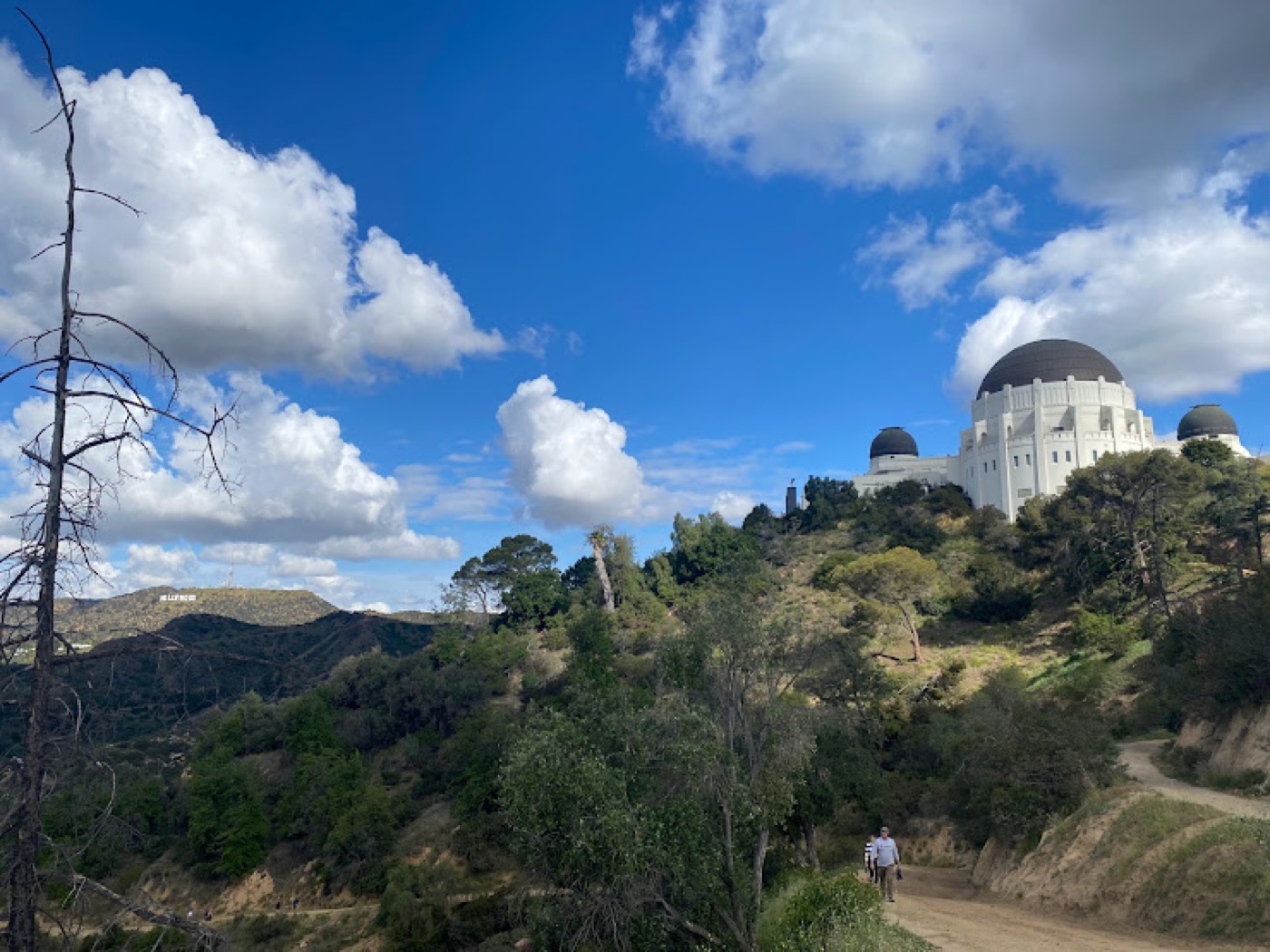
Griffith Observatory: Free Since Day One, on Purpose
Griffith Observatory opened in 1935 and has been free to enter every day since, by the explicit terms of the will of the man who funded it — Griffith J. Griffith, a Welsh-born mining speculator who'd already donated over 3,000 acres to the city in 1896 to create Griffith Park itself. He gave a further $100,000 toward the observatory in 1912. It remains one of the only major observatories in the country you can walk into without paying admission, which is a genuinely unusual policy to have survived this long.
Venice Beach Boardwalk: From "Venice of America" to Muscle Beach
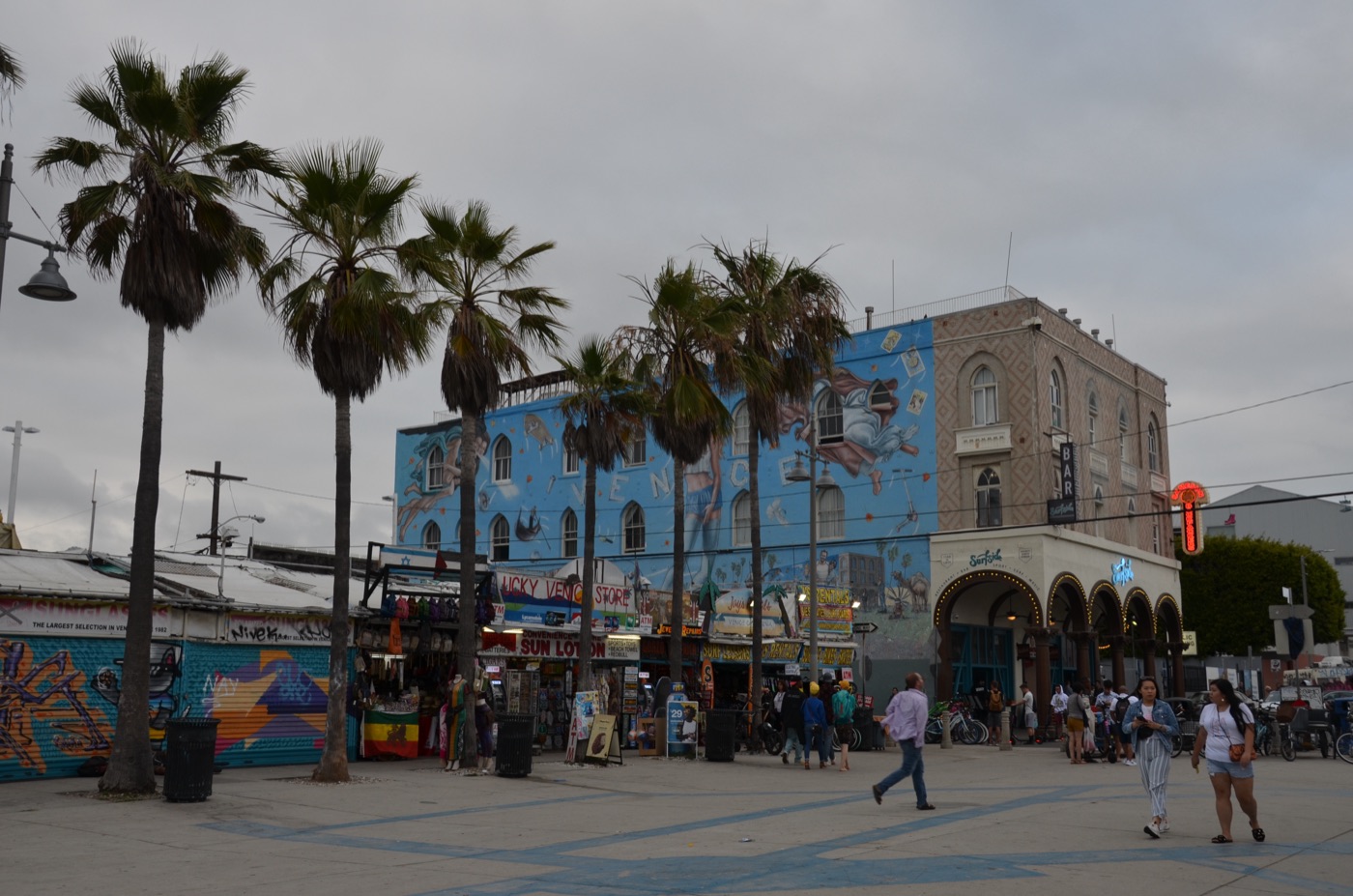
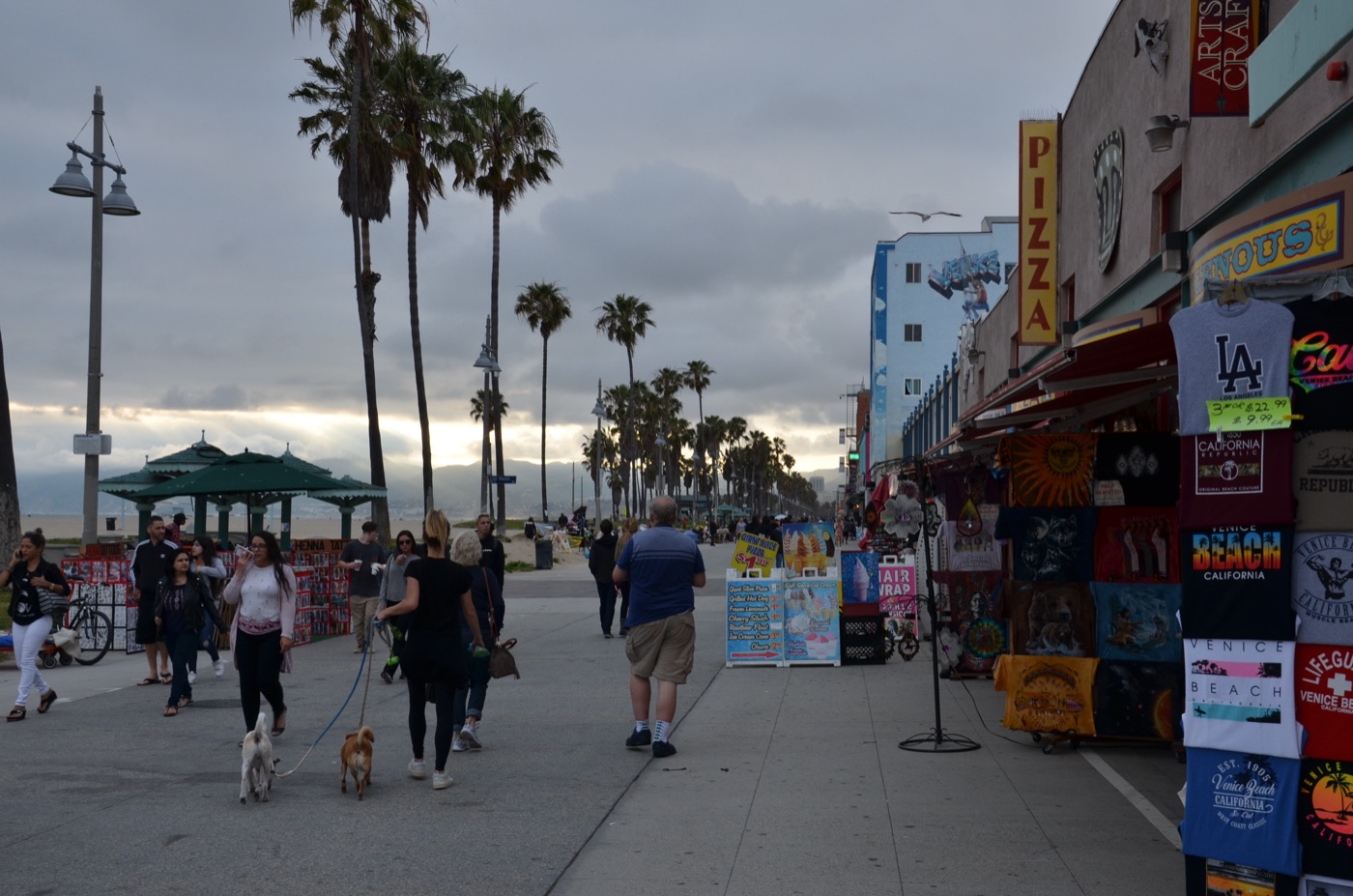
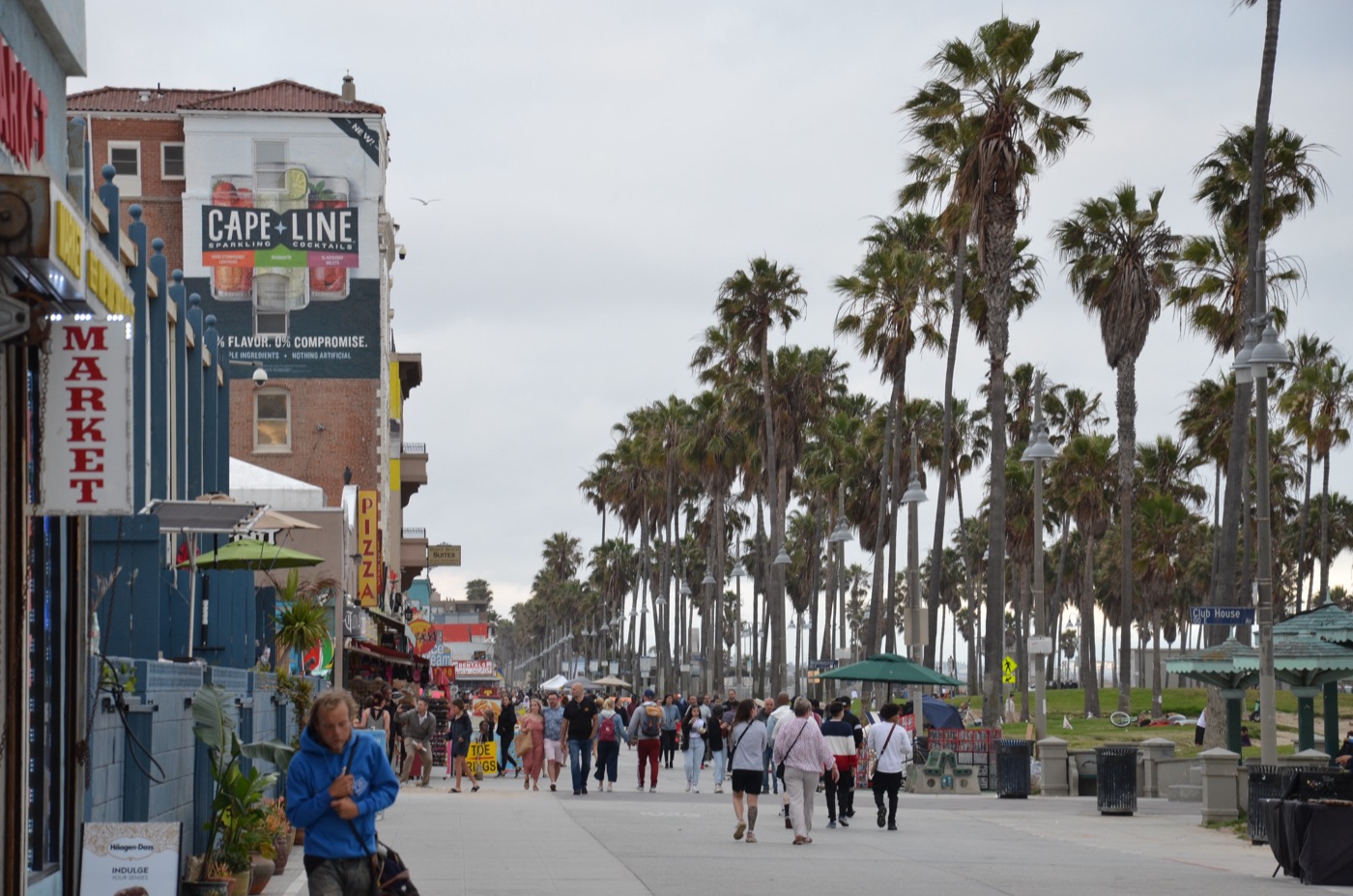
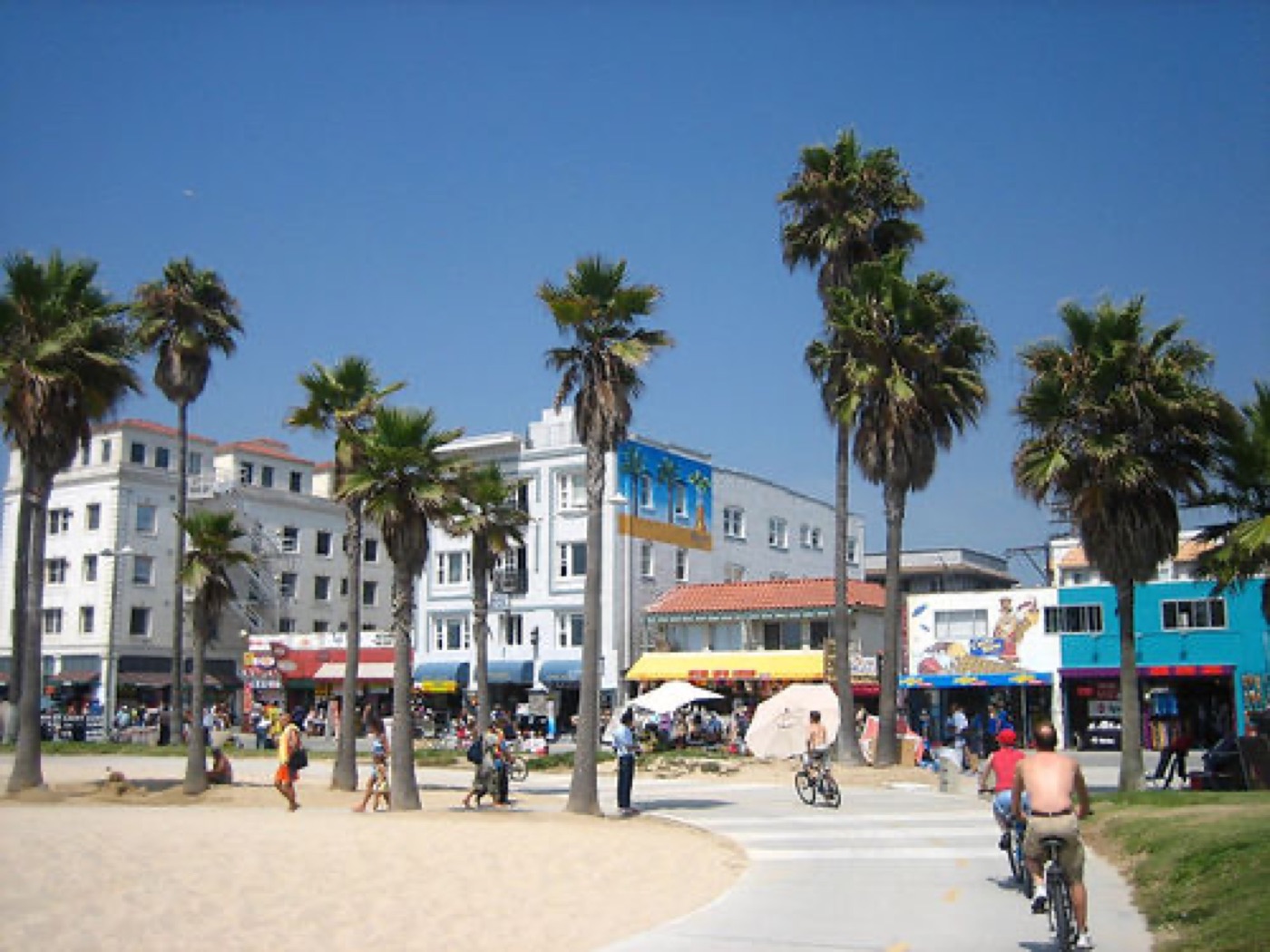
In 1905, tobacco magnate Abbot Kinney turned swampland into "Venice of America," a canal-laced resort complete with imported gondoliers, an amusement pier, and Renaissance-style arcades — genuinely themed as a west-coast Venice, not just a beach town with a name. Most of the original canals were filled in for roads as the decades passed. By the 1970s, the boardwalk had become a real hub for counterculture and street performance, a reputation it never really lost. Today it draws an estimated 10 million visitors a year, second in Southern California only to Disneyland.
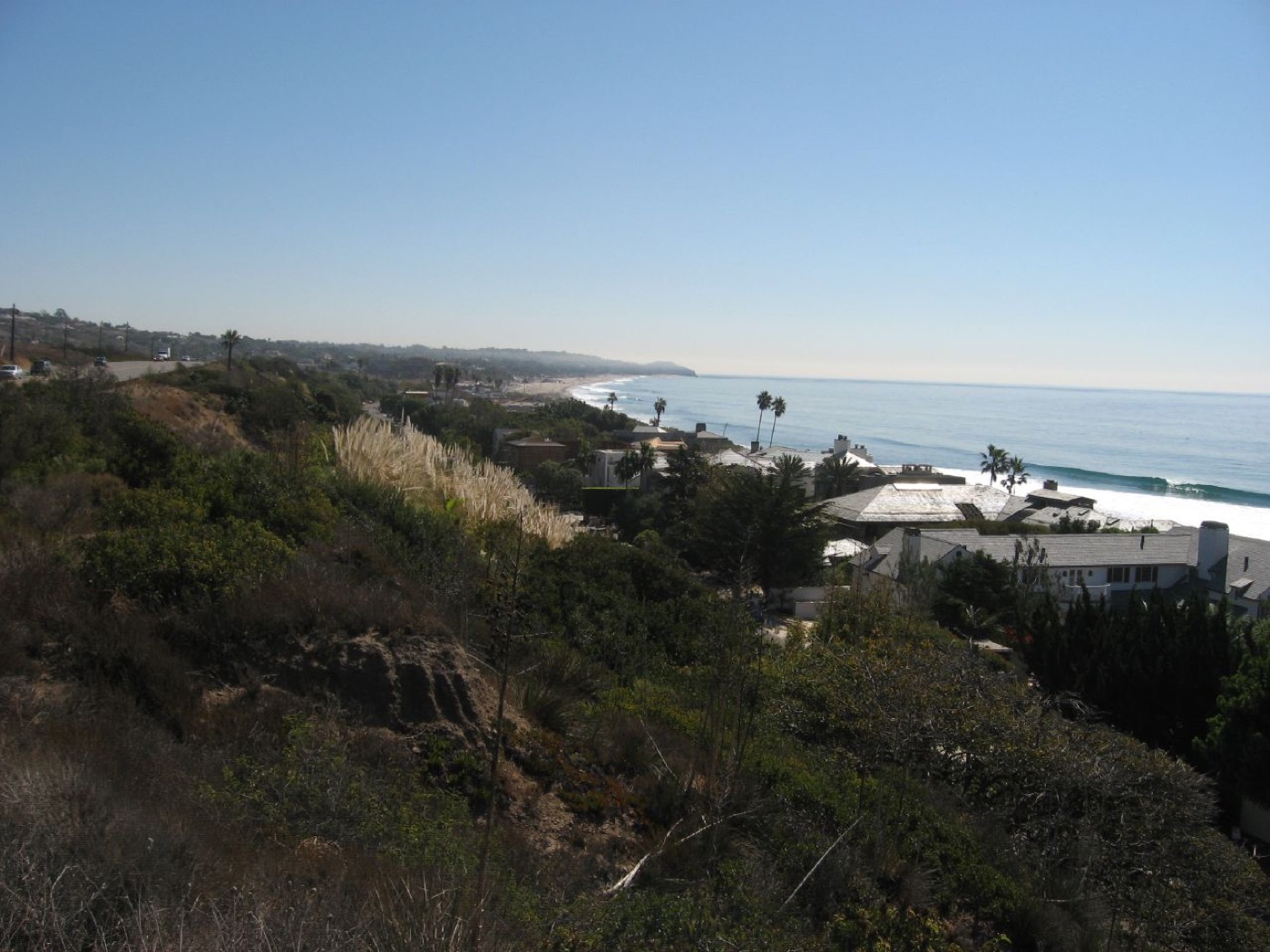
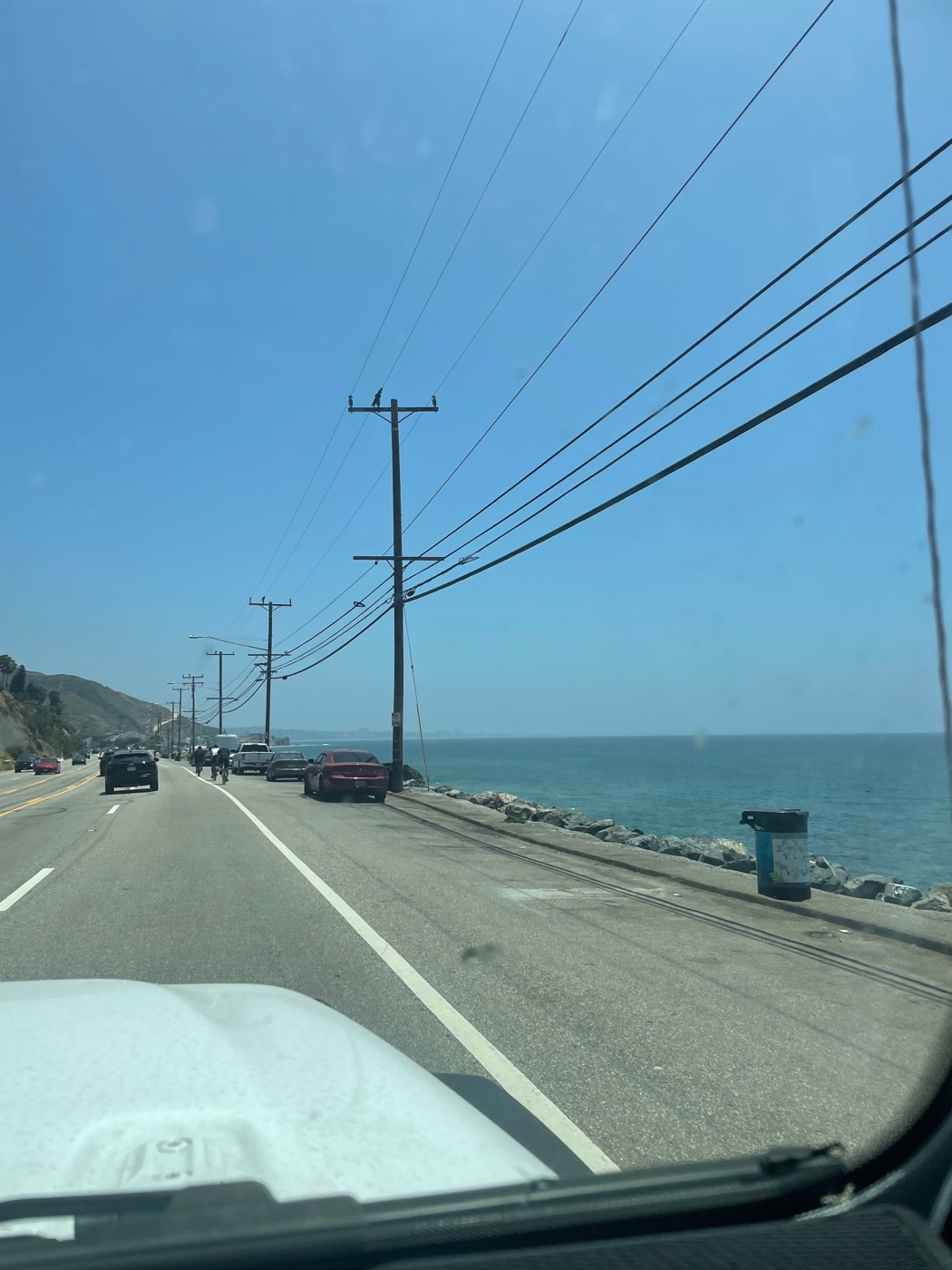
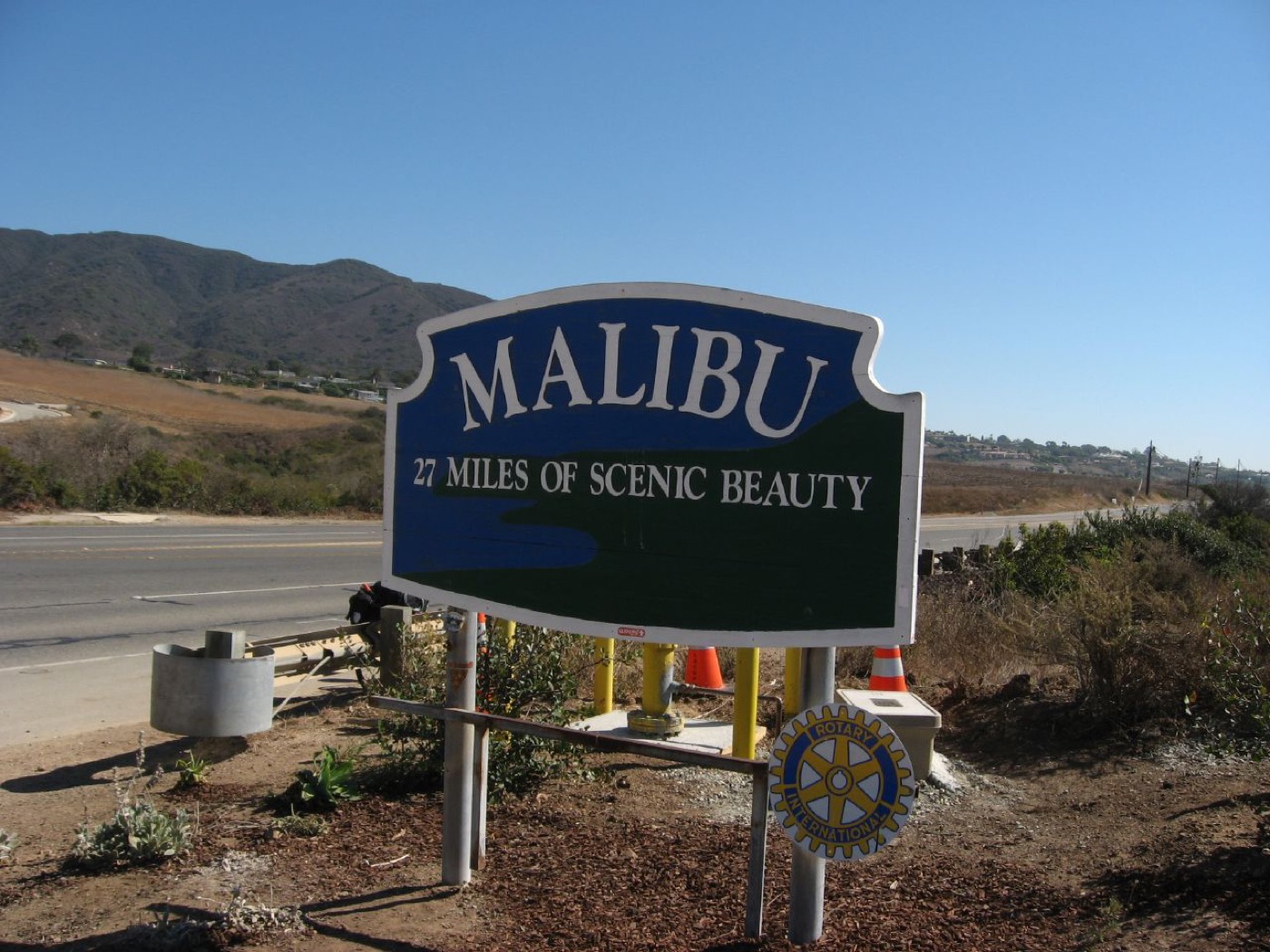
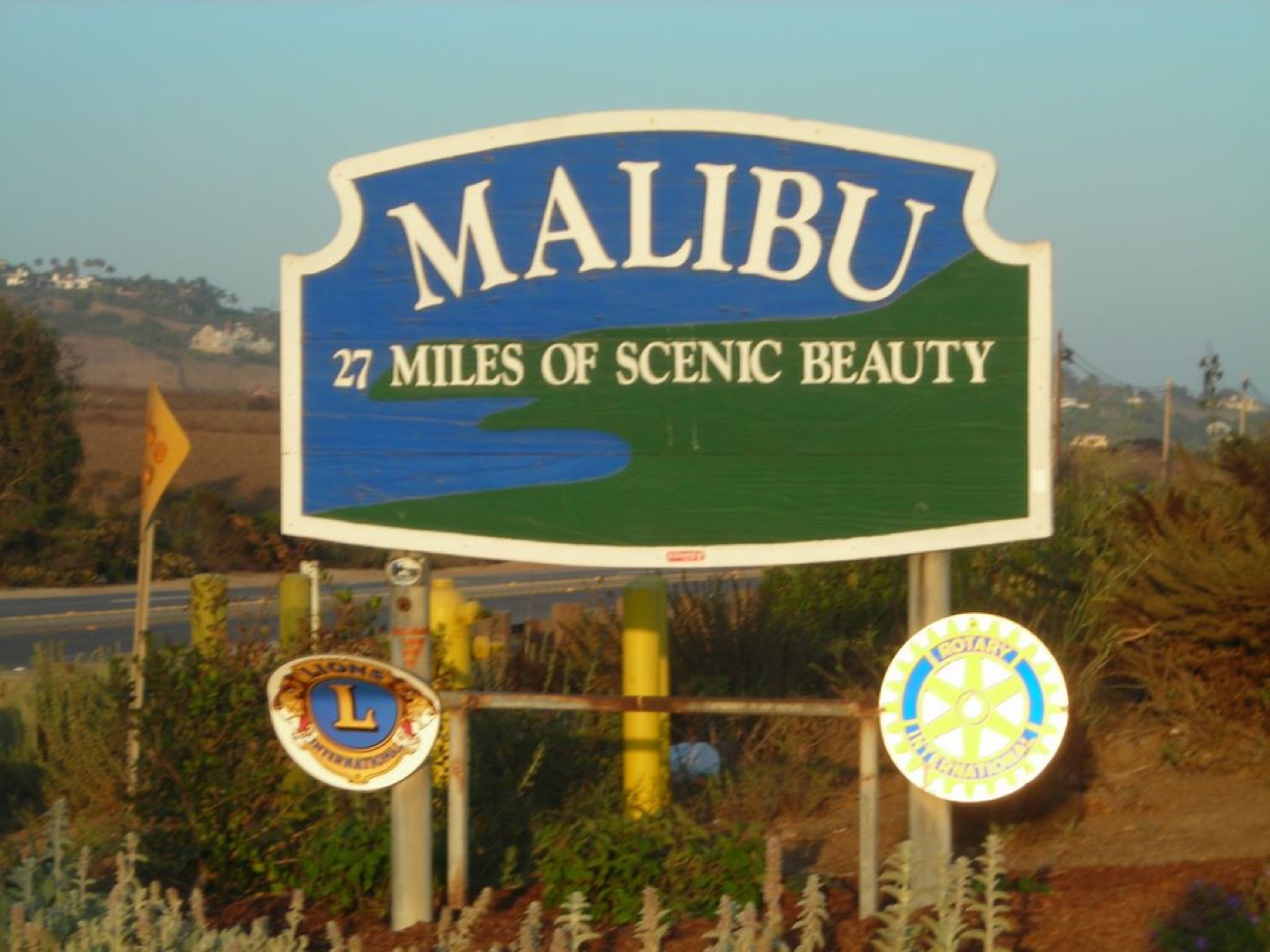
Malibu and the Pacific Coast Highway: A Road One Woman Almost Blocked
The stretch of Pacific Coast Highway through Malibu almost didn't get built at all. Since the 1890s, a primitive coastal road — often flooded at high tide — dead-ended at a locked gate on May Rindge's 17,000-acre ranch. Rindge fought the county for decades to keep the road off her land. She eventually lost in court, with a judge granting the county the right-of-way for $107,289, and the highway opened as part of the Roosevelt Highway in the late 1920s. It wasn't until 1964 that the green State Route 1 shields we know today actually went up.
Joshua Tree: A Park That Exists Because of One Woman's Advocacy
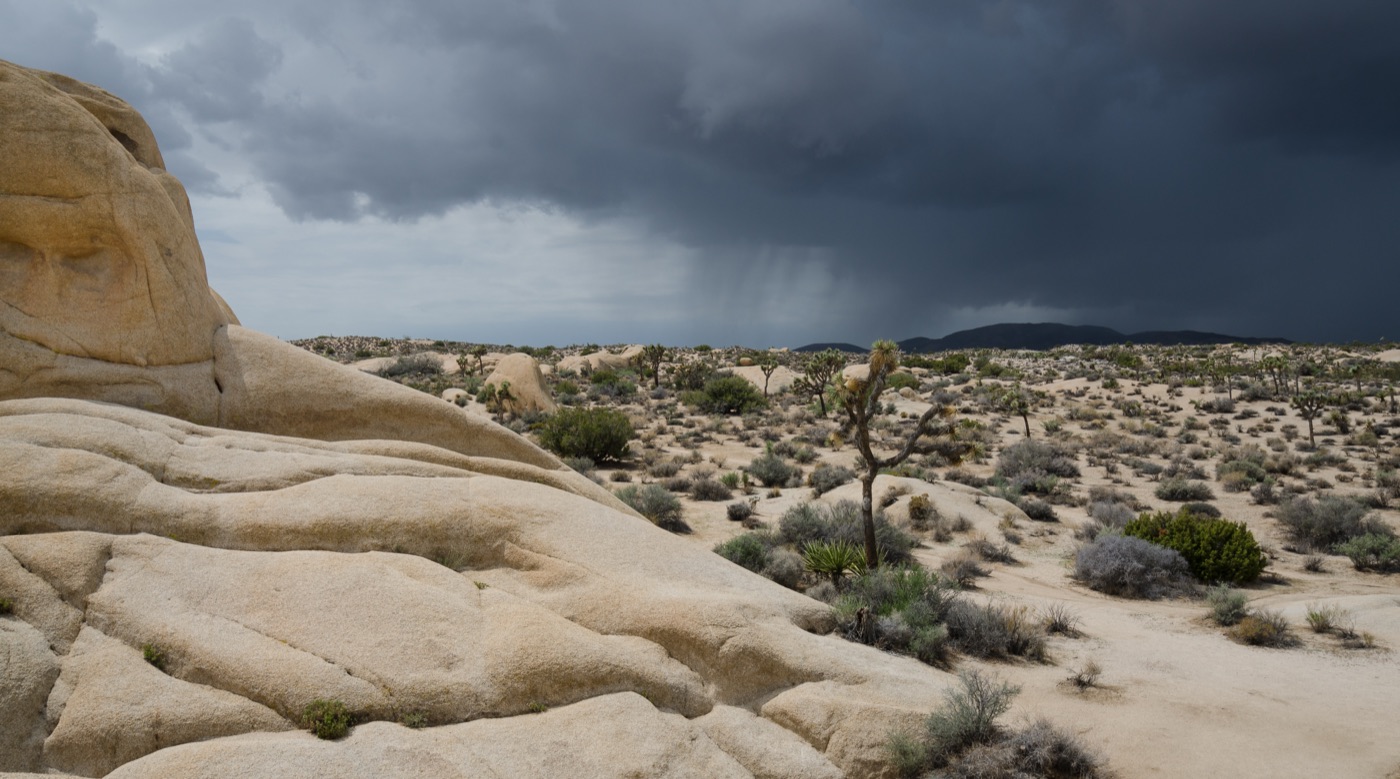
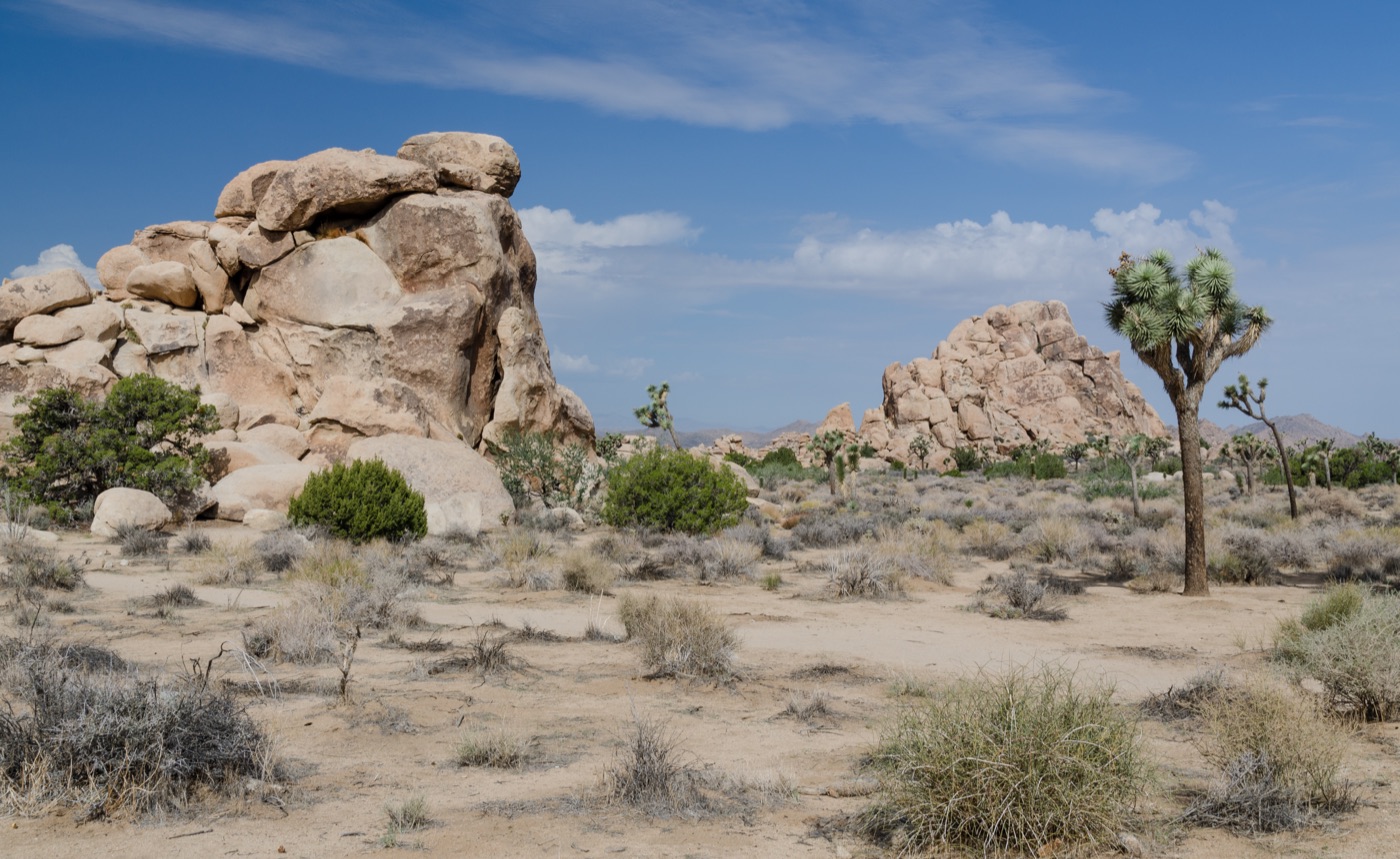
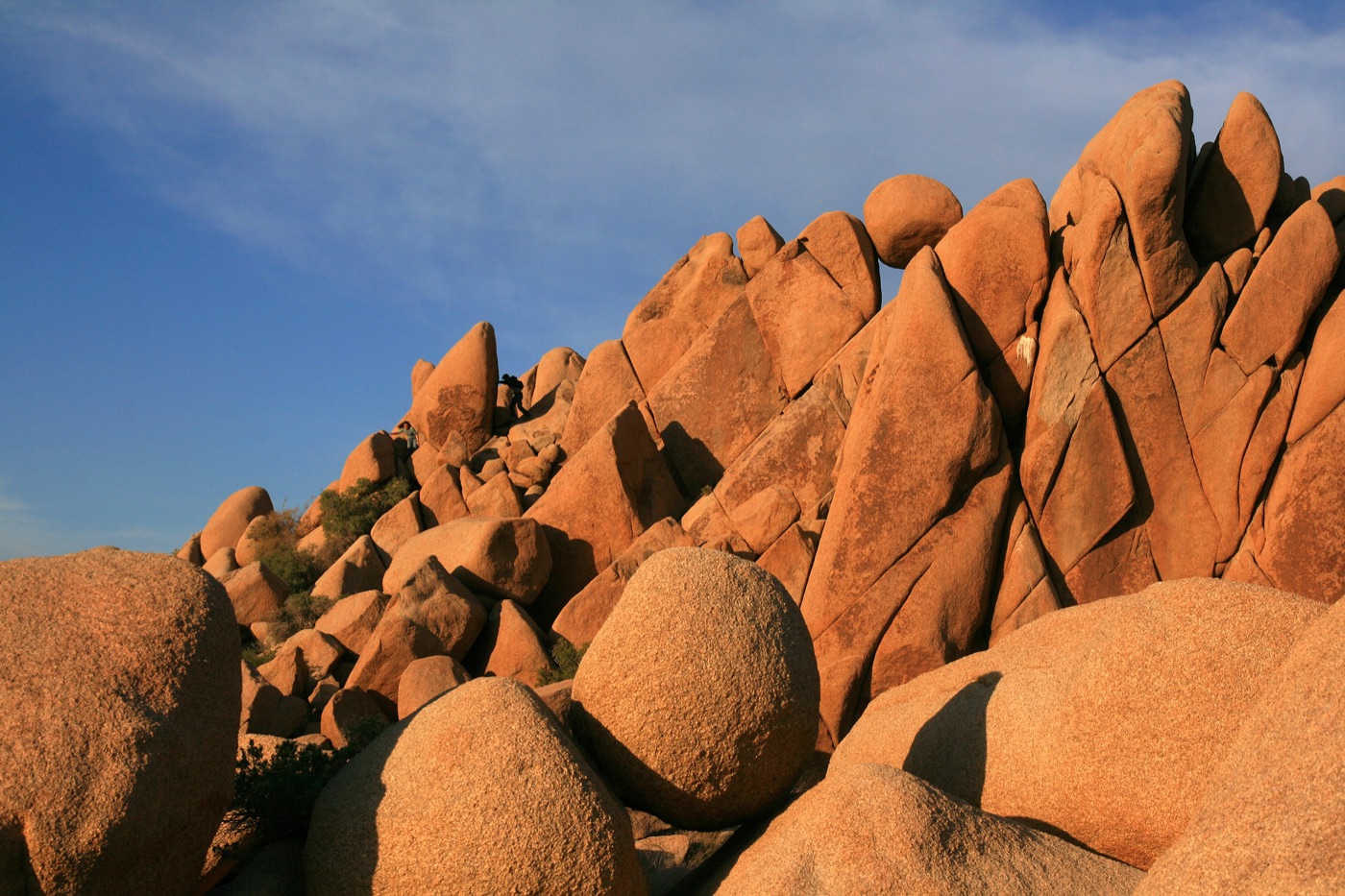
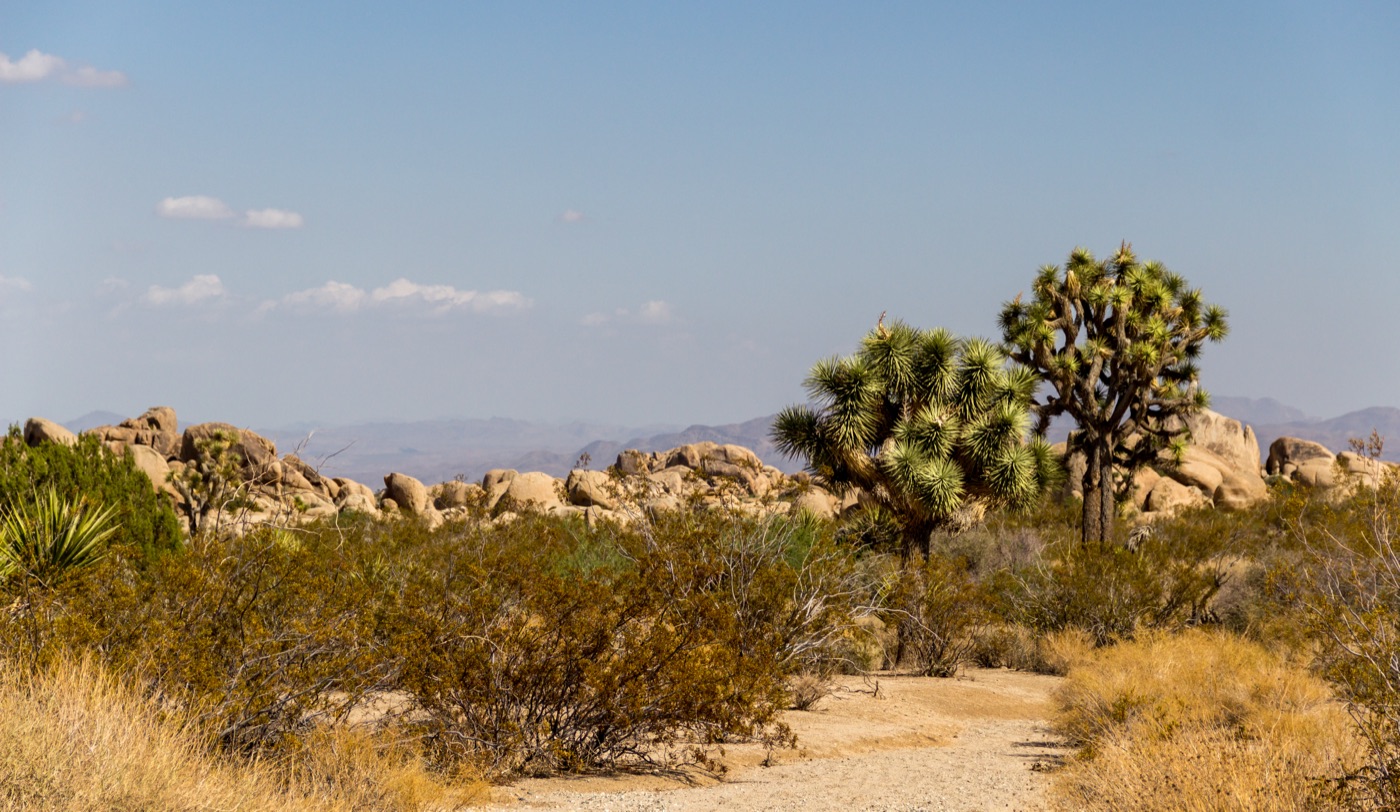
The desert stop on this trip has a real conservation origin story. In the 1920s and '30s, a Pasadena resident named Minerva Hoyt witnessed widespread destruction of the desert's cacti and unique plant life by collectors, and spent years lobbying for its protection. Her advocacy directly persuaded President Franklin Roosevelt to designate Joshua Tree National Monument in 1936 under the Antiquities Act. The monument actually lost nearly 290,000 acres to mining and grazing interests fourteen years later — it wasn't until the Desert Protection Act, signed October 31, 1994, that the area was expanded again and formally elevated to full National Park status.
The Palm Springs Aerial Tramway: "Crocker's Folly" Built by Helicopter
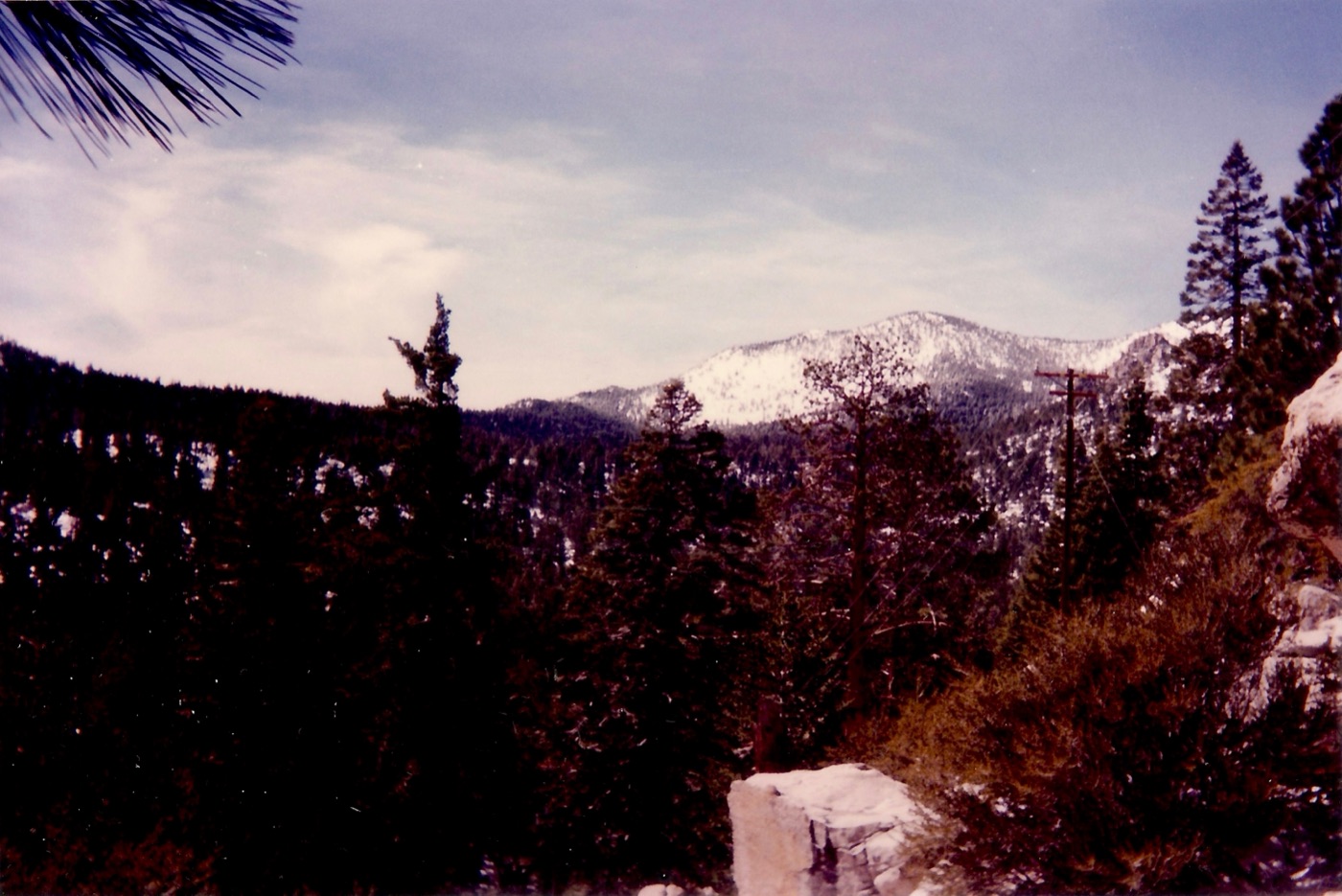
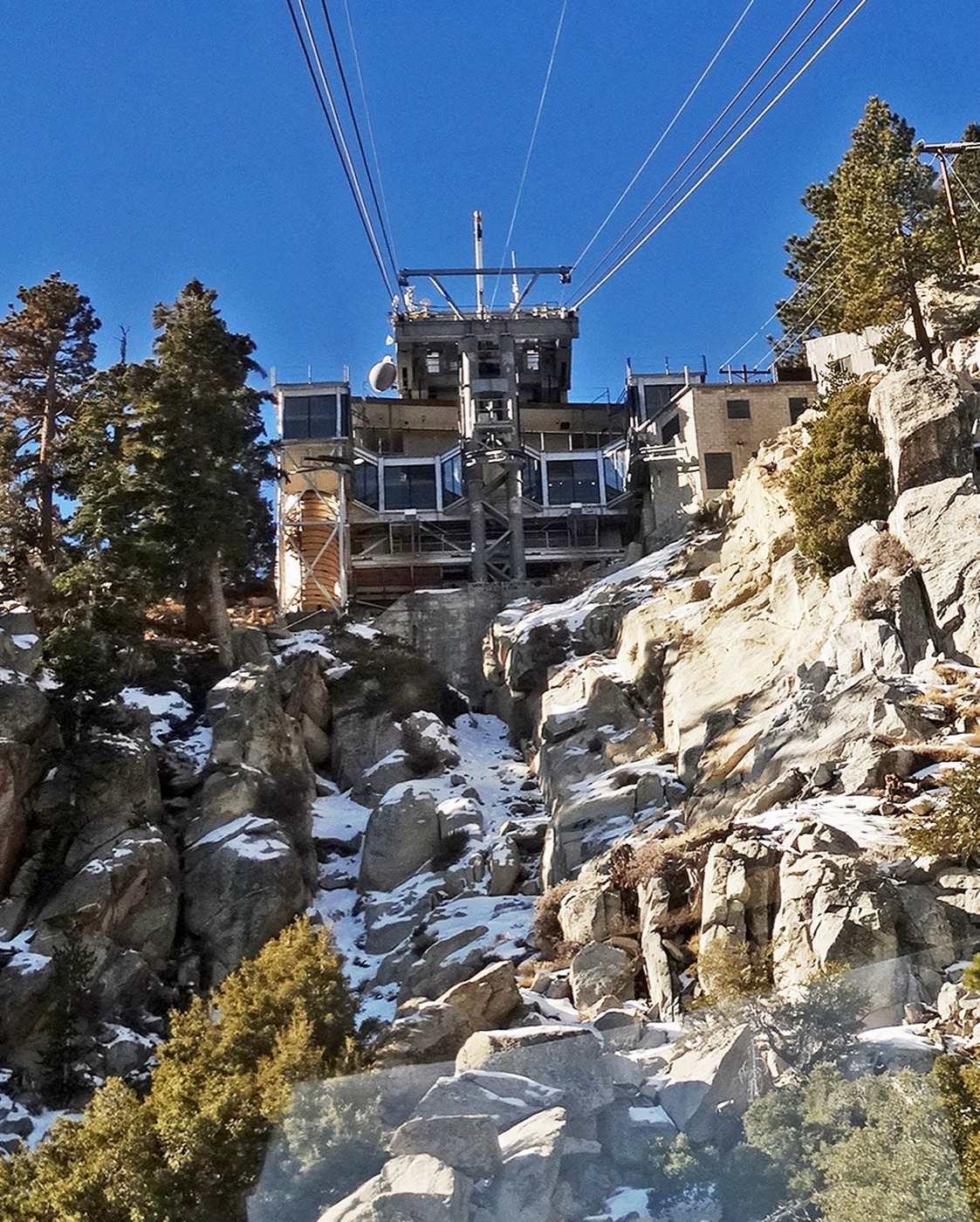
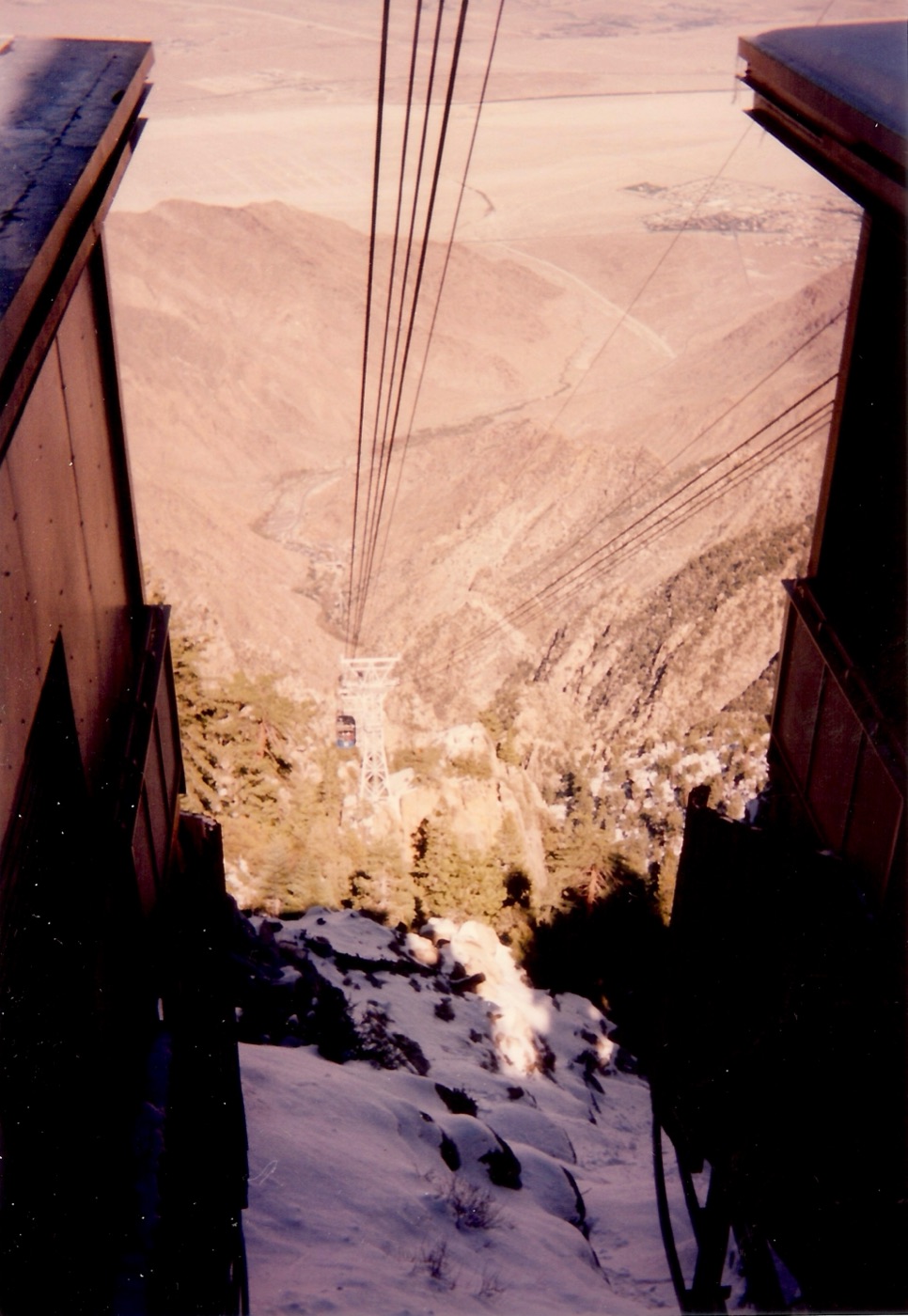
The idea for the Palm Springs Aerial Tramway started in 1935, when engineer Francis Crocker looked up at snow-capped Mount San Jacinto from the desert floor and decided a tram should connect the two. The project earned the nickname "Crocker's Folly" during its long delay, but construction finally began in 1961 — and became genuinely famous in engineering circles for using helicopters to fly roughly 23,000 missions erecting four of the five support towers, a feat later called the "Eighth Wonder of the World." The first ride ran September 12, 1963; it's still the largest rotating aerial tramway on Earth.
Mission Santa Barbara: The "Queen of the Missions," Still in Continuous Use
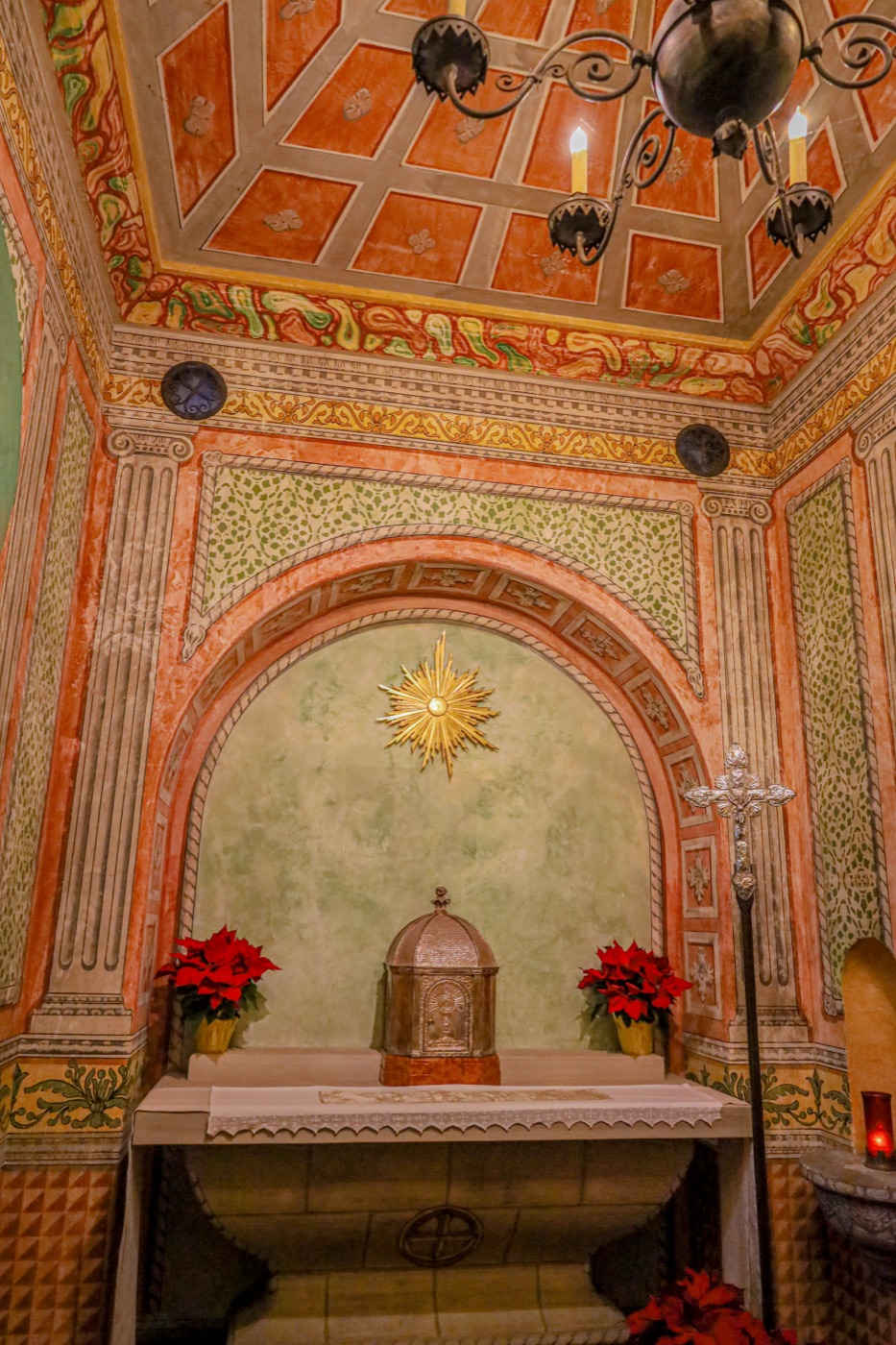
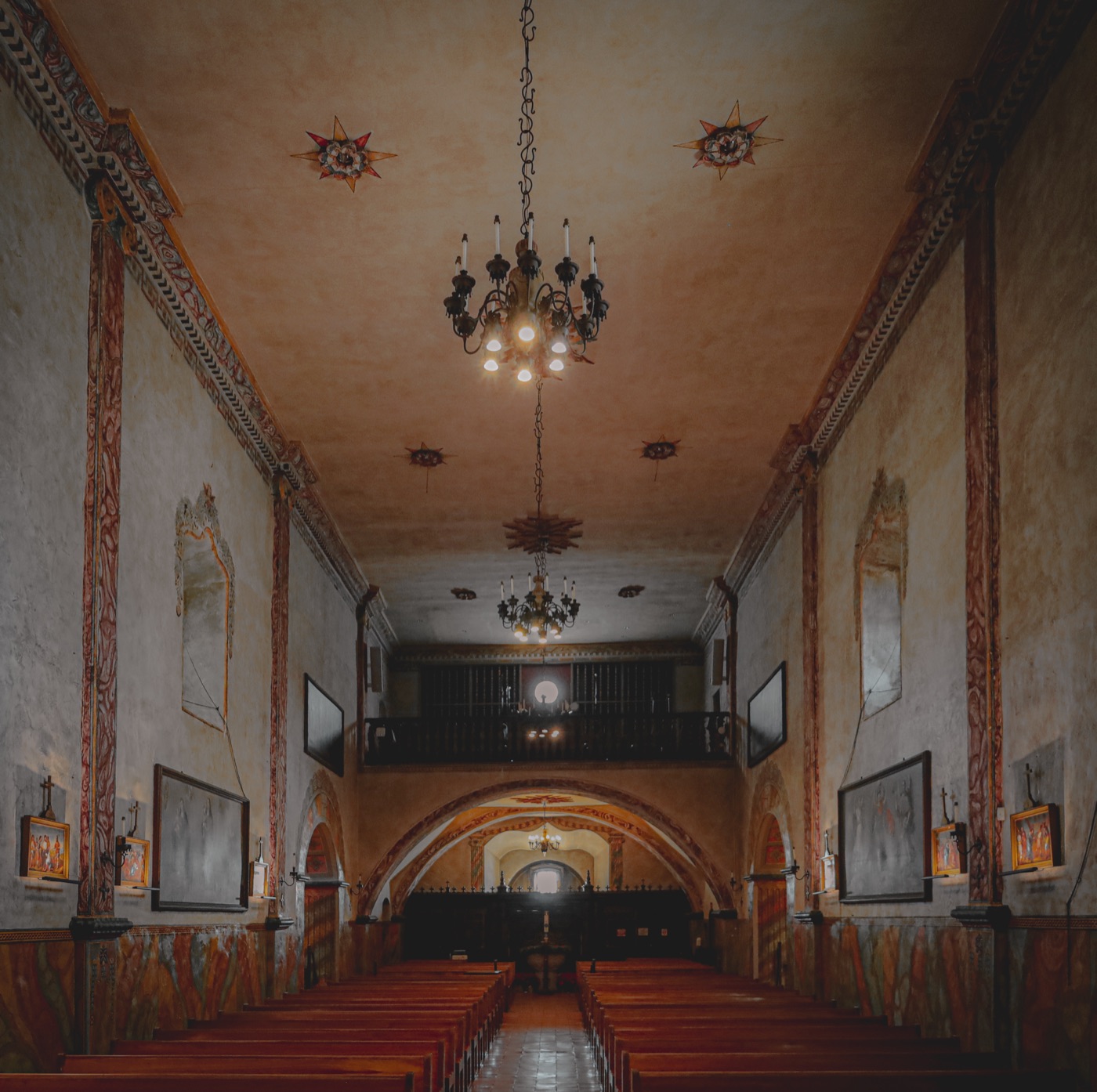
Mission Santa Bárbara was founded December 4, 1786, and is the only one of California's 21 missions to maintain an unbroken history of religious service since its founding. Three earlier adobe churches preceded the current one, built in 1820 after the first was damaged in a major 1812 earthquake — a second major quake in 1925 nearly destroyed it again. Its formal nickname, "Queen of the Missions," reflects both its imposing twin-tower facade and its genuinely uninterrupted role in the city's life for well over two centuries.
Solvang: A Real Danish Colony, Not a Theme Park
Solvang ("sunny field" in Danish) was founded January 12, 1911, when a group of Danish-American educators bought roughly 9,000 acres surrounding the historic Mission Santa Inés for about $75,000, advertising the new colony directly in Danish-language newspapers. The town didn't fully commit to its now-famous half-timbered, windmill-dotted look until the 1930s — the 1928 Lutheran church was the first building to use traditional Danish architecture. National attention arrived in 1947, when the Saturday Evening Post ran a feature calling it a "spotless Danish village that blooms like a rose" in the Santa Ynez Valley.
Balboa Park: A Park Planned Before the City Could Afford It
In 1868, San Diego's civic leaders set aside 1,400 acres of scrub mesa for what became Balboa Park — a genuinely bold move for a city that had just 2,300 residents at the time. The park wasn't named for explorer Vasco Núñez de Balboa until 1910, and most of the ornate Spanish Colonial-revival architecture that defines it today was built for the 1915 Panama-California Exposition, the first American use of that style at this scale. It remains one of the largest and oldest urban cultural parks in the country, and the buildings from that 1915 fair are still, remarkably, in active daily use.
Santa Monica Pier
Built 1909The symbolic, not legal, end of Route 66.
Free walk · rides extraHollywood Sign
1923, rebuilt 1949Started as a real-estate billboard.
Free (view only)Griffith Observatory
Opened 1935Free by the benefactor's own will.
Free · shows ~$10-15Venice Beach Boardwalk
Founded 1905Once a canal-laced "Venice of America."
Free · parking extraMalibu / PCH
Opened late 1920sAlmost blocked by one landowner for decades.
Free to driveJoshua Tree
Monument 1936, Park 1994Exists thanks to one conservationist's fight.
~$30/vehiclePalm Springs Tram
Opened 1963Built partly by helicopter, "Crocker's Folly."
~$30-35 round-tripMission Santa Barbara
Founded 1786Only mission never to lapse in service.
~$15 admissionSolvang
Founded 1911A real Danish colony, not a theme park.
Free walk · food extraBalboa Park
Set aside 1868Planned before the city could really afford it.
Free · museums extraHow This Actually Fits Together as a Trip
I said upfront this isn't a strictly linear route, and it isn't — but it does break down into real, sensible legs. Santa Monica, the Hollywood Sign, Griffith Observatory, and Venice Beach cluster together in and around Los Angeles proper, easily a long weekend on their own. Malibu extends north up the coast from there. Joshua Tree and Palm Springs sit together out east in the desert, a genuinely different leg requiring its own day or two. Santa Barbara Mission and Solvang cluster together up the coast to the north. Balboa Park sits alone at the southern end, near the border. Doing all ten in one trip means real backtracking no matter how you sequence it — I'd rather tell you that honestly than pretend there's a single elegant loop that doesn't exist.
Mission Santa Bárbara is founded — still in continuous service today.
San Diego sets aside 1,400 acres for what becomes Balboa Park.
Abbot Kinney founds "Venice of America" on the Venice Beach canals.
The Santa Monica Pier opens.
Danish-American educators found Solvang.
The Panama-California Exposition gives Balboa Park its iconic look.
The Hollywood Sign is erected as a real-estate billboard.
Griffith Observatory opens, free to the public by design.
Joshua Tree becomes a National Monument.
The Palm Springs Aerial Tramway opens.
Joshua Tree is elevated to full National Park status.
The Part Nobody Believes: I Still Take Visitors to All Ten
People assume that after a lifetime in Southern California, a place like Griffith Observatory or the Santa Monica Pier stops being interesting to actually visit. It doesn't. I still genuinely enjoy taking out-of-town friends to every single one of these ten stops, partly because watching someone see the Hollywood Sign for the first time reminds me it's a real, strange, slightly absurd piece of history — a billboard that outlived its own advertisement by a century — and not just wallpaper I've stopped noticing.
Common questions
Is Santa Monica Pier really the "official" end of Route 66?
Not legally — the highway's true endpoint was a few blocks inland at Lincoln and Olympic. The pier's "End of the Trail" sign, unveiled in 2009, is honestly described by the city itself as the symbolic rather than official end.
Can you actually walk up to the Hollywood Sign?
No — it's fenced, monitored, and getting close is both against the rules and genuinely difficult terrain. Public overlooks, including Griffith Observatory, are the real way to see it.
Are these cost bands reliable?
Treat them as a rough, current-season snapshot, not a quote — park fees, parking rates, and food prices all drift, sometimes within the same year.
Do I need a car for all of this?
Genuinely, yes. This is a road trip in the literal sense — public transit covers pieces of the LA cluster, but Malibu, Joshua Tree, Palm Springs, Santa Barbara, Solvang, and San Diego are not realistically connected without a car.
None of these ten stops is a manufactured photo-op dressed up as history — a real 1909 pier, a real 1923 billboard, a real free observatory, a real fight over a coastal road, a real conservationist's desert park, a real helicopter-built tramway, a real 1786 mission, a real Danish colony, and a real park a small city set aside before it could afford to. That's a genuinely better foundation for a road trip than most "iconic" lists get credit for, and it's why I keep going back to all ten myself.
Legit disclosure. This is a researched history and travel piece — no affiliate links, no sponsorship, no product to sell. Facts on the Santa Monica Pier and Route 66's true endpoint, the Hollywood Sign's 1923 billboard origin and 1949 rebuild, Griffith Observatory's free-admission mandate, Venice Beach's 1905 "Venice of America" founding, Malibu PCH's May Rindge legal dispute, Joshua Tree's Minerva Hoyt-driven 1936 designation and 1994 park status, the Palm Springs Aerial Tramway's helicopter-built construction, Mission Santa Barbara's unbroken service history, Solvang's 1911 founding, and Balboa Park's 1868 origin and 1915 exposition architecture are drawn from Wikipedia, the National Park Service, and official city/park history pages. Rough cost bands reflect general current admission, parking, and typical spend and are explicitly time-sensitive estimates, not quotes — Legit's standing no-prices policy is intentionally set aside for this piece, as it was for our companion car pieces, at the site's own discretion, because these are practical travel-cost ranges, not retail deal or discount claims. All 40 photographs are real, independently sourced from Wikimedia Commons under their stated Creative Commons or public-domain licenses, credited individually in each caption. Donald Kingzley's own recollections are personal and impressionistic, and are presented as such.
Corrections: email us