The gist
- 73% of Gen Z shoppers now abandon carts on purpose, up from 41% in 2023, according to the Halden Institute.
- 'Phantom checkout' sessions average 22 minutes — longer than most completed purchases.
- Browse-only platforms report record engagement with near-zero conversion, and consider that a feature.
- Clinicians are cautiously endorsing the ritual as a low-cost form of impulse regulation.
📰 Satire · Not real reporting
This article is written as satirical journalism. It reads like a real news feature but it is entirely fiction. Every statistic, think-tank citation, expert quote, survey result, and market figure is invented. DopaNews does not conduct research. The "researchers," "analysts," and "institutions" quoted do not exist. This is a parody of culture reporting — read it for entertainment, not facts.
The 3 A.M. Cart That Was Never Meant to Ship
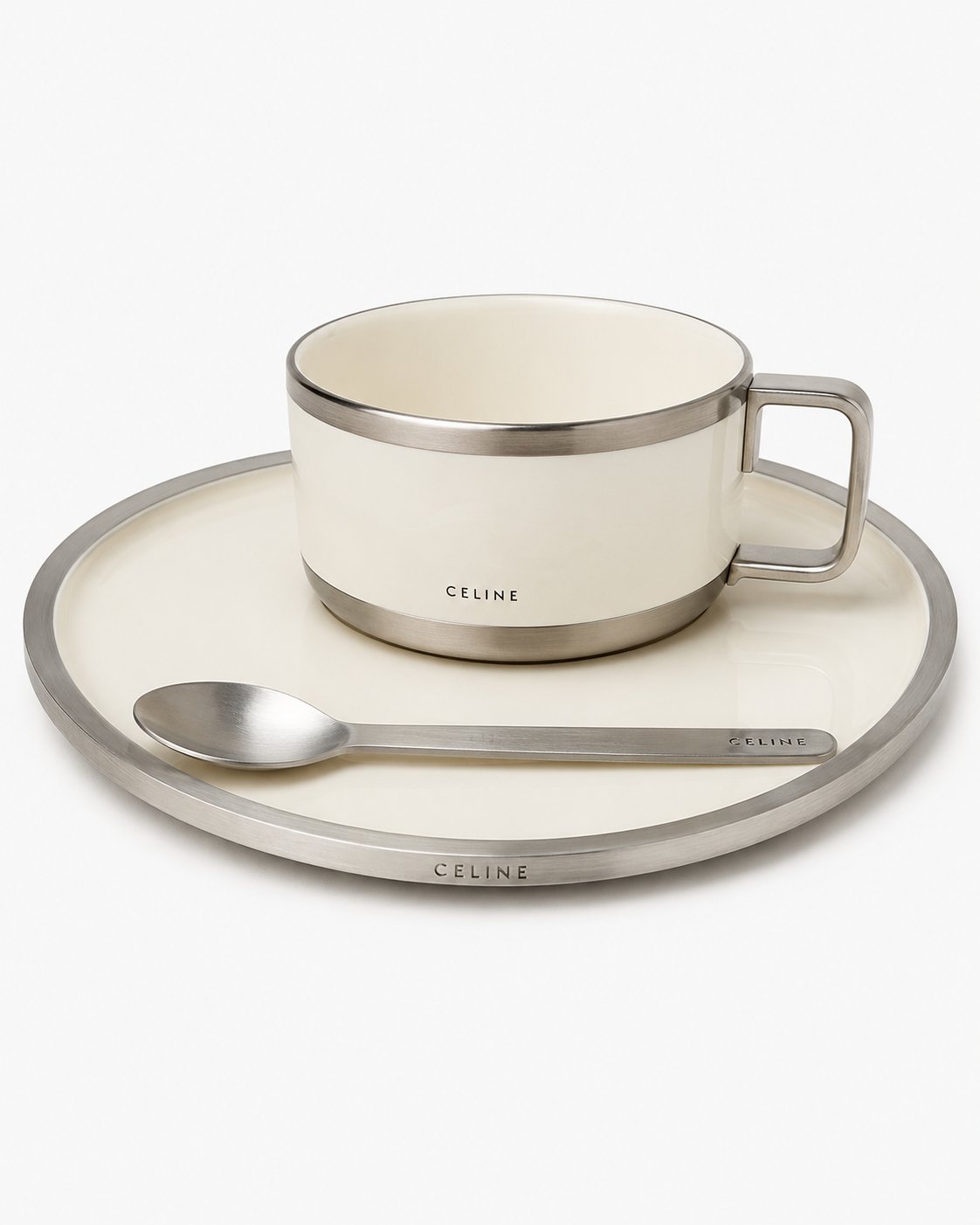
It is 3:14 in the morning and Priya Raman, 23, has assembled the most expensive shopping cart of her life: a Neverfull tote, four dinner plates rimmed in gold, an espresso machine wrapped in monogram canvas. Total: $9,570. She reviews it the way one reviews a completed painting. Then she closes the tab and goes to sleep, calmer than she has felt all week.
Raman is not an outlier. She is a data point in what the Halden Institute for Consumer Behavior in Oslo has termed the Phantom Cart Effect — the deliberate construction and abandonment of purchases as an emotional endpoint, not a failure of one. In a longitudinal survey of 11,400 respondents aged 18 to 27, the Institute found that 73% now abandon at least one cart per week on purpose, up from 41% in 2023.
'We used to model cart abandonment as friction — a broken funnel,' says Dr. Ingrid Sørensen, the study's lead author. 'What we're seeing now is intention. The abandonment is the transaction. They're paying in attention and walking away with the feeling.'
The Neurochemistry of Almost
The mechanism, researchers argue, is anticipatory rather than acquisitive. A 2026 paper from the Fenwick Lab at the University of Auckland tracked dopamine proxies across 340 subjects during simulated shopping and found that reward markers peaked not at purchase confirmation, but roughly 90 seconds before — during the imagined act of owning.
'The brain doesn't distinguish sharply between a thing you will have and a thing you are vividly picturing having,' says Dr. Malachi Fenwick. 'Checkout, it turns out, is the anticlimax. Gen Z has simply learned to leave the party before the anticlimax arrives.'
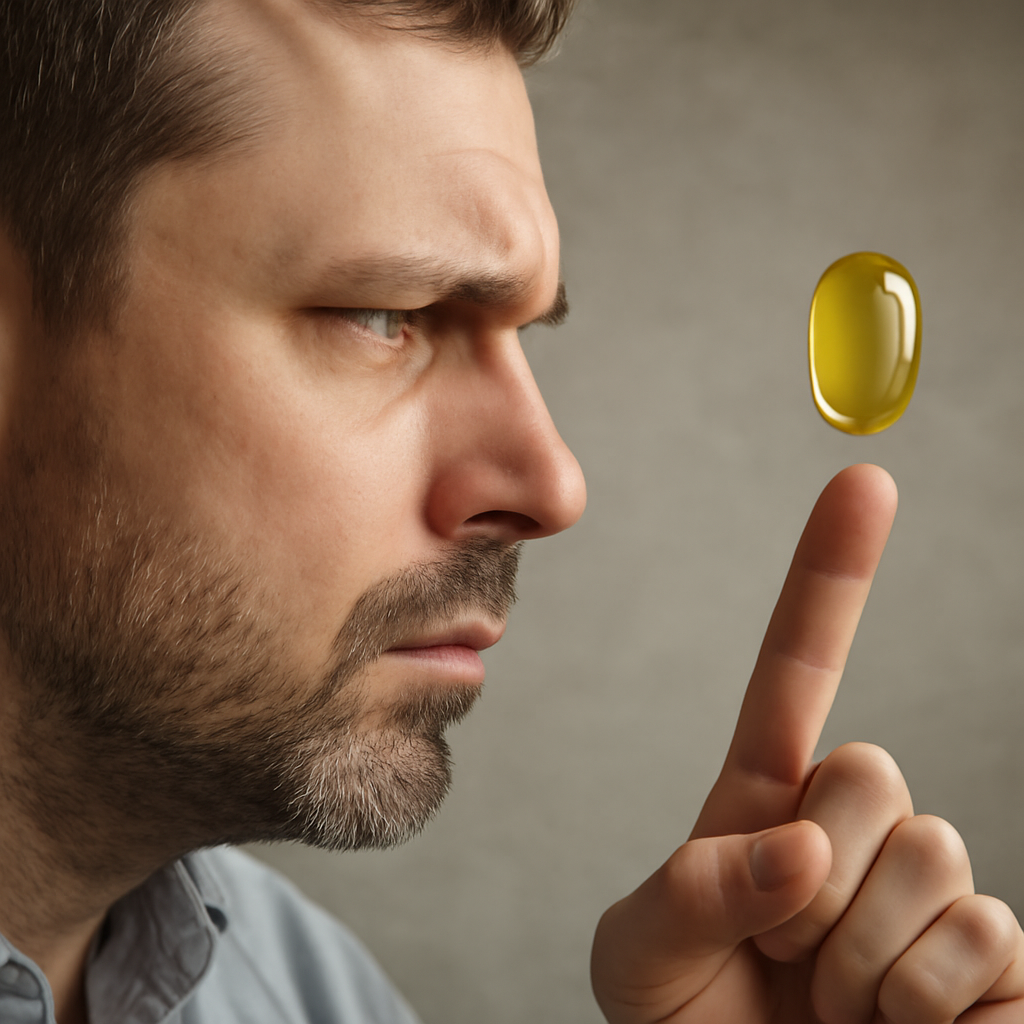
Fenwick's team coined the term 'possession without custody' to describe the state: the emotional benefits of ownership, minus delivery, storage, credit card debt, or the eventual disappointment of the object being merely an object. In focus groups, participants described the closed tab as 'the cleanest high in retail.'
The No-Checkout Economy Grows Up
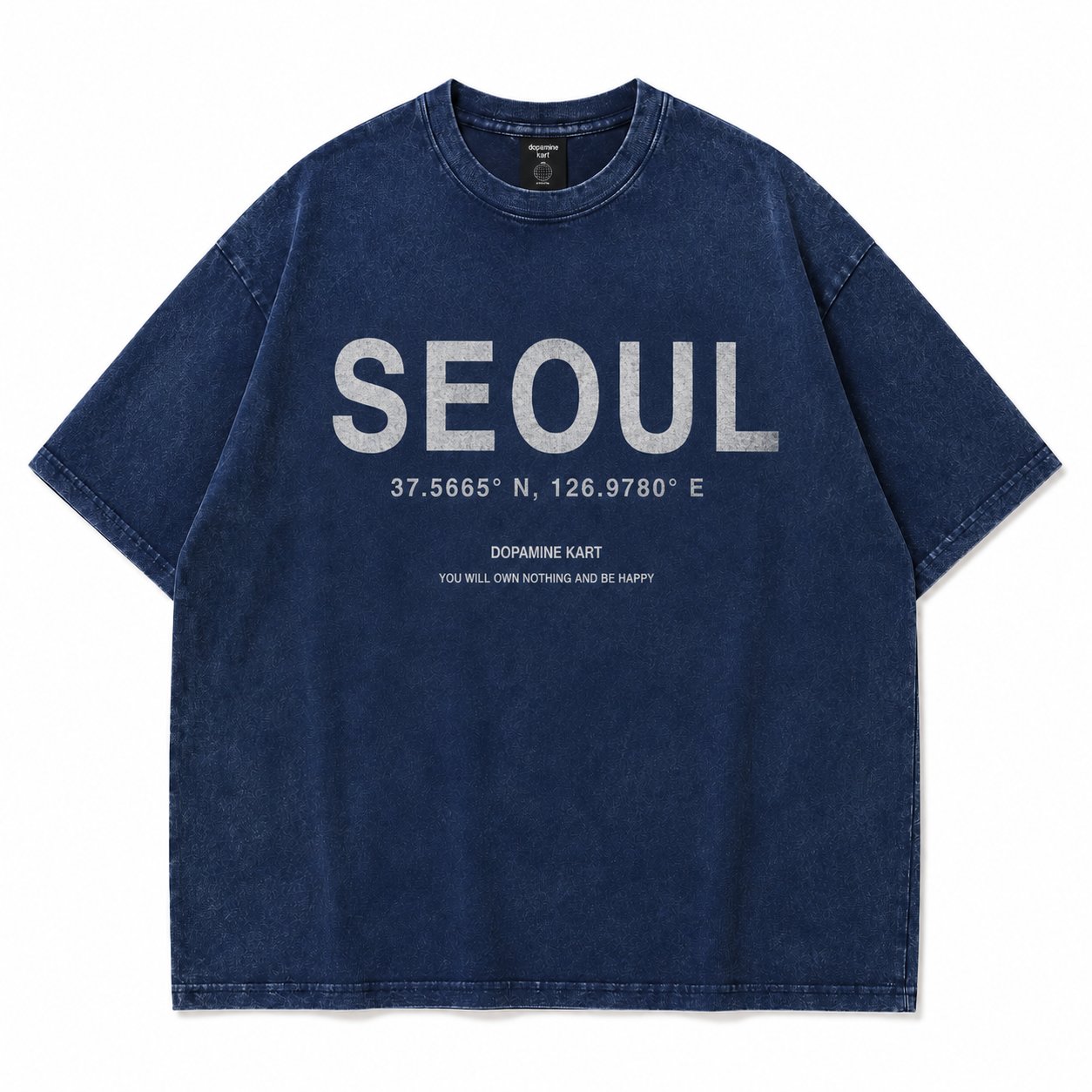
This behavior has quietly birthed an entire class of platform. Browse-only marketplaces — sites engineered for desire rather than delivery — reported a combined 210% jump in monthly active users over the past year, per the retail-analytics firm Corvid Metrics. DopamineKart, among the most-trafficked, logs an average session of 22 minutes and a conversion rate its own team describes, without irony, as 'gloriously low.'
'Every other retailer treats a non-purchase as a leak,' says Corvid analyst Dominic Ashe. 'These platforms treat it as the product. You're not there to buy the Cassandre clutch. You're there to have wanted it, fully and safely, and then get on with your evening.'
The economics are stranger than they look. Advertisers, initially baffled, now pay premiums for placement on browse-only feeds, having discovered that a $1,750 clutch admired for four minutes generates more brand recall than the same clutch purchased and forgotten in a closet.
⚠️ REMINDER: All statistics, studies, quotes, and data above are entirely fictional. This is satire.
Self-Care, or a Very Elegant Cope?
The self-care framing is where skeptics tap the brakes. On TikTok, the hashtag #PhantomCart has 890 million views, most of them narrated in the vocabulary of wellness: boundaries, regulation, 'protecting my peace by not buying the corset.'
Clinicians are split but curious. 'If the alternative is compulsive spending, then a ritualized non-purchase is a genuinely healthier loop,' says Dr. Renata Voss of the Berlin Center for Digital Behavior. 'My concern is when abandonment becomes its own compulsion — when you can't feel calm unless you've first spent forty minutes almost spending four thousand dollars.'
Voss's clinic has begun logging what it calls 'phantom fatigue': patients who report the ritual losing potency, requiring ever-larger imaginary carts to produce the same relief. The remedy, so far, is not less browsing. It is browsing with 'lower stakes and better taste.'

The Contrast Test
To understand the appeal, consider two objects. A Louis Vuitton Monogram Canvas Espresso Machine costs $6,800, weighs a small argument's worth of guilt, and will one day need descaling. A perfectly good stovetop moka pot costs $34 and makes, by most accounts, identical coffee.
The Phantom Cart shopper is uninterested in either transaction. She adds the $6,800 machine, admires the idea of a kitchen worthy of it, and closes the tab having spent nothing and gained a mood. The moka pot, meanwhile, sits in a real cart somewhere, boring and un-abandoned.
'The whole point,' Raman explains, 'is that the fantasy version doesn't leak. It never arrives wrong. It never guilts you.' She has, she notes, never once regretted a cart she didn't buy.
⚠️ REMINDER: All statistics, studies, quotes, and data above are entirely fictional. This is satire.
You're not there to buy the clutch. You're there to have wanted it, fully and safely, and then get on with your evening.
📊 A note on our data
Every percentage, price estimate, expert quote, study citation, survey result, and scientific finding in this article is completely made up. DopaNews Fantasy articles are absurdist fiction. We write fake statistics with maximum confidence because that's the bit. Please do not repeat them as facts, share them as real, or use them in any decision-making. They are jokes wearing lab coats.
Questions people actually ask
Is the Phantom Cart Effect actually good for you?
Clinicians say it can be a healthier alternative to compulsive buying, but warn against 'phantom fatigue' — needing ever-larger imaginary carts to feel the same relief.
Why do browse-only platforms want low conversion?
Because engaged non-buyers deliver strong brand recall and long session times, which advertisers now pay a premium to reach — no shipping required.
How much are people 'not spending' per session?
Halden Institute data puts the average abandoned cart at $4,300, with 22-minute sessions that outlast most completed purchases.
More dopamine · zero checkout
The DopaNews verdict
The Phantom Cart Effect isn't a glitch in the funnel — it's the new destination. If wanting something fully and buying nothing is the cleanest high in retail, then a place like DopamineKart, where you can browse the finest objects on earth and check out with your bank account intact, may be the most honest storefront of the year.