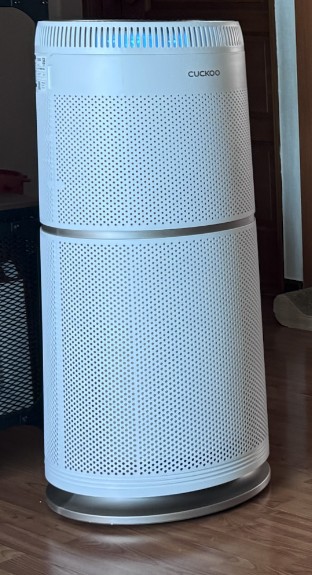
More animals means more shedding, more dander, and more odor sources than a single-pet household. That combination puts real strain on an air purifier's filters, and it changes what you should prioritize when shopping. We want to be upfront: we haven't run our own lab tests on every unit sold on Amazon, and we're not going to pretend otherwise. Instead, this guide focuses on the features and specs that genuinely matter for pets, so you can read a product listing and judge for yourself.
The ranking



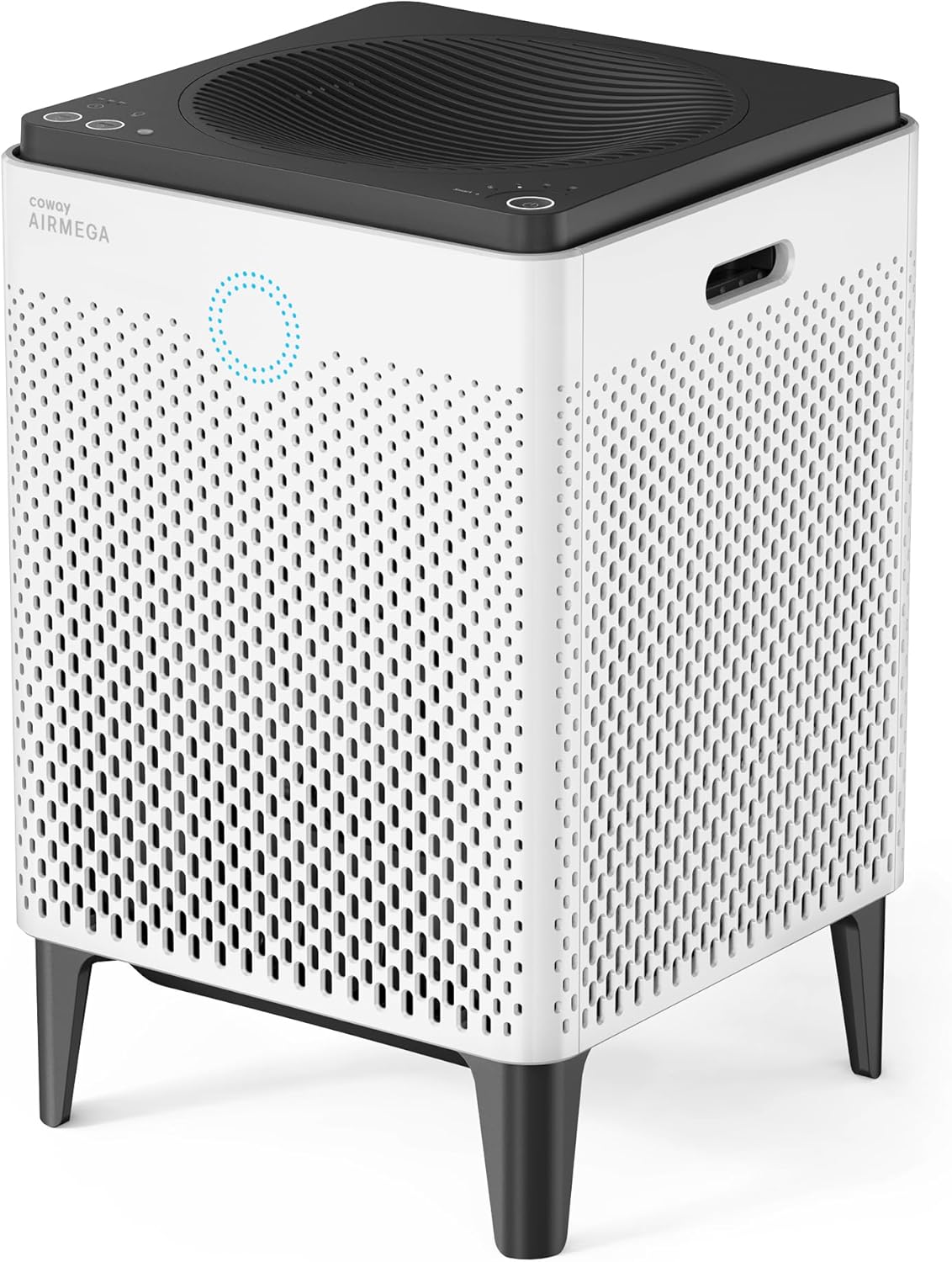

Levoit Core P350 Pet Care Air Purifier


See them in action
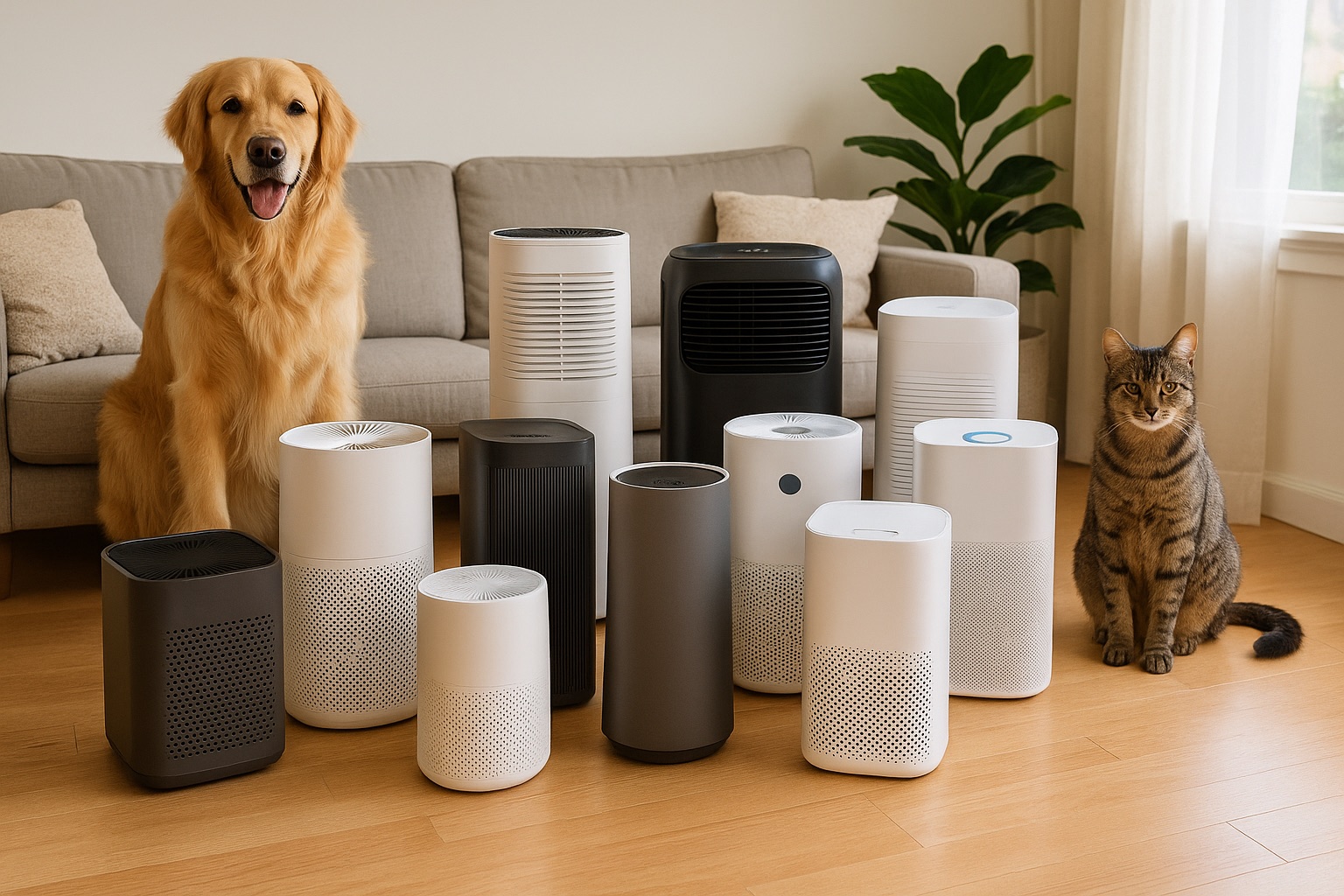

There's no single "best" air purifier for every multi-pet home, but the right choice comes down to a few honest checks: a true HEPA filter, a generous amount of activated carbon, a room rating larger than your space, a washable pre-filter, and replacement filters that are affordable and easy to find. Match those to your home and budget, skip anything relying on ozone, and you'll do better than chasing whatever tops a bestseller list.
What actually matters in a house with animals
Two numbers decide almost everything, and neither is the one on the front of the box. The first is clean-air delivery for your room size: a purifier rated for a larger area than yours can run at a lower, quieter speed to do the same work, which is the difference between a machine you leave on and one you switch off because of the noise. The second is filter cost per year, because a pet household loads a filter far faster than a household without one — the cheap unit with expensive proprietary filters is usually the more expensive machine by month four.
Everything else is secondary. A true HEPA filter is the part that captures dander; a pre-filter you can vacuum is what stops hair reaching it and is the single most useful feature for pets specifically; and activated carbon is what addresses smell rather than particles, which is why a purifier with no carbon stage can visibly help with dander while doing nothing about litter-box odour.
The features worth ignoring
Ionisers and "plasma" modes are the ones to be sceptical of — some generate ozone as a by-product, which is an irritant, and the filtration is doing the actual work regardless. Air-quality light shows are pleasant and not evidence. And a purifier does not fix a litter box: it competes with a source it cannot remove, so scooping more often will out-perform any machine at any price.
Where a purifier will not help
If the problem is allergy to a cat living in the house, a purifier reduces airborne dander but cannot remove what is on the sofa, the bedding and the carpet, and the published evidence for purifiers alone improving allergy symptoms is much weaker than the marketing implies. The combination that does move the needle is filtration plus washing soft furnishings plus keeping the bedroom animal-free — and the bedroom rule is usually the one that helps most, because that is where you spend eight uninterrupted hours breathing.
Nothing here was tested in our own home; this is a researched shortlist, and the reasoning above is the part worth more than the list.
Affiliate disclosure. DopamineKart is a participant in the Amazon Services LLC Associates Program. As an Amazon Associate, DopamineKart earns from qualifying purchases — at no extra cost to you, and it never changes a verdict. The "See on Amazon" buttons are affiliate links to genuine product pages.
Sources. Reporting is drawn from public sources credited in the article. Instagram reels are embedded from and credited to their original creators. The Legit Score is our editorial verdict; recommendations are our opinion. Prices and availability change.