"Money no object" is a real question, not a fantasy exercise — Porsche's current 911 lineup spans nine distinct model lines, from the $135,500 base Carrera to a $270,300 hybrid-assisted Turbo S. If starting price genuinely isn't the deciding factor, these are the three that earn a place in the garage for three different reasons: the Turbo S for outright capability, the GT3 for the purest connection to the road, and the Spirit 70 for the fact that only 1,500 of them exist. Every figure below is Porsche's own published spec, current as of September 2026.
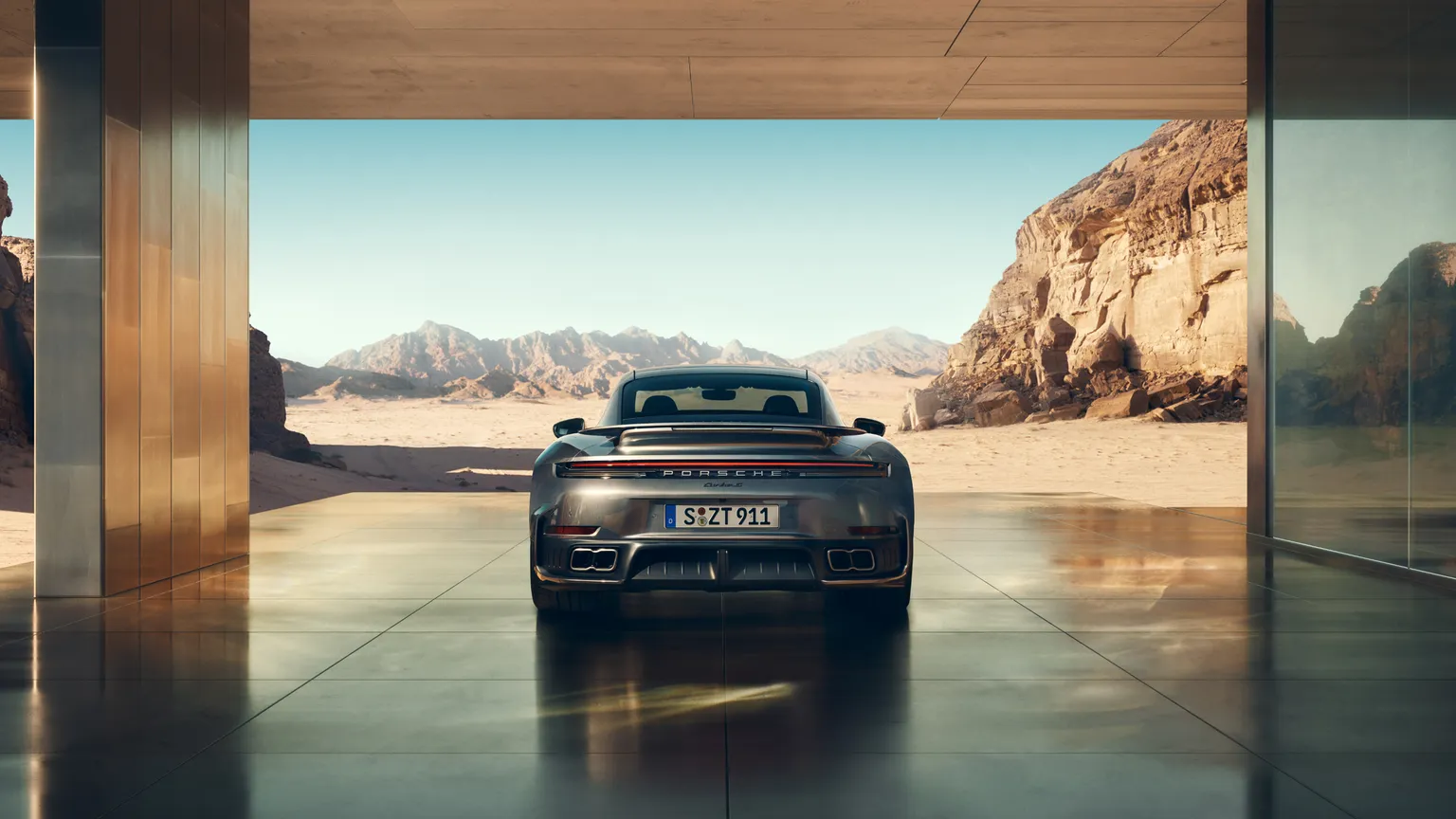
911 Turbo S
If the brief is "one car that does everything at the highest level," this is Porsche's answer. The new T-Hybrid powertrain pairs the 3.6L flat-six with an electric motor built into the PDK transmission for a combined 701 hp and a 2.4-second 0–60 with the Sport Chrono Package — figures that would have been GT-class territory a decade ago, now wrapped in a car with adaptive Sport Seats Plus, a BOSE® Surround Sound System, and a full leather interior as standard. It's the 911 that never asks you to compromise comfort for speed.
See it on Porsche.com →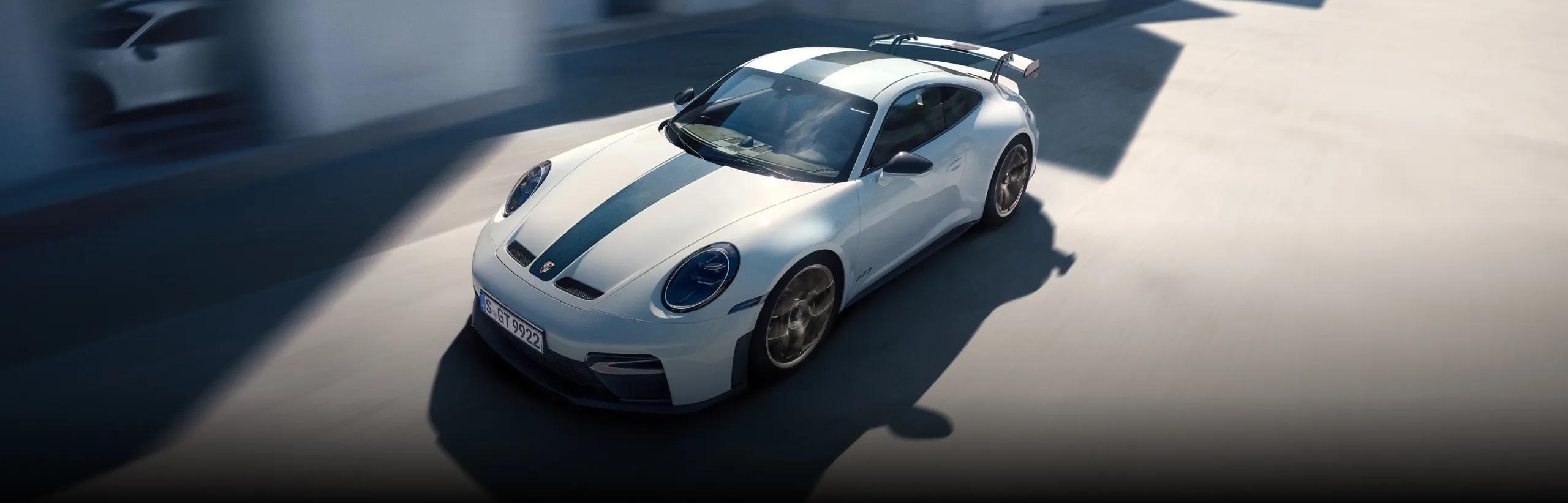
911 GT3
The Turbo S wins on numbers; the GT3 wins on feeling. Almost 25 years running, the GT3 is still built around a naturally aspirated flat-six that revs to 9,000 rpm — no turbos, no electric assist, just a motorsport-derived engine sending 502 hp through either a 7-speed PDK or a 6-speed GT Sport manual at no extra charge. The optional Weissach Package adds carbon-fiber folding bucket seats and a CFRP hood and roof to shave weight further. If "money no object" means chasing the purest possible connection to the road rather than the biggest number, this is the pick.
See it on Porsche.com →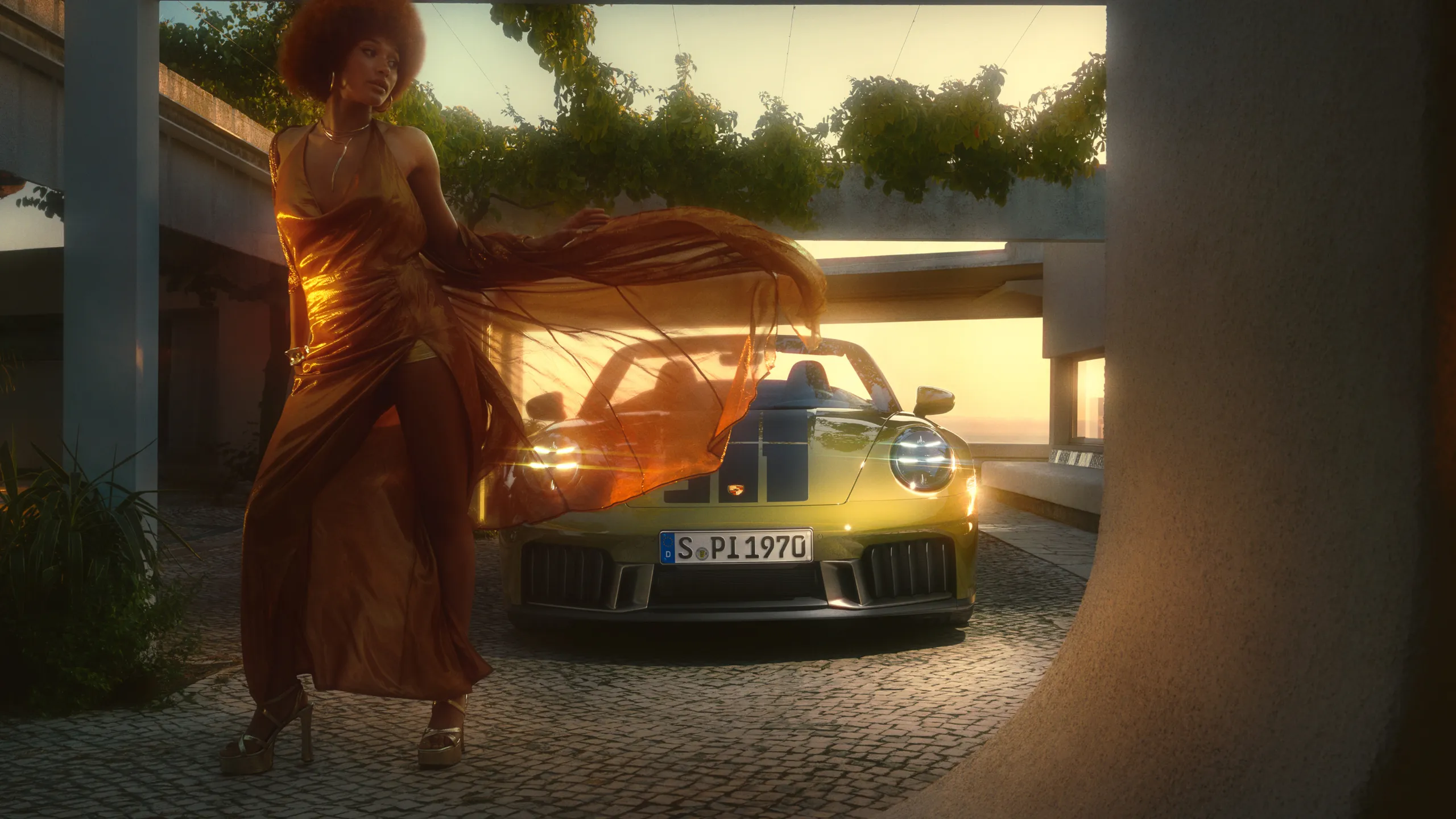
911 Spirit 70
Genuinely money-no-object logic includes owning something almost nobody else can. The 911 Spirit 70 is Porsche Exclusive Manufaktur's third "Icons of Cool" release, reinterpreting the 1970s with an Olive Neo body, the Pasha pattern first seen in the 1977 Porsche 928 now covering the seat centers and door panels, Sport Classic wheels in black satin and Bronzite, and the historic 1963 crest embossed throughout the cabin. Every unit carries a numbered, gold-colored limited-edition badge on the dash. Underneath the retro styling sits a genuinely quick car — 532 hp combined and a 3.0-second 0–60 — but the real value proposition is scarcity: only 1,500 will ever exist.
See it on Porsche.com →Why not the GT3 S/C or the base Turbo?
Porsche's current 911 lineup also includes the GT3 S/C — the first open-top GT3, which we've covered separately — and the standard 911 Turbo below the Turbo S. Both are genuinely excellent cars, but this list is specifically about the three that justify themselves purely on merit once price stops being a constraint: the Turbo S because it's the most capable 911 Porsche currently sells, the GT3 because nothing else in the lineup is as mechanically honest, and the Spirit 70 because scarcity is its own kind of value that no amount of spec-sheet comparison captures. We've also published a full standalone review of the 911 Turbo S if you want the deeper breakdown on pick #1.
Sources. Porsche.com — 911 Turbo S, Porsche.com — 911 GT3, Porsche.com — 911 Spirit 70. Technical figures and pricing reflect Porsche's own published data as of September 2026 and are subject to change. Photography is Porsche press material, used for editorial reporting and credited per image. This article contains no affiliate links and no buy buttons — DopamineKart does not monetise vehicle coverage. DopamineKart has not conducted a hands-on test drive of any of these vehicles; this article is a research-based breakdown, not a road test.
Corrections: email us