A portable AC is the fastest way to cool a room you can't fit a window unit in — a rental, a home office, a nursery. But they're not all equal: match the BTU to your room size, favour a dual-hose design if you can (it cools more efficiently), and check the noise rating if it's going in a bedroom. Here's how the popular models stack up, best first.
How we ranked
 The Everyday Watch Actually Worth the Money
The Ranking


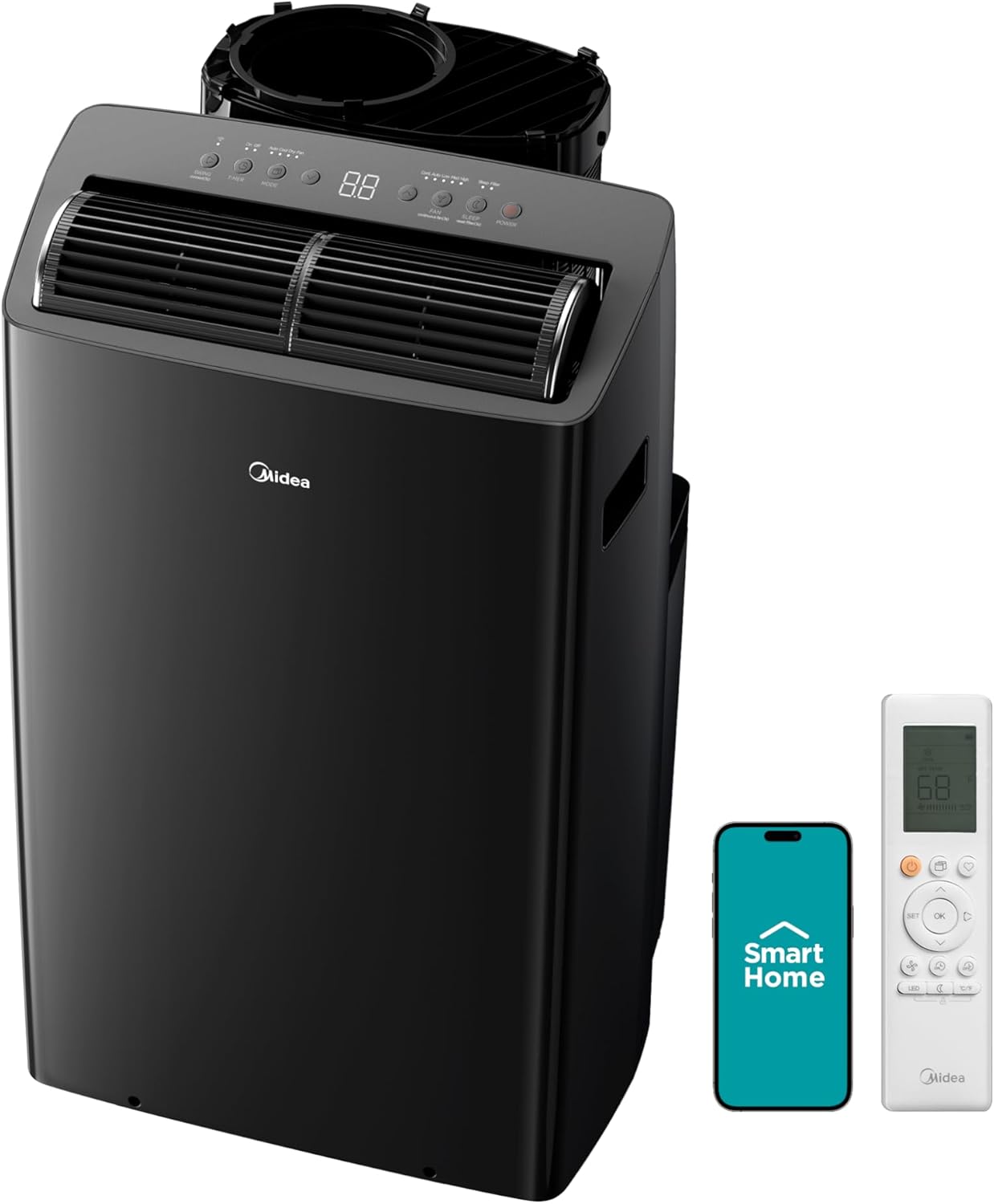
Midea Duo (inverter, dual-hose)
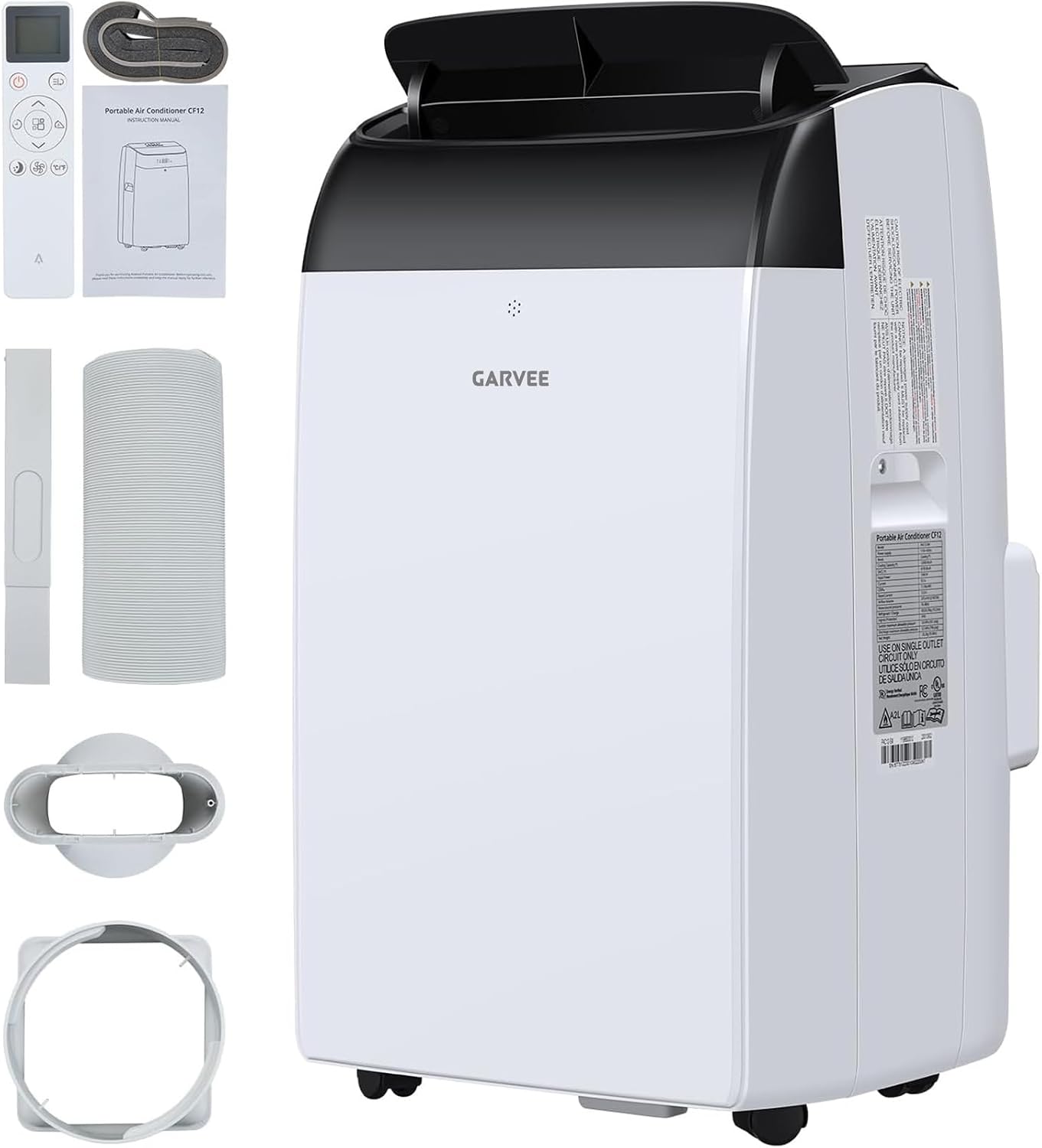
Garvee 14,000 BTU (3-in-1)
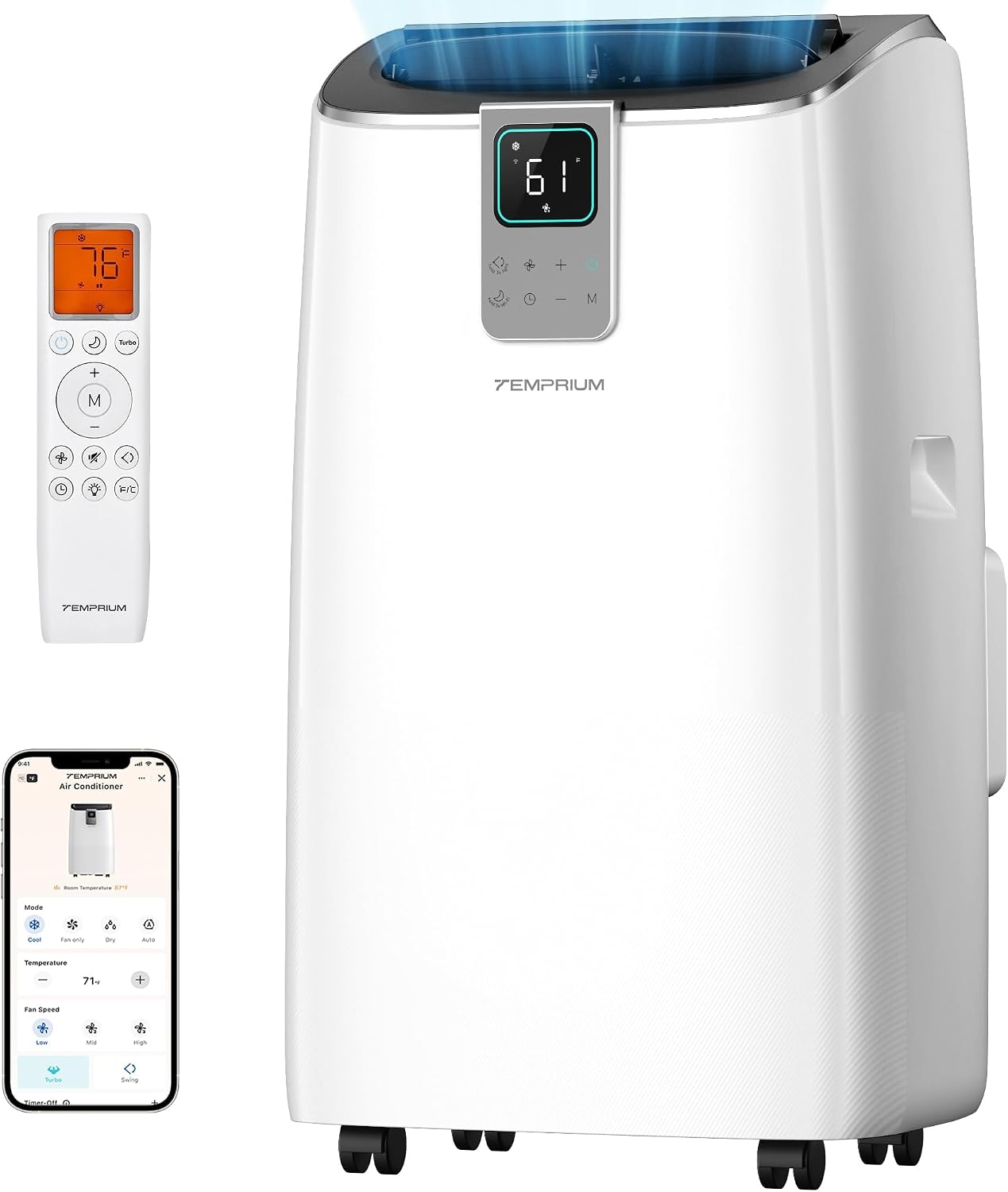
Temprium PAC010-12K

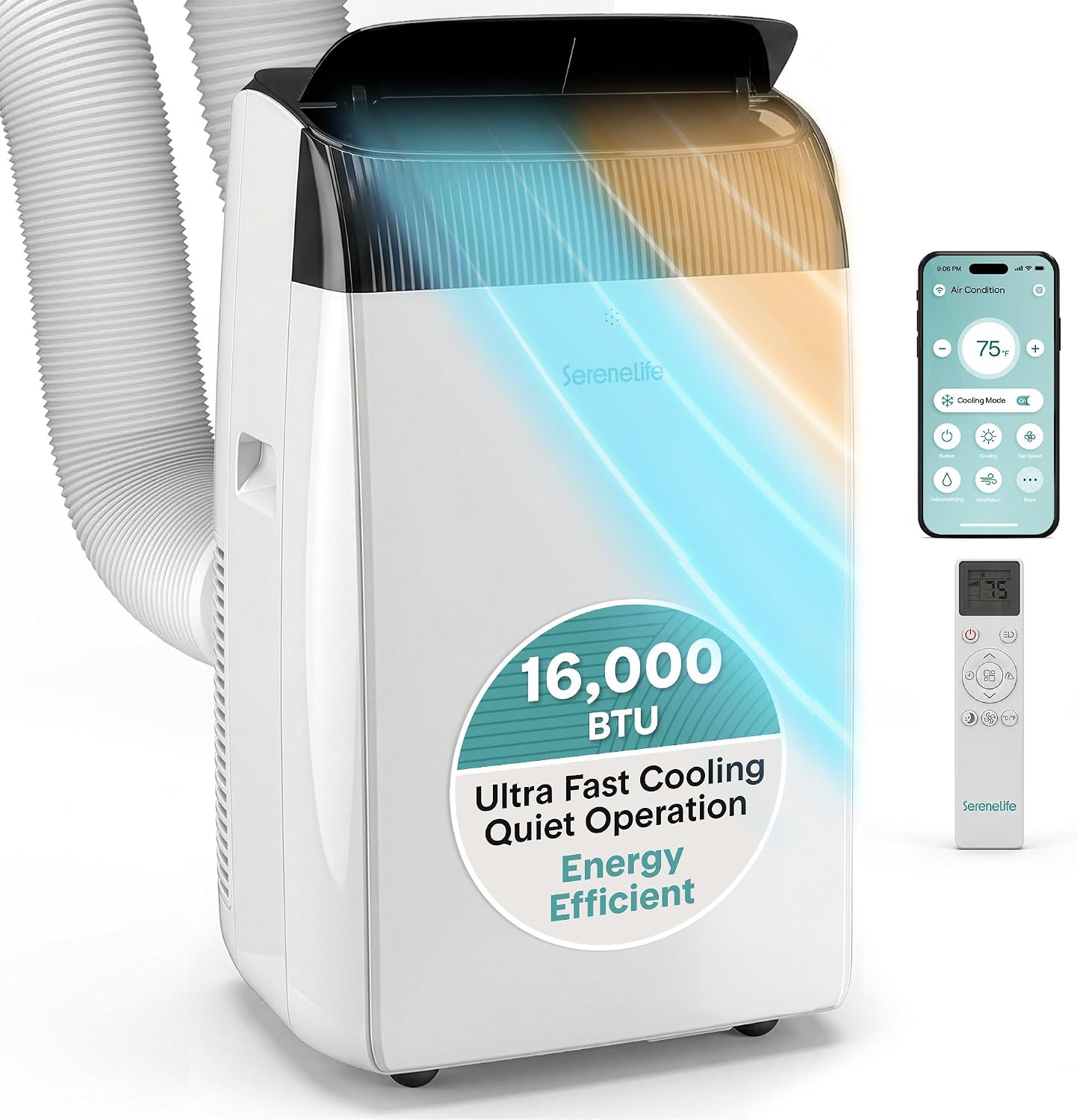
SereneLife (inverter, cools + heats)
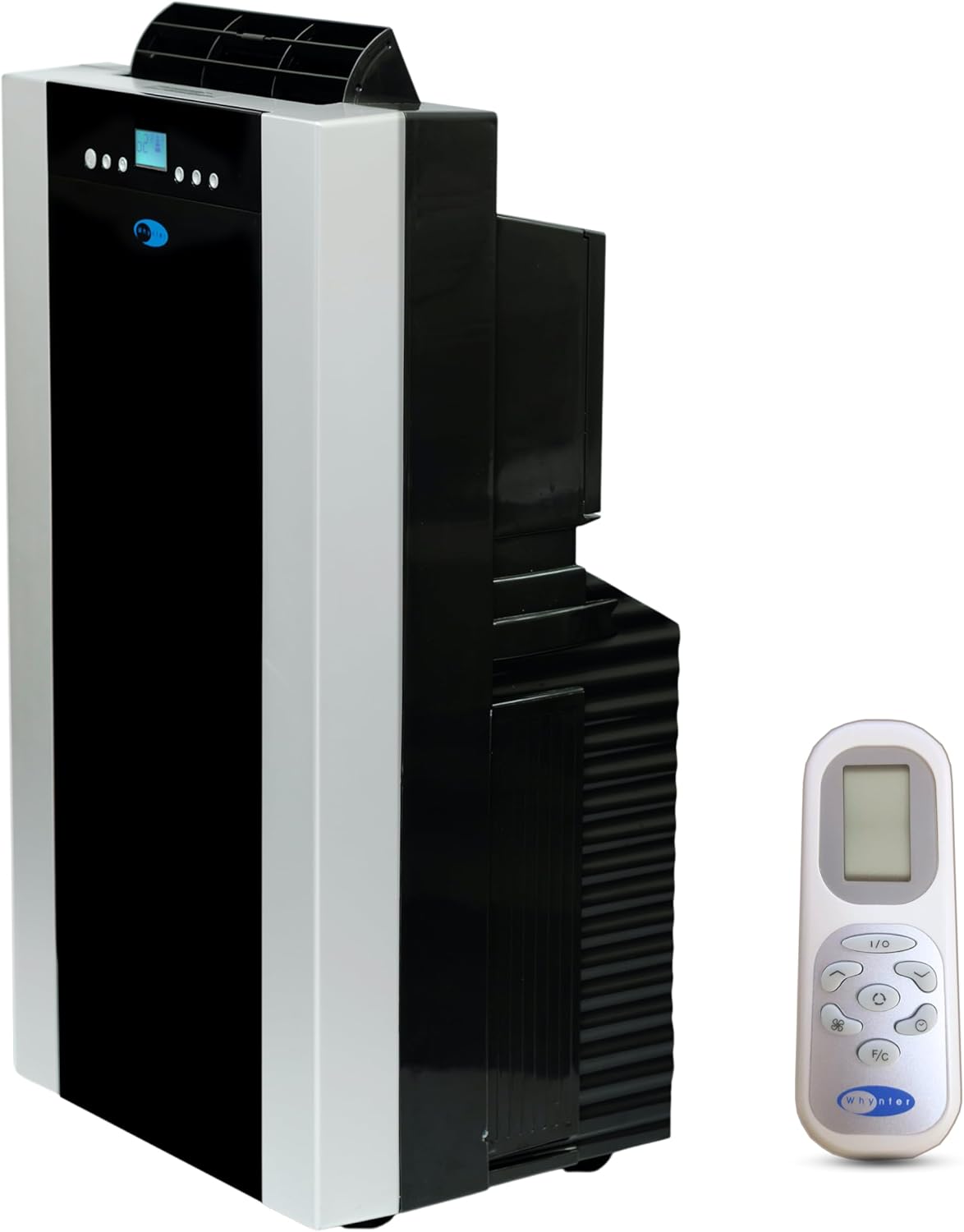
Whynter ARC-14S
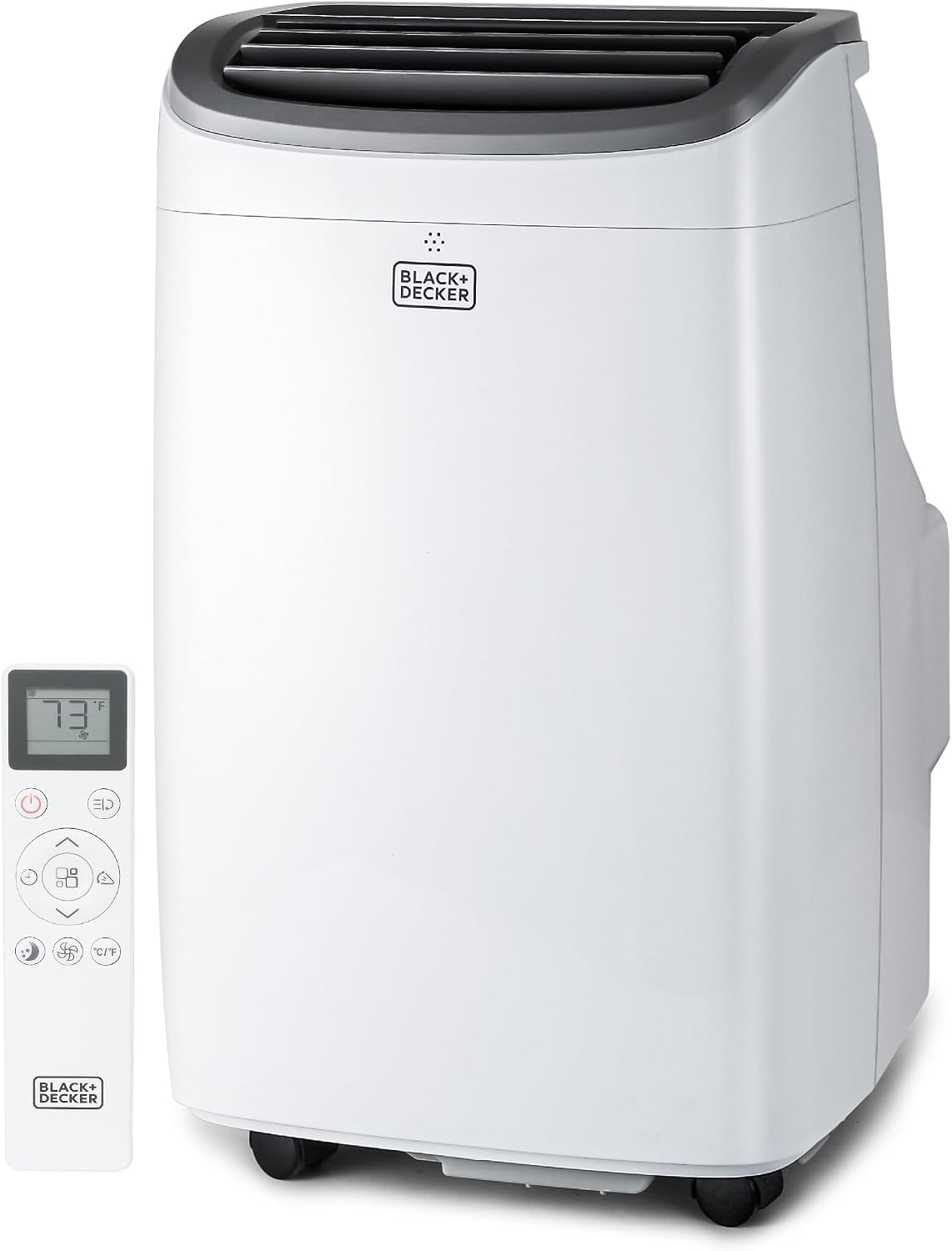
BLACK+DECKER BPACT
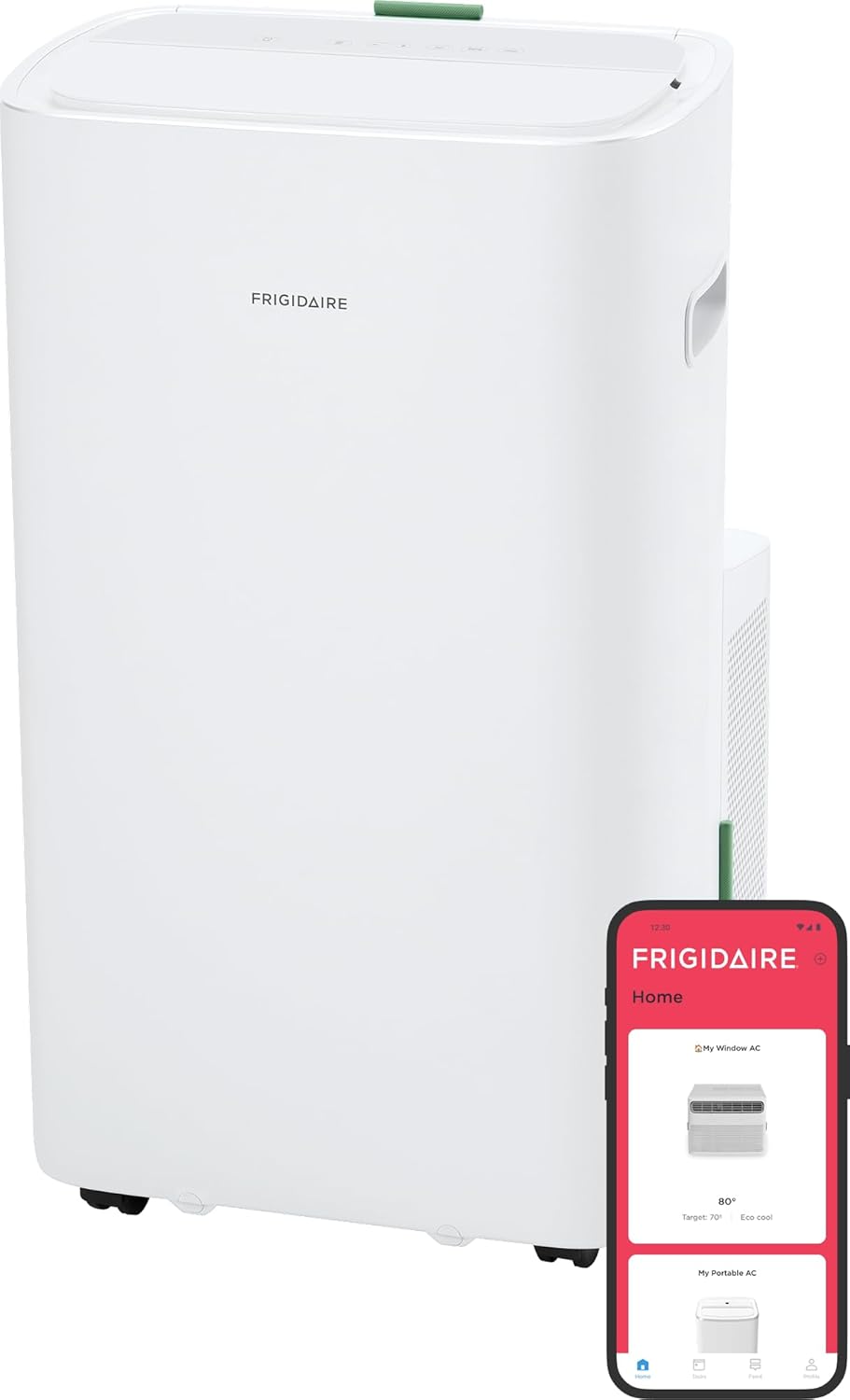
Frigidaire FHPC142AA1
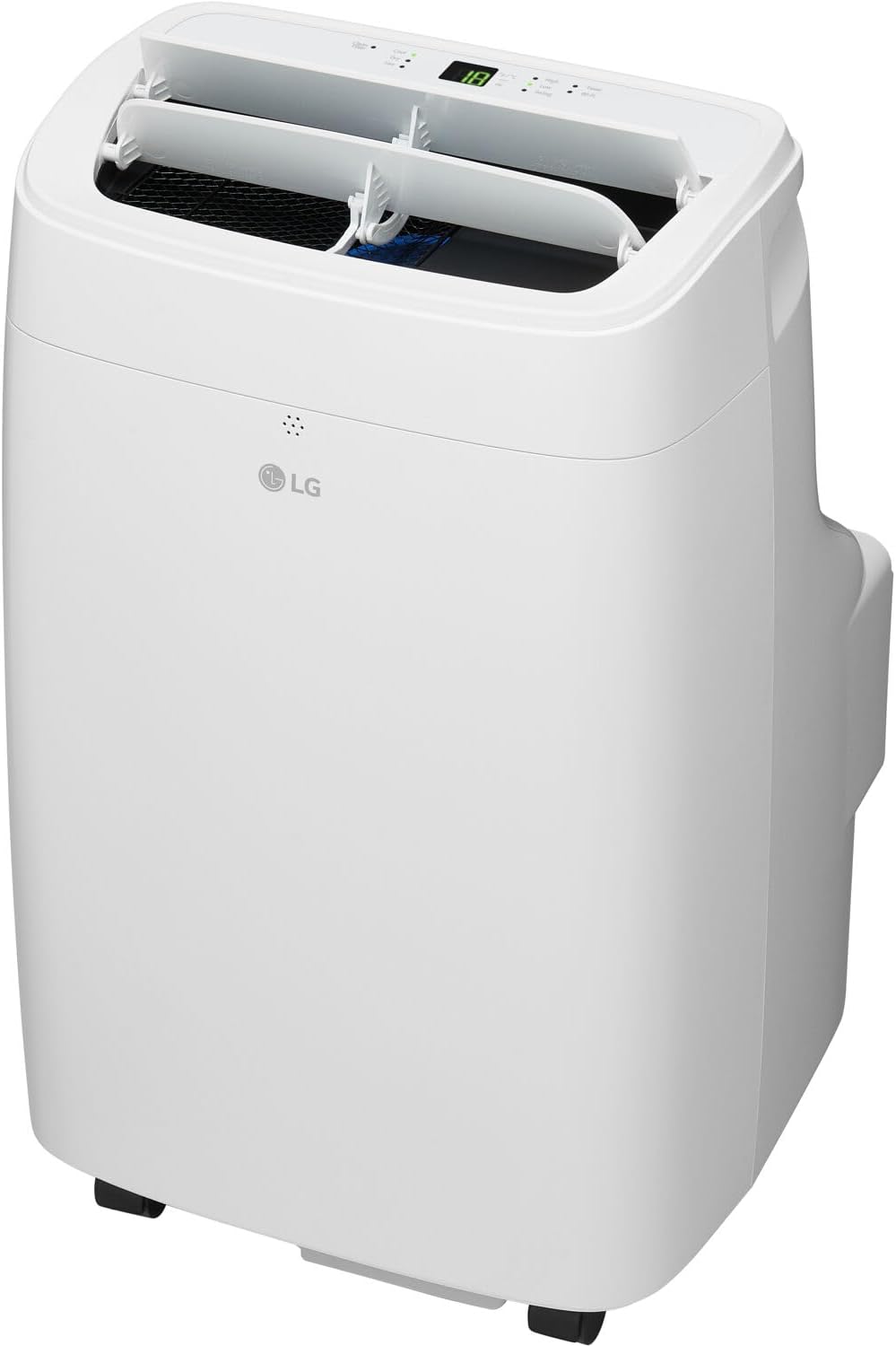
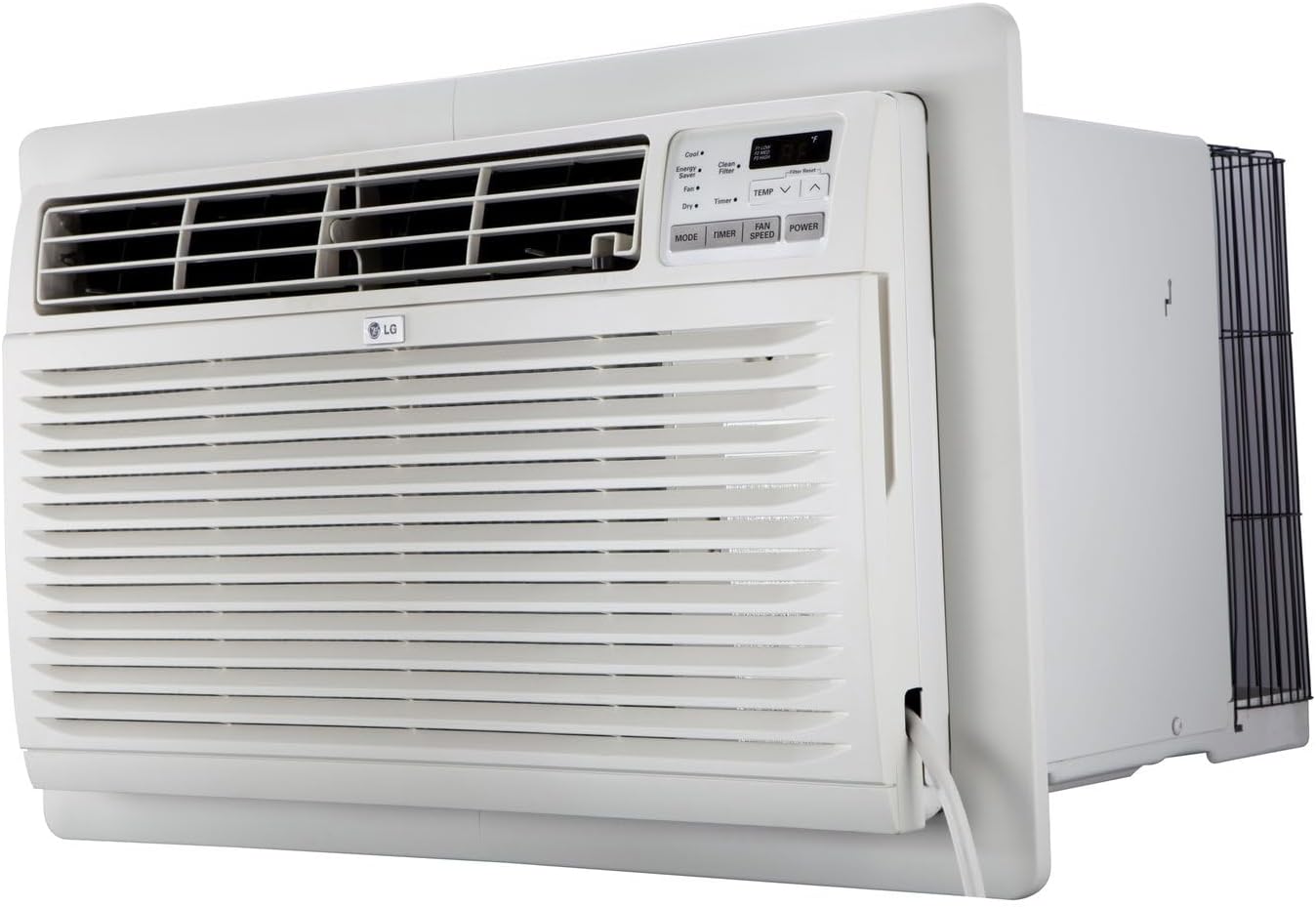
LG LP0725WSSM (smart Wi-Fi)
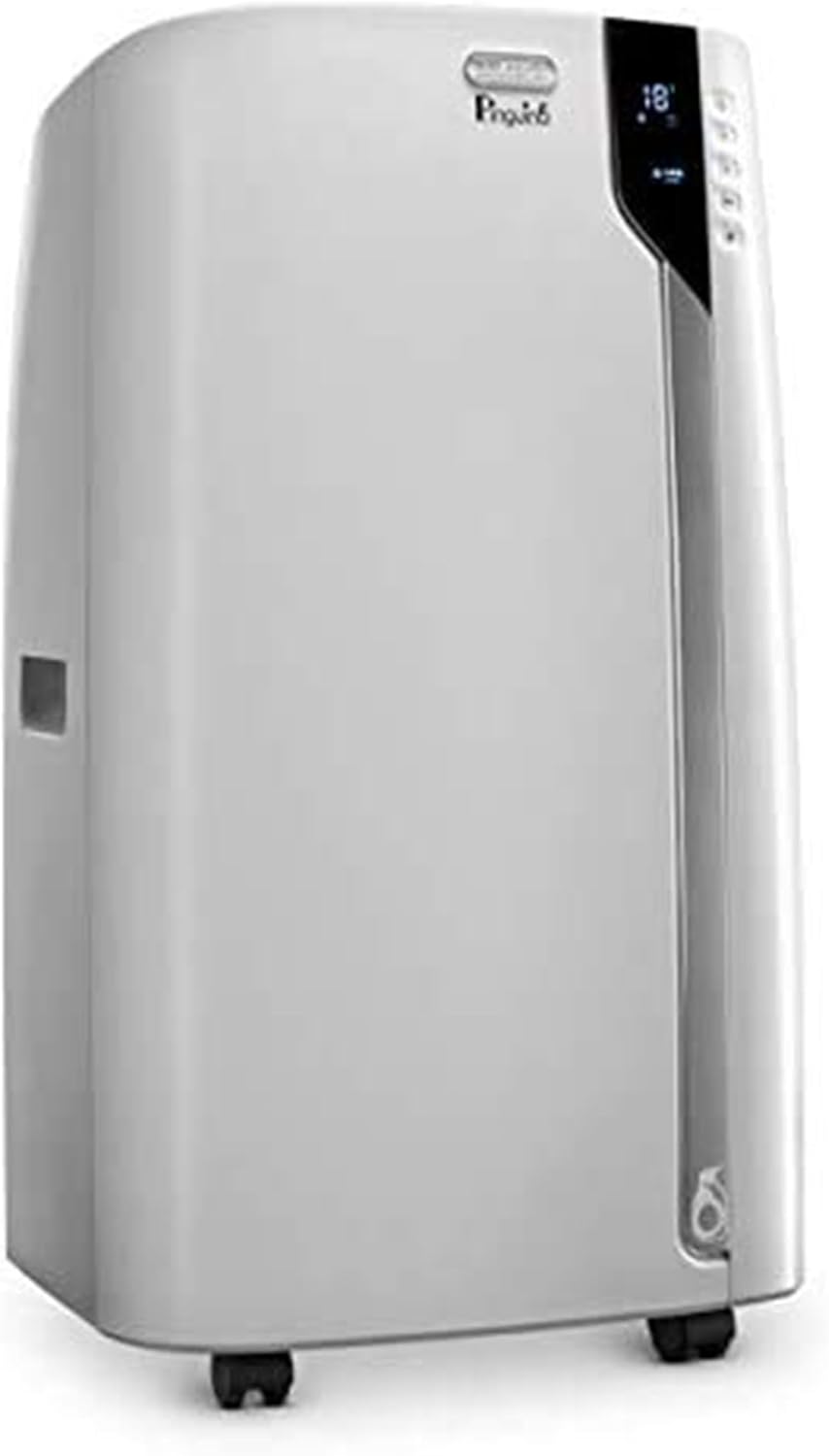
De'Longhi Pinguino
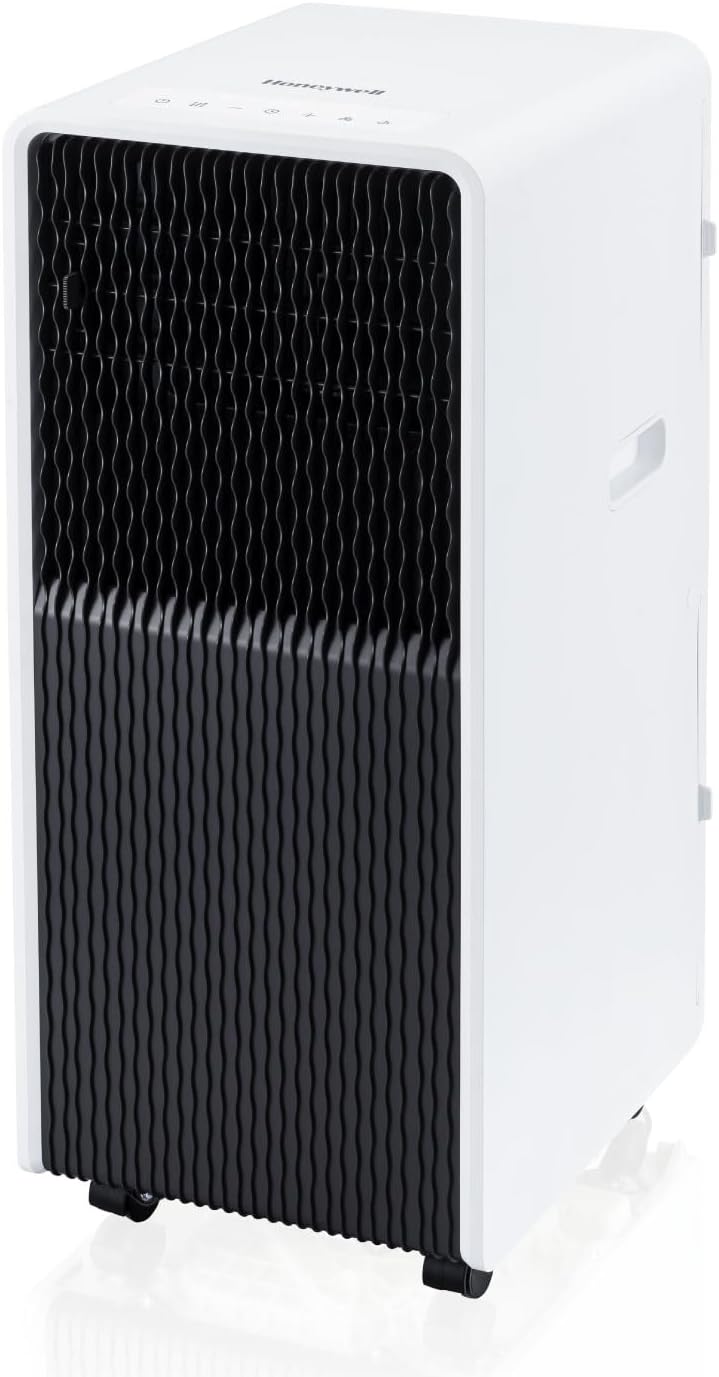
Honeywell HX2CESVWG8 (12,000 BTU)

If you want one, get the Midea Duo — a quiet inverter that cools fast and suits most rooms. Size up to the Whynter for big open spaces, down to the BLACK+DECKER if you're on a budget. Whatever you pick, match the BTU to your square footage — that matters more than brand.

Single-hose or dual-hose, which decides more than the BTU number
This is the specification almost nobody explains and it changes how well the machine works. A single-hose unit blows hot air out of the window and, because that air has to be replaced, pulls its replacement in through every gap in the room — under the door, around the window kit, down the chimney. Some of what it pulls in is warm outside air, so the machine is partly fighting itself. A dual-hose unit draws its condenser air from outside and returns it outside, which keeps that loop out of the room and is measurably more effective in a hot climate. Single-hose units are cheaper and more common; in a genuinely hot room the dual-hose is the one that keeps up.
Match the BTU to the room, and do not round up "to be safe"
Oversizing is the common mistake and it backfires. A unit far too large for the room cools the air to the thermostat quickly and shuts off before it has removed much moisture, so the room ends up cold and clammy rather than comfortable — the dehumidifying happens while the compressor runs, not while it idles. Size for the room, then adjust upward only for the things that genuinely add load: a top-floor room, large unshaded windows, a west-facing wall, or a kitchen.
The parts of ownership the listing does not mention
Draining. Every one of these makes water. Self-evaporating models send most of it out with the exhaust and still need emptying in humid weather, and "no drain" almost never means never. If the unit will live somewhere you cannot easily tip a tank, a continuous-drain option matters more than any feature on the box.
The window kit. This is where cheap units disappoint, because a poorly sealed kit undoes the cooling you paid for. Foam tape and a proper bracket are worth more than a remote control.
Noise. A portable unit puts the compressor in the room, which a window or split unit does not. That is the real trade for portability, and it is why a machine rated for a larger room can be the quieter choice — it runs at a lower speed to do the same work.
Nothing here was tested in our own rooms; this is a researched shortlist. The reasoning above is what to take from it.
Affiliate disclosure. DopamineKart is a participant in the Amazon Services LLC Associates Program. As an Amazon Associate, DopamineKart earns from qualifying purchases — at no extra cost to you, and it never changes a verdict. The "See on Amazon" buttons are affiliate links to genuine product pages.
Sources. Rankings are our editorial opinion — match BTU to your room size and confirm current specs, model and availability before buying. Product buttons go to Amazon.