
The term is showing up everywhere and almost nobody defines it. Here is the plain version — what C-beauty means, the design movement underneath it, and how to actually pronounce the word at the centre of it.
C-beauty means Chinese beauty — cosmetics and skincare from mainland Chinese brands, named by analogy with K-beauty (Korean) and J-beauty (Japanese). It is a market label rather than a formal category, and it covers two quite different things: ornately designed colour cosmetics, and a newer wave of clinical skincare.
Guochao is the design movement C-beauty grew out of, and it is the word most people get stuck on.
国潮
Traditional characters: 國潮 · Pinyin: guó cháo
| Say it | gwaw-CHOW |
| Rhymes with | the second syllable rhymes with “now”, not with “low” |
| Tones | Both syllables are second tone — the pitch rises on each, like the way an English speaker says “huh?” |
| 国 guó | country, nation |
| 潮 cháo | tide, wave — and by extension, a trend |
| Together | “national tide”, in practice “the national trend” — Chinese heritage design applied to modern products |
The common mistake is saying the second syllable like “chow” in chowder but flat. It rises. If you say both syllables as though you are mildly asking a question, you will be close enough that any Mandarin speaker will know exactly what you mean.
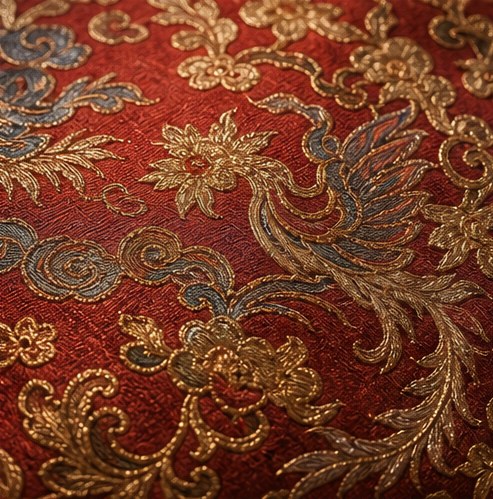
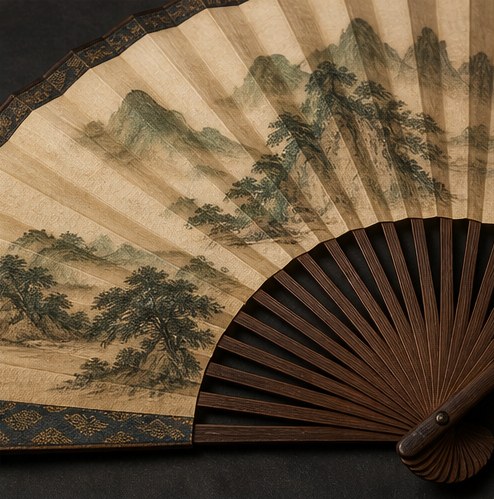
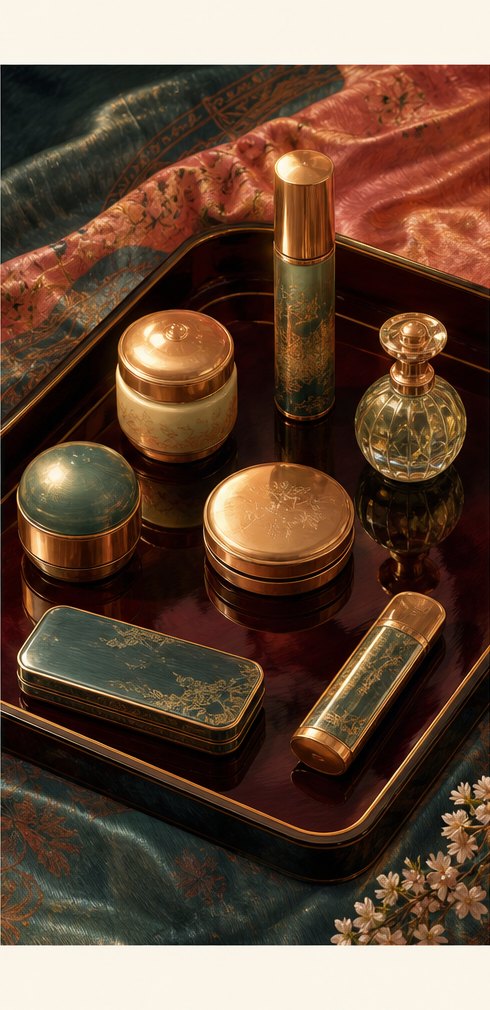
Guochao is not a colour palette, it is a set of borrowed crafts. Once you can name them, you can read almost any C-beauty product on sight.
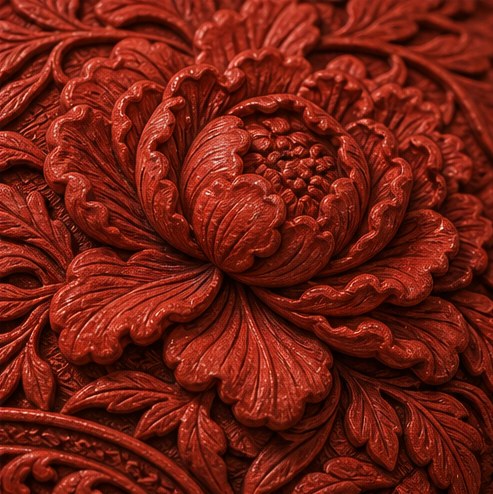
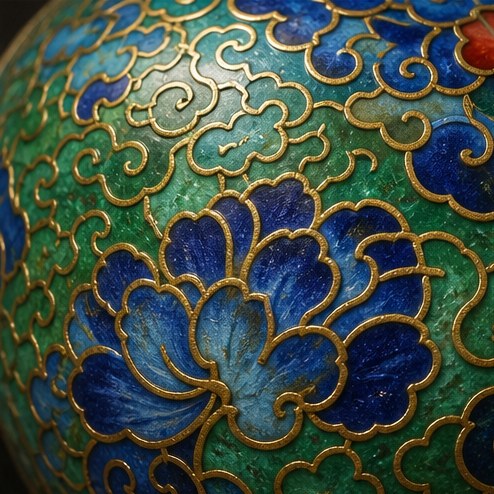
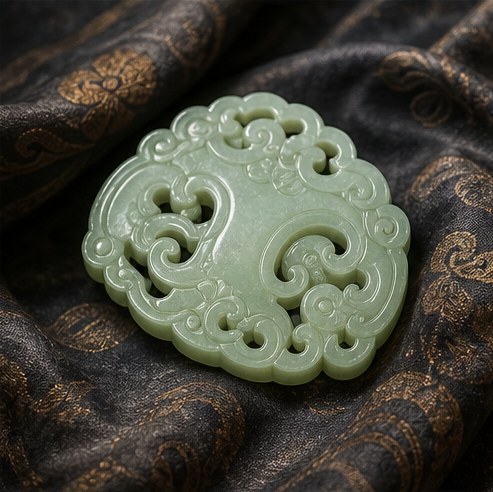
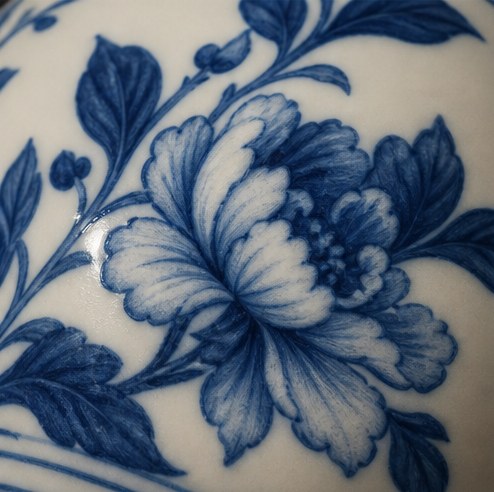
Worth knowing both names: the English one is often a marketing invention, and the Chinese name is what you will see in any domestic review or social post you stumble into.
| Brand | Chinese | Pinyin |
|---|---|---|
| Florasis | 花西子 | Huāxīzǐ |
| Judydoll | 橘朵 | Júduǒ |
| Joocyee | 酵色 | Jiàosè |
| Winona | 薇诺娜 | Wēinuònà |
| Chando Himalaya | 自然堂 | Zìrántáng |
Each brand name above links to a listing we verified on Amazon US. Into You is also available there and is deliberately left out of this table — we are not confident enough of its Chinese name to print one, and a guess in a reference table is worse than a gap.
The one you cannot buy yet is the one in the news. Proya (珀莱雅, Pòláiyǎ) is the company reportedly entering around 400 Ulta Beauty stores from November. Searching Amazon US for Proya does not currently return Proya — it returns a different Chinese brand entirely, which is exactly what a national retail rollout is meant to solve.
For years, Chinese manufacturing was framed in the West as where things were made rather than where they were designed. Guochao inverted that domestically: a generation of Chinese consumers started preferring homegrown brands that looked unmistakably Chinese, instead of ones imitating Western or Korean aesthetics.
Cosmetics were the ideal category for it. Packaging is half the product, design cycles are short, and social platforms — Douyin, Xiaohongshu — reward things that look striking in a fifteen-second video. A carved lipstick case is a far better short-form video subject than a white tube.
It is not a quality tier. The range runs from cheap novelty to genuinely sophisticated formulation, exactly as it does in every other market.
It is not one thing. The ornate colour brands and the clinical skincare brands share a passport and very little else. Winona sits closer to a European dermatological brand than to Florasis.
It is not K-beauty with different packaging. The philosophies genuinely differ — Korea exports a routine, China exports an object. That comparison is its own piece, linked below.
Affiliate disclosure. As an Amazon Associate we earn from qualifying purchases. Brand names in the table link to listings we verified ourselves on Amazon US; they cost you nothing extra and never change what we say. No prices appear on this site — they move faster than an article can stay honest about them.
This is a researched explainer. Nothing here was tested on skin by us, and no product is recommended on performance grounds. Brand mentions record what exists and what is purchasable, not what is best.
The Proya and Ulta details are Wall Street Journal reporting, linked in our comparison piece. We could not access the article directly, so it is presented as their reporting rather than our own finding.
Chinese brand names and pinyin are given where we are confident of them and omitted where we are not. Pronunciation guidance is an English approximation, not a substitute for hearing a native speaker.
Illustrations are AI-generated. They depict traditional craft materials and generic unbranded objects — no real product, brand, store or packaging appears, and there is no text or calligraphy in any of them.
Affiliate disclosure. As an Amazon Associate we earn from qualifying purchases. Links here support DopamineKart at no extra cost to you and never change what we recommend.
No prices anywhere on this site — they move faster than an article can stay honest about them.
How we review · Corrections: email us · All Legit reviews