J.D. Power's 2026 U.S. Initial Quality Study found infotainment is the only major category where new-car problems got worse year over year — 44.4 problems per 100 vehicles for mass-market brands, and the single biggest contributor was Apple CarPlay/Android Auto connectivity, up 1.4 problems per 100. Forty-six percent of owners who reported a distracted-driving incident blamed the infotainment or touchscreen. A lot of that traces straight back to the steering wheel, where automakers have spent the last five years swapping tactile buttons and stalks for touch panels, haptic surfaces, and — in Tesla's case — a wheel with no top or bottom at all. Here's the brand-by-brand breakdown.
The worst offenders
The wheel that isn't a wheel
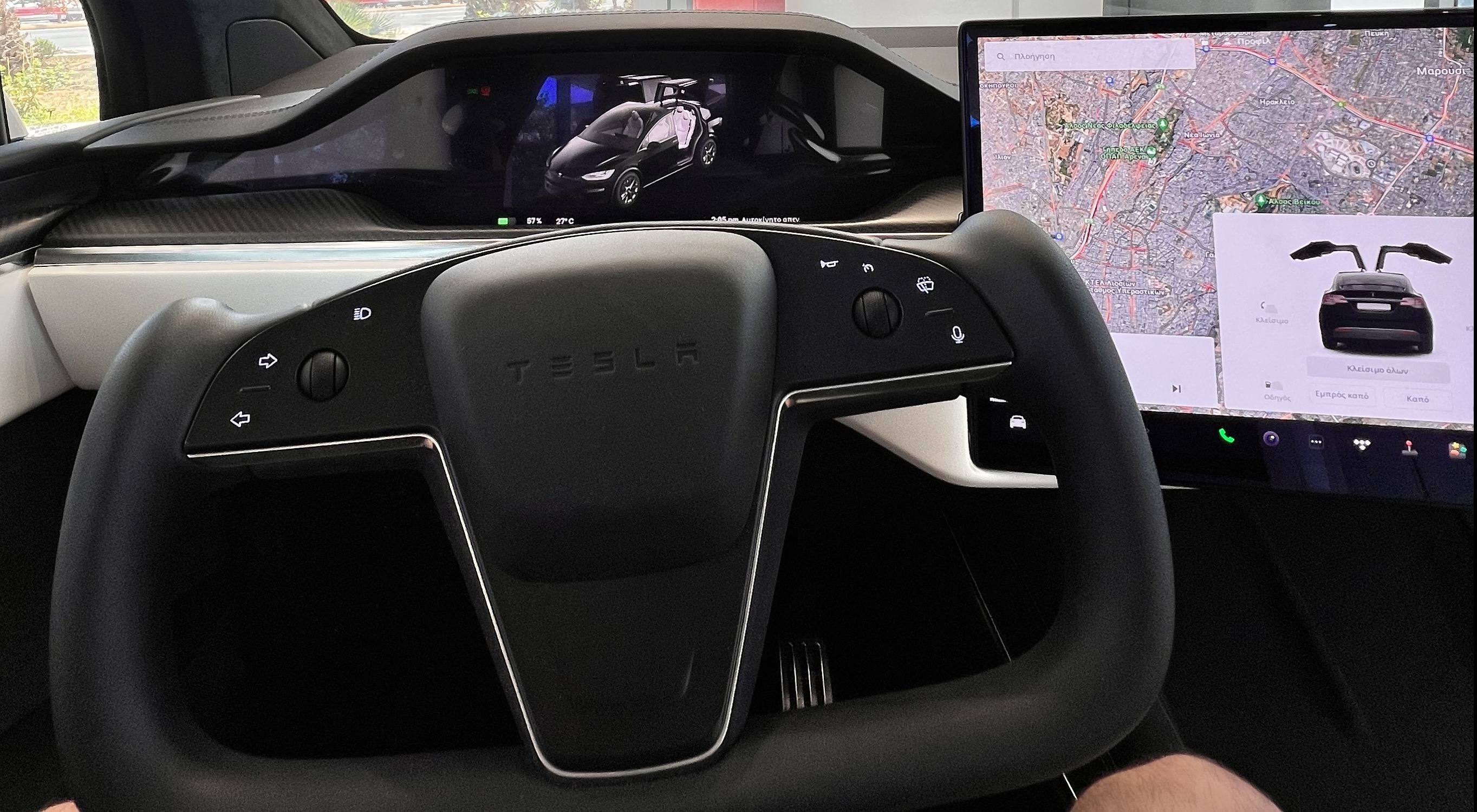
Tesla's yoke ditches the top and bottom of the wheel along with the physical turn-signal and gear-selector stalks, moving horn, signals, and Autopilot engagement to touch-sensitive and force-touch surfaces on the yoke itself. NHTSA opened a review of the design specifically to understand whether it meets federal steering-control standards, and separately logged over 2,300 complaints related to loss-of-steering-control issues in Tesla vehicles (largely steering-rack related, not the yoke itself — but it shows how closely Tesla's steering hardware gets scrutinized). The round wheel is still available as an option on most trims for exactly this reason.
Haptic buttons that reviewers keep catching mid-fail
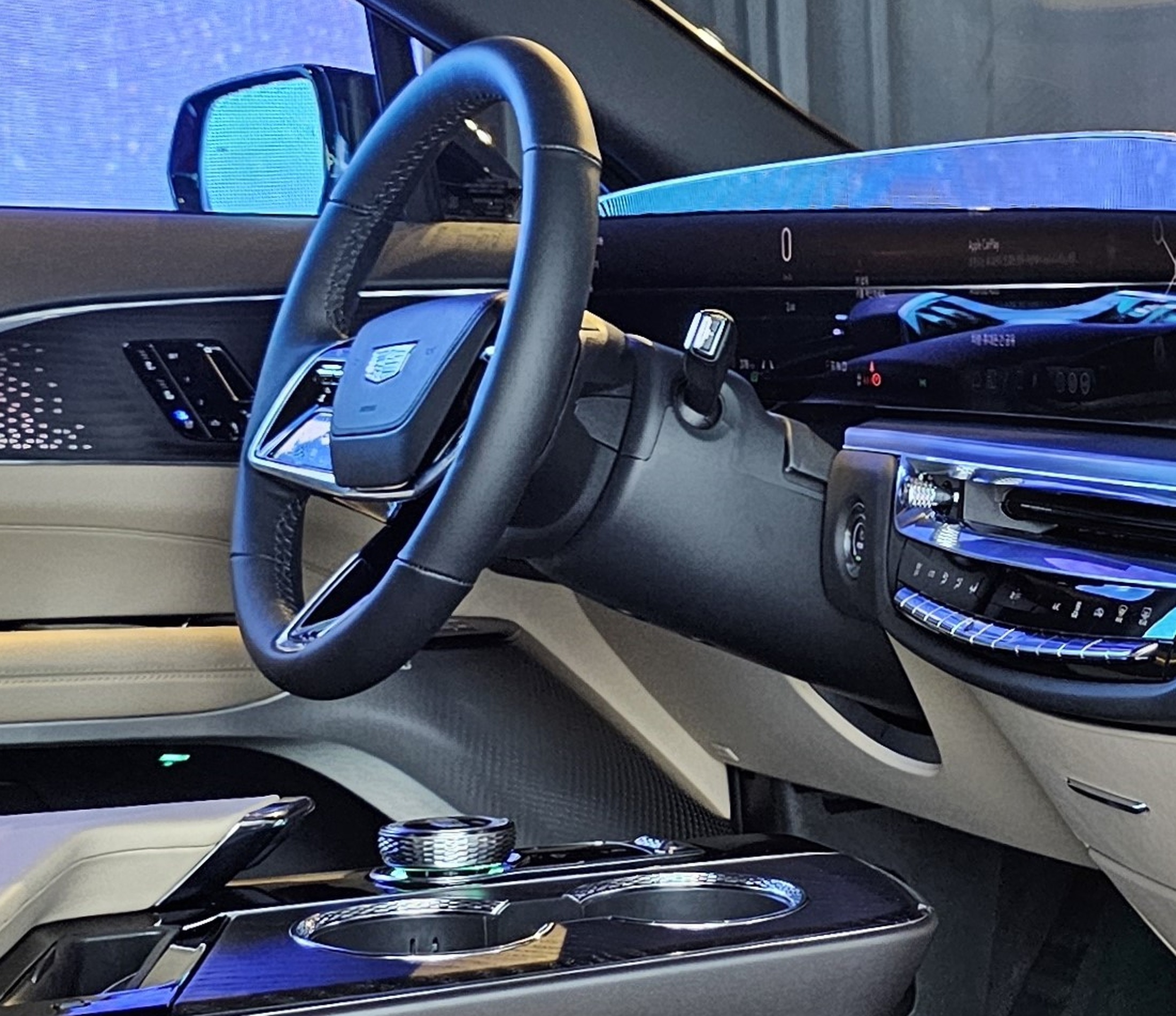
The Lyriq swapped physical steering-wheel buttons for a haptic touch panel, and owner forums are full of threads about buttons going dead or unresponsive — often fixed with an infotainment soft reset, sometimes requiring a full steering-wheel replacement under warranty. The adaptive-cruise-control distance toggle in particular is a documented weak point that can break if forced the wrong direction. Automotive reviewers have been near-unanimous in criticizing how unresponsive the haptic surfaces feel compared to a real button, even when the electronics are working exactly as designed.
The reversal that's still only half-finished
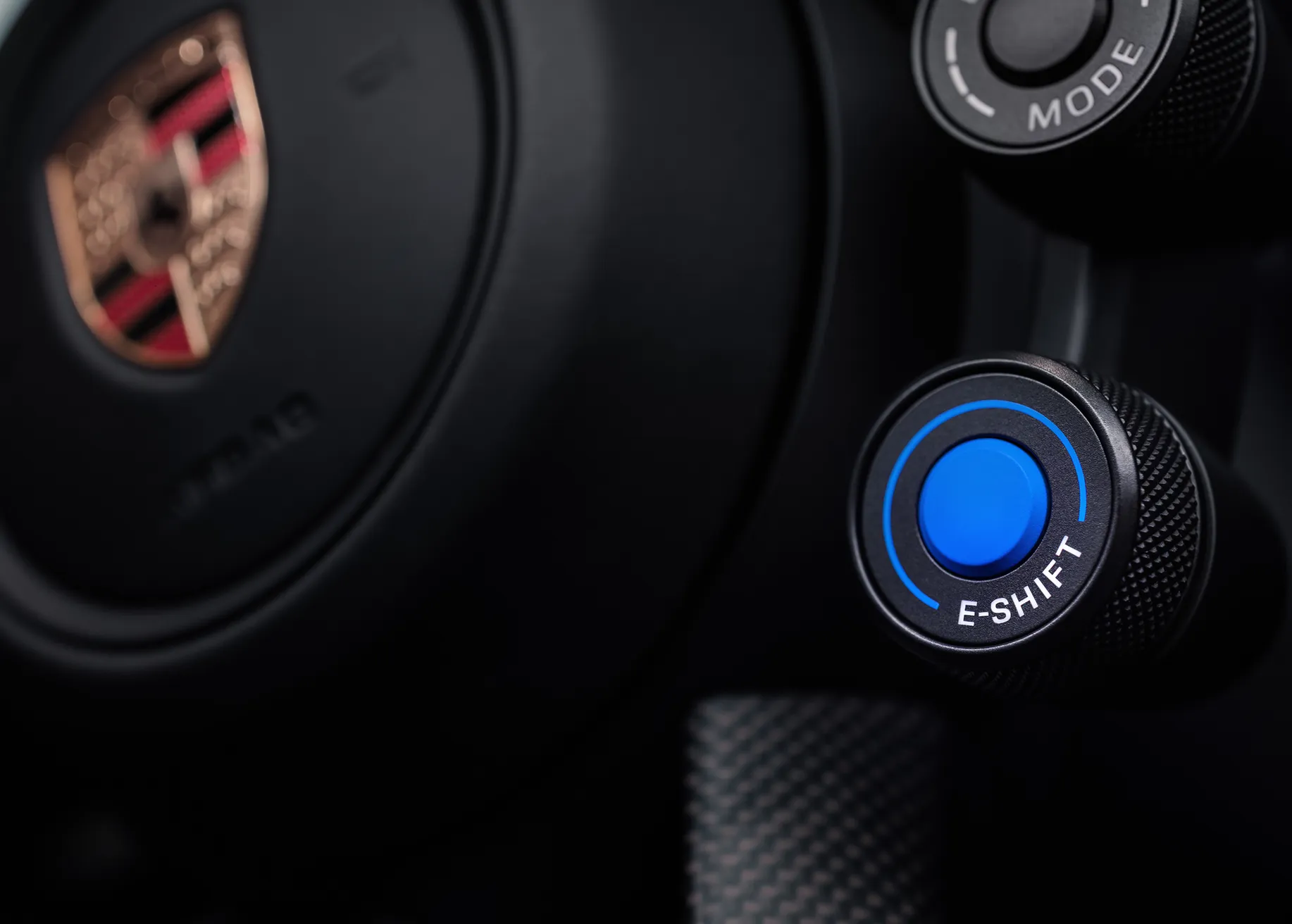
The Taycan launched as Porsche's first EV with no physical buttons or knobs anywhere on the center console, leaning entirely on touch surfaces — and it drew enough owner and reviewer backlash that Porsche has openly acknowledged going too far. The Cayenne and Macan EVs that followed brought dedicated physical controls back for climate, volume, and drive mode. The original Taycan, even after its facelift, still handles volume through steering-wheel touch controls rather than a physical knob — the reversal caught the newer cars first.
Capacitive panels reviewers call "a mess"
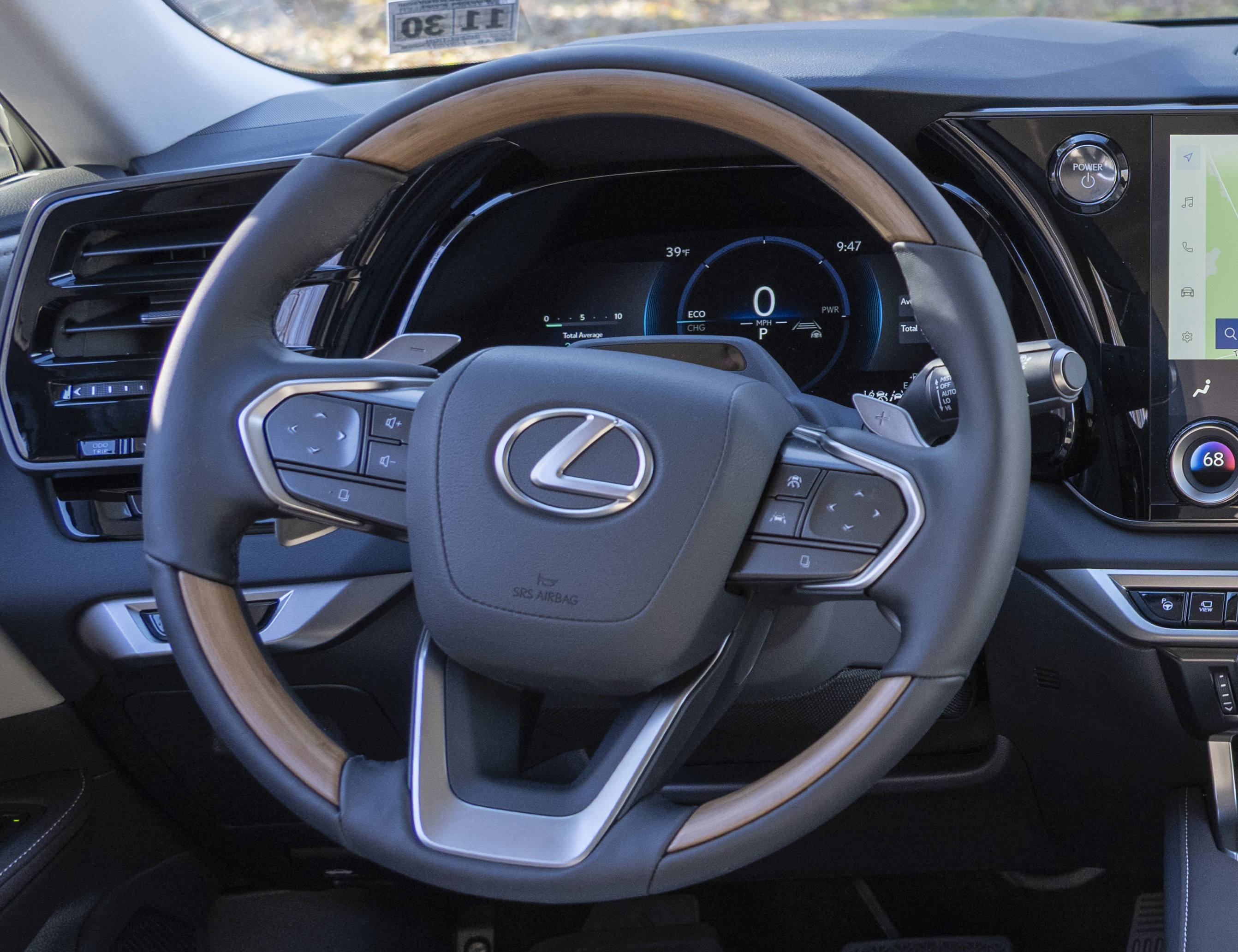
Lexus moved several of its steering wheels to flush, capacitive-touch panels instead of raised physical buttons — no click, no bump, nothing to find by feel while your eyes stay on the road. Reviewers covering the redesigned wheels have repeatedly flagged them as harder to operate blind than the buttons they replaced, since a capacitive surface can't be located by touch the way a physical button can.
Haptic buttons, unintended-activation complaints
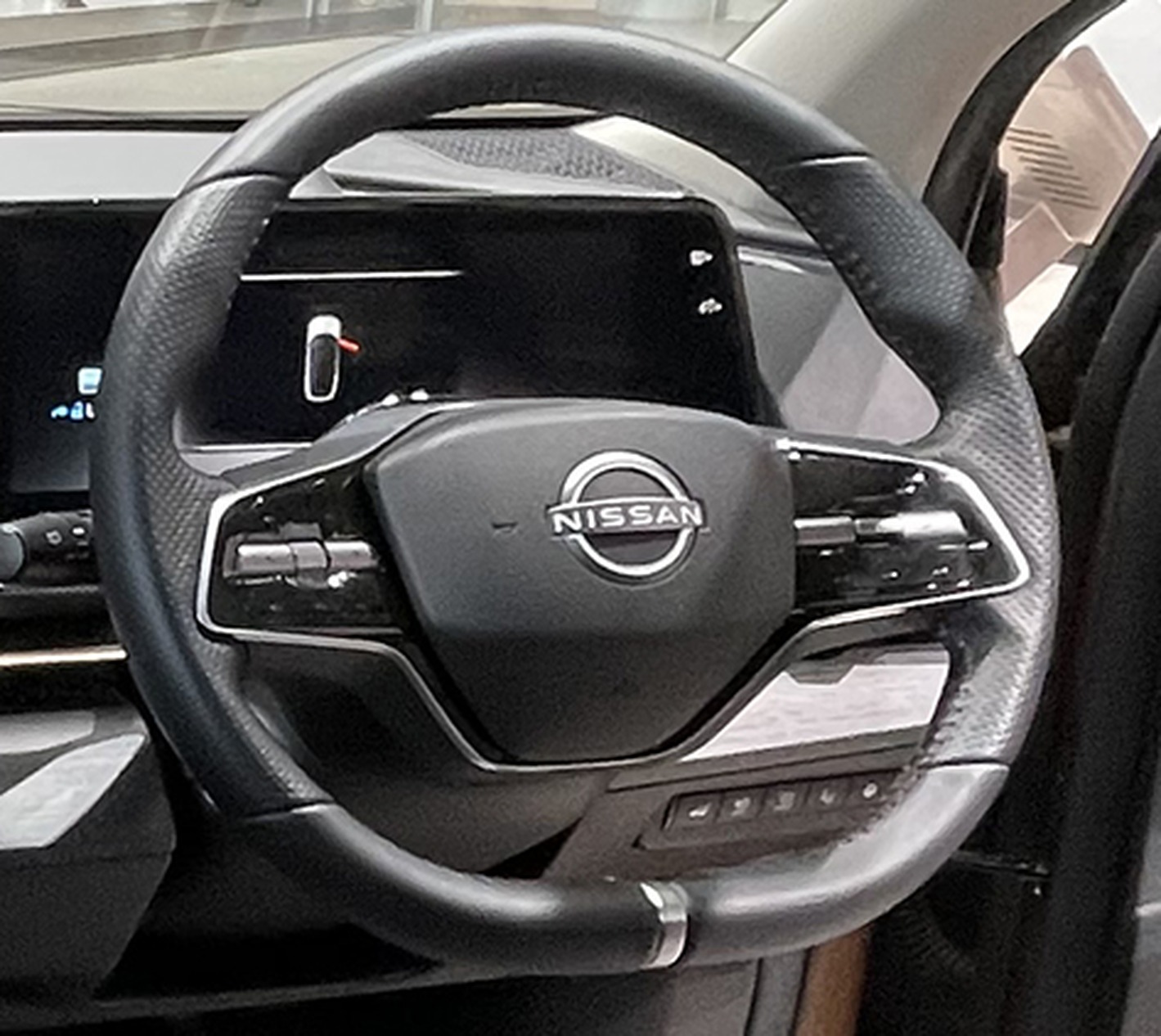
The Ariya's steering wheel replaced its physical buttons with a haptic touch panel similar in concept to Cadillac's — and like the Lyriq, it's picked up owner reports of controls triggering from a light or accidental touch, or requiring a firmer, less predictable press than a mechanical button ever did.
A yoke option, same "where's the top of the wheel" question
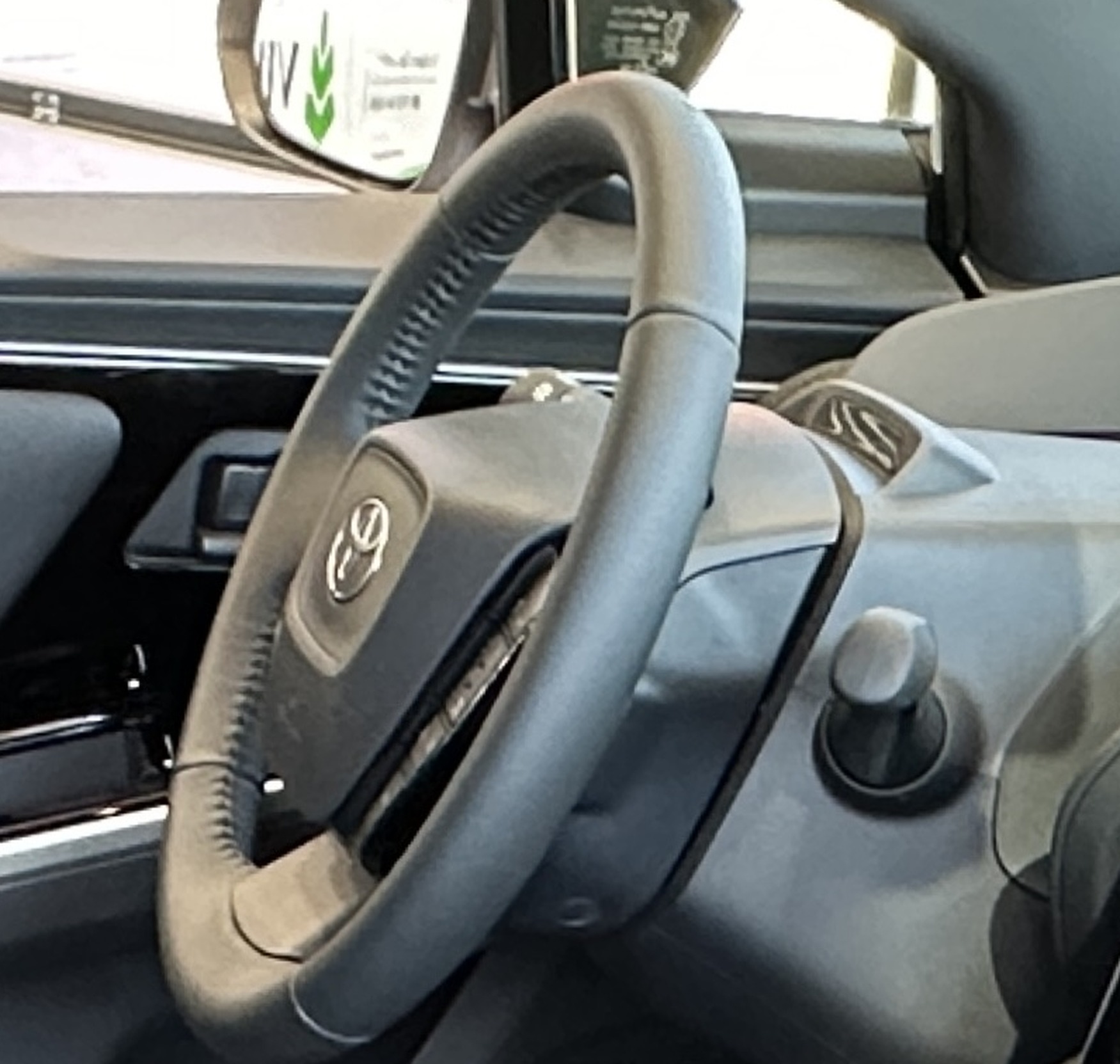
The bZ4X offers a yoke-style wheel paired with steer-by-wire on certain trims, following the same reduced-rim, no-stalk logic as Tesla's design — and drawing the same "why remove the top of the wheel" skepticism from reviewers test-driving it.
Capacitive buttons, screen-first everything
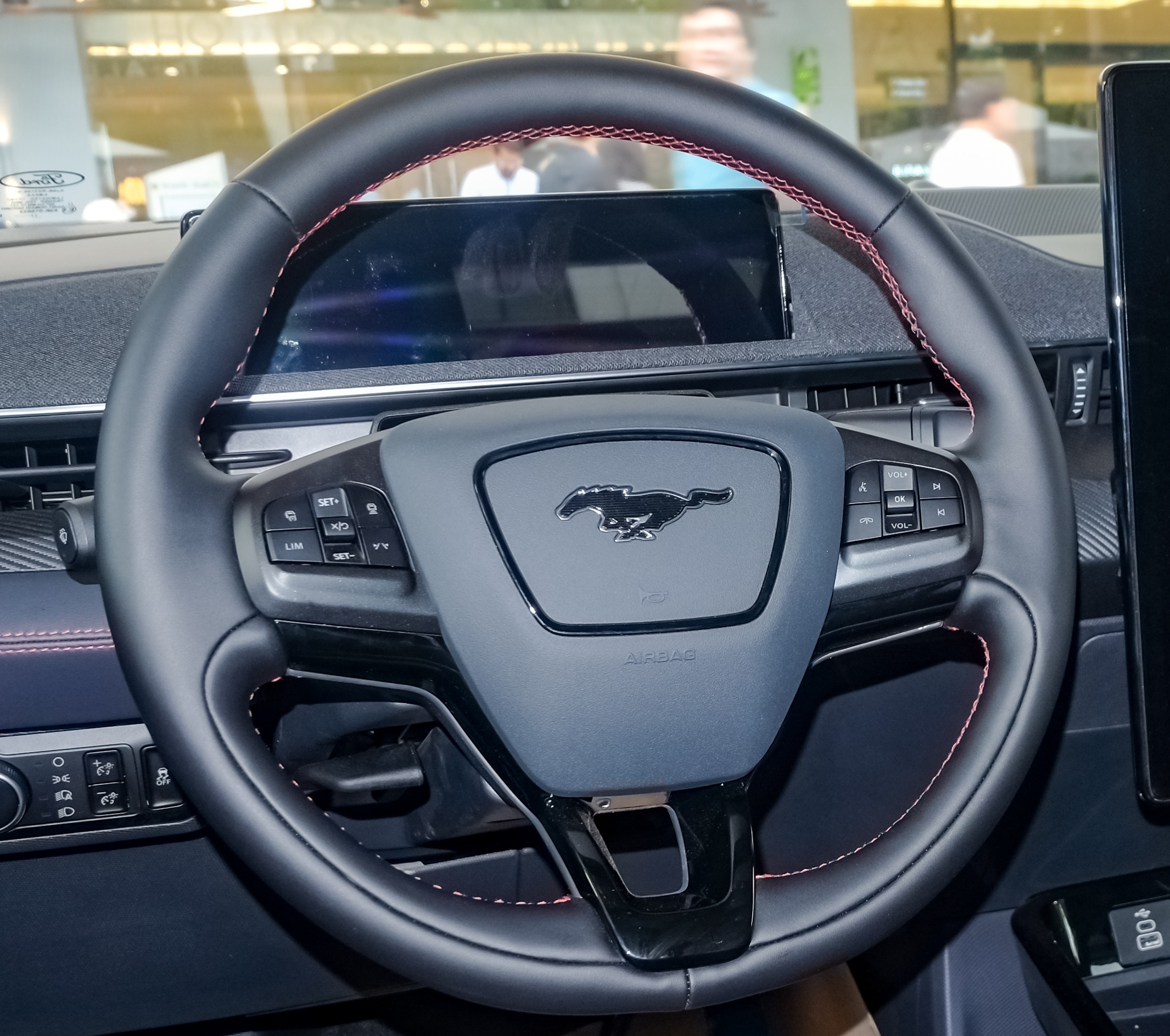
The Mach-E leans on capacitive touch buttons on its wheel and a large center touchscreen for functions that used to live on physical stalks and knobs, a pattern consistent with Ford's broader push toward screen-first interiors.
The squared-off wheel that relocated everything
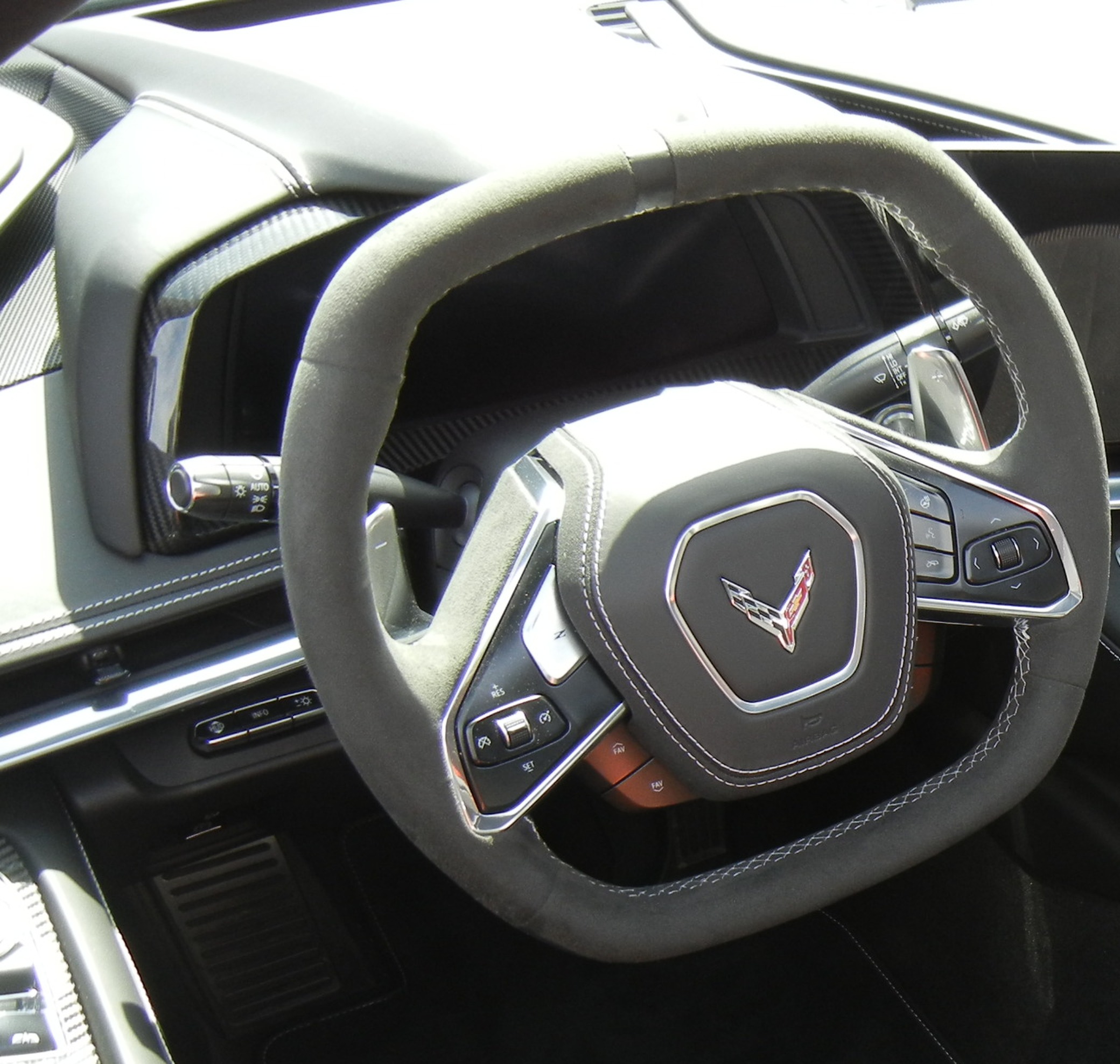
The C8's squared-off wheel rim relocates buttons and paddle placement compared to a traditional round wheel, and several reviewers have flagged the layout as something that takes real adjustment time even for drivers used to performance cars.
Haptic controls, more mixed reviews than most
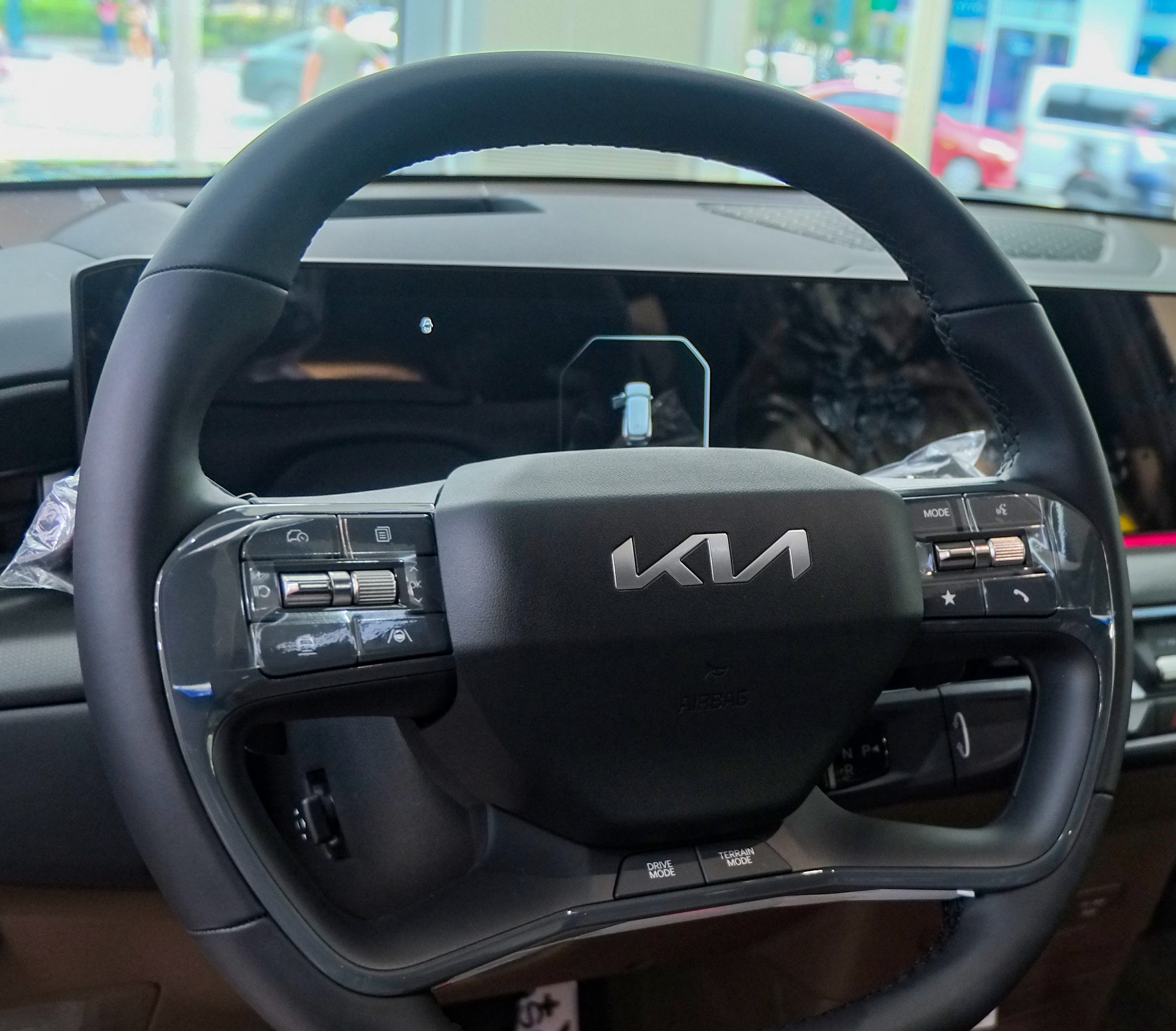
The EV9 uses haptic-style steering wheel controls similar to Cadillac's and Nissan's approach — reviews are more mixed here than uniformly negative, with some praising the button layout even while flagging the same lack-of-tactile-feedback issue common to the category.
Infiniti, GMC, Bugatti Thin public data
We didn't find a well-documented, widely-reported steering-wheel-control complaint pattern for these three specifically — which isn't the same as a clean bill of health, just that we're not going to invent a controversy we can't back with a source.
The contrast: who kept physical controls
Real buttons, real scroll wheels, no CarPlay at all
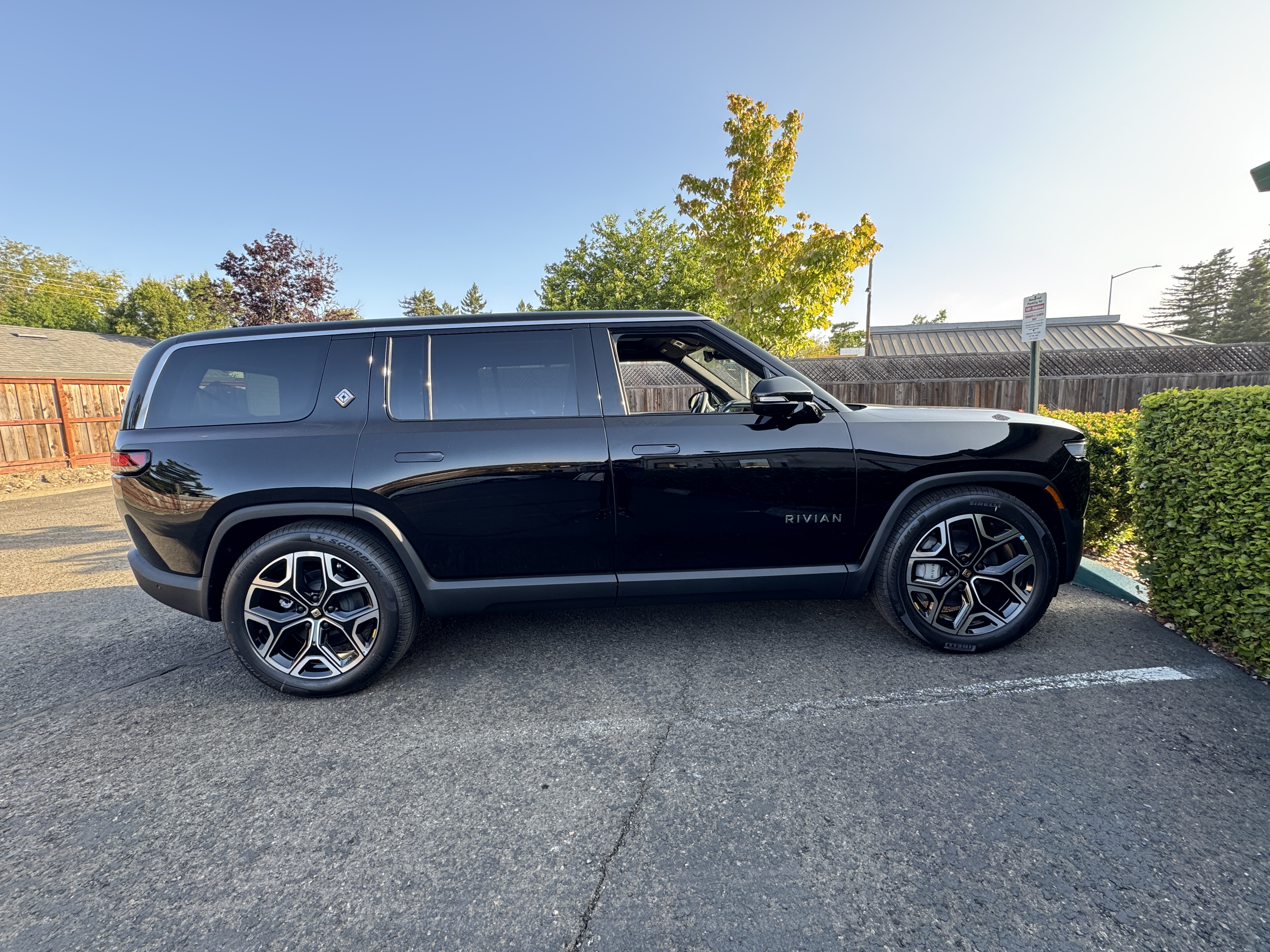
Rivian has kept physical, clicky scroll wheels and buttons on its steering wheels since the R1T/R1S launched, resisting the industry-wide move to touch and haptic surfaces — even as it's also never offered Apple CarPlay or Android Auto at all, leaning entirely on its own native software instead. We couldn't source a verified, properly licensed closeup of the Rivian wheel itself — the photo above is the real car, just not that tight a shot.
Minivans Mostly conventional
Minivans as a category — Sienna, Pacifica, Odyssey, Carnival — have largely stuck with conventional physical steering-wheel buttons rather than chasing capacitive or haptic trends, likely because the buyer for a minivan skews toward reliability and ease-of-use over cutting-edge interior design.
GMC Hummer EV keeps buttons
GMC's Hummer EV has stuck with mostly physical steering-wheel switchgear rather than following Cadillac's haptic approach within the same corporate family — a notable internal contrast at GM.
"A button you can find blind is a feature. A touch panel you have to look at is a distraction with a nicer name."DopamineKart Legit Car Desk
The pattern across almost every brand that made the switch is the same: touch and haptic surfaces look cleaner in a press photo and cost less to manufacture, but they take your eyes off the road in a way a physical button never did. J.D. Power's own data backs that up — infotainment is the one category getting worse, not better, and CarPlay/Android Auto friction is the single biggest reason why.
Sources. J.D. Power — 2026 U.S. Initial Quality Study, Torque News — NHTSA review of Tesla's yoke, autoevolution — NHTSA Tesla steering complaints, Autoblog — Porsche Taycan button backlash, The Drive — Porsche's button reversal, Cadillac Owners Forum — Lyriq steering wheel button problems, Go-Parts — Lyriq steering wheel known issues. Photography: Tesla, Cadillac, Lexus, Nissan, Toyota, Kia, Ford, Chevrolet, and Rivian images are reader-submitted photos from Wikimedia Commons, credited and licensed individually (see each image's Commons file page); the Porsche Taycan image is Porsche press material. This article contains no affiliate links and no buy buttons. This is a research-based roundup, not a comparative test drive of all vehicles named. Corrections: email us