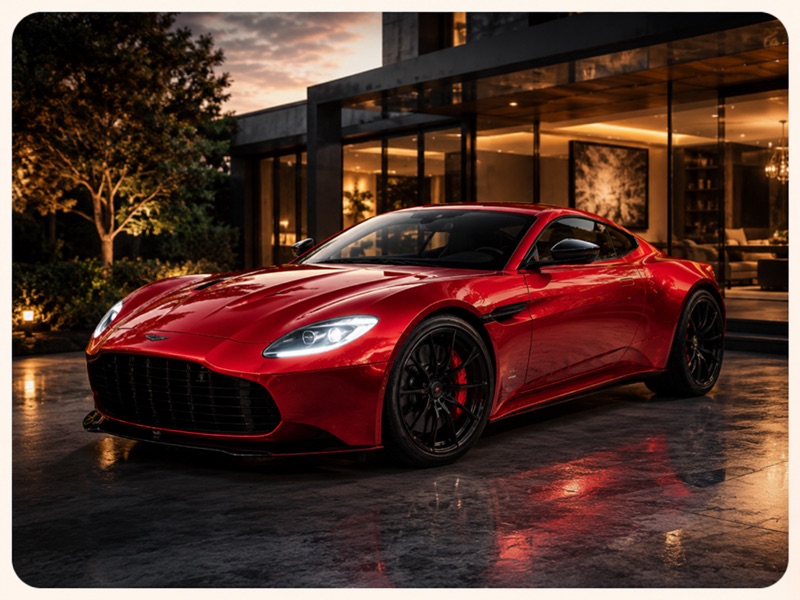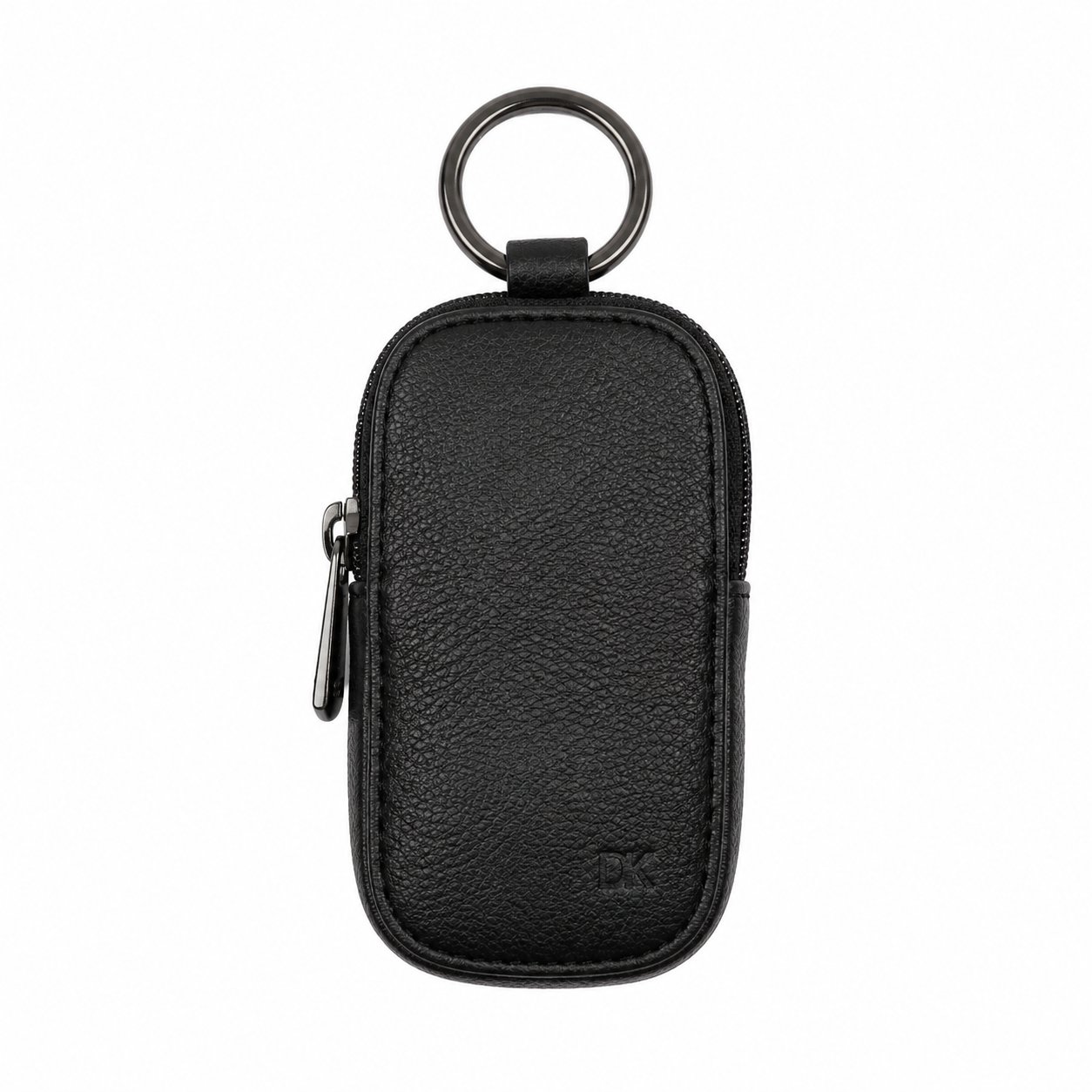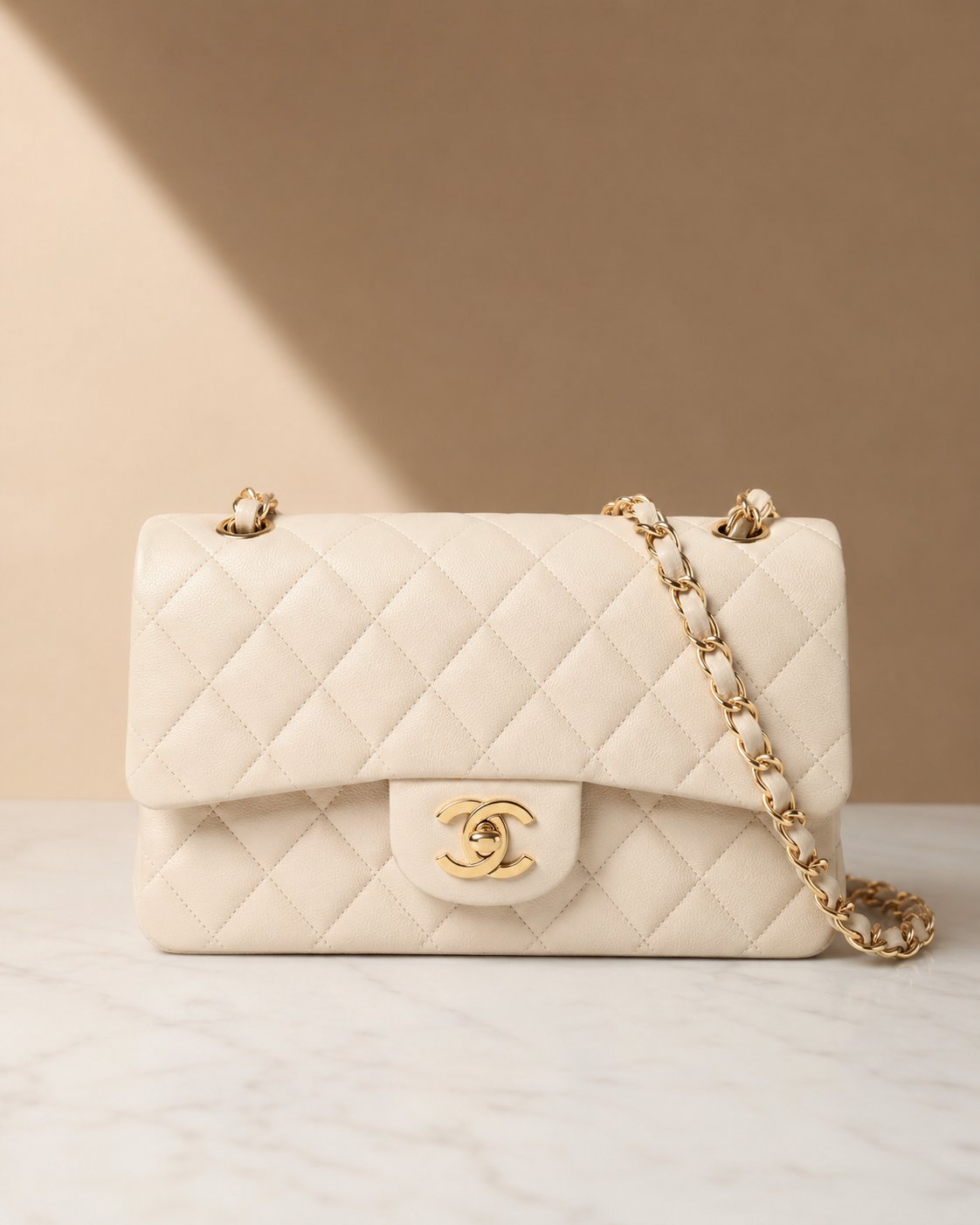
- An estimated 61% of Gen Alpha households report a child maintaining an active DopaKart wishlist before age five.
- The average pre-literate cart holds $8,900 in goods and has never once reached checkout.
- Researchers call it 'fantasy budgeting' — desire rehearsal with the transaction surgically removed.
- Parents increasingly prefer the free wishlist to the real purchase, citing 'the same feeling, none of the debt.'
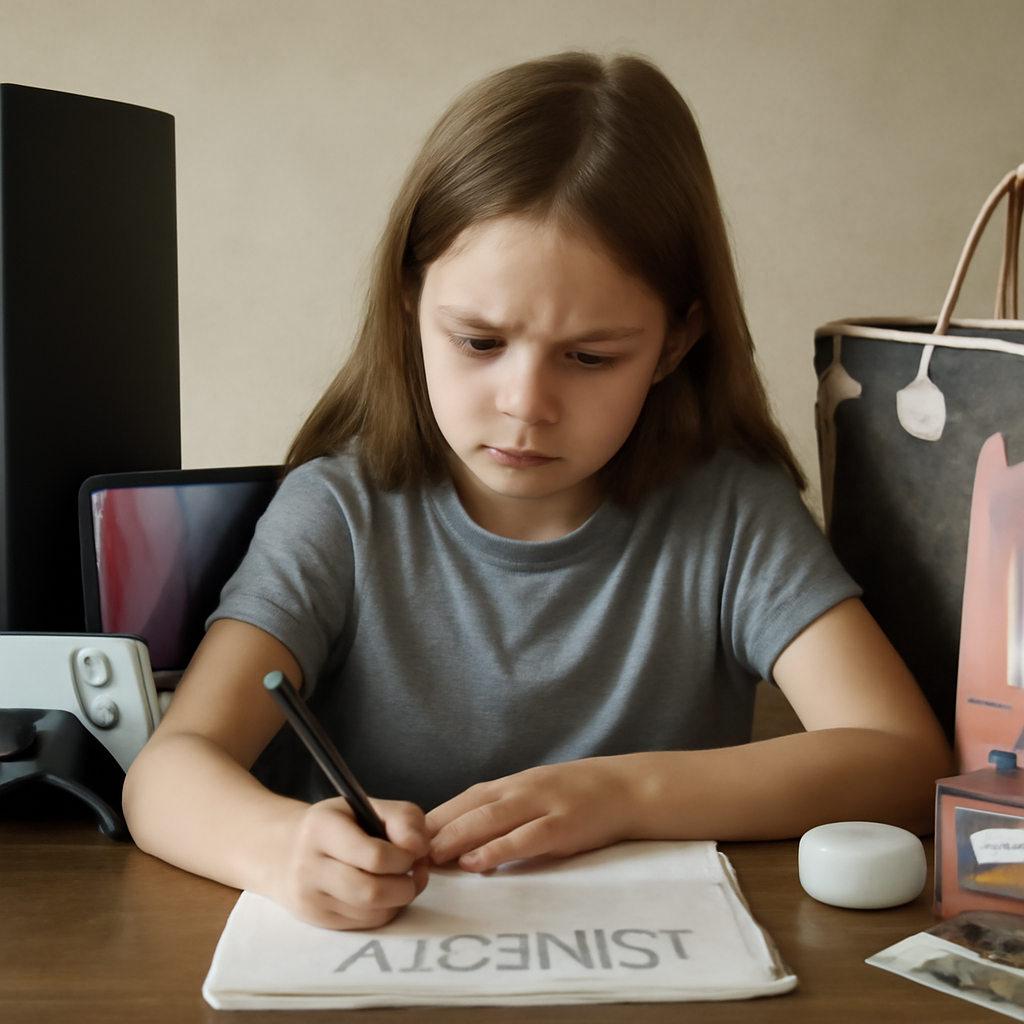
Mira Halvorsen is four and a half years old. She cannot yet spell her last name, but she can navigate to DopaKart, locate the Louis Vuitton Neverfull MM Monogram Canvas Tote ($2,080), and drag it into a wishlist she has titled — via voice, in the wet consonants of the barely verbal — 'MY BAGS.' She has never asked to buy any of it. According to her mother, that has never been the point.
WHY NOWThe Cart That Never Checks Out
For decades, retail assumed a straight line from want to swipe. But somewhere around 2024, that line snapped. A March 2026 report from the Copenhagen Institute for Post-Purchase Behavior found that 61% of surveyed Gen Alpha households — children born 2010 and after — contained at least one child maintaining an active, self-curated DopaKart wishlist before their fifth birthday. The average cart value: $8,900. The average checkout rate: statistically indistinguishable from zero.
'We keep waiting for the conversion,' said Dr. Priya Anand-Vestergaard, the Institute's lead behavioral economist. 'It never comes. The children are not stuck in the funnel. They have decided the funnel is the product.' Her team coined the term now spreading through parenting forums and quarterly earnings calls alike: fantasy budgeting. The practice of allocating imaginary money across real listings with no intention — and, in the case of a toddler, no ability — to complete the transaction.
DopaKart, whose entire ecosystem is engineered around desire without acquisition, has quietly become the most-used app among children under six, edging out three streaming services and a fishing game. The company declined to characterize this as intentional. 'We built a place to want things,' a DopaKart spokesperson said. 'We did not specify the age at which wanting begins. It turns out it begins immediately.'
THE BEHAVIORHow a Non-Reader Builds a $12,000 Cart
The mechanics are stranger than the statistics. Pre-literate children cannot process price, but they process saturation, symmetry, and shine with startling precision. A joint study by the Wenzhou Center for Aspirational Cognition tracked 400 children aged three to five and found that toddlers gravitate overwhelmingly toward high-gloss, high-repetition objects — the Fendi FF Monogram Air Circulator Fan ($1,550) and the Miu Miu Pink Porcelain Tea Cup & Saucer ($395) tested as the two 'most grabbable' listings in the entire catalog.
'They are not budgeting for a future they understand,' explained Dr. Anand-Vestergaard. 'They are conducting desire drills. A child adds the Hermès side table, removes it, adds it again. This is not indecision. This is rehearsal. We are watching a generation practice the emotional muscle of wanting-and-releasing, forty times a day, for free.' Parents report the sessions are visibly regulating: a meltdown resolved not with a toy but with fourteen minutes of adding luxury duffles to a list that will evaporate at bedtime.
Sister platforms report the same pattern. NomNomNever, the fantasy food-delivery service, says its fastest-growing user cohort is children assembling elaborate never-arriving dinners. WheelDream reports a surge in six-year-olds specifying paint finishes on cars they will not legally operate for a decade. 'The kids are more disciplined than the adults,' one WanderNever analyst noted. 'They book the trip. They feel the trip. They never once ask when the trip is.'
THE ECONOMICSParents Prefer the Ghost to the Goods
The uncomfortable finding, buried in the Copenhagen report's appendix, is that the parents are converting too. Or rather, un-converting. A supplementary survey of 2,100 caregivers found that 44% now maintain their own DopaKart wishlists alongside their children's, and 38% report actively preferring the wishlist to a completed purchase. The most-cited reason, verbatim, appeared 611 times: 'Same feeling. None of the debt.'
'This is the no-checkout economy fully arriving,' said Toma Reyes, a fellow at the fictitious-but-well-funded Menlo Fund for Restraint Studies. 'A generation of adults spent years learning that buying the thing rarely delivered the feeling the thing promised. Their children are being handed the shortcut at birth. They keep the promise and skip the delivery. From a household-solvency standpoint, it is arguably the healthiest consumer behavior ever recorded.'
Retailers, predictably, are less serene. Legacy commerce depends on the funnel closing. But there is a quiet counter-argument circulating in boardrooms: a customer who wants forever is worth more than one who buys once and grieves. 'We used to measure conversion,' the DopaKart spokesperson said. 'Now we measure return-to-cart frequency. Mira comes back to that tote eleven times a week. She is our most loyal customer. She has spent nothing. We consider this a success.'
They are not stuck in the funnel. They have decided the funnel is the product.
The typical DopaKart wishlist built by a child under five — with a checkout rate statistically indistinguishable from zero.
Questions people actually ask
Is fantasy budgeting bad for children?
Researchers are split. The Copenhagen Institute frames it as harmless desire rehearsal; critics worry it trains lifelong wanting. Notably, nobody has produced a child who actually spent the money.
Can a toddler accidentally buy the $2,080 tote?
No. DopaKart has no checkout at all. The transaction is not disabled — it was never built. The want is the whole feature.
Should I let my child use DopaKart?
They almost certainly already are. Experts suggest joining them: build your own wishlist, feel the feeling, buy nothing, and go to bed solvent.
The Wishlist Industrial Complex isn't teaching children to spend — it's teaching them to want with the receipt removed. In that sense DopamineKart may be the most responsible store ever built: everything is browsable, everything is beautiful, and nothing, ever, arrives. Go add the tote. It'll be there tomorrow, and so will your bank balance.
📰 This article is written as satirical journalism. Every statistic, think-tank citation, expert quote, and figure is invented. DopaNews does not conduct research. DopamineKart is a simulation. If you struggle with compulsive spending, visit nfcc.org.