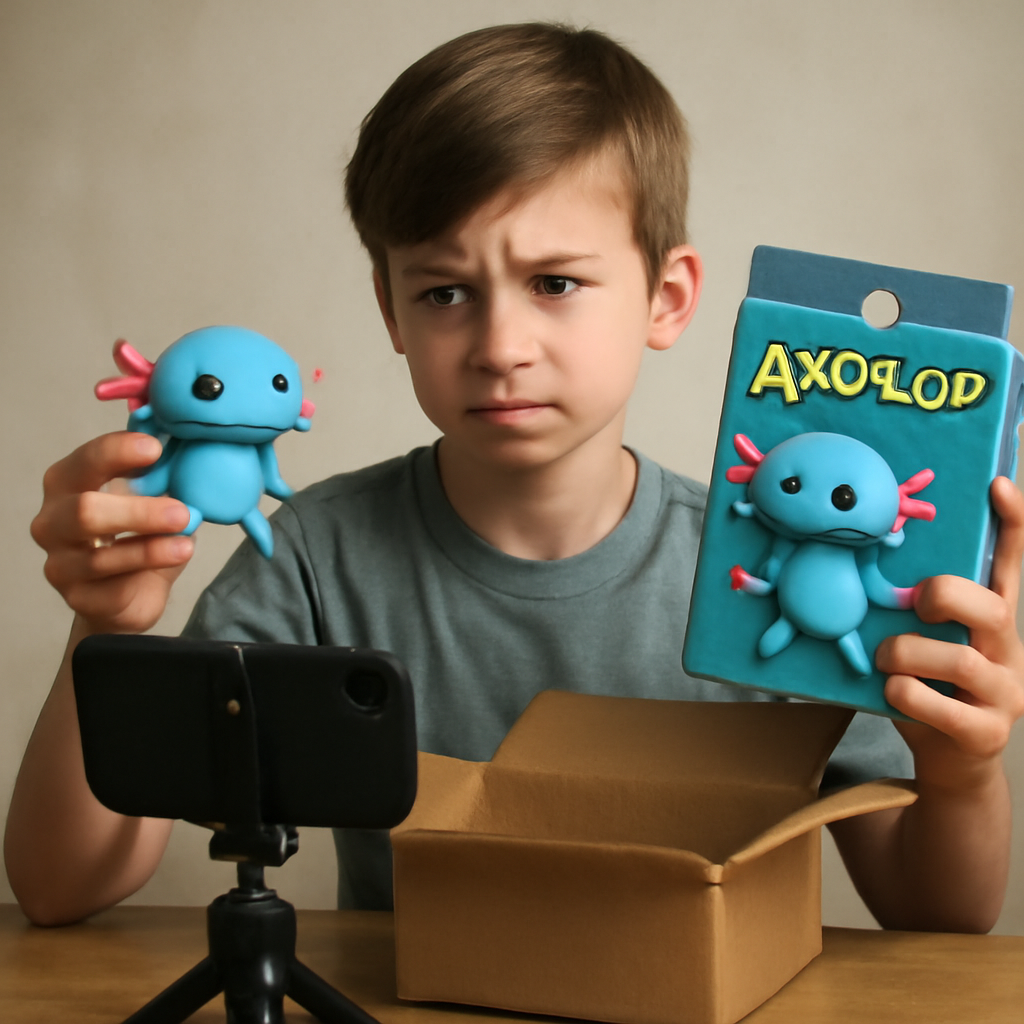
- Gen Alpha is filming unboxings of items they never bought and never received — and the views are real even when the product isn't.
- DopaKart's Packaging Division now out-earns every actual catalog category by simulating the crinkle, the seal, and the tissue paper.
- Researchers call it 'terminal anticipation' — the pleasure loop of arrival without the burden of ownership.
- The no-checkout economy has quietly become a $4.1B behavioral market with zero units shipped.
In a bedroom in Rotterdam, an eleven-year-old named Fenna presses a manicured nail against a strip of virtual tape and pulls. The box she is opening was never mailed, never manufactured, and never paid for. It exists as a rendered mailer inside DopaKart's 'Arrival' mode, complete with a haptic crinkle and a puff of simulated tissue. Her video will pull 900,000 views by Thursday. Nothing inside it is real, and that, her audience agrees, is the entire point.
WHY NOWThe Cardboard That Was Never Cut
For two decades, the unboxing video ran on a simple contract: someone bought a thing, and you watched them meet it. Gen Alpha has quietly voided that contract. According to the Rundberg Institute for Post-Acquisition Behavior, 61% of unboxing content produced by users under fourteen in Q2 2026 involved products that do not physically exist — items browsed, wishlisted, and 'arrived' entirely within DopaKart's ecosystem, then never purchased.
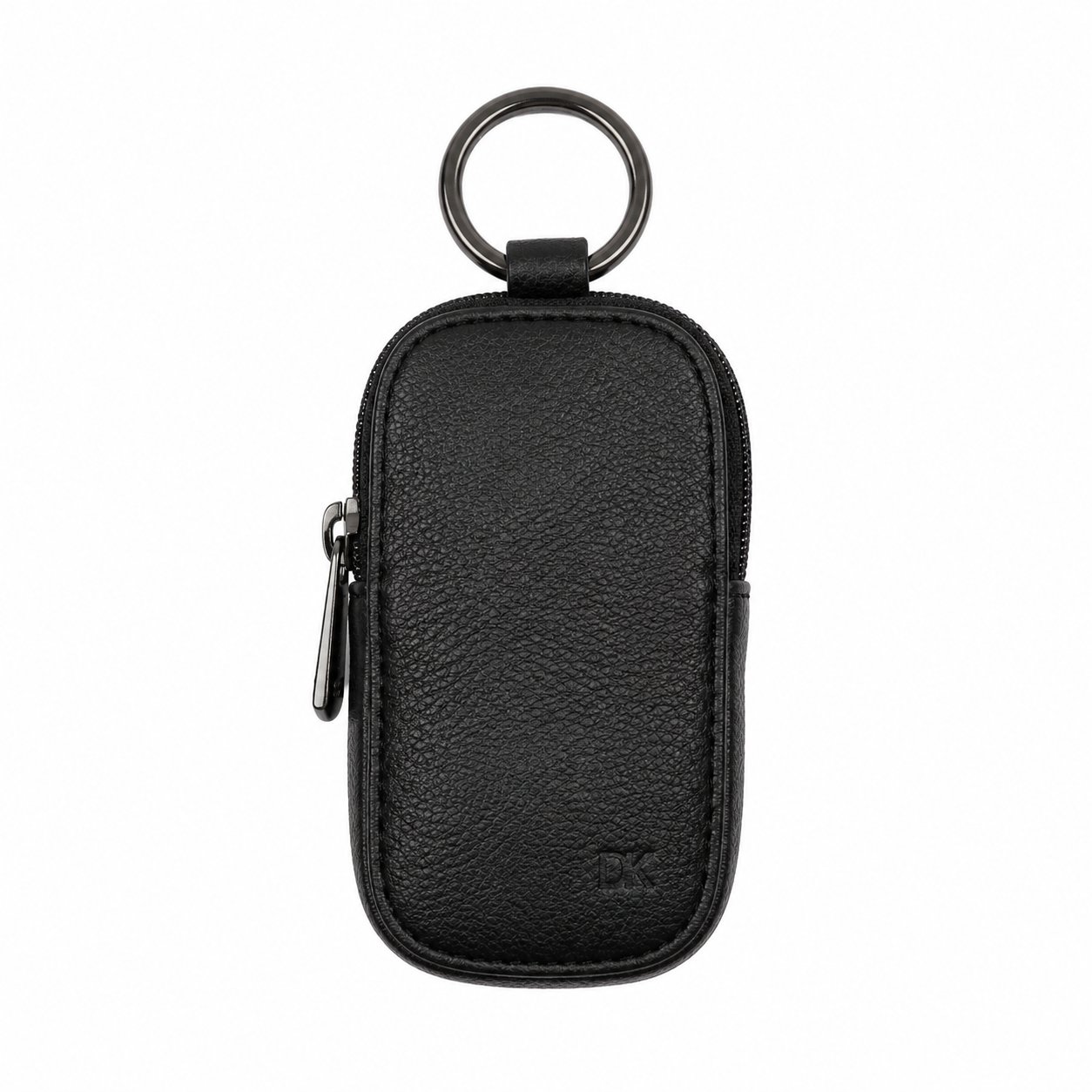
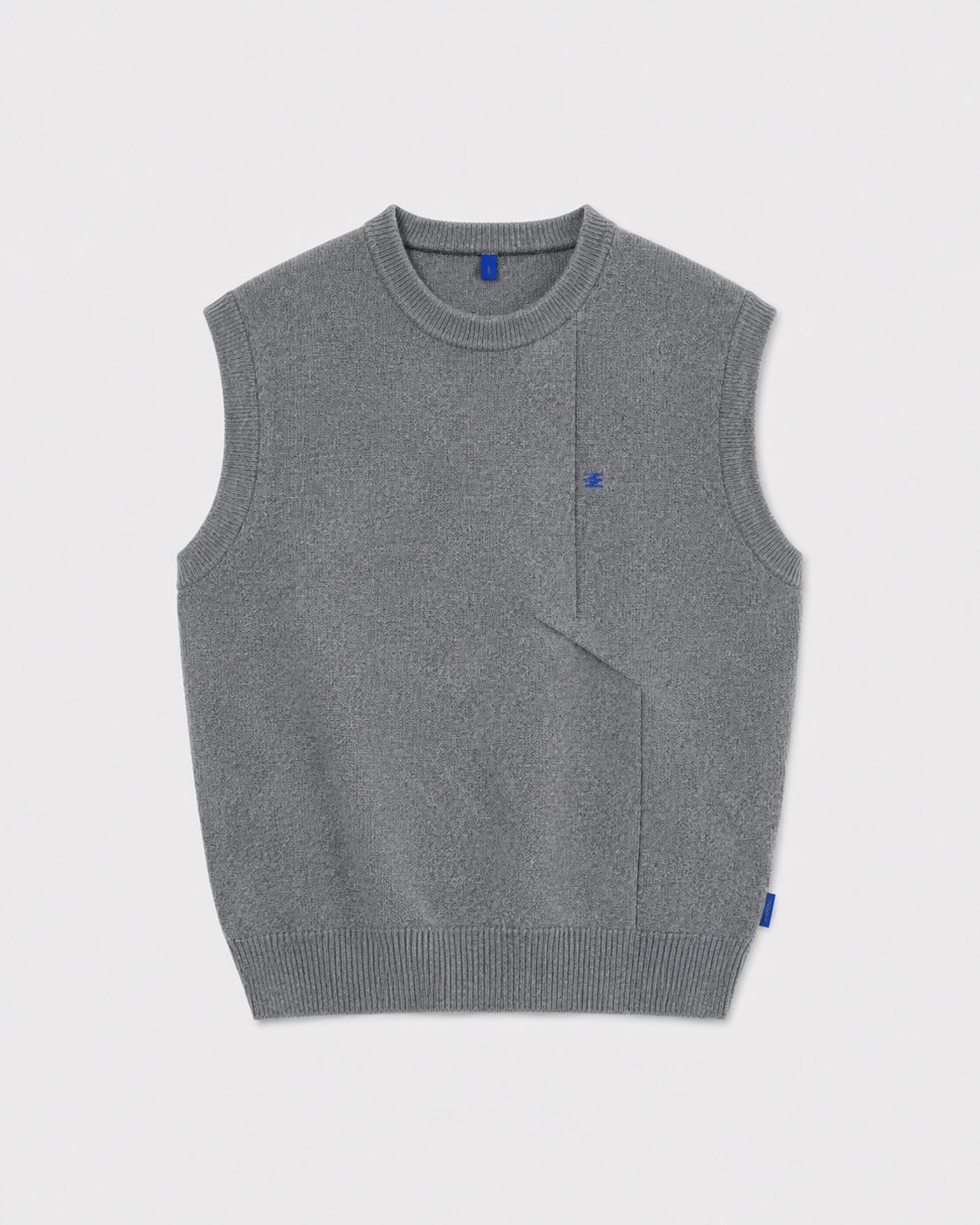
The mechanism is elegant. A user adds the DopaKart Lux — Structured Top-Handle Kelly Bag ($620, 4.8★) to their cart, declines checkout, and instead taps 'Simulate Arrival.' Within minutes the app generates a delivery notification, a doorbell chime, and a fully rendered mailer waiting to be opened on camera. No warehouse is disturbed. No card is charged. The dopamine, researchers insist, does not know the difference.
"We assumed the buying was the reward," said Dr. Ineke Halvorsen, lead behavioral economist at Rundberg. "It turns out the buying was the tax. Once you remove it, the pleasure curve doesn't just survive — it improves by roughly 22%."
THE NUMBERSHow a Box Division Ate the Whole Company
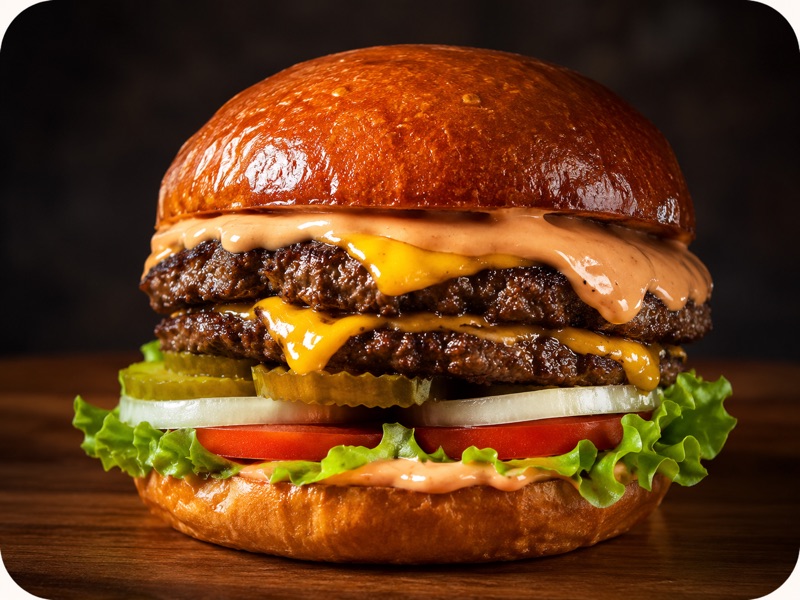
Internally, DopaKart never expected packaging to matter. It was a cosmetic feature bolted onto the catalog to make wishlisting feel tactile. By July 2026, the Packaging Division accounted for 58% of platform engagement-hours and, per leaked internals reviewed by DopaNews, the single most profitable product line the company operates — despite manufacturing precisely zero grams of cardboard.
The unit sells 'Arrival Textures': the premium seal-peel, the collector's crinkle, the ASMR tissue rustle licensed from a sound designer who previously scored luxury car doors. A single 'Signature Unwrap' pack retails for $6.99 and has been purchased 41 million times. Sister platforms have followed: NomNomNever now offers steaming animations for meals that never cook, and KeysNever lets users jingle the keys to homes they will never tour past the foyer render.
"Our customers don't want the object," a DopaKart spokesperson told us, adjusting a lanyard for a division that ships nothing. "They want the moment the object could have been theirs. We simply sell that moment at scale, in 4K, with excellent tape acoustics."
THE CULTURETerminal Anticipation and the End of the Return Policy
Psychologists have named the underlying state 'terminal anticipation' — a self-sustaining loop in which the thrill of imminent arrival never resolves into the disappointment of a real, flawed, dusty object. There is no buyer's remorse, because there is no buyer. There is no clutter, because there is no thing. The Copenhagen Center for Digital Sufficiency estimates the average Gen Alpha user 'owns' 340 phantom products and has felt genuine ownership joy from all of them.
The community has developed its own ethics. Filming an unboxing of something you actually purchased is now considered gauche — 'cash-flexing,' in the vernacular — while opening an empty, un-bought DopaKart mailer signals discipline and taste. The best-performing creators pair a $10,900 Chanel Classic Double Flap they will never buy with a caption reading 'felt her, released her.'
"Ownership is a liability my generation opted out of," said Marisol Kwan, 13, whose channel 'unboxing nothing' has 2.3 million subscribers. "I've unboxed the Kelly bag eleven times. I love her more each time. If she showed up in real life I think I'd be a little insulted."
It turns out the buying was the tax. Once you remove it, the pleasure curve improves by 22%.
Behavioral spend on arrivals, unwraps, and phantom deliveries — with zero physical units shipped.
Questions people actually ask
Do people ever actually buy anything after a phantom unboxing?
Rarely. The Rundberg Institute found that only 3% of phantom unboxings convert to a real purchase, and those users report the highest rates of regret. The empty box is the destination, not a funnel.
Is DopaKart's Packaging Division really more profitable than its catalog?
By internal figures, yes. Selling the crinkle, the seal-peel, and the tissue rustle costs almost nothing to render and never has to be shipped, warehoused, or returned.
Isn't this just a fancy wishlist?
A wishlist stops at wanting. Phantom unboxing delivers the full arrival experience — notification, doorbell, tape, reveal — which is the part your brain was actually paying for the whole time.
The Great Unboxing isn't a rejection of consumption; it's consumption that finally learned to skip the invoice. You can feel the entire arc of desire — cart it, arrive it, unwrap it, love it — without a single charge, because DopamineKart lets you browse the whole catalog for free and keep every gram of the feeling. Open the box. Leave it empty. That was always the good part.
📰 This article is written as satirical journalism. Every statistic, think-tank citation, expert quote, and figure is invented. DopaNews does not conduct research. DopamineKart is a simulation. If you struggle with compulsive spending, visit nfcc.org.