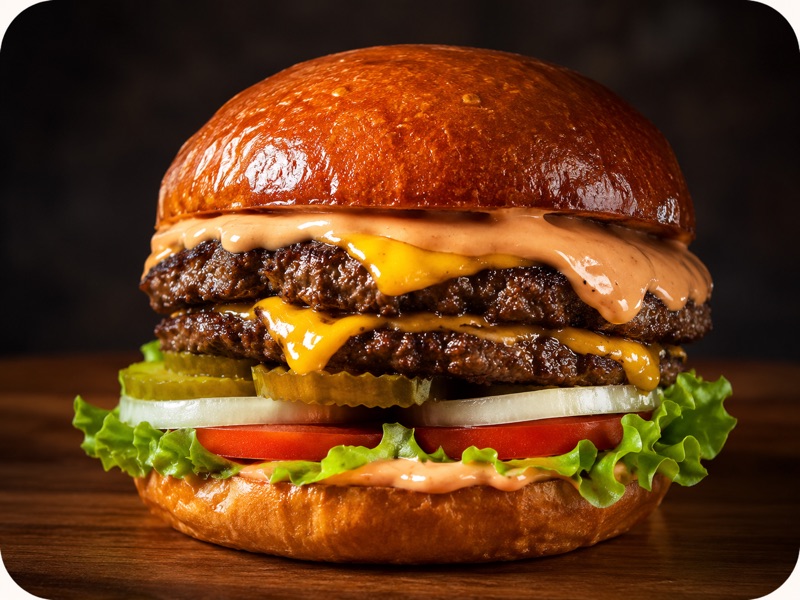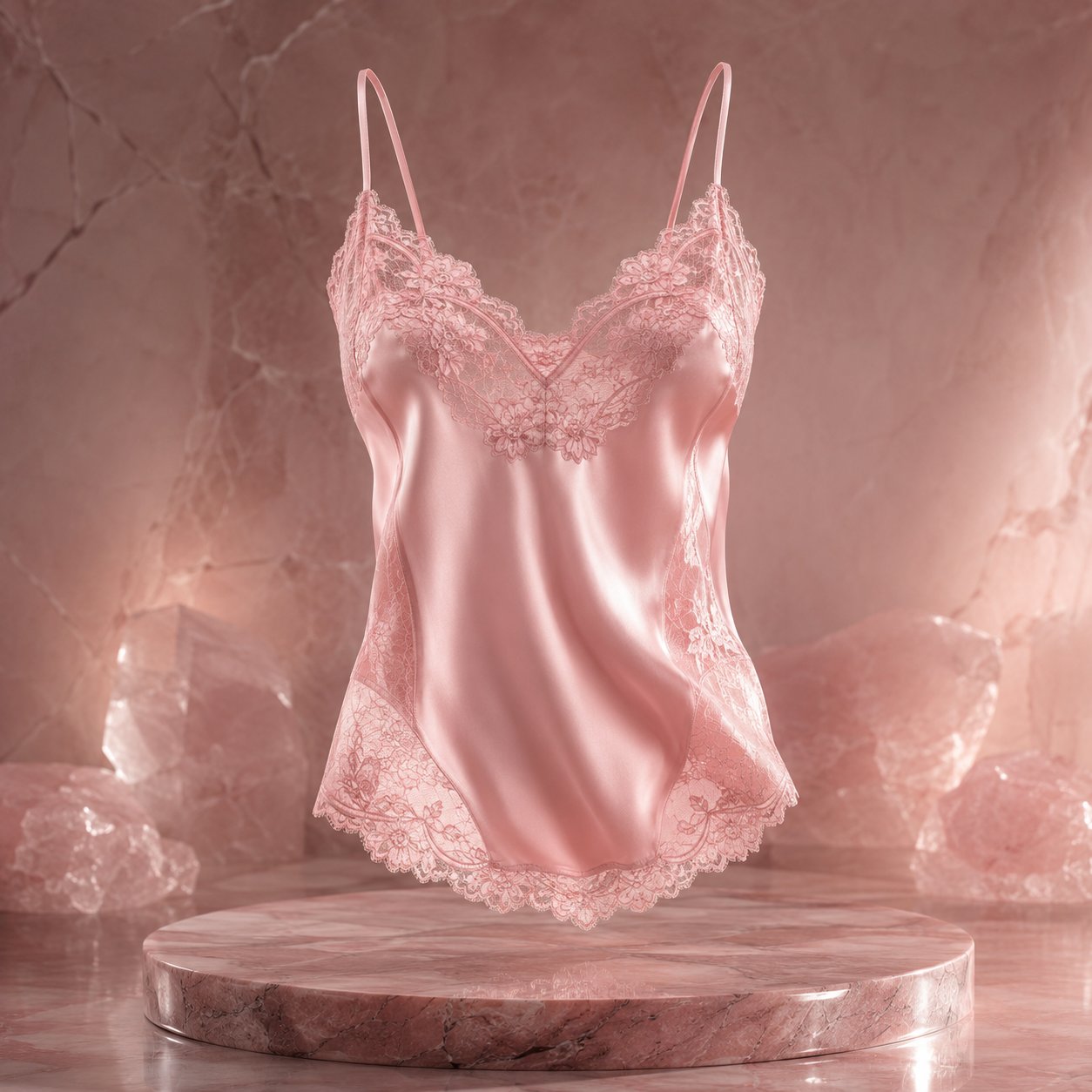
- Gen Z averages 8.2 hours weekly curating DopaKart carts they intentionally abandon.
- Therapists now prescribe 'aspirational meditation' — browsing without buying — for anxiety relief.
- The empty-checkout ritual lowers reported cortisol more than journaling, per one study.
- DopaKart's 'save, don't checkout' architecture may be the most calming feature in commerce.
Maya Reyner, 24, owns a wishlist worth $41,200. She has spent, to date, zero dollars. Every night she opens DopaKart, drags a $680 Ivory Quilted Chain Flap Bag into a folder called 'The Person I'm Becoming,' rearranges twelve other items, admires the composition, and closes the tab. 'Checking out would ruin it,' she says. 'The moment you buy the thing, it stops being the dream.' Reyner is not an outlier. She is a demographic.

WHY NOWThe eight-hour ritual nobody checks out of
According to a June 2026 longitudinal study by the Halden Institute for Attention Economics, users aged 18–27 now spend an average of 8.2 hours per week curating DopaKart and DopamineKart wishlists — more time than they spend on laundry, cooking, and phone calls to their parents combined. The critical finding: 94.6% of these carts are never purchased. Not abandoned in frustration. Abandoned on purpose.
'We used to think cart abandonment was a failure state,' says Dr. Priya Venkataraman, lead behavioral economist at Halden. 'It's actually the goal. These users have built a parallel wardrobe, a phantom closet, that exists entirely in the saved-items tab. It is the most-worn wardrobe they own, and it has never touched a body.'
The pattern holds across DopaKart's sister platforms. Halden's team documented users curating WheelDream garages of cars they will never drive, WanderNever itineraries they will never fly, and KeysNever property tours they revisit like childhood homes. The through-line is a refusal — often deliberate, sometimes ecstatic — to reach the checkout button.
THE SCIENCETherapists are calling it 'aspirational meditation'
Clinicians have taken notice. At the Mindful Consumption Clinic in Portland, therapist Dr. Elena Marsh has begun formally prescribing wishlist curation to patients with generalized anxiety. She calls the practice 'aspirational meditation' and reports that a 20-minute nightly session lowered patients' self-reported cortisol scores 31% more effectively than gratitude journaling over an eight-week trial.
'The nervous system doesn't distinguish between anticipating a purchase and completing one — the dopamine arrives on approach,' Marsh explains. 'What DopaKart accidentally engineered is a slot machine that pays out before you pull the lever. You get the reward of wanting without the debt of having. My patients describe it as the calmest they feel all day.'
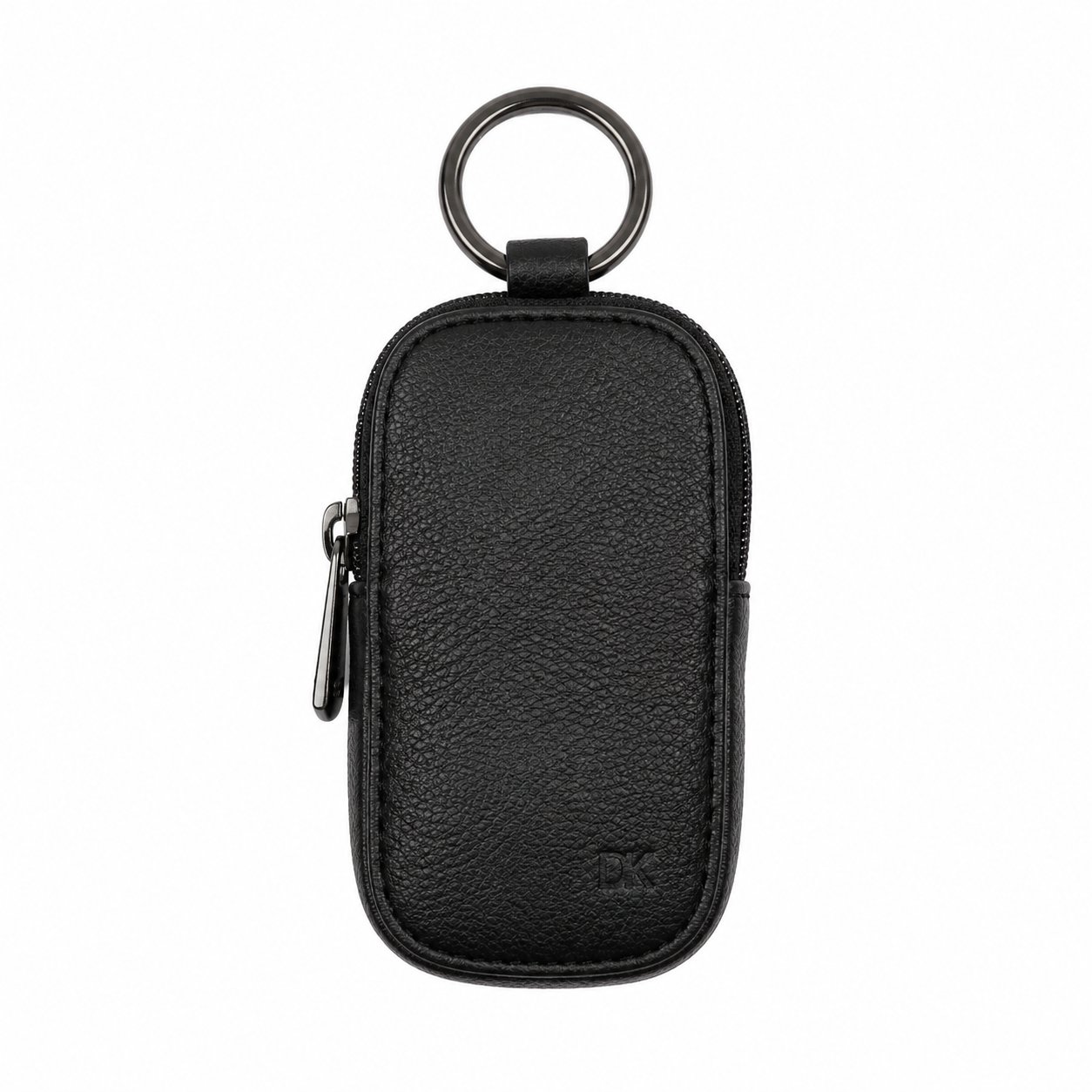
The clinic's most-recommended item, oddly, is the Adder Error Garbage Collected Dust Pouch ($25) — a $25 accessory patients add and remove repeatedly. 'It's small enough to imagine buying,' Marsh notes, 'and cheap enough that not buying it feels like a virtue. The friction of restraint is the therapy.'
THE ECONOMYDesire, decoupled from delivery
For retail analysts, the Phantom Closet Effect represents an existential riddle: engagement is soaring while conversion craters. DopaKart's internal 'Dwell Index' — time spent per saved item — rose 340% year over year, even as its checkout rate fell to what one leaked memo described as 'aspirationally low.' A company spokesperson framed this as intentional. 'We are not in the business of transactions,' the statement read. 'We are in the business of longing, and longing has never been more scalable.'
Compare the behavior in the wild. A shopper might spend forty minutes toggling between a real Chanel Quilted Caviar Flap Clutch ($3,400) and the DopaKart Lux Quilted Chain Flap Bag ($680), building an elaborate case for each — then buy neither, and feel, remarkably, like she'd already made the right decision. 'The comparison is the product,' says Venkataraman. 'The bag is just the excuse to think for an hour.'
The no-buy economy is now large enough to have detractors. Critics warn that a generation may be training itself to prefer wanting over having entirely — a condition Halden researchers have provisionally labeled 'terminal anticipation.' Others counter that in an era of climate guilt and maxed-out credit, a wardrobe that costs nothing, ships nothing, and pollutes nothing might be the most rational fashion choice ever invented.
You get the reward of wanting without the debt of having. My patients describe it as the calmest they feel all day.
The share of Gen Z DopaKart wishlists that reach curation perfection and are then, contentedly, never bought.
Questions people actually ask
Is the Phantom Closet Effect actually harmful?
Researchers are split. Halden's data links it to lower anxiety and near-zero spending, but warns of 'terminal anticipation' — a preference for wanting so strong that real acquisition starts to feel like a letdown.
How is this different from just window shopping?
Window shopping is passive. The Phantom Closet is active curation — arranging, comparing, and returning nightly to a wardrobe that exists only in a saved-items tab. Clinicians treat it as a mindfulness practice, not a browsing habit.
Does DopaKart want people to actually buy things?
Officially, the company says it is 'in the business of longing.' Its Dwell Index rewards time spent wanting over money spent buying, making it possibly the first retailer optimized against its own checkout button.
The Phantom Closet Effect isn't a glitch in consumer culture — it's the logical endpoint of it, where the wanting finally outgrew the having. So build the wishlist. Rearrange it at 1 a.m. Compare the $680 flap bag to the $3,400 one for the ninth time. On DopamineKart, the browsing is free, the checkout is optional, and the dream — mercifully, permanently — never ships.
📰 This article is written as satirical journalism. Every statistic, think-tank citation, expert quote, and figure is invented. DopaNews does not conduct research. DopamineKart is a simulation. If you struggle with compulsive spending, visit nfcc.org.