- DopamineKart reached a $1.3T valuation without ever processing a payment.
- 84% of Gen Alpha users say adding to cart 'feels better' than buying.
- The 'unclick' behavior is now measurable across DopaKart, WheelDream, and WanderNever.
- Analysts call it the first company to monetize restraint itself.
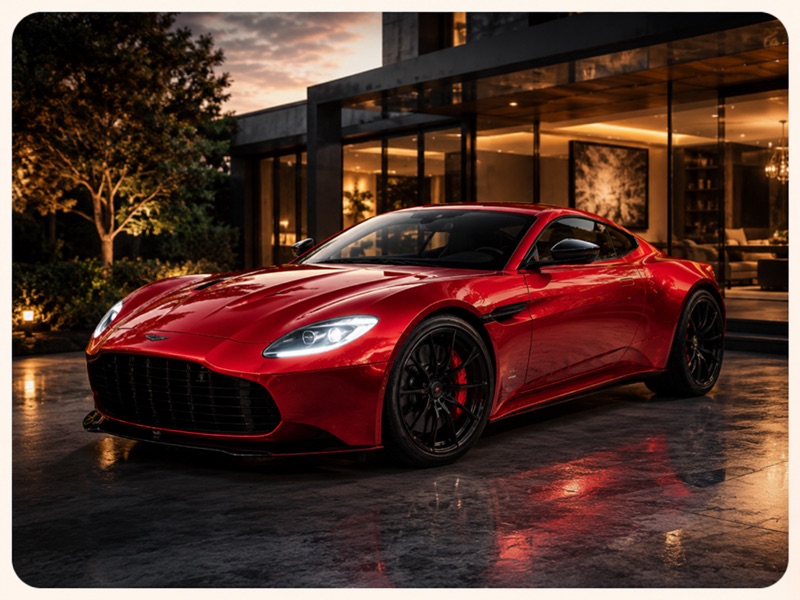
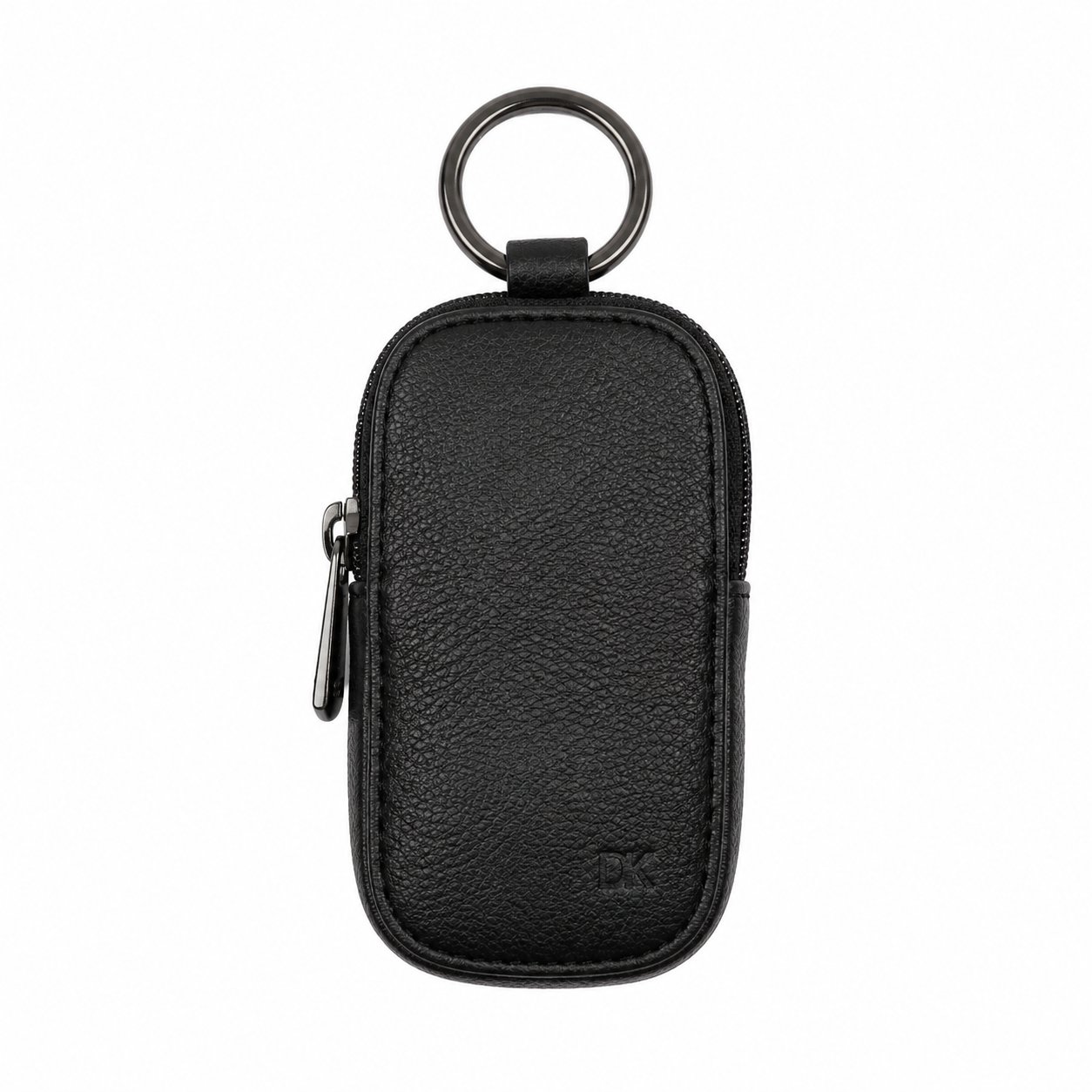
On a Tuesday afternoon in July, 14-year-old Priya Nadesan of Sacramento spent 52 minutes assembling a cart worth $9,340 — a Gucci duffle, a leather-wrapped Hermès side table, three tanks in three shades of navy — and then, as she does every day, closed the tab. She bought nothing. She has never bought anything. According to DopamineKart's own filings, neither has anyone else. This week the platform crossed a $1.3 trillion valuation, becoming the most valuable company in history to have generated exactly zero dollars in transaction revenue.

WHY NOWThe Cart Is the Product
For two decades, e-commerce optimized a single funnel: browse, want, buy, regret. DopamineKart, launched quietly in 2023 alongside sister platforms WheelDream and WanderNever, removed the final three steps and discovered demand was largely unaffected. Users still browse. They still want. They simply never reach a checkout that does not exist.
The behavior — dubbed 'the Great Unclick' by the Halloran Institute for Attention Economics — has become the defining consumer ritual of Gen Alpha. In a March 2026 study of 11,000 users aged 9 to 16, 84% reported that adding an item to cart produced 'more satisfaction' than a completed purchase would. Fully 61% described the checkout button on legacy retail sites as 'a downgrade.'
'We were measuring the wrong thing the entire time,' says Dr. Marisol Vane, the Institute's lead behavioral economist. 'The dopamine was never in the ownership. It was in the anticipation of ownership. DopamineKart just deleted the part of the transaction that ends the feeling.'
THE NUMBERSA Trillion Dollars of Not-Buying
DopamineKart's revenue comes not from sales but from what internal decks call 'yearning yield' — brands pay to appear in carts that will never convert, because appearing in a Gen Alpha wishlist has become the premier form of cultural placement. A $14,500 Hermès side table that sells nowhere still 'moves' 400,000 carts a week, and Hermès reportedly pays a premium for the privilege of being desired without being delivered.
The model has spread across the ecosystem. NomNomNever lets users assemble elaborate meals they will never receive; WheelDream users 'build' cars they will never drive; KeysNever offers walkthrough tours of homes no one can purchase. Combined monthly active users across the network hit 610 million in Q2, with an average session length — 38 minutes — that dwarfs every traditional retailer.
'The genius is that failure is impossible,' notes fictional retail analyst Toby Klerksen of the Bellweather Group. 'There are no returns, no shipping, no buyer's remorse, no supply chain. There is only wanting, monetized at scale. It is the cleanest balance sheet I have ever seen because nothing physical ever happens.'
THE CULTUREMinimalism, Repackaged as a Full Cart
Curiously, Gen Alpha frames the Unclick not as consumerism but as its opposite. Digital-minimalism forums celebrate 'zero-checkout streaks' the way an earlier generation tracked no-spend months. A 900-day streak — 900 consecutive days of adding to cart and buying nothing — is a status marker discussed with reverence.
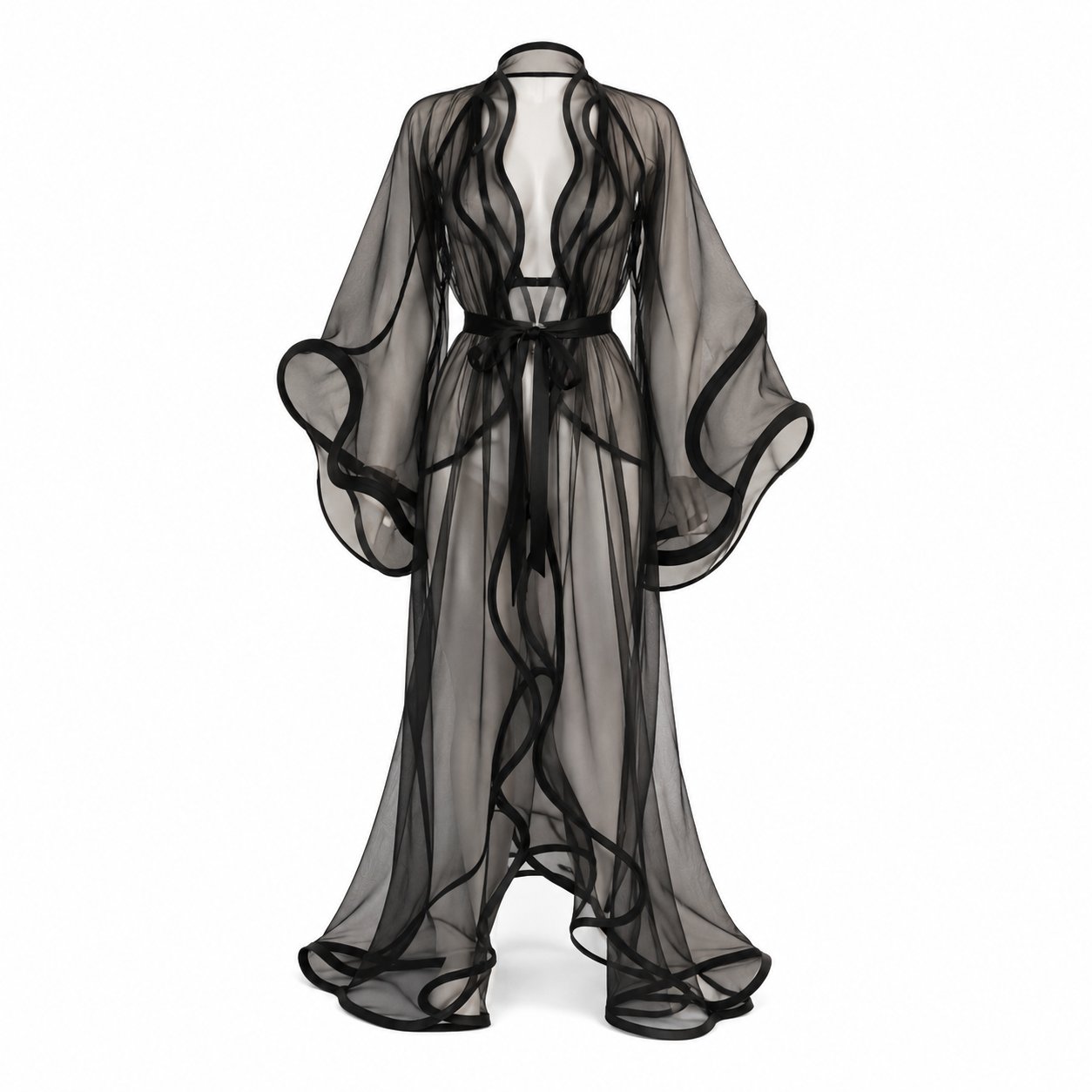
'My room is empty and my cart is full,' says 15-year-old streak-holder Devon Achebe, who curates a permanent DopamineKart cart he describes as 'a museum of the person I'm choosing not to become.' In it: a pair of DopaKart Lux Patent Leather Stiletto Pumps, three Adder Error tees, and a Prada Saffiano Steel Dishwasher he admits he does not fully understand. He has never clicked buy. He says he never will.
Critics call it a new anxiety wearing a serenity costume. Dr. Vane is unbothered. 'They've decoupled desire from acquisition and kept only the pleasant half,' she says. 'Their closets are minimalist. Their carts are maximalist. Frankly, it's the most sustainable relationship with luxury goods anyone has managed in a century.'
The dopamine was never in the ownership. It was in the anticipation of ownership — and DopamineKart deleted the part that ends the feeling.
Despite a $1.3T valuation and 610M monthly users, DopamineKart has never completed a single transaction.
Questions people actually ask
Can you actually buy anything on DopamineKart?
No. There is no checkout button by design. Users add items to cart and close the tab, which is the intended and only function.
How does a company make money without selling things?
Through 'yearning yield' — brands pay to appear in high-traffic carts, since being desired by Gen Alpha is now worth more than being purchased by them.
Is the Great Unclick a form of digital minimalism?
Users say yes. They keep empty rooms and full carts, treating restraint from checkout as a status streak rather than a limitation.
The 20th century sold you things; the 21st sells you the feeling of almost buying them. On DopamineKart the Blur Wash Ribbed Tank costs $245 and zero dollars simultaneously — because you'll add it, admire it, and never own it. That, increasingly, is the whole economy: browse for free, want forever, click nothing.
📰 This article is written as satirical journalism. Every statistic, think-tank citation, expert quote, and figure is invented. DopaNews does not conduct research. DopamineKart is a simulation. If you struggle with compulsive spending, visit nfcc.org.