Winter day hikes reward a short, specific kit. Here are fourteen Amazon picks across traction, poles, gaiters and socks, a pack and bottle, a headlamp, navigation and first aid, chosen from reputable roundups and checked against real listing data, with the limits spelled out.
How to choose winter hiking gear
- Match traction to the trail. CleverHiker sorts devices into chain-style (casual, packed snow), spikes (general winter hiking on ice and packed snow) and crampons (steep or deep-snow terrain), and warns that fit depends on your footwear.
- Carry traction even for short walks. The National Park Service says traction devices are always recommended on ice and snow, and to bring over-the-shoe traction for unexpected icy stretches. It also notes poles help with footing on icy trails.
- Look for adjustable poles and winter baskets. Decathlon says to use a larger basket in winter so the pole does not sink into soft snow, and that clip locks are easy to check for a secure fit.
- Do not count on your phone. NPS says many areas have no service and trails may be unmarked, so carry a map and compass or GPS and know how to use them. A night-hiking guide from Get Going NC adds a headlamp, spare batteries and a spare light.
- Pack water, food and dry layers. NPS lists lots of water and snacks, an extra dry set of clothes, a first aid kit and a whistle or signal mirror.
- Check the forecast. Ready.gov says to watch weather reports and warnings and to dress in layers. This page is research-based gear guidance, not safety or medical advice.
Sources we opened: NPS: Winter hiking tips, CleverHiker on traction devices, Decathlon on hiking poles, Get Going NC on night hiking and Ready.gov: Winter Weather.
- Tell someone where you are going and when you expect to be back (NPS).
- Check the weather forecast, trail conditions and park alerts (NPS, Ready.gov).
- Look up sunset the day before and plan to finish before the light fades; Get Going NC notes the last stretch of twilight is hard to hike in.
- Be willing to turn around if conditions worsen (NPS).
Traction devices
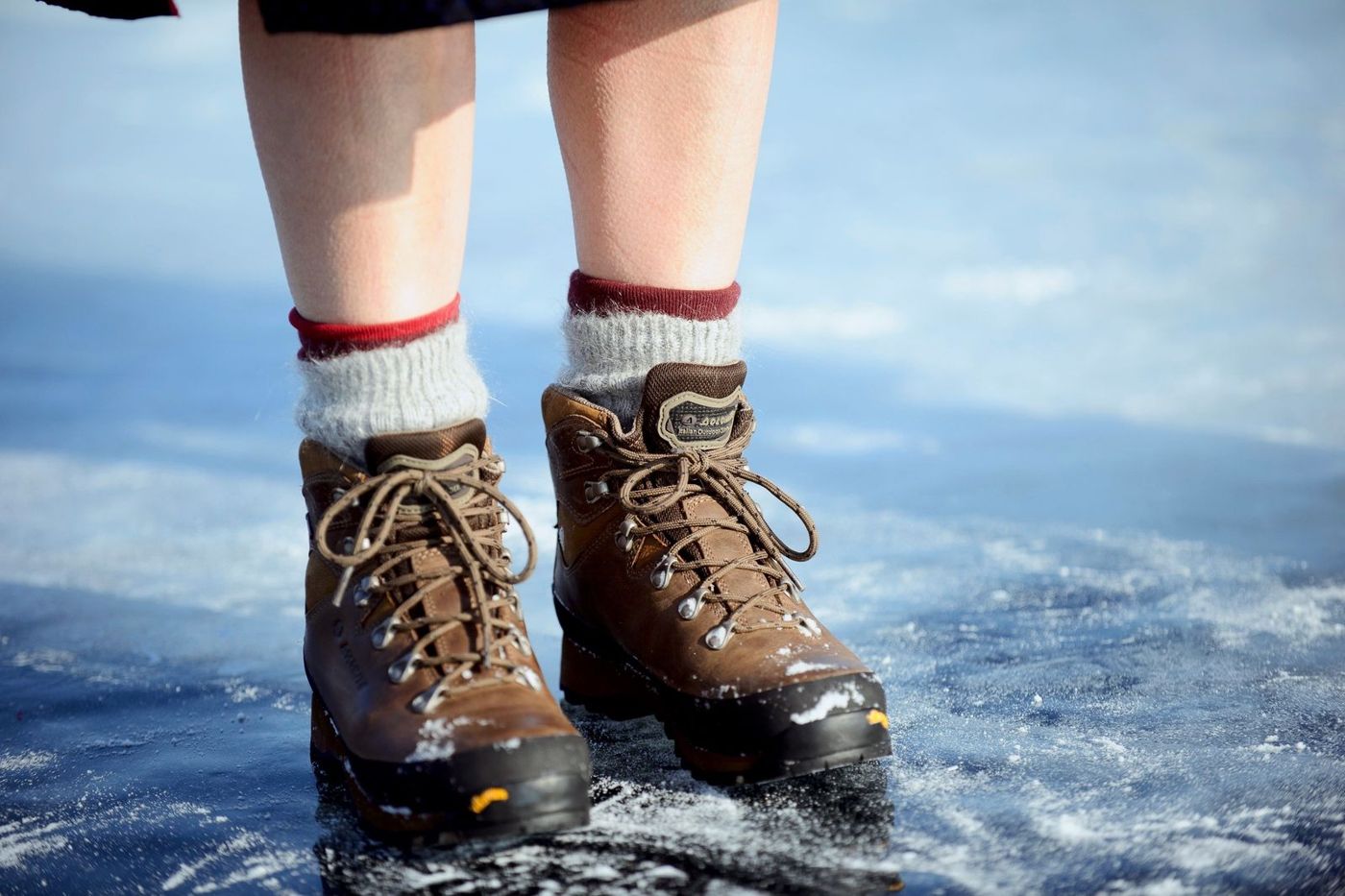
NPS says traction devices are always recommended on ice and snow, and CleverHiker splits them into chain-style devices for casual packed snow, spikes for general winter hiking and crampons for steep terrain. We already feature the Kahtoola MICROspikes on our winter gear page, so these are alternatives.
-


 01Best for steep, icy trails
Hillsound Trail Crampon
The listing states 11 carbon-steel spikes of 17 mm on a hinged plate, a toe bar and double chain, and says it suits hiking boots and insulated winter boots. CleverHiker places this style between spikes and true crampons. Honest limit: listing data shows about 1 lb for the pair, and it is overkill for packed, gentle trails.
See on Amazon → -


 02Best lightweight spikes
Kahtoola EXOspikes
The listing states 12 spikes per foot with tungsten carbide tips, an open TPU design that sheds snow, and a 4-year manufacturer warranty, built for flexible footwear. A lighter step away from the well-known MICROspikes. Honest limit: the listing pitches it at hiking and trail running, not deep snow or steep ice.
See on Amazon → -


 03
03Yaktrax Walk Traction Cleats
Steel coils on a thermoplastic sling, which the listing says will not crack in the cold and slips on with a heel tab. CleverHiker calls chain-style devices light and suited to casual use on packed snow. Honest limit: less bite on steep or hard ice than spiked devices, so treat it as a flat-trail or neighborhood option.
See on Amazon →
Trekking poles
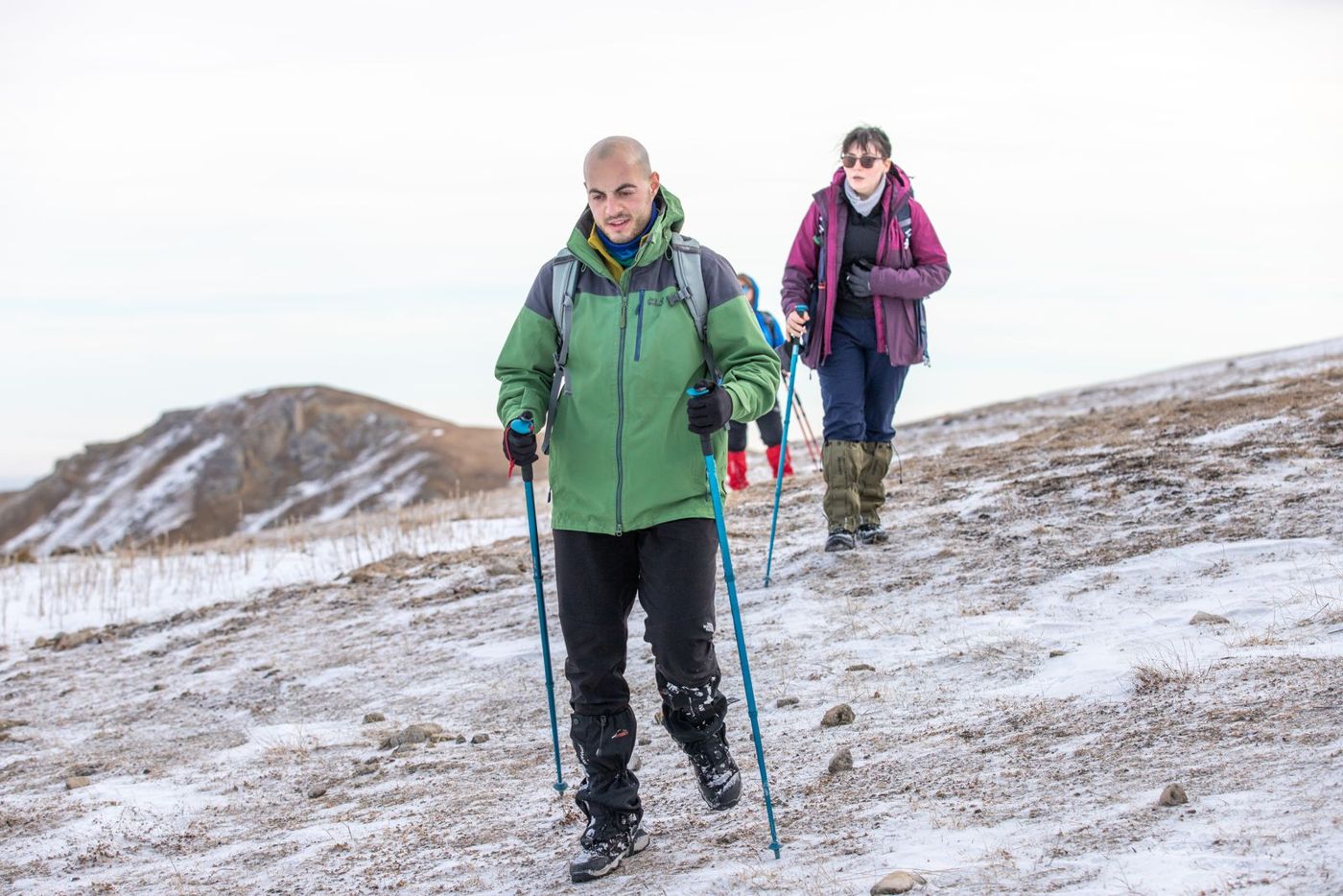
Poles help with footing on icy trails, per NPS. Decathlon advises adjustable poles and larger baskets in winter so the tip does not sink into soft snow, with baskets that swap back for summer.
-
 04Most-reviewed poles
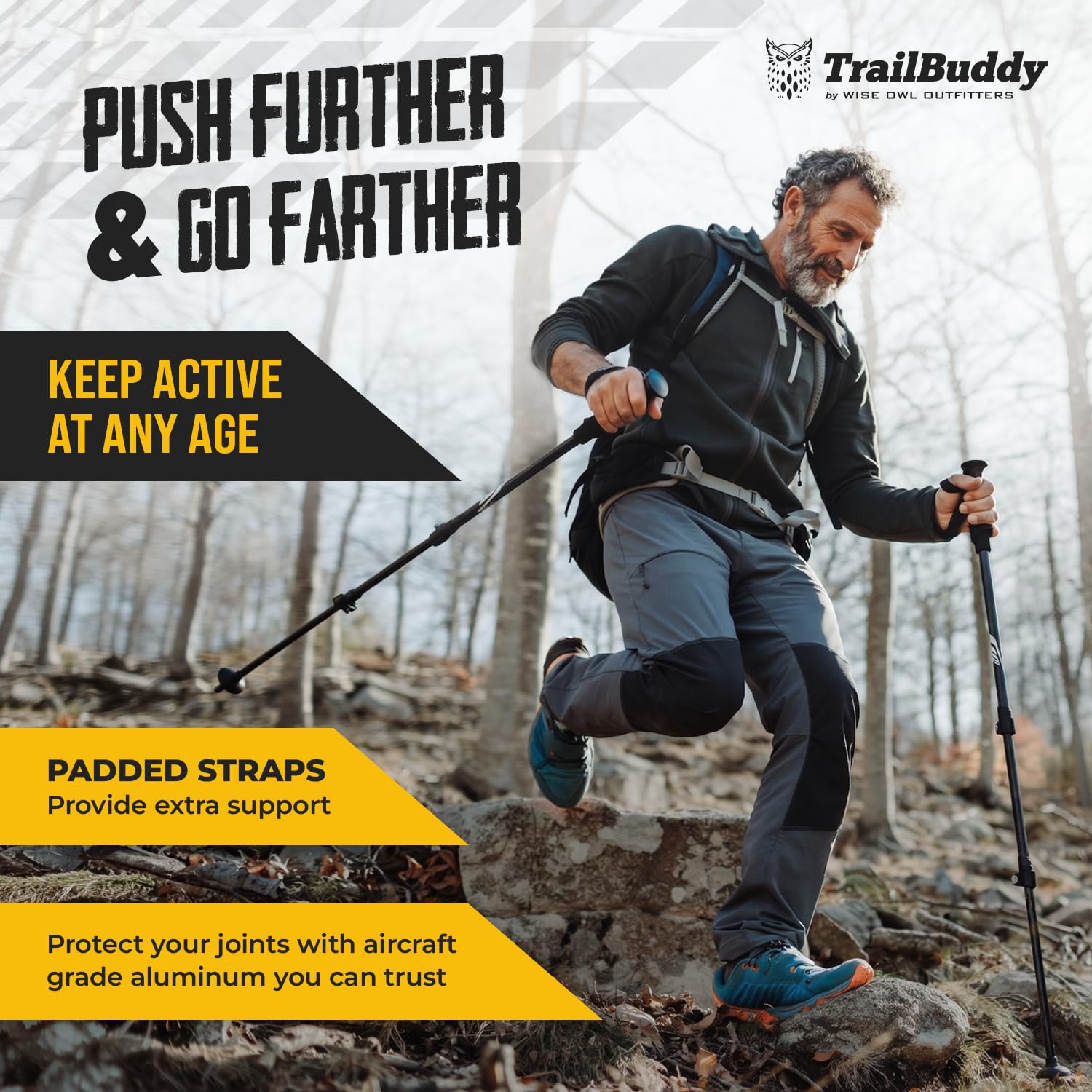
TrailBuddy Trekking Poles (7075 Aluminum)
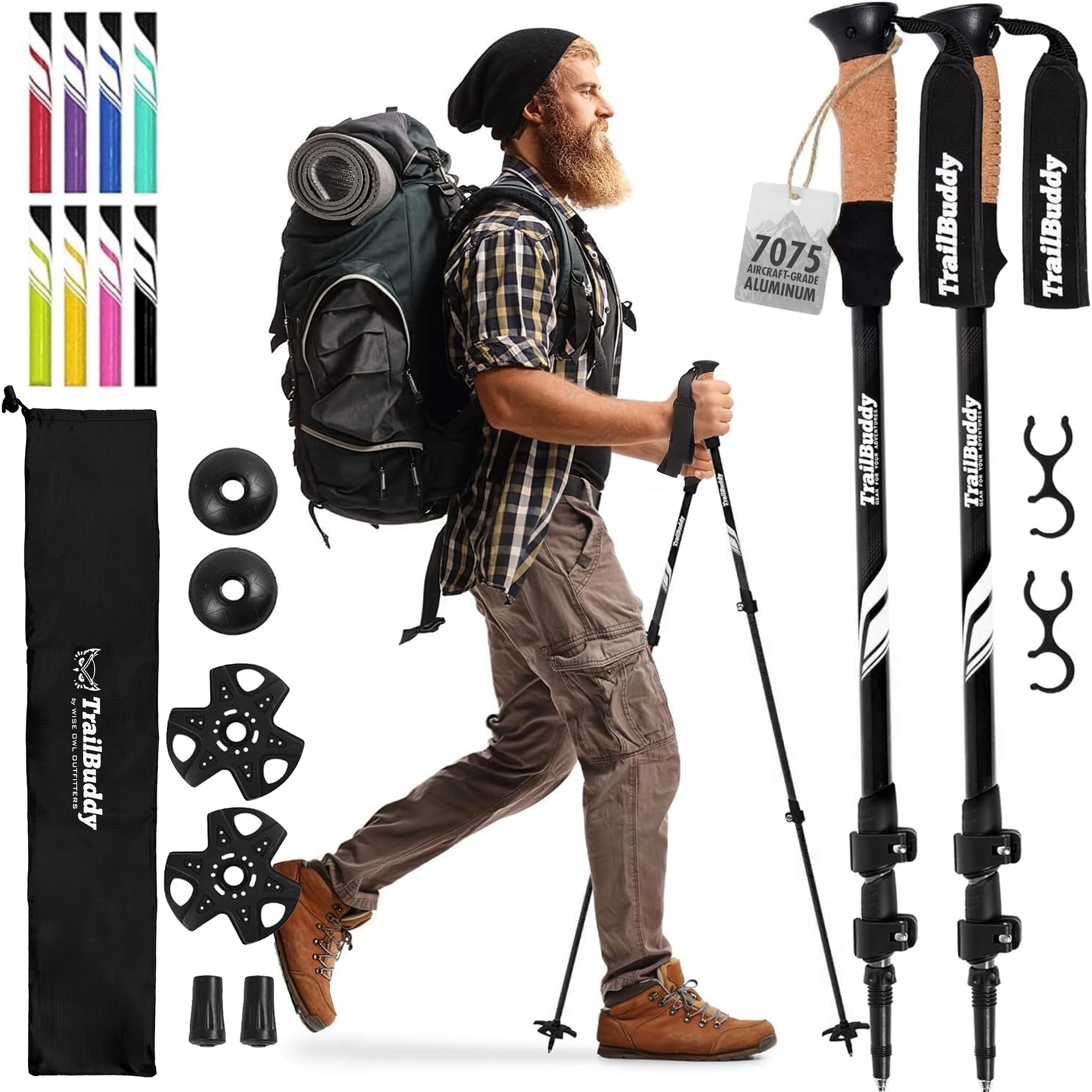
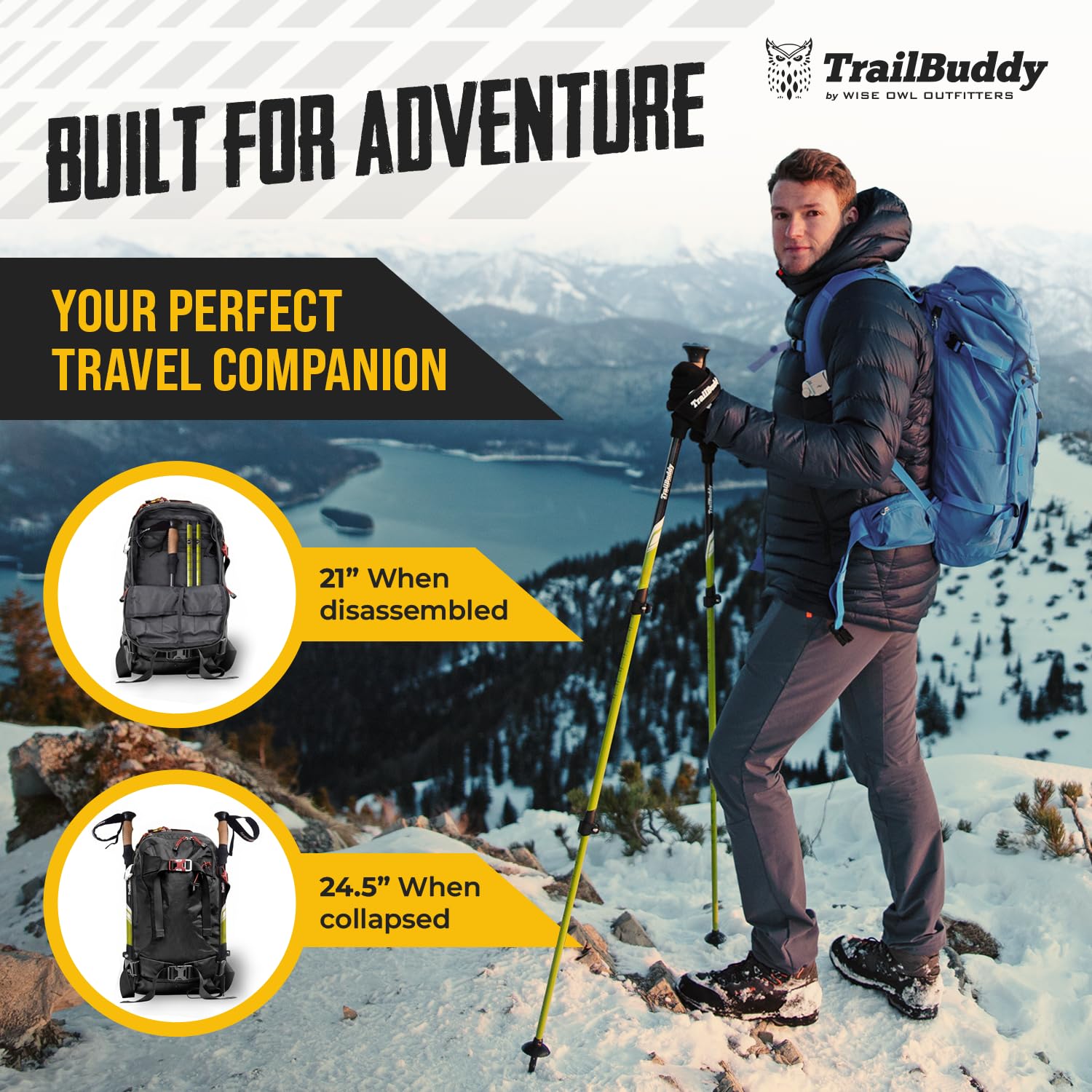
The listing states 7075 aluminum, lever locks, cork grips, a 24.5 to 54 inch range and threaded tips that keep included accessories attached in snow, with about 9.7 oz per pole. Decathlon notes clip locks are easy to check. Honest limit: no shock absorption is mentioned, and winter baskets are the thing to confirm are in the box.
See on Amazon → -


 05
05Cascade Mountain Tech Aluminum Trekking Poles
The listing states 6061 aluminum, a quick-lock mechanism adjusting 26 to 54 inches, cork grips with an extended EVA grip below, and rubber snow and mud baskets with tungsten carbide tips included. The extended grip helps on slopes. Honest limit: the listing gives roughly 10 oz per pole, heavier than carbon alternatives.
See on Amazon → -
 06Best-known brand
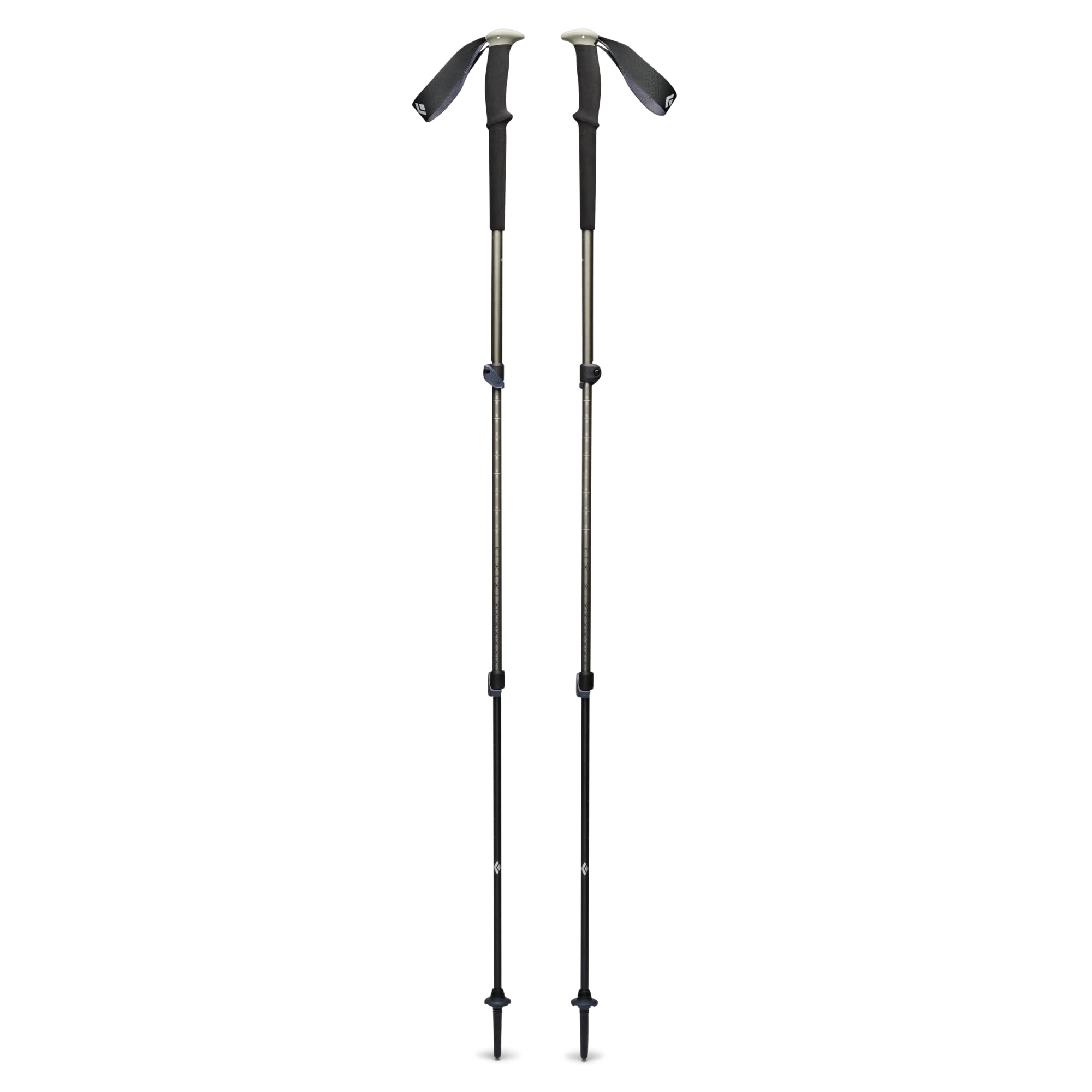
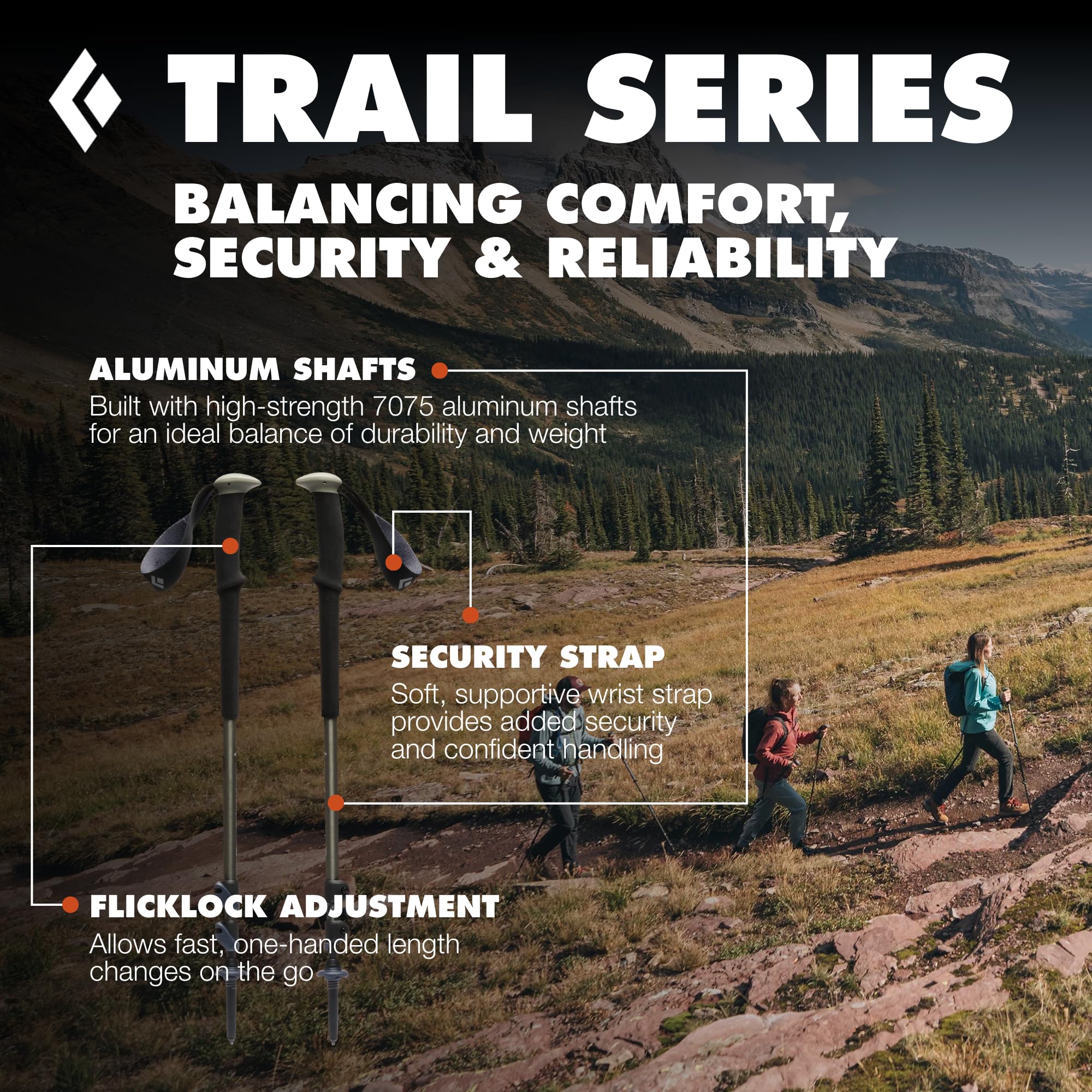
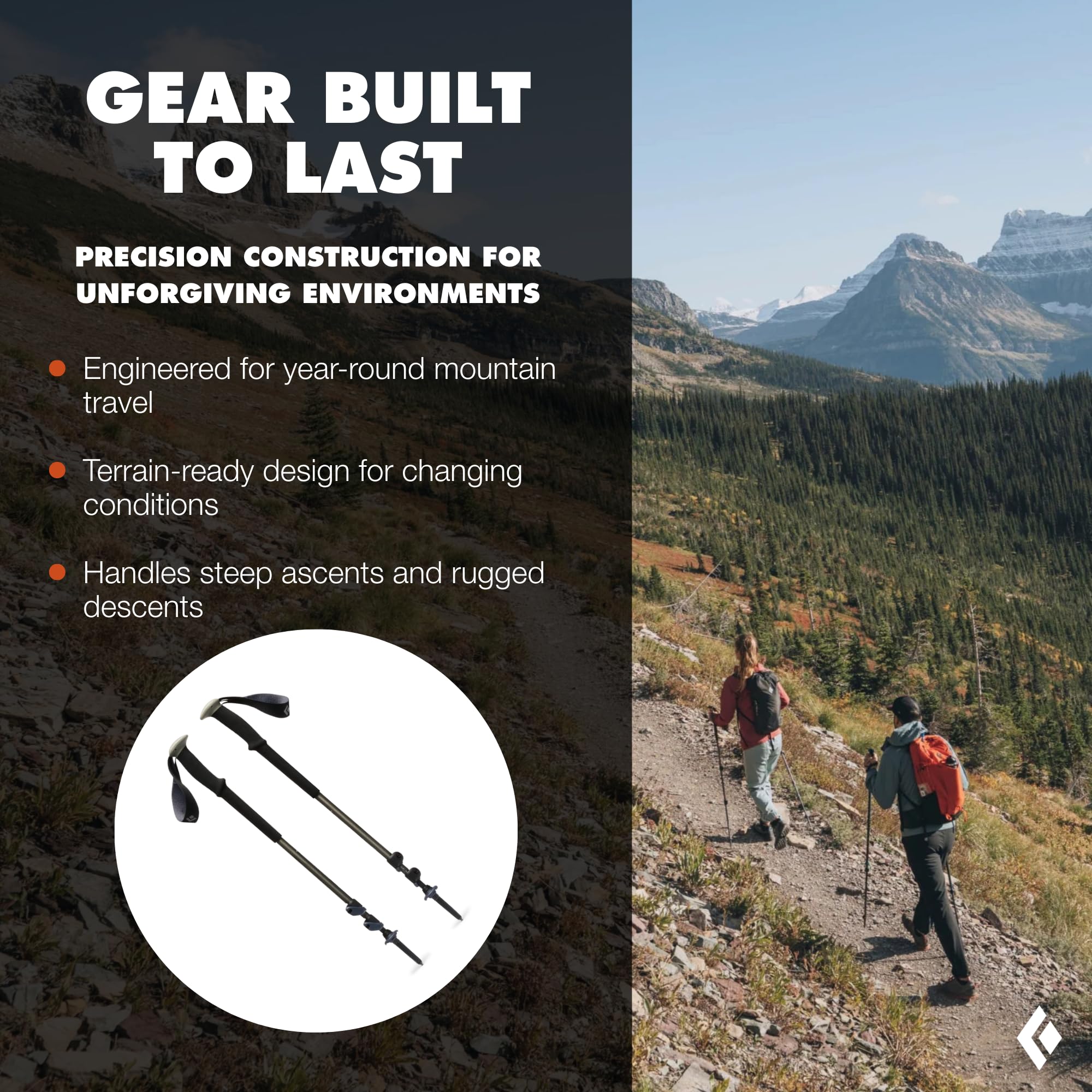
Black Diamond Trail Trekking Poles
The listing states aluminum shafts, FlickLock one-handed adjustment, dual-density foam grips and carbide Tech Tips with integrated baskets, and calls them suited to winter snowshoe trips.
See on Amazon →
Gaiters and socks
Snow in the boot ends a hike early. A gaiter closes the gap at the top of the boot, and NPS advises packing an extra dry set of clothes.
-

 07
07Pike Trail Waterproof Leg Gaiters
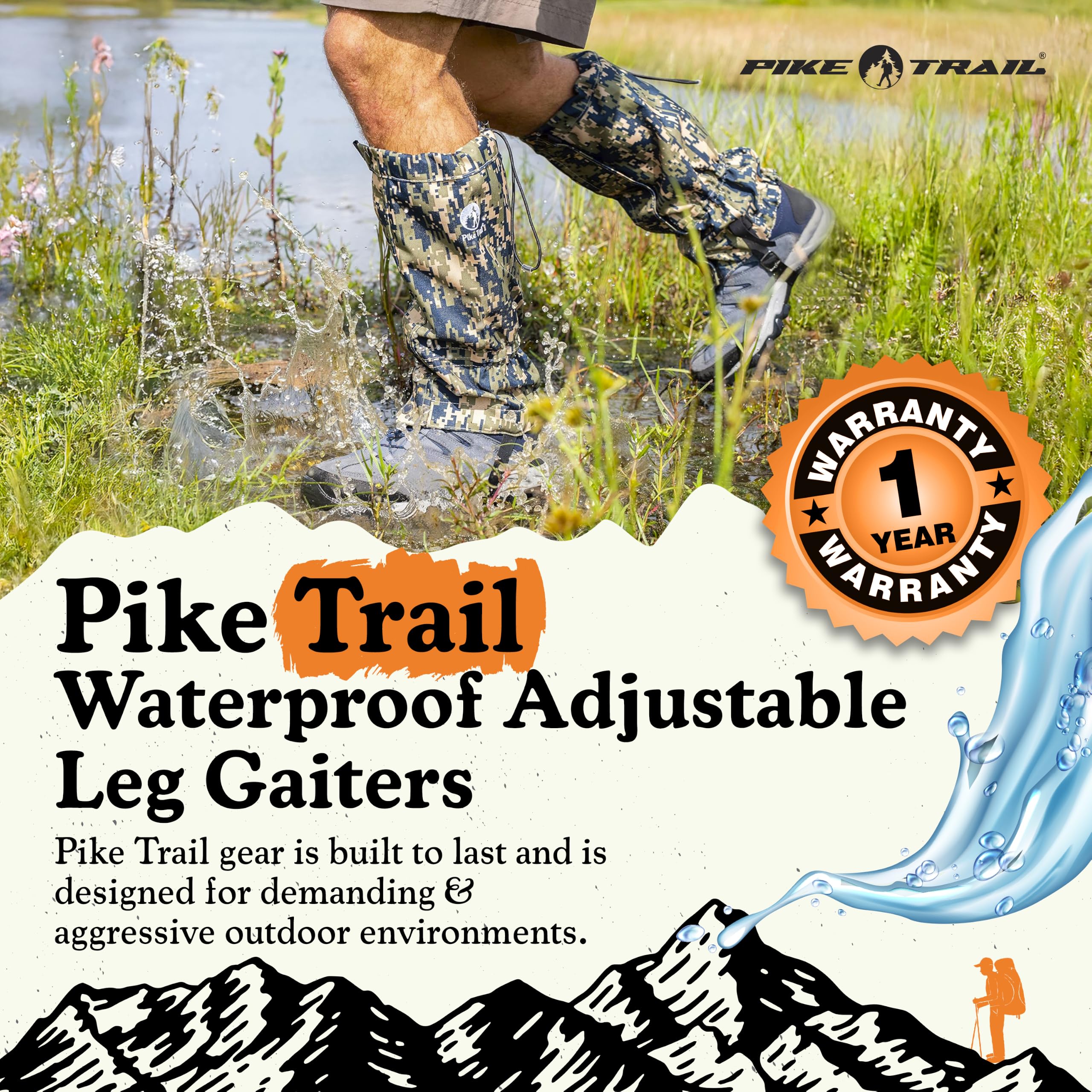
Gaiters keep snow out of your boots. The listing states a ripstop nylon body, reinforced 900D lower section, a hook-and-loop and press-stud closure and a drawstring that fits over snow pants. Honest limit: the brand is less established than outdoor-shop names, and the listing says universal fit, so check your boot height.
See on Amazon → -


 08Best-reviewed socks
Darn Tough Hiker Midweight Micro Crew Sock (1466)
The listing states 61% merino wool, 36% nylon and 3% Lycra, mid-level cushion, wicking and a lifetime guarantee, in a micro-crew height that sits just above a hiking boot. Honest limit: midweight is a boot sock, so size up to avoid cramped toes with liners.
See on Amazon →
Daypack and hydration
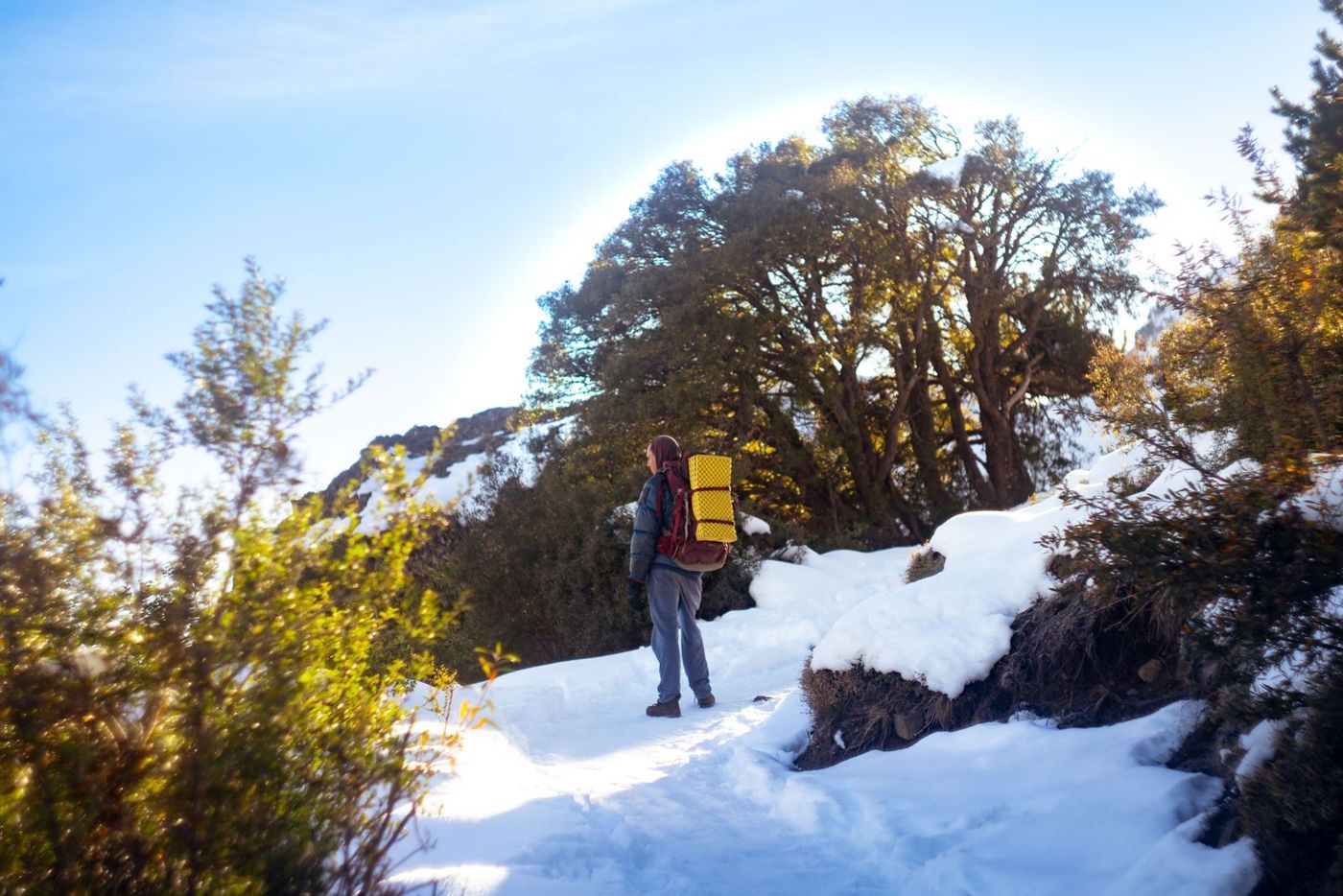
NPS advises plenty of water and snacks even in the cold. A daypack carries water, extra layers and the safety items below, and an insulated bottle is the simplest way to keep a drink from freezing solid.
-


 09
09N NEVO RHINO Hydration Backpack, 20L with 3L Bladder
The listing states a 20 L pack, a 3 L BPA-free bladder in a separate insulated compartment, reflective strips and a rain cover. Handy for holding layers and gear. Honest limit: the listing speaks of keeping liquids cold, not warm, so in winter a vacuum bottle is the simpler plan.
See on Amazon → -

 10Most-reviewed bottle
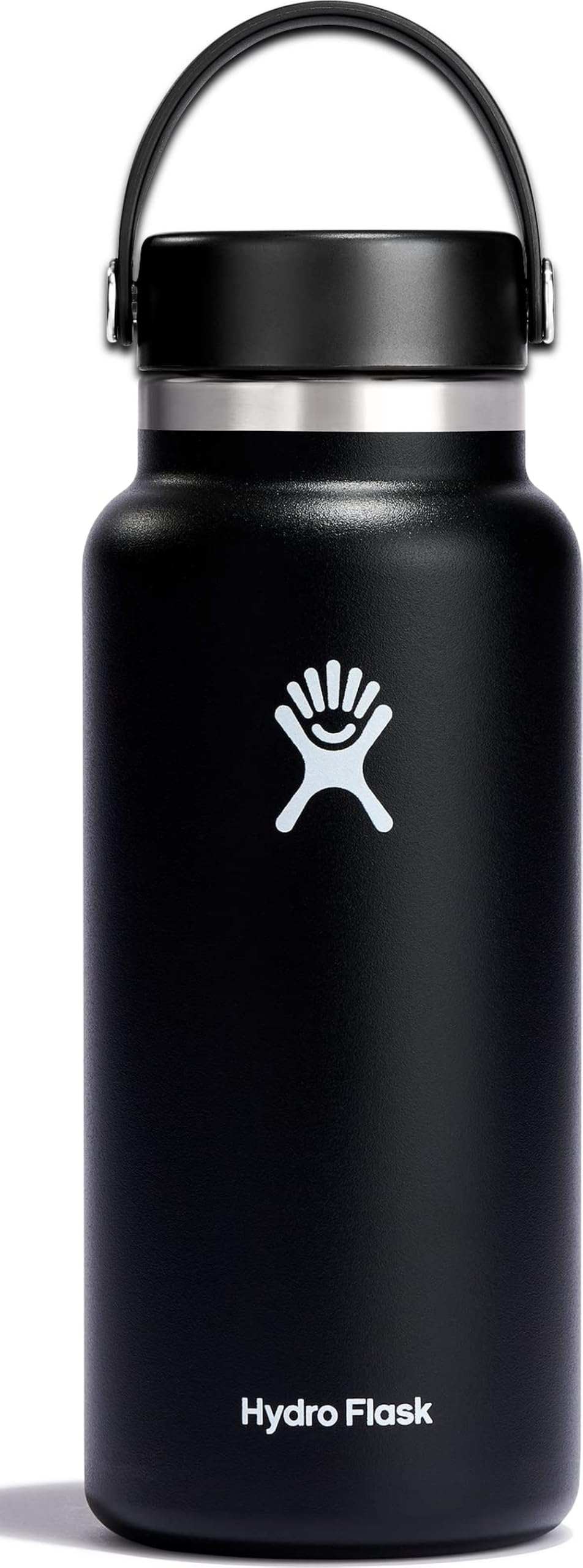
Hydro Flask Wide Mouth Insulated Bottle, 32 oz
The listing states double-wall vacuum insulation, 24 hours cold and 12 hours hot, a leakproof flex cap with handle, and dishwasher-safe parts. A hot drink in a vacuum bottle is a good cold-day companion to plain water. Honest limit: the hot-hours figure is the maker's, and the steel body adds weight to a daypack.
See on Amazon →
Headlamp, navigation and signaling
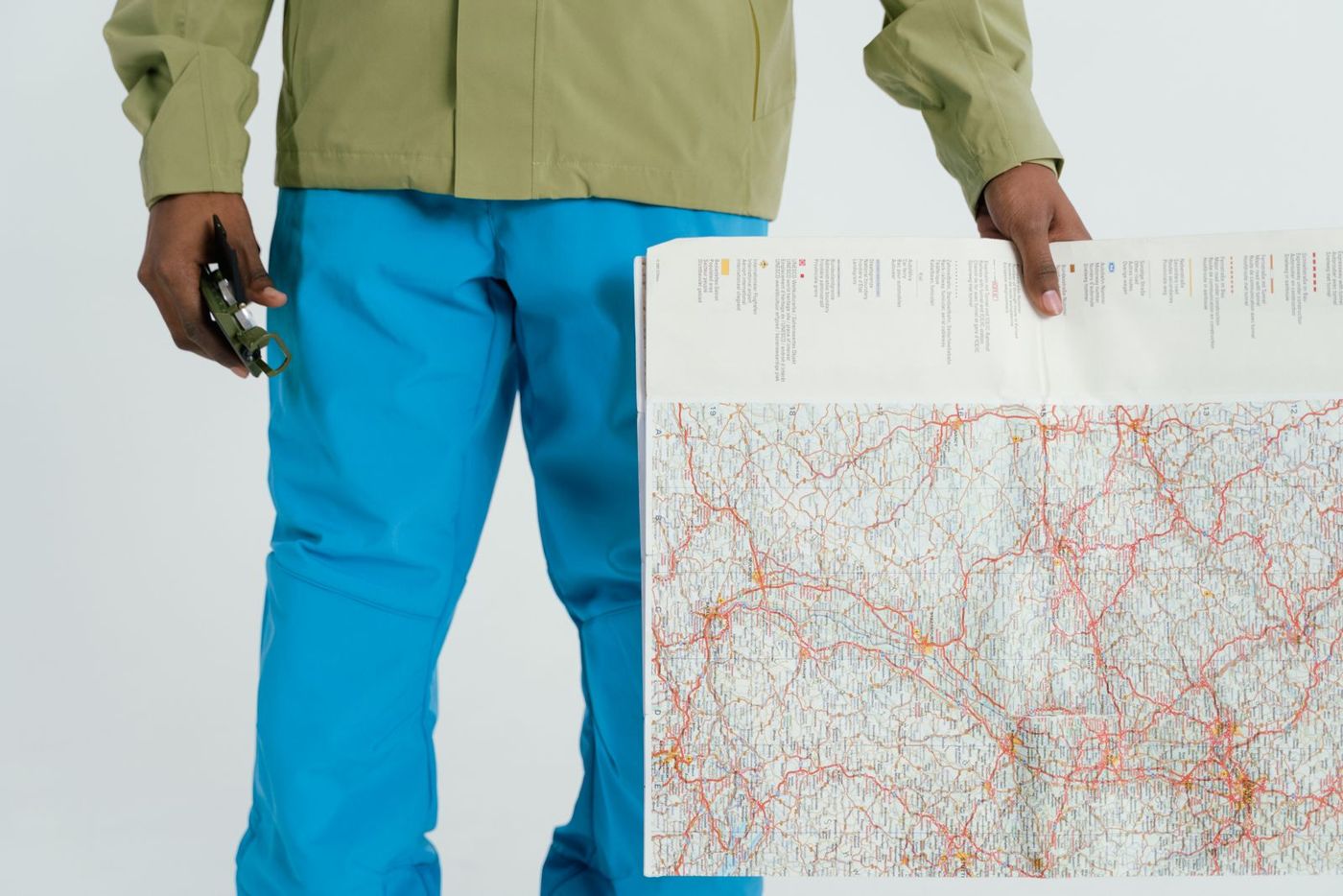
Winter trails may be unmarked and phone service unreliable, says NPS. Carry a map and compass and a way to signal, and a light for the early dark.
-

 11Best headlamp
Petzl ACTIK CORE Rechargeable Headlamp
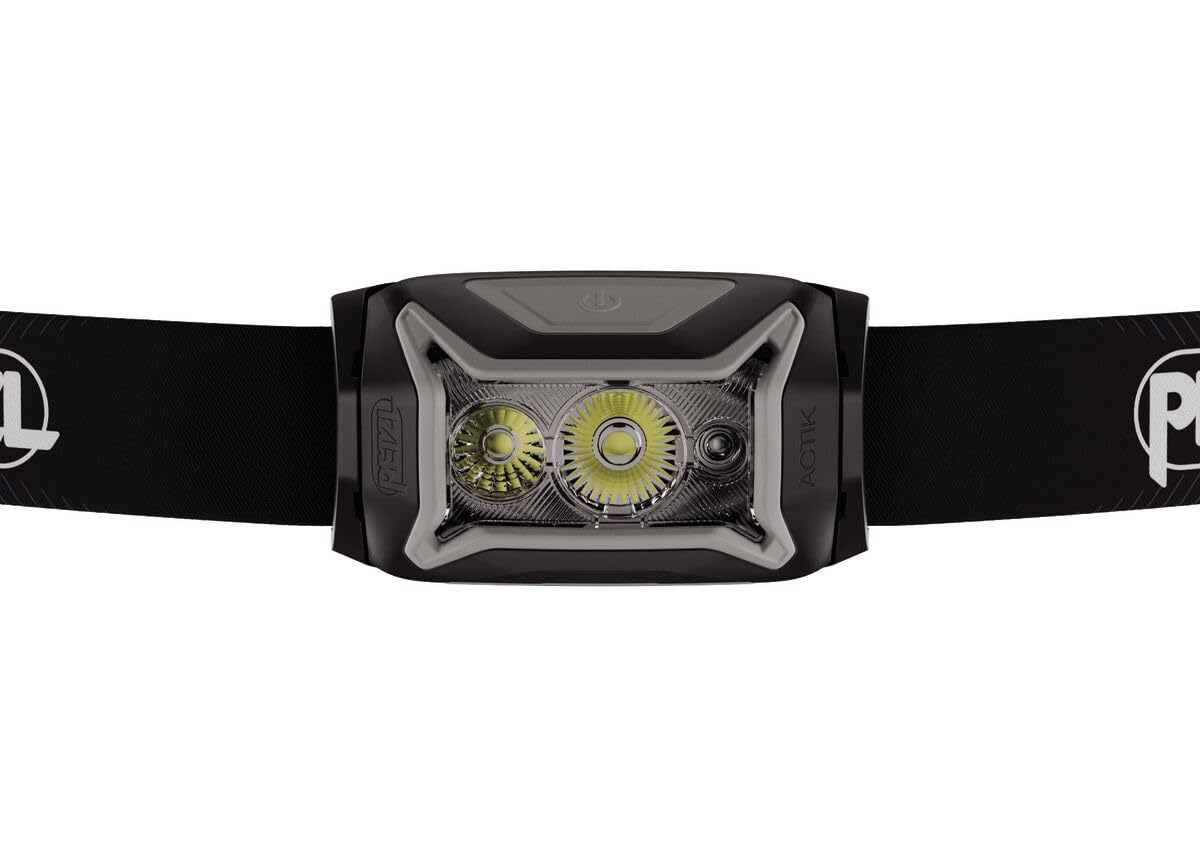
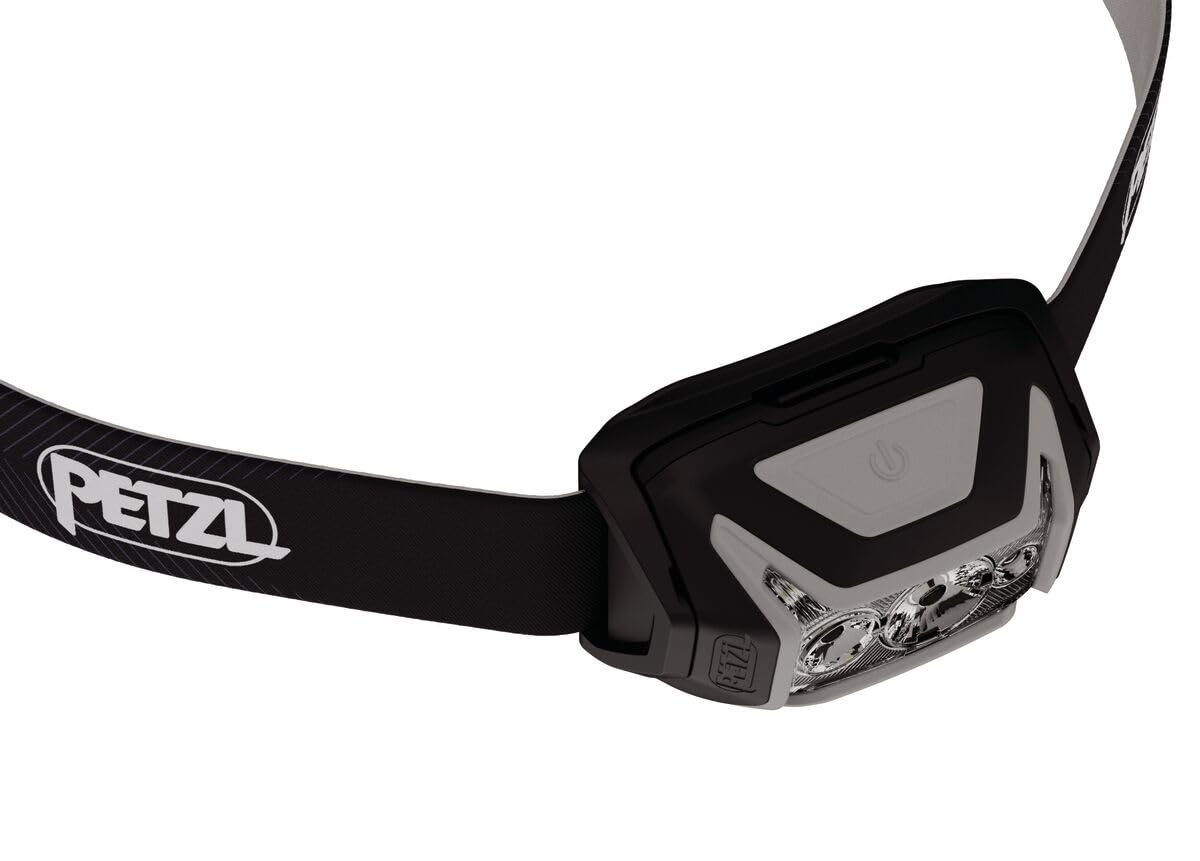
The listing states 625 lumens at 88 g, a mixed wide-and-focused beam, red night-vision light and a battery charge indicator. Winter daylight ends early, and the night-hiking guide we read says to carry a headlamp, spare batteries and a spare light. Honest limit: the rechargeable battery is the only power source listed.
See on Amazon → -


 12Best simple compass
SUUNTO A-10 Compass
A baseplate compass the listing describes as compact and simple, with a jeweled needle, liquid-filled capsule and no batteries required. NPS says not to rely on a phone because many areas have no service. Honest limit: a compass only helps if you carry a map and have practiced; it will not tell you where you are on its own.
See on Amazon → -


 13
13FUTURESTEPS Brass Emergency Whistle
NPS suggests carrying a whistle or signal mirror for emergencies. This one-piece brass whistle is listed as pealess, 2 inches long and 17 g, with a keychain-style loop. Honest limit: the loudness and one-mile figures are the seller's, and a whistle is a signal, not a rescue plan.
See on Amazon →
First aid
A compact kit is part of a sensible pack. Read what is in it before you need it.
-
 14
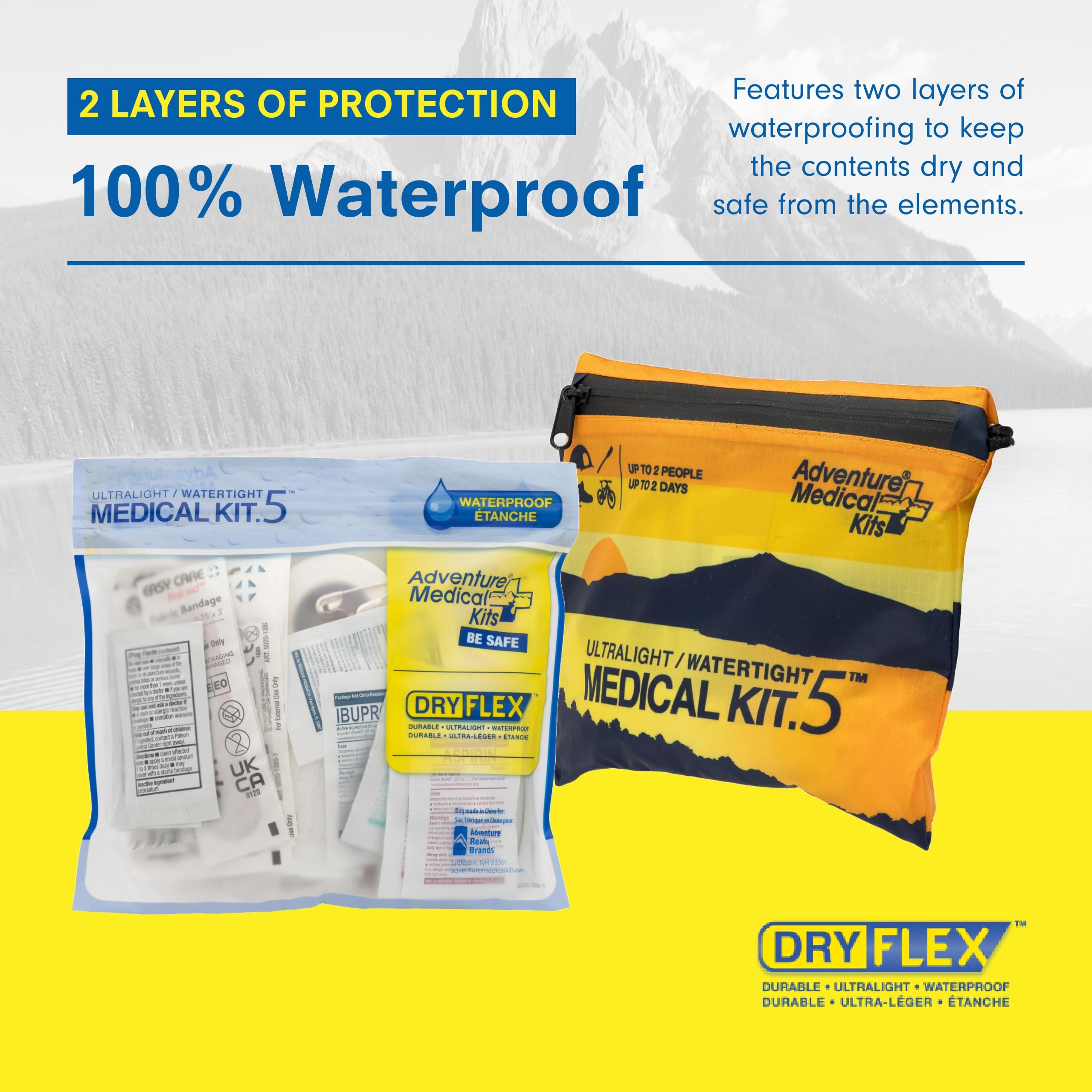
14Adventure Medical Kits Ultralight/Watertight .5 First Aid Kit
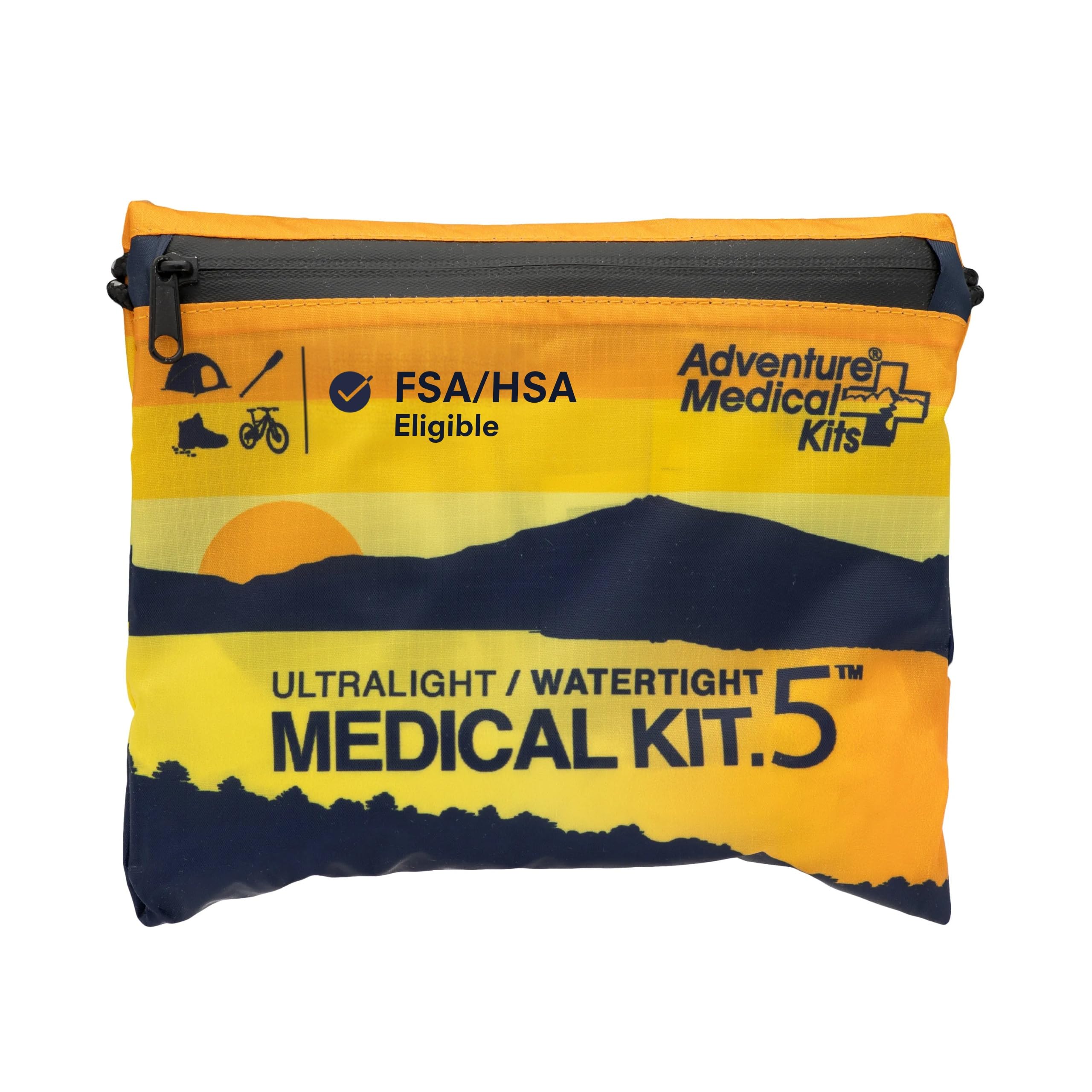
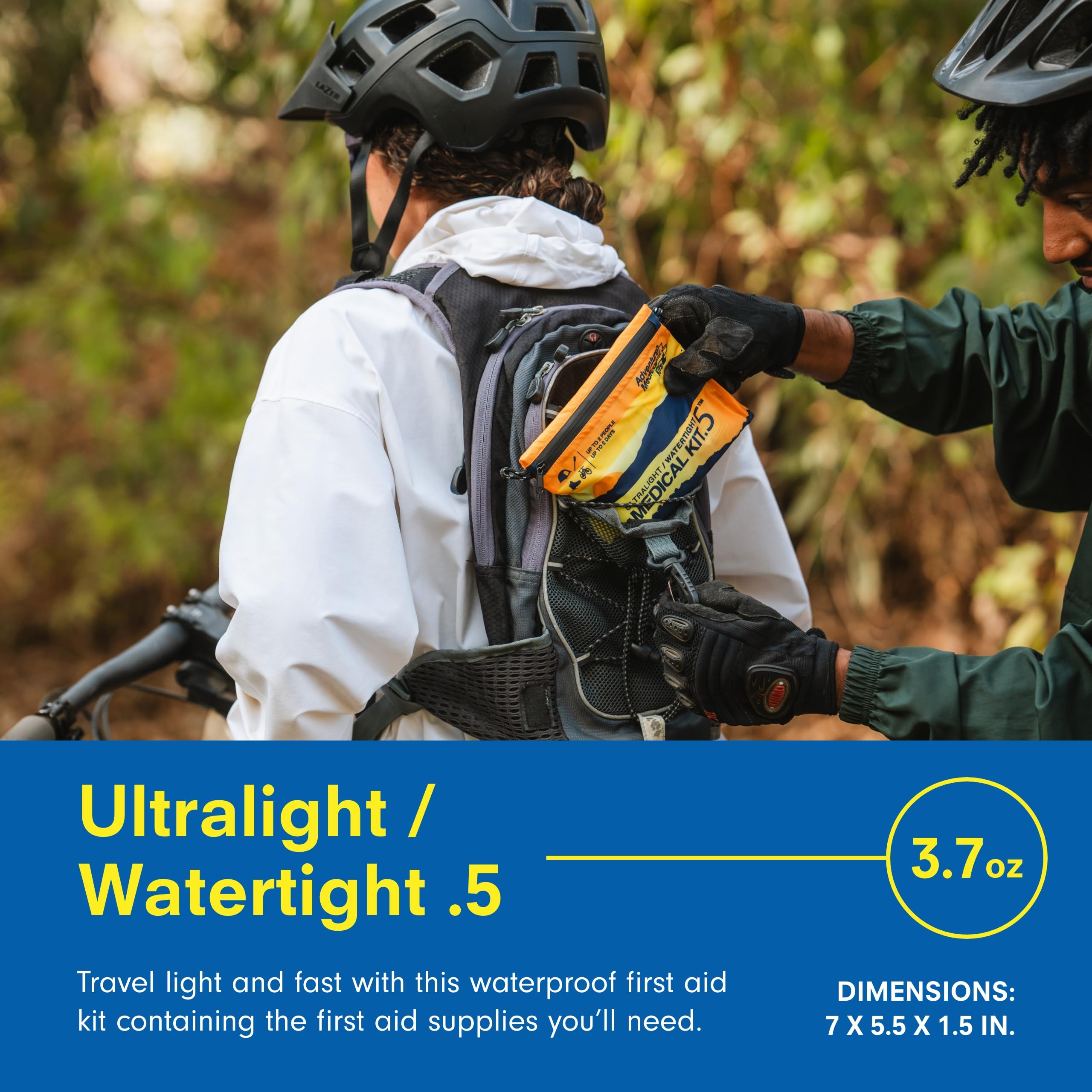
The listing states a 2-person kit with bandages, gauze, antiseptic wipes, antibiotic ointment, moleskin and a splinter picker, packed in a waterproof DryFlex bag and about 100 g. NPS advises packing a first aid kit. Honest limit: it covers minor injuries only, so add personal medications and learn the basics.
See on Amazon →
More cold-weather reads
Boots first: see hiking shoes for beginners. Layers, hats and gloves, plus the Kahtoola MICROspikes, are on our winter gear guide, and overnight kit is in cold-weather camping gear and camping tents for every kind of trip. Planning a holiday-season order? Read how to shop seasonal shopping events, what to buy and skip around Prime events and the Black Friday and Cyber Monday 2026 landscape.
Photo credits (Pexels): Person walking a snowy path in winter mountains by Andreas Ebner; Legs wearing sturdy boots standing on ice by Dmitrii Eremin; Man and woman hiking in winter by Orkhan Shahbaz; A person with a backpack standing on a snowy trail by Shanai Edelberg; Person holding a map and compass by Tima Miroshnichenko.