By DopamineKart Legit · Updated Oct 9, 2026 · Research-based guide
Quick take
- The November shopping window no longer behaves like a single event — retailers now spread comparable shopping moments across most of the calendar year, which has quietly diluted what used to make one week feel urgent.
- Amazon alone runs four standalone member-only shopping events spread across the year, on top of the industry-wide November window everyone else also competes in.
- Walmart and Target have turned early access to their biggest November hours into a membership benefit — free or paid — rather than something every shopper gets on the same clock.
- What happens after checkout has become its own strategic front: retailers are stretching return windows, tightening fraud screening, and forecasting stock further out than they used to.
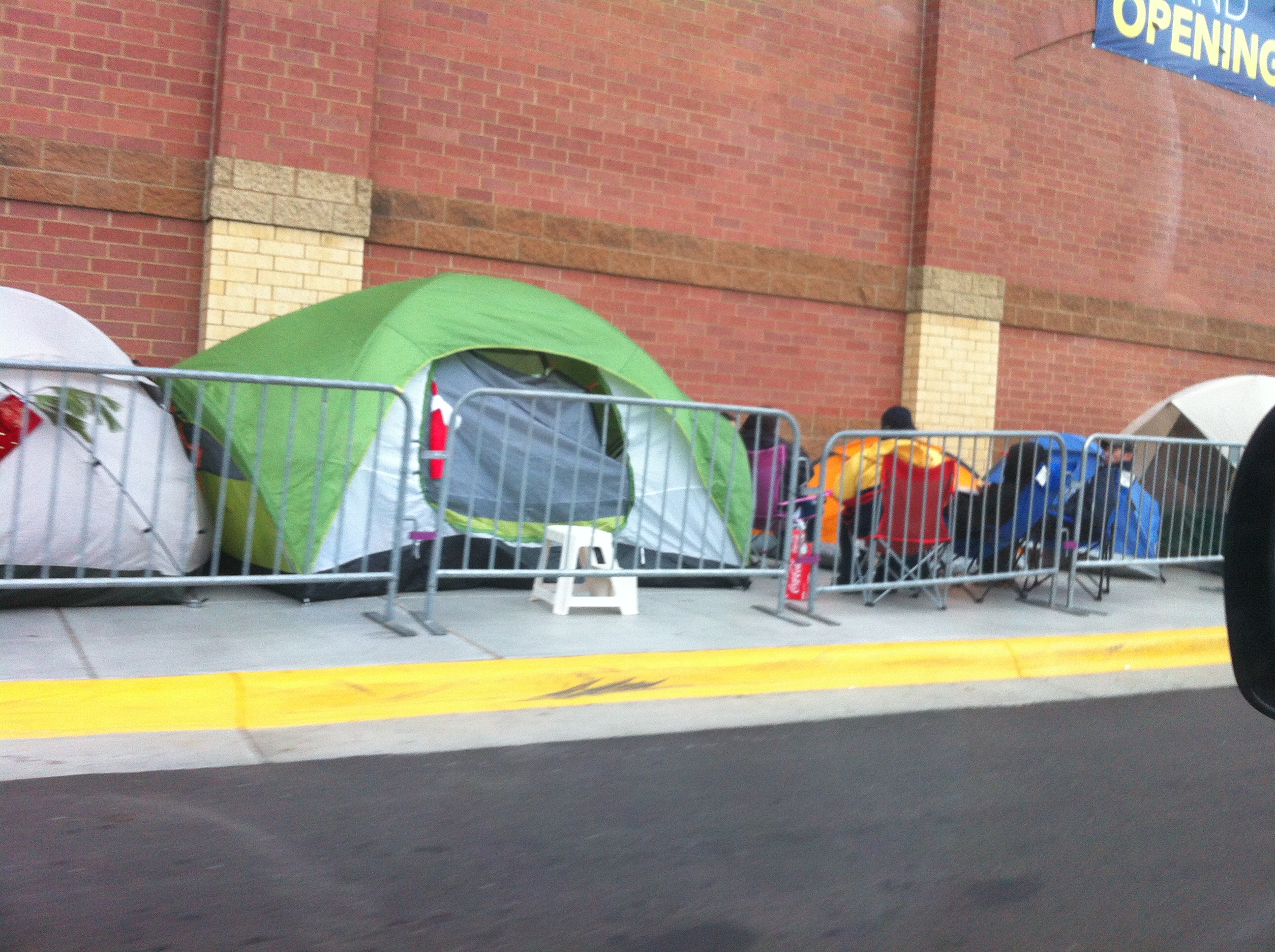
For most of the last decade, "Black Friday" meant one thing: a single Friday, a set of doorbuster hours, and a rush that started at midnight or earlier. That version of the season is mostly gone. What replaced it is less a single day than a structure — a stretch of the calendar, from Halloween candy through the last week of December, during which several retailers run their own separately branded shopping moments, gate early hours behind membership sign-ups, and quietly manage a returns and stock problem that's grown alongside all of it. None of this shows up in one flashy headline. It shows up in the calendar itself.
Prime Day vs Black Friday: which window for which purchase
Updated Oct 9, 2026. Amazon's Prime Big Deal Days ran Oct. 6-7, 2026, and the event has ended. The next big calendar moments are Black Friday on Nov. 27 and Cyber Monday on Nov. 30, 2026. Amazon's own November event window had not been announced in the sources we reviewed, so check Amazon's announcement page rather than trusting any date you see repeated on social media.
If you skipped the October event, or you bought a few things and are now wondering whether the big purchases were a mistake, the useful question is not "was Prime Day good?" It is "what kind of purchase is this, and does waiting cost me anything?" Outlets that cover shopping events keep landing on a similar split, with a few real disagreements. This section lays out what we could read, who said it, and then what we make of it.
The consensus by outlet
The table below only includes pages we opened and read in full or enough to quote their stance. Where an outlet did not give a category list, we say so rather than guess.
| Outlet (date) | Fine to buy at the October event | Better to wait for Black Friday / Cyber Monday |
|---|---|---|
| NBC Select (updated Oct. 7, 2026) | Household basics you restock anyway (paper goods, batteries, laundry detergent), Amazon's own devices (Echo, Kindle, Fire, Ring, Blink), seasonal decor and cozy apparel, beauty gifts, small appliances such as coffee makers, vacuums and air purifiers. | Toys, TVs, laptops, video game consoles, major home and kitchen appliances, furniture, mattresses. NBC's reasoning: those categories get bigger selection and stronger markdowns in November. |
| FOX 26 Houston (Oct. 2023, an older event, quoting experts) | Amazon devices, headphones and earbuds, countertop appliances such as coffee makers and air fryers, toys and baby essentials. | TVs (an expert said all retailers compete with many sizes and tiers in November), bigger-ticket items such as vacuums, and car seats. |
| NerdWallet (Oct. 1, 2026) | One rule rather than a category list: restock things you would buy anyway. The page we read did not discuss Black Friday. | No stance stated on the page we read. |
| Newsweek (Prime Day 2026 coverage) | Argues the usual advice to wait is "likely worth ignoring" for laptops, desktops, PC components and SSDs, because it says memory and storage costs have risen in 2026 as AI demand pulls supply. | Does not advise waiting for Black Friday on most categories; warns that popular items can sell out before an event ends. |
We also tried to read pieces from ConsumerAffairs, Homes & Gardens and Tom's Guide on the same question, but the pages did not load for us, so they are not cited here.
Where the outlets agree
Two groups show up in nearly every version of this advice. The first is things Amazon makes itself. Both NBC Select and FOX 26's experts treat Amazon's own devices as safe to buy at the October event, with NBC's logic being that Amazon both hosts the event and sells those products. The second is low-risk, repeat-purchase items: household basics and small kitchen appliances appear on both lists. These are categories where you know what you want, the downside of being a few weeks early is small, and a missed markdown is cheap to live with.
On the wait side, TVs are the one category where every outlet that addressed them lands on November. The reasoning is structural, not mysterious: more retailers fight over the same big-screen shopper in the Black Friday stretch, which means more models and more chances to find the one you actually want. NBC Select also lists laptops, consoles, large appliances, furniture and mattresses in that group.
Where they disagree, and why it matters
Toys are the clearest split. NBC Select tells shoppers to wait for November, while FOX 26's 2023 experts called toys and baby essentials a reasonable October purchase. Part of that may be the different years and the retailers involved, but it is a reminder that "toys" is not one category: a specific item with a gift deadline and limited stock behaves differently from a general browse.
Laptops are the second split. NBC Select puts them in the wait column. Newsweek argues the opposite for computers, memory and storage in 2026, on the theory that component costs are rising and a later window might not be better. We cannot verify either forecast, and neither outlet can know November's outcome. What we can say is that this is a case where a general rule and a specific market argument point in opposite directions, so it should push you toward your own checking rather than toward either headline.
A simple decision framework
Our read, built from the sources above and not from any testing: sort every planned purchase with four questions.
- Is it a repeat purchase you have bought before? If yes, the risk of buying early is low. This is the NerdWallet rule in practice: restock what you would buy anyway.
- Is it a large purchase with many competing models? TVs, major appliances, furniture and mattresses fall here. Every outlet above that addressed them leans toward waiting, because selection and competition peak in November.
- Is there a hard deadline? A gift that must arrive by a certain date, or a replacement for something that just broke, changes the math. Waiting only makes sense if the item will still be in stock and will still arrive in time. Buying a return-eligible item early and sending it back if a better offer appears is a legitimate tactic, provided you check the retailer's return window first and note when it closes.
- Is the price driven by something you can verify? Rising component costs, a new model launching, or a clearance of last year's version are reasons to move early or late. If you cannot name the reason, you are guessing.
What to do between now and Nov. 27
Because the October event is over, the practical move is preparation. Write down the three or four purchases you actually plan to make. Choose the model you want first, so a markdown on the wrong product does not tempt you. Watch the item's price history with a tracker of your choice for a few weeks, so that when November arrives you can tell a real low from an ordinary Tuesday. Check each retailer's return window for holiday purchases, since several extend them for the season (the returns section further down this page gives background on how retailers handle them).

Competing retailers matter here too. NBC Select noted that Amazon, Target and Walmart ran competing events the same week in October, which is also the usual pattern in November. If you find a product you want, compare at least two retailers and read the fine print on membership-only windows, which the rest of this guide explains.
Which guides to read first
If your planned purchase is a repeat or small-appliance item, start with our research guides to coffee makers and air fryers. If it is a cleaning tool, see cordless vacuums or robot vacuums. For audio, there is a guide to noise-cancelling headphones, and for computers, laptops for college. Those guides carry the product comparisons; this one deliberately does not pick products.
Method: this section is a research synthesis of published advice from the outlets named above, read between Oct. 8 and Oct. 9, 2026. We have not tested any product or tracked any retailer's November pricing, and outlet advice can change as events approach.
More on shopping the sales
A name that used to mean one specific day
The term itself is older, and messier, than the shopping holiday now attached to it. Philadelphia police reportedly started using "Black Friday" in the 1960s to describe the traffic jams and crowding the day after Thanksgiving brought to the city — not as a compliment. The now-familiar explanation, that the day pushed retailers' ledgers from red ink into black, or profitable, came later: a friendlier reframing that spread nationally only in the 1980s, once the shopping-holiday version of the term had already taken hold. That history is worth knowing here because it's a reminder the day was never really about one magic morning. It was about a crowd showing up at the same place at the same time. Once retailers stopped needing everyone to show up at the same time, the day itself started to lose its shape.
The calendar filled in around it
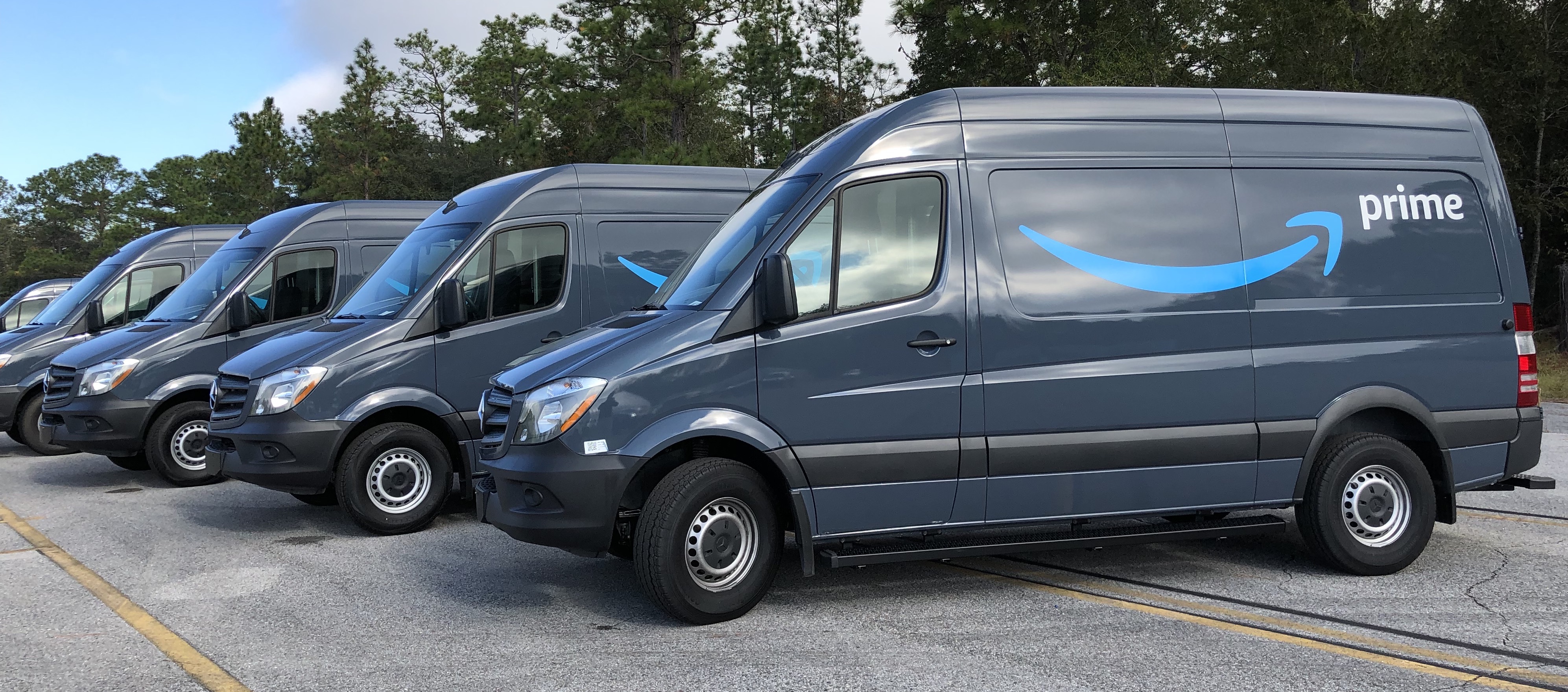
Amazon no longer treats the November window as its one moment to compete for attention. The company now runs a members-only shopping event each summer, a second one in early October, a third built around the new year, and a fourth added a couple of years ago in spring — four standalone events, on top of the industry-wide November stretch everyone else also shows up for. Each one is smaller than the November peak individually, but together they spread a full year's worth of shopping urgency across the calendar instead of concentrating it into one week.
Other retailers followed a similar instinct without necessarily running as many separate events. Best Buy pushed its own holiday calendar back to Halloween for the 2025 season, framing October 31 as the unofficial start of its season rather than waiting for Thanksgiving week. It also built in a structural pause: for roughly the stretch from the Thursday before Thanksgiving through Cyber Monday, the retailer temporarily stops matching a competitor's lower found cost on the same item — a rule that exists specifically because so many retailers now run comparable promotions across the same crowded weeks, and matching every one of them in real time stopped being realistic.
Shoppers moved before retailers made them
Retailers didn't create this earlier timeline entirely on their own — shoppers had already started moving. In the National Retail Federation's 2025 holiday survey, 51.9% of shoppers said they begin at least some of their shopping in October or earlier: 8.4% before September, 7.9% in September, and 25.6% in October itself. By early November, 58% said they'd already started, and the average shopper had completed roughly a quarter of their planned purchases before Black Friday even arrived. The top reasons people gave for starting early were practical rather than promotional: spreading out a budget, avoiding last-minute stress, and avoiding crowds. Uncertainty around tariffs and possible cost increases pushed some shoppers to move even earlier, worried about shortages or shipping delays later in the season.
That earlier timeline comes with a cost of its own for retailers, though: fatigue. A July 2025 survey from Optimove found that 47% of consumers already felt tired of holiday marketing messages by October, a share that climbed to 63% by the end of November. Retailers now have to stretch their loudest messaging across roughly two extra months without wearing shoppers out before the season's actual final stretch even begins — a much harder balance than compressing everything into one dramatic week.
Early access became a membership benefit
One of the more structural changes is who gets to shop first. Walmart's official November 2025 schedule ran across two separate multi-day windows plus a Cyber Monday close, and in both November windows, Walmart+ members got roughly a five-hour head start online before the general public could shop the same hours. Target ran a comparable structure: its free Target Circle membership program and paid Target Circle 360 tier both carried early-access windows into November's biggest hours, with select offers flagged specifically for members rather than open to every shopper from the same starting gun.
Neither retailer invented the idea of early access — doorbuster lines have always rewarded whoever showed up first. What's different is that showing up first no longer means camping outside a store overnight. It means signing up for a program in advance, which turns a one-time queue into an ongoing, trackable relationship the retailer can market to well past whatever happens in November.
Four retailers, four different playbooks
Same November calendar, four different structural bets. Here's roughly how each of these retailers approached the 2025 season.
Amazon
Runs four separate member-only shopping events across the calendar year — summer, early October, spring, and a new-year event — on top of the industry-wide November window. The strategy trades a single dramatic peak for repeated, smaller moments that keep membership renewal relevant twelve months a year, not just in the fourth quarter.
Walmart
Split its November calendar into two multi-day windows plus a Cyber Monday close, with paid Walmart+ members getting an early-access head start online ahead of each one.
Target
Layered a free Target Circle program under a paid Target Circle 360 tier, both carrying early-access windows into the November calendar — a structure that lets Target court budget-conscious shoppers and habitual early movers with the same program.
Best Buy
Pushed its own holiday calendar back to Halloween and extended its return window well into January for anything purchased from late October onward, then built in a deliberate pause on matching competitors' found costs during the single most competitive stretch of the season — from the Thursday before Thanksgiving through Cyber Monday — when tracking every competing offer in real time stopped being realistic.
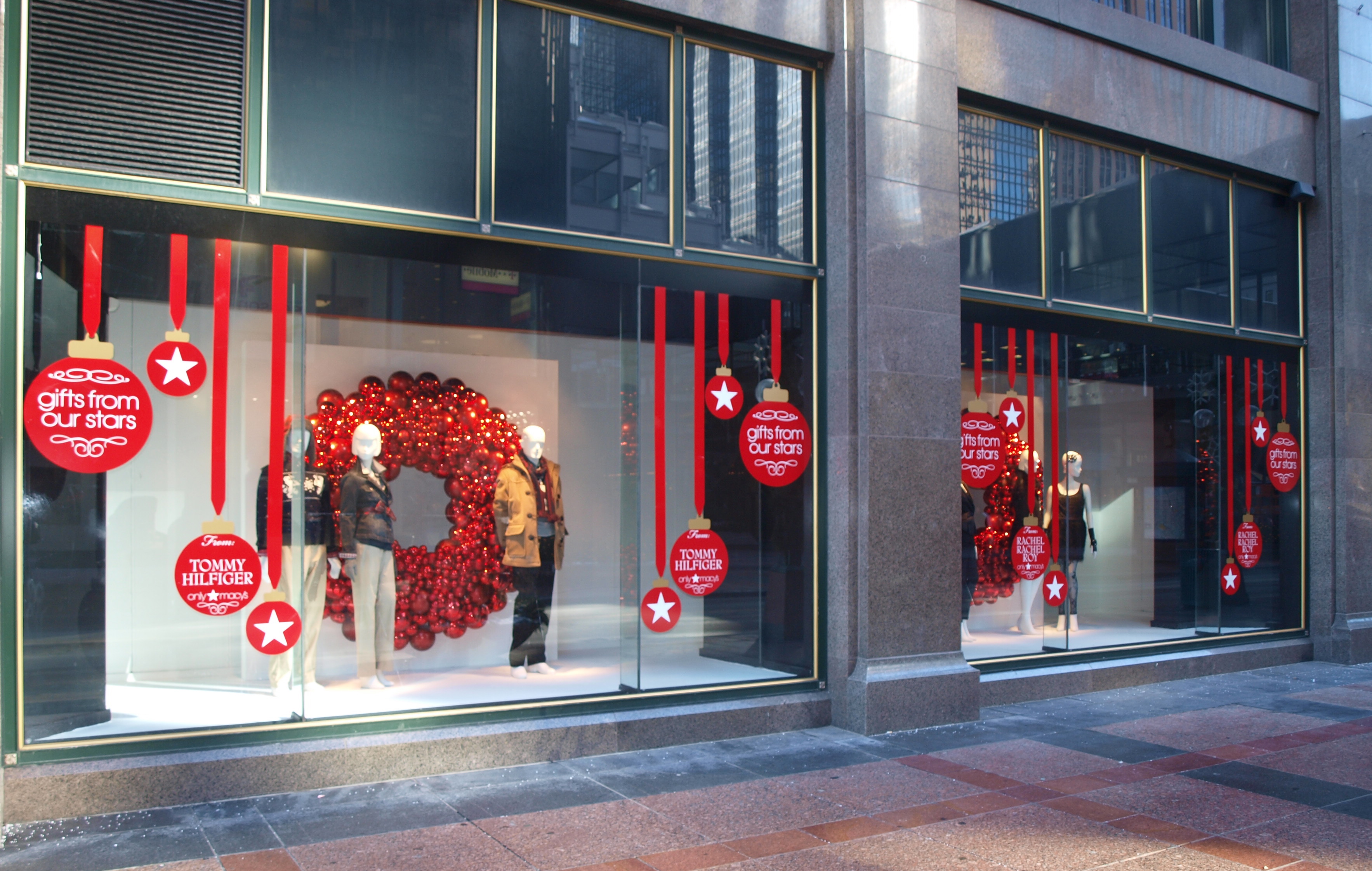
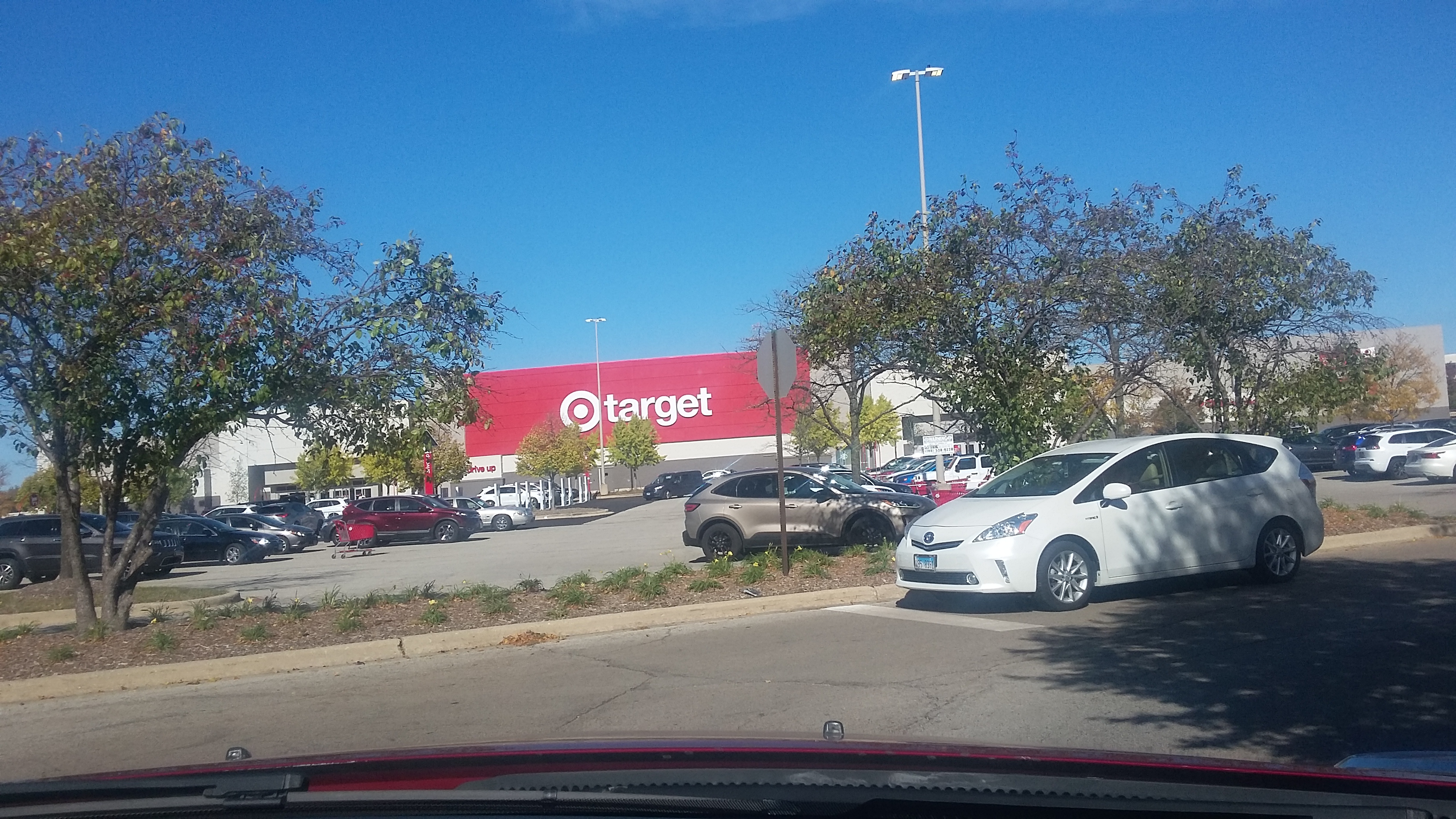
What happens after checkout is its own strategy now
The restructuring doesn't stop at checkout. A 2025 holiday returns report from ReturnPros found that 75% of retailers say return fraud gets worse during the holiday stretch, and 57% named thin stock levels heading into the season a moderate-to-severe worry. Retailers described a returns-evaluation window that's stretched to roughly 10 to 12 weeks, well beyond the traditional four to six, which complicates forecasting and ties up inventory that would otherwise be available again during peak demand. Some retailers have responded by holding refunds until a returned item is physically received and inspected, rather than issuing one automatically the moment a return is started — a policy shift aimed less at any individual shopper and more at a small share of returns involving mismatched or altered contents that retailers say has grown more sophisticated in recent years.
None of this is visible to a typical shopper filling a cart in November. But it's a direct consequence of the same restructuring covered above: when the shopping window stretches across two extra months and multiple separate events, the returns and restocking window stretches right along with it.
| What changed | The old version | The 2025–2026 version |
|---|---|---|
| Timing | One week around Thanksgiving | Spans Halloween through early January |
| Access | Same start time for every shopper | Membership-gated early hours at multiple retailers |
| Amazon's cadence | One flagship November event | Four standalone events spread across the year |
| After checkout | Short return windows, light fraud checks | 10–12 week return evaluation, active fraud screening |
Common questions
Is Black Friday still the single biggest online shopping day of the year?
Not by the numbers. Adobe Analytics tracked roughly 11.8 billion in Black Friday online spending in 2025, up 9.1% from the year before, while Cyber Monday still recorded the higher total of the two at roughly 14.25 billion. Black Friday's growth rate closing in on Cyber Monday's total is itself part of the story — the two days behave more alike than they used to.
Why do so many promotional events start in October now?
Partly because shoppers already started moving that direction — over half say they begin some holiday shopping in October or earlier, per NRF's 2025 survey — and partly because Amazon's own October member event has trained shoppers to expect a meaningful shopping moment that early. Concerns about tariffs and possible cost or shipping disruptions later in the season added extra motivation in 2025 specifically.
Does joining a retailer's membership program guarantee earlier access?
For the specific hours each retailer designates, generally yes — Walmart+ and Target Circle, plus Target's paid Circle 360 tier, both carried documented early-access windows into their November 2025 schedules. The exact hours and which items are included vary by retailer and change year to year.
Why do returns and stock levels matter to a story about Black Friday?
Because the same forces stretching the shopping calendar are stretching everything downstream of it. Longer return-evaluation windows, more sophisticated return fraud, and tighter stock forecasting are all direct consequences of a shopping season that no longer fits into one predictable week.
Where does the name "Black Friday" actually come from?
Philadelphia police are generally credited with coining it in the 1960s, describing the heavy traffic and crowding the day after Thanksgiving caused downtown — not a reference to retailer profits. The friendlier "into the black" explanation came later and spread nationally in the 1980s.
None of this means the season got smaller — if anything, retailers are fighting harder for attention across a longer stretch of the calendar than they used to. But the fight changed shape. It's no longer mainly about who can advertise the deepest markdown on the same Friday morning everyone else does. It's about who built the best year-round cadence of shopping moments (Amazon), who turned early access into a reason to join a membership program (Walmart and Target), who figured out how to hold a calendar together operationally without matching every competitor in real time (Best Buy), and who's quietly solving a returns and stock problem that barely existed at this scale a few years ago. The November window is still there. It's just one piece of a much longer season now, not the whole thing.
Disclosure. This guide is research-based, not tested: it summarizes published reporting and advice and involves no hands-on product testing. This guide contains no affiliate links; the guides it links to may. DopamineKart has no business relationship with Amazon, Walmart, Target, Best Buy, Adobe, or the National Retail Federation. This is a structural trend report about how retailers organize the season — it intentionally does not reference any specific promotion, markdown amount, or product recommendation, and no affiliate links appear anywhere in this piece. Photography is real and Wikimedia Commons-sourced, credited per image above. Figures are drawn from NRF's 2025 holiday consumer survey, Adobe Analytics' 2025 holiday reporting, Optimove's 2025 consumer holiday survey, ReturnPros' 2025 holiday returns report, and each retailer's own 2025 public announcements, cited inline above.
Corrections: email us