A big banner number tells you almost nothing. What matters is whether the price you are about to pay is a good one against the item's real history, whether you can send it back, and who is actually selling it. This guide is the method, with no prices in it, so it works for any retailer and any event, including the Black Friday and Cyber Monday weekend ahead.
How to use this guide. Read sections 1 to 3 once, because they change how every markdown looks. Then skim the table in section 8, and keep the “Before you buy” checklist open when you are about to click purchase. Event context: Amazon's Prime Day ran June 23 to 26, 2026 and Prime Big Deal Days ran October 6 to 7, 2026 (both over); Black Friday falls on Nov 27, 2026 and Cyber Monday on Nov 30, 2026. For anything about a retailer's own 2026 holiday schedule, check that retailer's announcement.
1. Start with the one rule: buy what you already planned to buy
NerdWallet's “one rule” piece on October Prime Day is framed around restocking items the author would have bought anyway, with no splurging and no regrets (we could read only the headline and subtitle of that page, so we are citing the framing, not the body). It is the right starting point, and it matches NBC Select's advice to build a shopping list before the event so you track prices on things you need instead of reacting to whatever is on the screen.
Our read: a markdown on something you did not want is a purchase, not a saving. Write the list first, and treat anything off the list as a 24-hour wait.
2. Check price history, not the banner
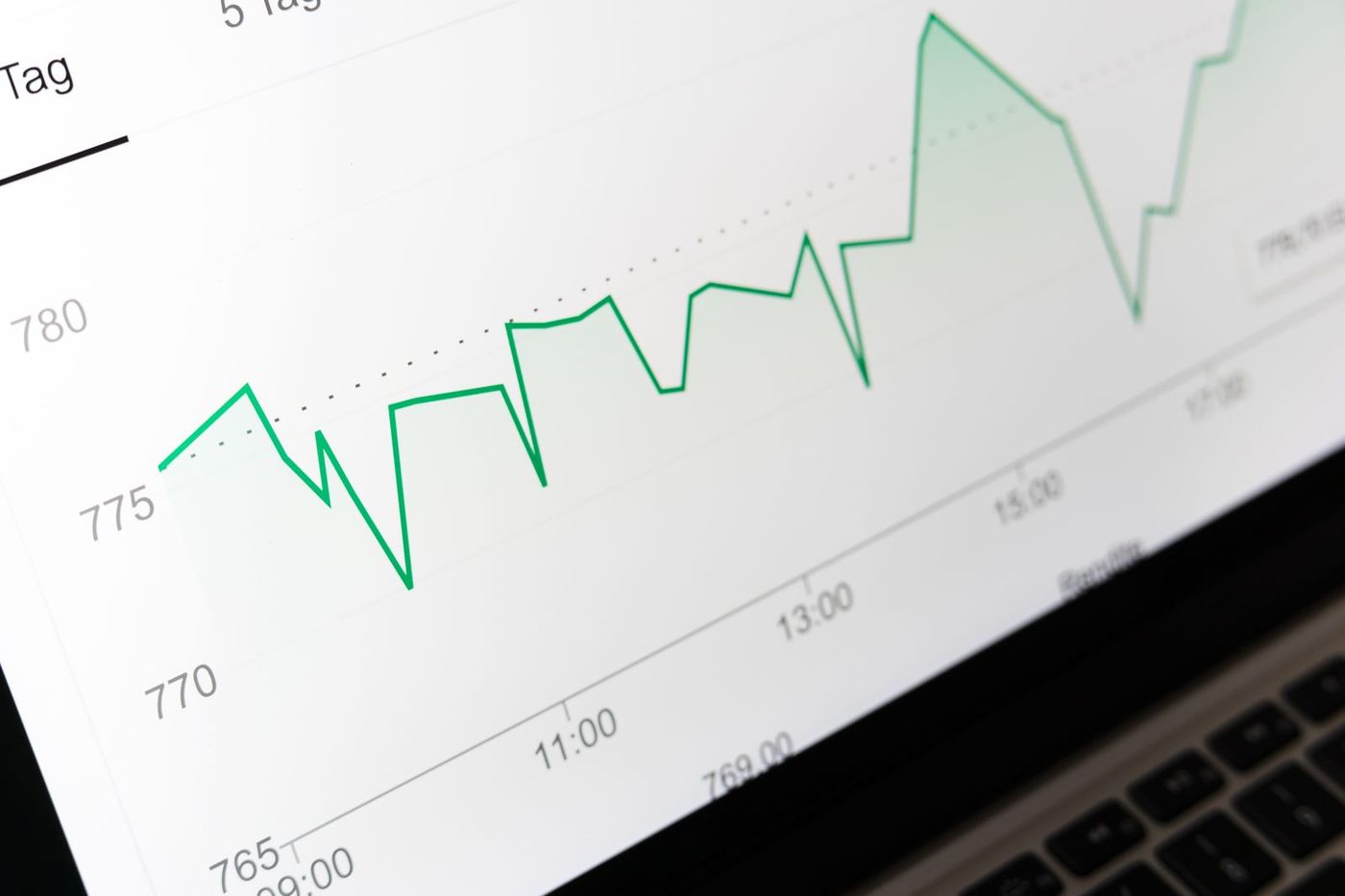
The core question is whether today's listed price is low against the last few months, not against a printed “was” price. NBC Select says to check price history to tell a real drop from a markdown off an inflated price, and it only counts a price as good if it is the lowest in at least three months and has recently dropped. It names two sources: price-history graphs that appear on some Amazon product pages, and the third-party tracker CamelCamelCamel.
What the tools actually do
- Google Shopping price insights. Google's help page says it rates a product's price as low, typical or high, shows how it has moved over recent months, and benchmarks against sellers across the web. It is available to US shoppers and, in Google's words, does not predict future prices. Its 30-day-low flag uses the total price, including shipping and any markdowns.
- CamelCamelCamel. We know it only through NBC Select's mention; the site itself would not load for us, so we cannot describe its features or limits first-hand.
- Keepa. The page we could load identifies it only as an Amazon price tracker. Tom's Guide has recommended it alongside CamelCamelCamel for checking whether a markdown is real (search snippet; we could not open that article), so treat it as a tool to look at yourself, not one we can characterize.
Our read: use one tool, and read a long window. A three-month low means little if the item has only existed for three weeks, or if the tracker has gaps. History tells you the past, not whether a lower price is coming.
3. Spot inflated “was” prices
The FTC's Guides Against Deceptive Pricing (16 CFR 233) say a markdown from a former price is legitimate only if that former price was genuine: offered to the public on a regular basis for a reasonably substantial period. A price that was inflated or posted briefly just to make a later reduction look large is called fictitious, and the guide treats the resulting “bargain” as false. The guide also says the wording used (“regularly,” “formerly”) does not change that test. It separately addresses comparisons to what competitors in the area charge, which must reflect what substantial numbers of sales actually occur at.
These guides are interpretive, and we read them through a regulation-text mirror, not the FTC's own page (which returned an error), so verify wording at the source if it matters. What it gives you in practice is a short list of tells:
- A reference price you cannot find in the item's recent history.
- A strikethrough number that appears only during events.
- A comparison against a “list” or “compare at” figure that no major retailer seems to charge.
None of these proves wrongdoing; they are reasons to check history before you believe the banner.
4. Know the return window before you buy
NBC Select notes Amazon has no special return policy for event purchases, so learn the standard window before you buy. Gifts are where timing bites: Amazon's holiday policy for last season (2025) covered most items bought Nov 1 to Dec 31, 2025, returnable through Jan 31, 2026, with Apple-branded products ending Jan 15, 2026, per Amazon's own page. We could not find a published 2026 version, so do not assume the same dates carry over; check the retailer's returns page in November.
The same Amazon page says gift recipients can start a return from the order number on the packing slip or digital gift receipt, without the buyer's account details. That is worth knowing before you ship something to someone else.
We could not load the current US return or price-match pages for Best Buy, Target or Walmart, so we state no windows for them. Search each retailer's help page for “holiday returns” and screenshot it at purchase time.
5. Be careful with model numbers and event-only variants
Consumer Reports has reported (via a 2018 syndicated piece) that some Black Friday TVs have model numbers very close to pricier models. These look-alike or “derivative” sets typically have fewer features, though the magazine's tech editor said they often perform much like regular versions. The same applies beyond TVs, as our read: a listing that is a few characters off the brand's flagship page may be a different, cheaper build.
- Match the full model number to the manufacturer's own product page.
- List the features you need (ports, size, capacity, included accessories) and confirm each on that exact model.
- Read reviews for that model number, not the product family.
Also compare model years: last year's version at an ordinary markdown can beat a new one, but make sure the missing features do not matter to you. (This is general reasoning; we did not find a 2026 report on specific models.)
6. Seller, warranty and who handles problems
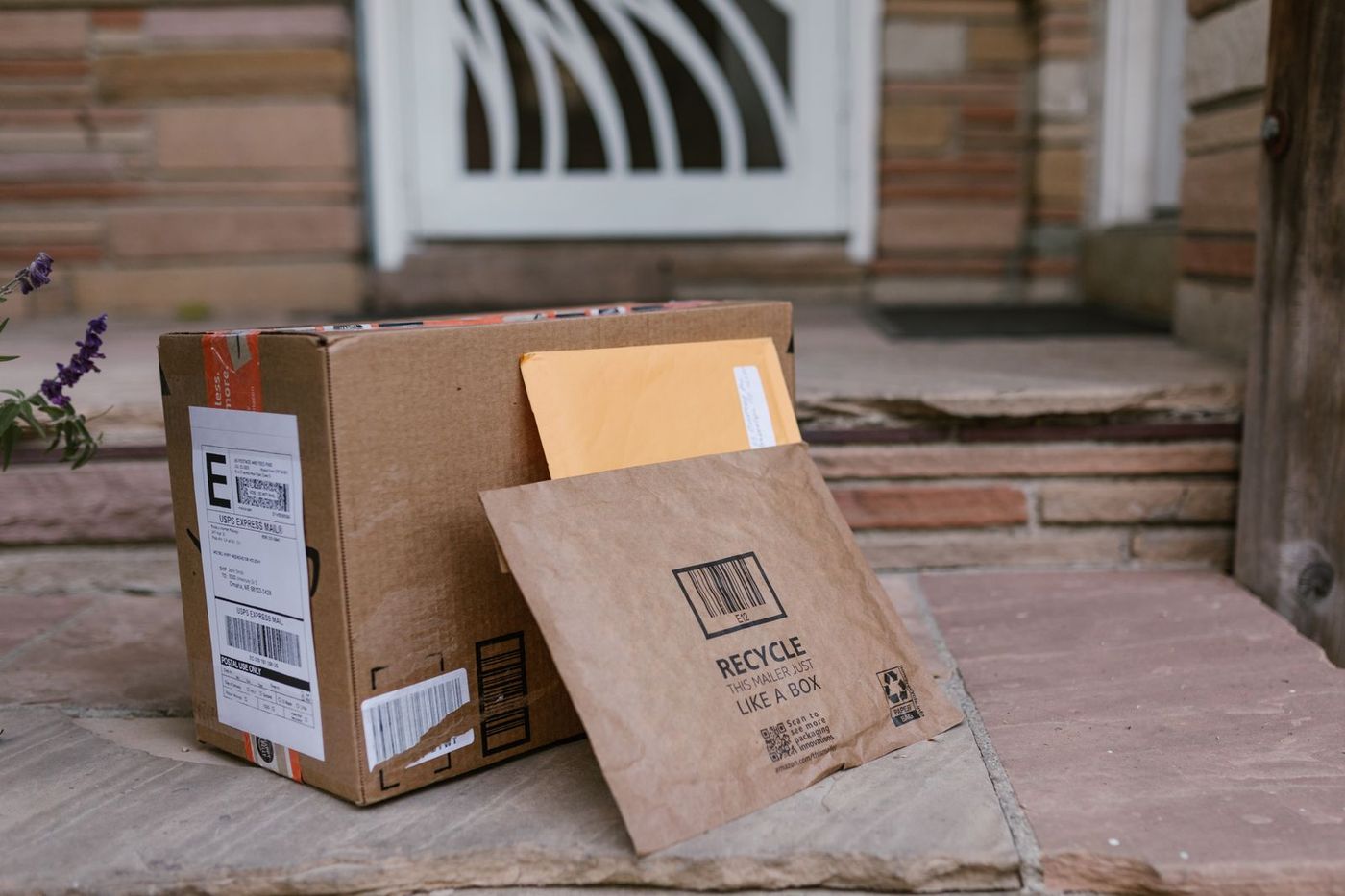
On marketplaces, “sold by” and “shipped by” can be different parties. Amazon's A-to-z Guarantee covers items sold and fulfilled by third-party sellers, with its own claim rules and deadlines; items sold by Amazon go through Amazon Customer Service. We only saw these rules through a search summary, because the help page would not load, so read the current page before relying on a deadline.
- Check the seller name on the product page before you add to cart.
- Prefer the manufacturer or a major retailer for anything with a warranty, as our read; warranty service is easier when the seller is the brand or a store you can walk into.
- Be wary of a very new seller with few ratings and an unusually low price. (Our read.)
7. Gift timing, stock-outs, stacking and card pitfalls
NBC Select says event items can sell out quickly and suggests setting alerts through Alexa for Shopping, which also flags restocks. It adds that Amazon usually does not allow promo codes to stack on event prices, though some listings have clippable coupons, and that a card earning points or cash back adds savings. It also advises comparing overlapping offers at other retailers, including shipping fees.

- Gifts: buying early protects against stock-outs but starts the return clock earlier; ask the retailer about gift-receipt returns. See the Black Friday and Cyber Monday landscape guide for timing context.
- Cards (our read): rewards only help if you pay the balance in full; interest cancels any markdown. Do not open a store card or join a paid membership for a one-time purchase without reading the renewal terms.
- Memberships: free-trial memberships can auto-renew, so set a reminder to cancel or decide (our read).
8. Buy now or wait: a quick decision table
This is a method table, not a product list. The product guides it points to carry the picks.
| Situation | What to do | Why |
|---|---|---|
| Item is on your list and the price is at a 3-month low in a tracker | Buy, after checking the return window | Matches the standard NBC Select uses |
| The “was” price does not appear in the history | Ignore the banner, judge the listed price alone | FTC: a real former price must have been offered regularly |
| Model number differs slightly from the brand page | Verify features, or buy the confirmed model | Consumer Reports on look-alike models |
| Seller is unfamiliar | Wait or buy from the brand or a major retailer | Return and warranty handling differ by seller |
| You were not planning to buy it | Wait 24 hours | The one rule (our read on the waiting period) |
| Gift for a December holiday | Buy only if you know the return window covers the date | Return windows are set per retailer and season |
Before you buy: the one-page checklist
- Is it on my list from before the event?
- What does the price history say over at least three months? Is this a recent low?
- Does the “was” price appear in that history, or is it only a banner?
- Does the full model number match the brand's product page, with the features I need?
- Who is the seller, and who handles returns and the warranty?
- What is the return window for this item and date, and is a gift receipt available?
- What is the total cost, including shipping and any membership needed?
- Am I paying with a card I will clear in full?
- Would I still want this at an ordinary price tomorrow?
Related guides
These carry the product picks; this guide does not.

Photo credits
Sources
- NBC Select, what to buy and skip during October Prime Day (planning, price tracking, stacking, returns)
- NerdWallet, October Prime Day piece (headline and subtitle only read)
- 16 CFR Part 233, FTC Guides Against Deceptive Pricing (regulation text mirror)
- Google Shopping help, price insights
- Amazon, 2025 holiday return policy (last season)
- KSAT, what to know about Black Friday TV models (Consumer Reports, 2018)
- Keepa (site identifies itself as an Amazon price tracker)
Legit disclosure. This guide is a research synthesis, not hands-on testing, and contains no affiliate links; the guides it links to may. It does not reference prices or promotions, since those change too often to maintain here. Retailer policies change; verify on the retailer's own page.
Corrections: email us