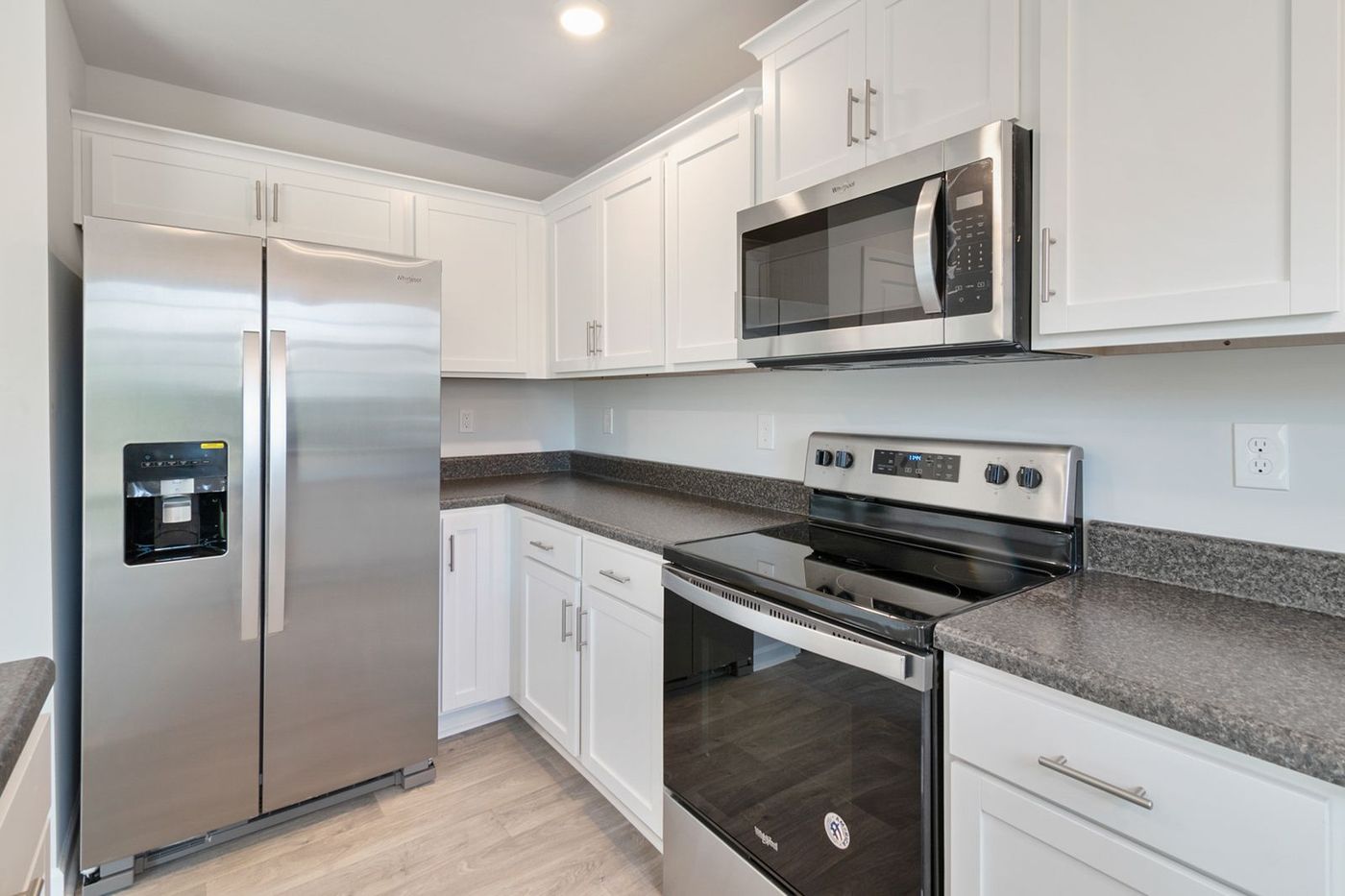
A refrigerator, washer, dishwasher or range is a decade-scale purchase with a delivery truck attached. The expensive mistakes are rarely about price: a unit that will not fit through the door, a label misread, a warranty add-on that repeats coverage you already have. Prime Big Deal Days has ended and Black Friday (Nov 27, 2026) and Cyber Monday (Nov 30, 2026) are on the calendar, which leaves a few weeks to do the slow work first. This guide is that work.
1. Measure before you shortlist
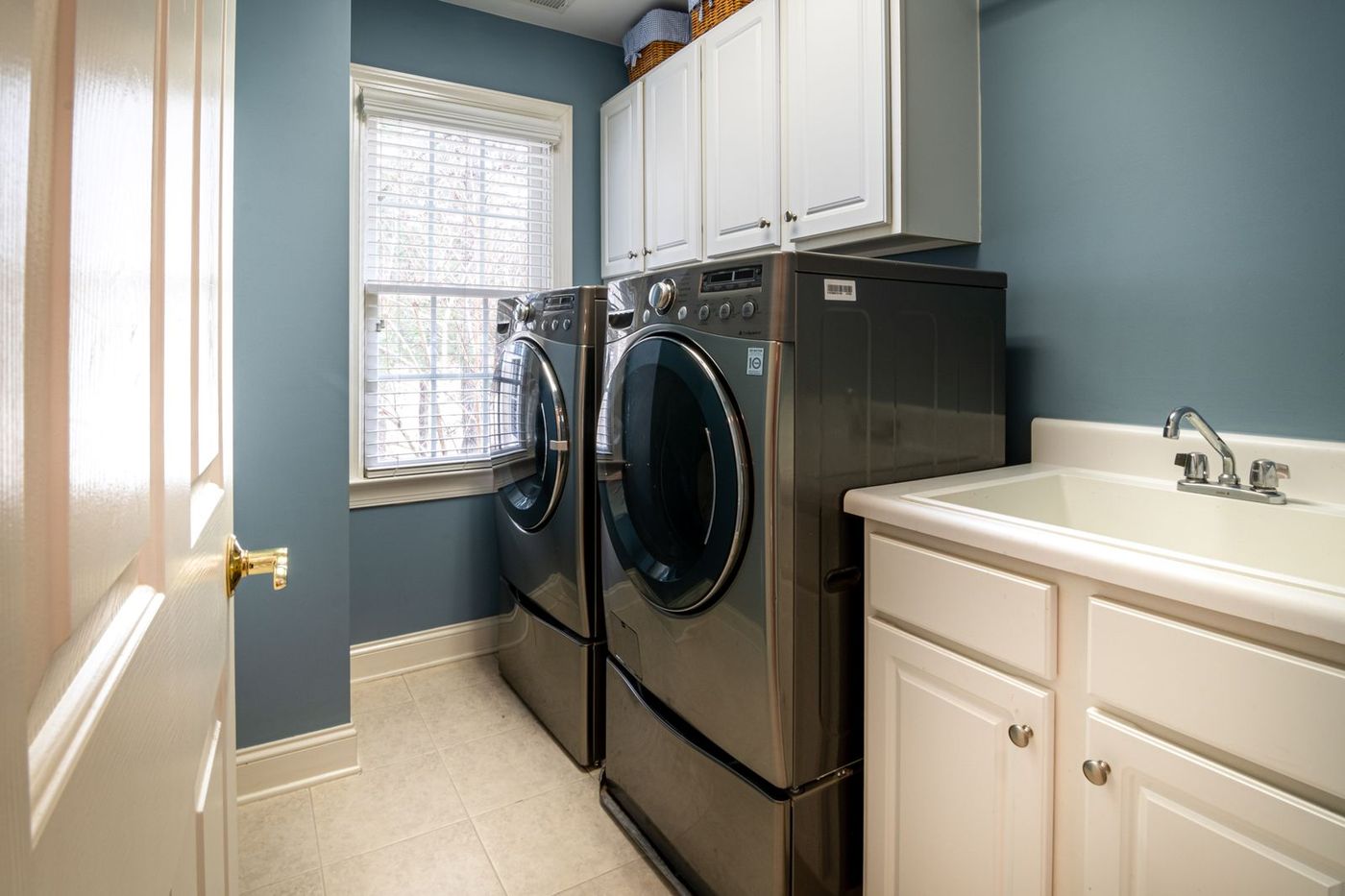
Retailer spec pages list product dimensions, but your house has its own. In our read, the order that avoids returns is: measure the opening, then the path, then the utilities. The full checklist is in the box below. The one habit worth forming now is to write down measurements in a note you can open on a phone, next to each candidate model number, so you compare numbers instead of memories.
Before you buy: measurement and delivery checklist
Our own reasoning, not drawn from a single source. Adjust to your home.
- Opening: height, width and depth of the space, measured at the narrowest point (top, middle and bottom), not just the front.
- Path: every doorway, hallway turn, stair and tight corner from the curb to the final spot, plus the front door width with the door removed or propped.
- Fit gaps: space for door swing, ventilation gaps and hose or cord bends. Compare against the installation section of the manual, which you can usually download before buying.
- Utilities: outlet type and location, water shutoff, drain, gas line or vent for dryers and ranges, and whether the dryer vent run is short and straight.
- Floor: is it level and strong enough where the unit will sit, especially for a laundry pair upstairs?
- Delivery terms: what is included (placement, hookup, leveling), what is extra, whether the old unit is hauled away, and whether the crew will carry up stairs.
- Paper trail: model number, order confirmation, delivery photos, and the return and restocking terms saved before the truck arrives.
- Surge and power: consider protection for electronics-heavy units; see our guide to surge protectors for what the ratings mean.
2. Read the labels correctly
Two different labels appear on appliances and they answer different questions.
ENERGY STAR
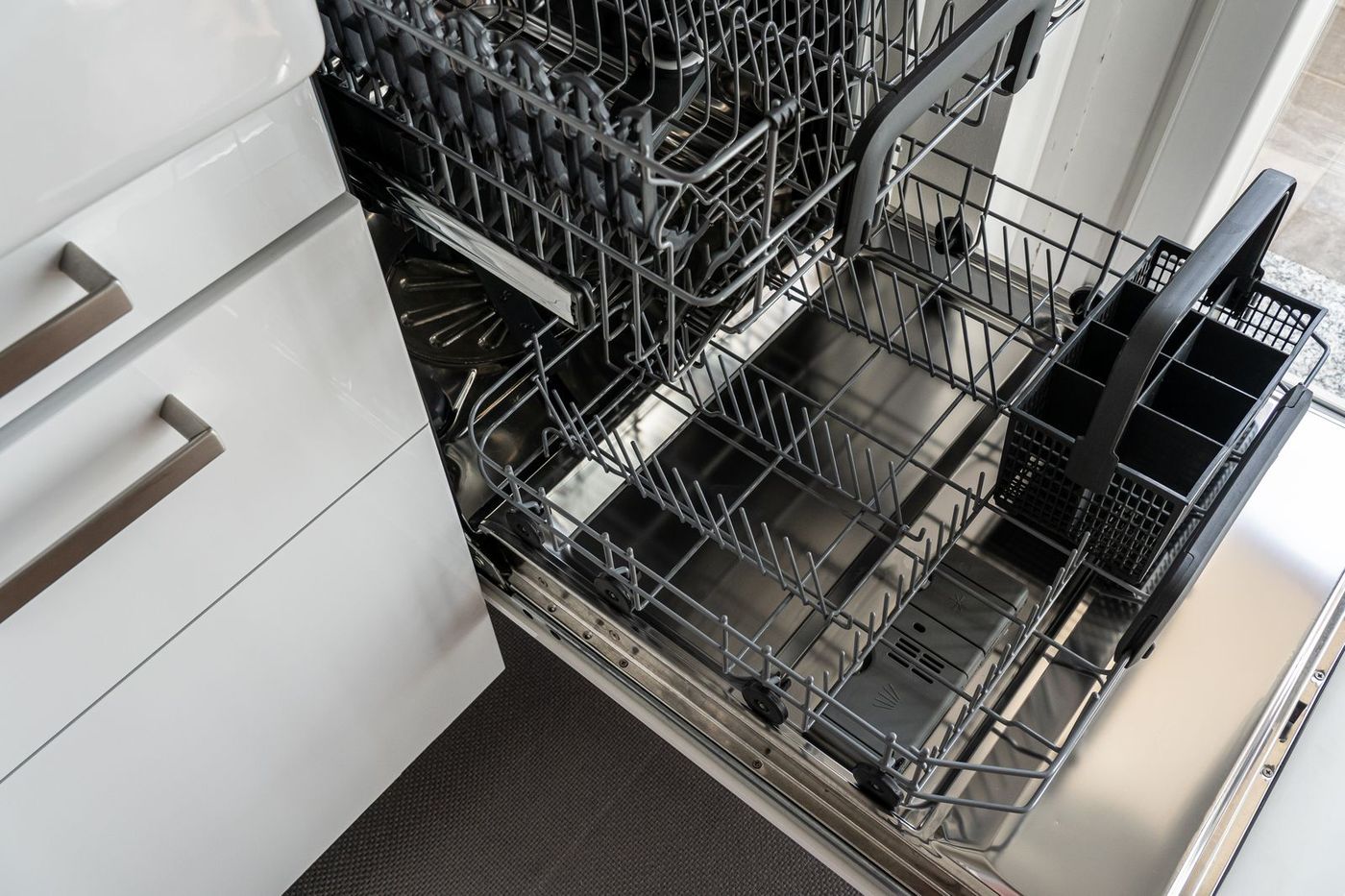
According to ENERGY STAR, the mark is a U.S. government-backed symbol for energy efficiency, run by the EPA as a public-private partnership. It is a pass/fail certification, so it tells you a model cleared a bar, not how it ranks against every other certified model. On its refrigerator page, the program says a certified refrigerator uses about 9 percent less energy than a model that only meets the federal minimum. That is the program describing its own label; treat it as a baseline, not a promise about your bill.
EnergyGuide
The FTC's EnergyGuide page explains that the yellow label estimates a product's energy use or efficiency so you can compare similar products, and that appliance labels show the highest and lowest estimates among comparable models. Most major home appliances must carry one. The practical use is comparison within a size class: two refrigerators of similar capacity can sit at very different points on the range. Our read: use ENERGY STAR to filter, then EnergyGuide to break ties. Note that we could not open the Department of Energy's label explainer, so we describe the label only from the FTC page.
3. Research reliability without paying for ratings
Consumer Reports publishes its method openly even though many ratings are behind a paywall. Its refrigerator testing page describes lab work (temperature sensors, a month-plus of monitoring, noise and energy measures) and says the Overall Score combines lab results with owner survey results. Its predicted reliability comes from a statistical model, built on owner surveys, of the chance a refrigerator develops a problem by the end of year five. That page reports roughly 31 percent of refrigerators needing repair by year five and names ice makers and dispensers as common trouble spots.
What to take from this, in our read: reliability data are brand and type level and lag the current model year, so a feature-heavy unit (ice and water in the door, screens) carries more things that can fail than a plain one. We do not cite any paywalled ratings here. Free cross-checks are the manufacturer's installation and parts documentation, the repair-parts availability for the exact model number, and owner reviews read for patterns (the same part failing) rather than star averages.
4. Warranties and extended plans
The FTC's warranty guidance says you are entitled to read a written warranty before you buy, online or in a store, and suggests checking its length, what is covered, whether you repair, replace or refund, how claims work and who pays for labor or shipping. It also says extended warranties and service contracts cost extra, are sold separately and are not warranties, and may cover the same repairs for the same period as your existing warranty. Keep the warranty and the receipt.
Our read, built on that: before paying for an add-on plan, put the manufacturer warranty and the plan side by side and write down what the plan covers that the manufacturer does not, and when it starts. If you cannot name a gap, the plan is probably not buying you anything. Also check whether a credit card or a home policy you already hold covers repair, which we have not researched here.
5. Model years and why older units get marked down
This Old House reports that manufacturers typically release new appliance models in the fall, that retailers then tend to clear older stock, and that the older models may differ only slightly from the new ones. The article hedges throughout ("typically," "often," "may") and gives no guaranteed dates, so should we. Other buying calendars we saw in search results disagreed on timing (some say spring or summer for refrigerators); we did not read those pages, so we treat the cycle as varying by brand and category.

The decision rule that follows: find the model number and ask the retailer or brand what changed in the newer version. If the answer is a color, a handle or a minor feature you will not use, last year's model is a candidate. If it is a safety recall, a repair-prone part replaced, or a capacity change, newer may be worth it. Reading a model number's year code is brand-specific, so check the manufacturer's own guide.
6. Price adjustments and return windows
This is the part you must read yourself. We tried to open the return and price-match pages of two large home and electronics retailers and were blocked or served a landing page, so we cite no retailer terms. Search results suggest that price-match rules often carve out holiday weekends and marketplace sellers, but we did not verify this on an official page. Before checkout, read these on the actual seller page and write the answers in your notes:
- How many days you have to return a large appliance, and whether delivery or restocking fees apply.
- Whether a later price drop is adjusted after purchase, and for how long.
- Whether the retailer matches other sellers during Black Friday and Cyber Monday week.
- What happens if you refuse a delivery that does not fit or arrives damaged.
7. Research now, buy at the right window
| When | Do this | Why |
|---|---|---|
| Now through mid-October | Measure openings and delivery paths; decide the appliance type, fuel and size class. | Fit problems are the costliest error and need no prices. |
| Late October | Build a shortlist of 2 or 3 model numbers per appliance; read manuals, warranties, parts availability. | Reading while no timer is running keeps decisions calm. |
| Early November | Save model numbers, check energy labels, ask what changed from the prior model year, read each seller's return and adjustment terms. | Model-year and policy checks only help if done before you are rushed. |
| Nov 27 and Nov 30 (Black Friday, Cyber Monday) | Compare your shortlist against what retailers actually list. Check each retailer's own announcement for dates. | The dates are calendar facts; any promotion is a retailer decision we cannot confirm. Walk away if your model is not marked down. |
| After purchase | Register warranty if required, keep receipt, inspect the delivery before signing. | The FTC advises keeping the warranty and receipt. |
Our read: needing one appliance now (a failed refrigerator) is a different problem from upgrading. If you are replacing a dead unit, do not wait; fit and return terms still matter more than a few weeks of timing.
Related guides
- How to shop sale events without getting played
- Amazon Prime sale events: what to buy and what to skip
- Tech: buy now or wait for Black Friday
- Mattress and bedding: buy now vs wait
- Prime Day vs Black Friday 2026: buy now or wait?
- Tankless vs tank water heaters, explained
- Mini fridges for a dorm room
- How to organize a fridge and fridge organizers
- Best air fryers and toaster ovens for a small kitchen
- Best cordless vacuums and best robot vacuums
- Laundry hampers and sorters
Photo credits
Sources
- ENERGY STAR, About
- ENERGY STAR, Refrigerators
- FTC, EnergyGuide Labels
- Consumer Reports, How We Test Refrigerators
- FTC Consumer Advice, Warranties
- This Old House, Best Time to Buy Large Appliances
Research-based guide, updated Oct 9, 2026. No prices, offers or promotions are referenced. Retail terms change; confirm with the seller.