Mattresses are the one bedding purchase where timing and fine print matter more than the product page. Pillows and sheets are simpler. This guide separates what outlets say about timing from what you should check before any order, whenever you place it.
Buy now or wait: what outlets say about timing
Prime Big Deal Days ran Oct 6–7 and has ended, and a separate Prime Day ran June 23–26. The next widely watched calendar dates are Black Friday (Nov 27, 2026) and Cyber Monday (Nov 30, 2026). We could not confirm Amazon’s own plans for that window, so check the retailer’s announcement rather than assuming.
Two outlets give the clearest timing picture for mattresses. Domino lists spring (March through May, when older inventory is cleared), Presidents’ Day weekend, Memorial Day, Fourth of July, Labor Day, and Black Friday/Cyber Monday, which it calls the top window. Bob Vila makes the reasoning explicit: it says manufacturers typically release new models around June, so retailers clear last year’s models in March through May, and it calls June through September the peak buying period. It also warns that closeout and going-out-of-business events are often final, with no returns, which matters because a return window is your main protection (see below).
Domino names no separate windows for bedding alone; it mentions sheets, pillows and mattress pads mainly as bundle add-ons around Black Friday. For loose bedding, our read is that urgency should come from need, not the calendar.
| Item | Lean | Why | Outlet / basis |
|---|---|---|---|
| Mattress | Wait if your current bed still works | Older-model clearance in spring; major holiday weekends; Black Friday/Cyber Monday ranked top by Domino. | Domino; Bob Vila |
| Mattress, bed is failing or you are moving | Buy now, with a trial | Poor sleep and a short timeline outweigh timing. The trial terms matter more than the date. | Our read; trial guidance from Sleep Foundation |
| Pillows | Buy when yours wears out | Sleep Foundation says most pillows last one to two years and should be replaced once they lose loft or turn lumpy. | Sleep Foundation |
| Sheets | Any time, or bundle with a mattress | No separate sheet window is named; bundles are the pattern Domino describes. | Domino; our read |
| Toppers and protectors | Any time; buy the protector with the mattress | A protector helps keep a trial eligible, since policies commonly void it for a soiled mattress. | Sleep Foundation (trials) |
| Comforters, duvets, weighted and heated blankets | Buy by season of need | We found no outlet naming a dedicated window for these, so this is our read: match the purchase to the first cold weeks and your return period. | Our read (no source found) |
Evaluate a mattress: trial, fit, materials
1. Read the sleep trial like a contract
Sleep Foundation lists what to confirm. Find the trial length on the specific product, and any minimum break-in period before a return is accepted. Learn who arranges the return and how the bed leaves your home, since shipping an unboxed mattress is hard. Check condition requirements (it notes most companies void a trial if the mattress is soiled), whether fees such as shipping, restocking or removal are refundable, and whether a third-party seller follows different return rules than the manufacturer. It also suggests allowing about a month to adjust before judging. We quote none of the brands’ own numbers here because policies change; read the current page for the exact item and seller.
2. Trial is not warranty
The same Sleep Foundation page separates the two: a trial lets you return a bed you simply do not like, while a warranty covers defects and may be prorated by age or offer repair or replacement instead of a refund. In the warranty text, our read is to look for how sagging is defined and measured, whether a particular foundation or frame is required, and what voids coverage.
3. Firmness and support by sleep position
Sleep Foundation’s reviews generally tie suitability to position and body weight. Side sleepers tend to do best on medium to medium-firm beds that cushion shoulders and hips; back sleepers on medium-firm; stomach sleepers on firmer beds, because plush models can be too soft. Lighter side sleepers may prefer softer, heavier ones firmer. Treat these as starting points, not rules.
4. Materials and certifications
For feel differences between foam, hybrid, innerspring and latex, see our explainers on memory foam vs hybrid vs latex and foam vs innerspring vs hybrid. On labels: CertiPUR-US says it certifies foam made without formaldehyde, ozone depleters, mercury, lead and other heavy metals, or regulated phthalates, with low VOC emissions and screening for chemicals classed as carcinogens, mutagens or reproductive toxins. OEKO-TEX describes STANDARD 100 as testing textiles at every stage, with each component checked against a list of over 1,000 substances, and certificates issued for one year. Our read: CertiPUR-US concerns foam, OEKO-TEX concerns textiles, so a label tells you about one layer of a bed, not comfort or durability.
5. Size, delivery and set-up
This part is our read, not a sourced finding. Measure the bedroom, the bed frame and the route into the house (stairs, tight turns) before ordering; confirm whether delivery includes set-up or old-mattress removal and who pays if it does not; and check that your foundation or frame matches the size and any warranty requirement.
- Trial length, break-in period, and who handles the return?
- Any non-refundable fees, and does the seller differ from the maker?
- Does the warranty define sagging, require a foundation, or prorate?
- Firmness suited to your usual position and body weight?
- Foam certified (CertiPUR-US) and textiles certified (OEKO-TEX), if that matters to you?
- Does it fit the room, the doorways, and your frame?
- Protector ready on day one to keep the trial valid?
Pillows, sheets and the rest
Sleep Foundation says side sleepers generally want thicker, high-loft pillows, back sleepers medium loft (roughly 3 to 5 inches) and somewhat firm, and stomach sleepers thin, soft pillows or none, with heavier sleepers possibly needing more loft. It also notes memory foam tends to hold heat and latex sleeps cooler. Our pick lists: pillows for side sleepers.
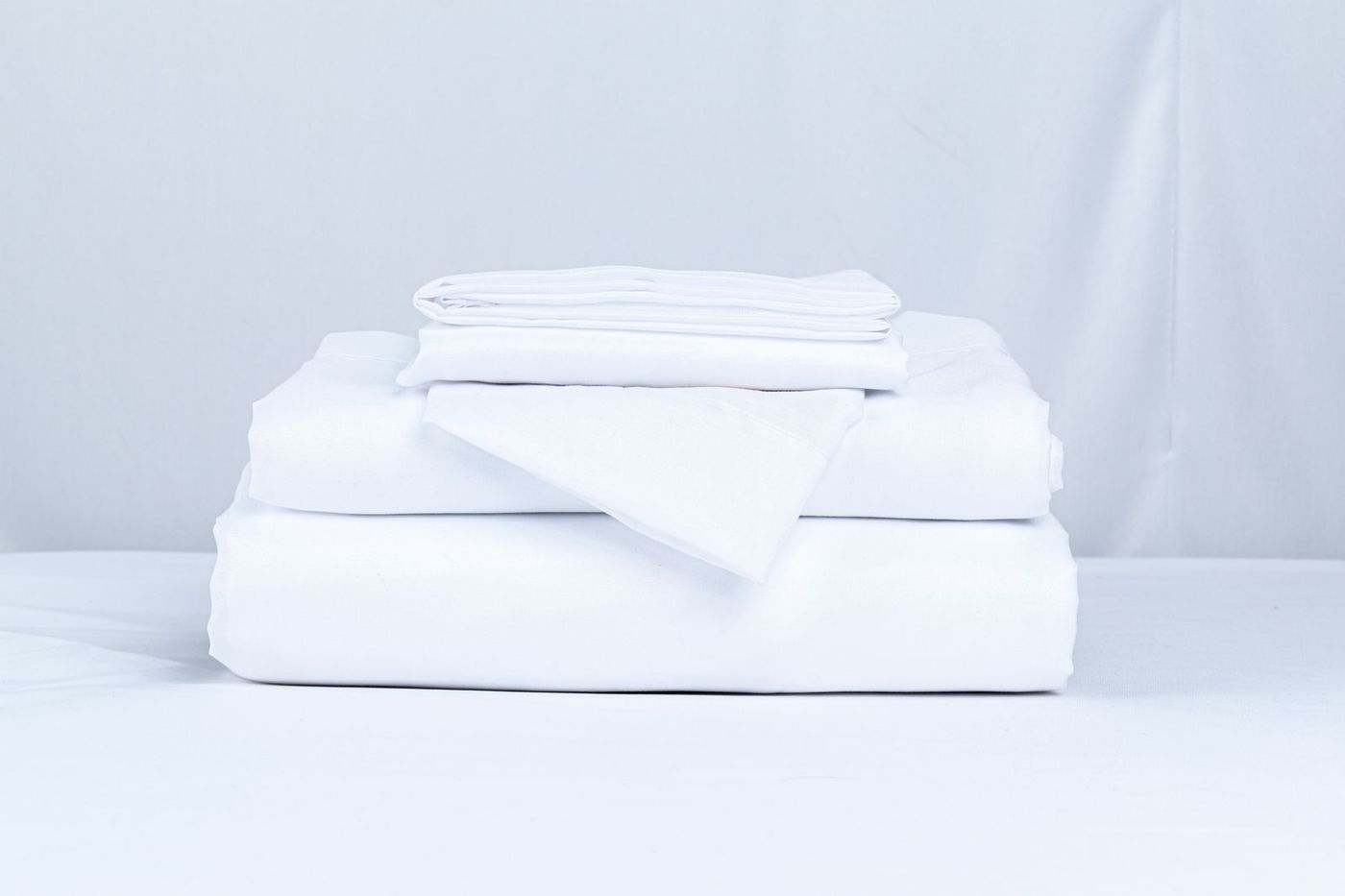
On sheets, Sleep Foundation calls percale crisp and breathable and sateen silkier but slightly warmer, says thread count is only a rough guide with quality not improving past about 600, and suggests OEKO-TEX or GOTS certification when judging eco claims. See sheets for hot sleepers.
For layers on top of or under the bed, see mattress toppers for side sleepers and mattress protectors that do not crinkle. For cold-season options see weighted blankets and electric heated blankets.
Sleep-environment basics
The CDC suggests a consistent bed and wake time, a quiet, relaxing, cool bedroom, turning off electronic devices at least 30 minutes before bed, and limiting large meals, alcohol and afternoon or evening caffeine. A new mattress is not a substitute for these; if sleep problems persist, speak with a clinician. Related room guides: blackout curtains and quiet fans.
Related guides
Photo credits
Sources
- Domino: when to buy a mattress
- Bob Vila: best time to buy a mattress
- Sleep Foundation: mattress trial periods
- Sleep Foundation: mattresses for side sleepers
- Sleep Foundation: how to shop for pillows
- Sleep Foundation: choosing sheets
- CertiPUR-US
- STANDARD 100 by OEKO-TEX
- CDC: tips for better sleep
Research-based guide, last updated Oct 9, 2026. Outlet advice changes; confirm any event dates and policies with the retailer before buying. This guide gives no medical advice. Corrections: email us.